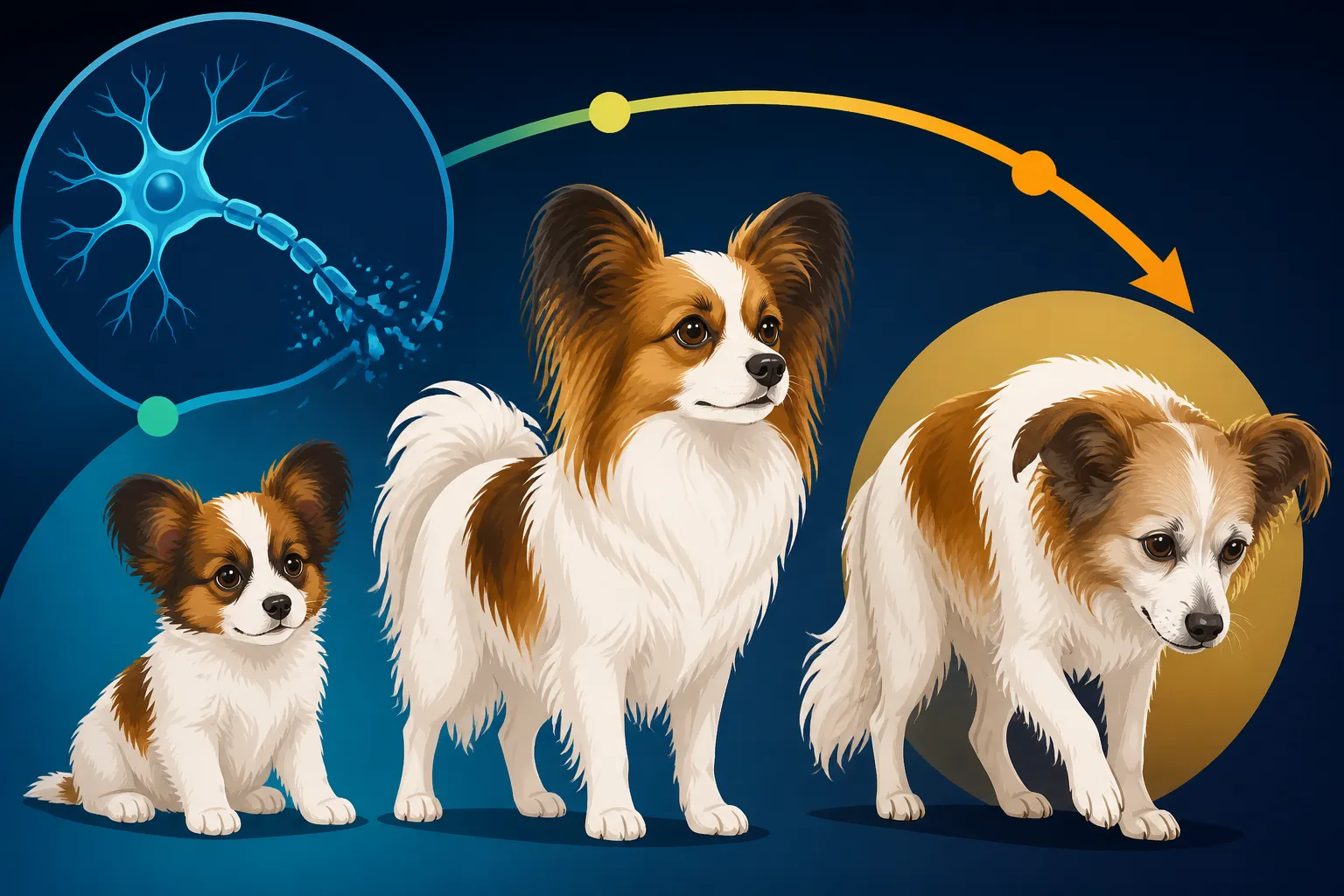
The Age Neuroaxonal Dystrophy Shows in a Papillon
It's absolutely heartbreaking when you notice something is just off with your beloved Papillon puppy, especially when they're at an age where they should be full of boundless energy and curiosity. Seeing their coordination falter or their movements become clumsy can be incredibly distressing, leaving you scrambling for answers. This guide aims to shed light on Neuroaxonal Dystrophy (NAD) in Papillons, specifically focusing on the typical age when this challenging neurological condition first begins to show its signs, what those initial symptoms look like, and how understanding its onset can help you and your vet navigate this difficult journey.
Understanding Neuroaxonal Dystrophy in Papillons
Neuroaxonal Dystrophy, often abbreviated as NAD, is a serious inherited neurological disorder that affects certain breeds, including our graceful Papillons. It's a progressive condition, meaning it gets worse over time, and it's caused by a genetic mutation that leads to the degeneration of nerve fibers. Essentially, the "wiring" in your dog's nervous system starts to break down, impairing communication between the brain and the rest of the body. This isn't just a minor glitch; it impacts how they move, how they perceive their surroundings, and ultimately, their quality of life. For small, active dogs like Papillons, who thrive on agility and intelligence, such a condition can be particularly cruel, robbing them of their natural zest.
The Genetic Basis of NAD
The cruel reality of NAD is that it's a recessively inherited condition. This means that for a Papillon to be affected, they must inherit two copies of the faulty gene – one from each parent. If a dog inherits only one copy, they are considered a "carrier" and won't show any symptoms themselves, but they can pass the gene on to their offspring. This makes it particularly sneaky in breeding lines, as seemingly healthy parents can produce affected puppies. Reputable breeders are increasingly diligent about genetic testing to identify carriers and avoid breeding combinations that could result in affected pups. Knowing Which Gene Causes PRA in a Papillon is important for eye health, and similarly, understanding the specific gene for NAD is crucial for overall neurological health.
The specific genetic mutation in Papillons has been identified, which is a huge step forward for the breed. This allows for a DNA test to accurately determine if a dog is clear, a carrier, or affected. This kind of testing is invaluable for preventing the spread of the disease and ensuring that future generations of Papillons are healthier. Without such tests, breeders might unknowingly continue to perpetuate the condition, leading to more heartache for puppy owners.
What Neuroaxonal Dystrophy Does to a Papillon's Body
At its core, NAD causes the abnormal swelling and degeneration of axons, which are the long, slender projections of nerve cells that conduct electrical impulses away from the cell body. Think of axons as the electrical cables of the nervous system. When these cables are damaged, the signals get scrambled or can't get through at all. This damage can occur in various parts of the nervous system, including the brainstem, spinal cord, and peripheral nerves. The widespread nature of this damage is why the symptoms can be so varied and debilitating, affecting everything from balance and coordination to fine motor skills.
The progressive nature of the disease means that symptoms, once they appear, will unfortunately continue to worsen over time. Initially, the changes might be subtle, easily mistaken for typical puppy clumsiness or a minor injury. However, as more nerve fibers degenerate, the signs become more pronounced and undeniable. It's a slow, relentless process that underscores the importance of early recognition and understanding. This neurological impact is distinct from other conditions like What Patellar Luxation Does to a Papillon, which affects the skeletal system rather than the nervous system itself.
Typical Onset Age of NAD: What to Look For
One of the most frustrating aspects of Neuroaxonal Dystrophy is that it typically manifests in young Papillons, often during their critical developmental stages. This means you might get a sweet, seemingly healthy puppy, only for symptoms to begin appearing when they're still very young, typically within the first few months of life. It’s a period when puppies should be growing, learning, and exploring, and instead, they might be struggling with fundamental movements.
Early Signs in Papillon Puppies
The most common age for the first signs of NAD to appear in Papillons is usually between three and eleven months of age. This range is crucial because it often coincides with what many owners might initially dismiss as normal puppy awkwardness or a growth spurt. However, for an owner who knows their breed and understands the typical exuberance of a Papillon puppy, these signs can be a stark red flag. You might notice subtle changes in their gait or coordination. Perhaps they seem a bit wobbly when they run, or they have difficulty navigating stairs or uneven surfaces. It's not just a cute stumble; it's a persistent, worsening lack of coordination.
Often, owners report noticing a tremor, particularly when the puppy is trying to focus on something or is excited. They might also exhibit a "goose-stepping" gait, where their legs lift higher than normal, or an ataxia, which is a general lack of muscle control and coordination. Imagine a puppy that seems to be walking on stilts or stumbling over its own feet even on flat ground. These aren't just one-off incidents; they are consistent patterns of movement that indicate something deeper is at play. Observing these early signs can be critical, as it can prompt you to seek veterinary advice sooner, helping to confirm a diagnosis. For more on general puppy health, you might want to read Signs a Papillon Puppy Is Not Thriving.
Differentiating From Other Puppy Issues
It's easy to second-guess yourself when a puppy exhibits unusual symptoms. Is it just clumsy? Did it just bump its head? Could it be low blood sugar, a common concern in toy breeds like Papillons when they are very young? While hypoglycemia (low blood sugar) can cause weakness and disorientation in very young puppies, it typically responds quickly to treatment and isn't a progressive neurological condition. The key difference with NAD is the progression and neurological nature of the symptoms.
For example, a puppy might seem generally weak, but with NAD, it's more specific to coordination and movement control rather than overall energy levels, although fatigue can certainly be a secondary symptom as they struggle to move. If your Papillon puppy starts showing tremors, uncoordinated movements, or an unusual gait that doesn't resolve and seems to worsen, it’s imperative to consult your veterinarian immediately. They can help rule out other conditions and begin the diagnostic process for NAD. An early, accurate diagnosis, while devastating, can help you prepare for the challenges ahead and make informed decisions about your puppy's care.
Progression of Symptoms After Initial Onset
Once Neuroaxonal Dystrophy starts to show its face, it rarely stands still. The nature of the disease means that the degeneration of nerve fibers continues, leading to a gradual and unfortunately inevitable worsening of symptoms. This progression can vary in speed from one Papillon to another, but the trajectory is typically downhill. Understanding this progression is vital for managing your dog's care and quality of life.
Worsening Motor Control and Coordination
Initially, the uncoordinated movements might be subtle, a slight stumble here or there. However, as the disease progresses, these become much more pronounced. You might notice your Papillon puppy struggling significantly with tasks that were once easy, such as climbing a few steps or even just standing still without swaying. Their gait can become severely ataxic, appearing drunken or exaggerated. They might struggle to right themselves if they fall, and their tremors could become more constant, even when resting.
Muscle weakness and atrophy can also set in as the nerves controlling the muscles continue to degrade. This leads to a loss of muscle mass, further impacting their ability to move and support themselves. Imagine trying to walk with constantly trembling legs and muscles that are getting weaker – it's an exhausting and frustrating experience for them. Owners often report that their active, playful Papillons become increasingly sedentary, not because they don't want to play, but because their bodies simply can't cooperate anymore.
Other Neurological Impacts and Quality of Life
Beyond the obvious motor control issues, NAD can affect other neurological functions. While cognitive decline isn't typically the primary symptom, the overall impact on the nervous system can lead to changes in behavior and sensory perception. Some dogs may experience changes in their reflexes, or even show signs of disorientation, though this is less common than the motor symptoms. The most profound impact, however, is on their overall quality of life.
A Papillon, known for its intelligence and vivacity, thrives on interaction and physical activity. When they can no longer run, jump, or play normally, it takes a heavy toll. The constant struggle to move, the falls, and the inability to engage in normal dog activities can lead to frustration, anxiety, and a significant decrease in their enjoyment of life. This is where compassionate care, including providing a safe, adapted environment and working closely with your vet, becomes paramount. While the condition doesn't directly cause pain in the way a broken bone would, the physical struggles and secondary injuries from falls can certainly cause discomfort. Discussions about things like How Long a Papillon Lives can become difficult and emotionally charged when faced with such a prognosis.
Diagnosis and Management After Symptoms Appear
Receiving a diagnosis of Neuroaxonal Dystrophy for your Papillon is undeniably devastating. There’s no easy way to process the news that your beloved companion has a progressive, incurable neurological disease. However, knowing what you’re dealing with is the first step toward providing the best possible care and making informed decisions for their future.
The Diagnostic Process
When you bring your Papillon puppy to the vet with suspected NAD symptoms, a thorough neurological examination will be the starting point. The vet will assess their gait, reflexes, coordination, and overall demeanor. Based on these findings, they might suggest further diagnostics. While clinical signs are strong indicators, a definitive diagnosis of NAD in Papillons is typically made through genetic testing. A simple cheek swab or blood sample can be sent to a specialized lab to check for the specific mutation associated with the disease. This is a non-invasive and highly accurate way to confirm the presence of the faulty gene.
Other diagnostic tools, like MRI scans or cerebrospinal fluid analysis, might be used to rule out other neurological conditions that present with similar symptoms, such as certain types of inflammation, tumors, or other congenital issues. However, for Papillons, the genetic test is the gold standard for confirming NAD. This is why The DNA Test for Papillon Neuroaxonal Dystrophy is so important for owners and breeders alike. Getting a definitive answer, as hard as it might be, allows you to move forward with a clear understanding of the situation. Many pet insurance providers, like Healthy Paws, emphasize the importance of early diagnosis and genetic testing, as it can help manage potential care costs, though pre-existing conditions are usually excluded.
Supportive Care and Environmental Adaptations
Unfortunately, there is currently no cure or specific treatment that can halt or reverse the progression of Neuroaxonal Dystrophy. Treatment focuses entirely on supportive care aimed at maximizing the dog's comfort and quality of life for as long as possible. This often involves a multi-faceted approach. Physiotherapy and hydrotherapy can sometimes help maintain muscle strength and improve coordination, though these benefits are often temporary as the disease progresses. Your vet might also recommend anti-inflammatory medications if there's any discomfort from secondary issues like muscle strain or minor injuries from falls.
Environmental adaptations are crucial. This means making your home as safe and accessible as possible. Consider providing ramps for furniture instead of stairs, ensuring non-slip flooring, and padding sharp corners. A comfortable, supportive bed is also essential. Keeping their world small and predictable can reduce stress and the risk of injury. Close monitoring for any changes in their condition, and regular veterinary check-ups, are vital. This journey is incredibly challenging, and leaning on your veterinary team for guidance and support is essential. Many families also find support groups helpful to connect with others facing similar struggles. When considering the comprehensive care, remember that organizations like Healthy Paws can often provide assistance in navigating these complex health challenges.
The Genetic Link and Responsible Breeding
Understanding the genetic underpinnings of Neuroaxonal Dystrophy is not just important for affected families, but it is absolutely critical for responsible breeding practices. Since NAD is an inherited condition, breeders hold the key to reducing its prevalence within the Papillon population. This responsibility goes beyond just producing beautiful puppies; it's about ensuring their long-term health and well-being.
Importance of Genetic Testing for Breeders
As we discussed, NAD is caused by a recessive gene. This means carrier dogs, who show no symptoms, can pass the gene to their offspring. If two carriers are bred together, there's a 25% chance that each puppy in the litter will be affected by NAD, a 50% chance they will be carriers, and a 25% chance they will be clear. This is why genetic testing is so incredibly important for every Papillon intended for breeding. Breeders should test all their breeding stock to determine if they are clear, carriers, or affected.
By using the available DNA test, breeders can make informed decisions to avoid breeding two carriers together, thus preventing the birth of affected puppies. The goal is to gradually eliminate the gene from the breeding pool while maintaining genetic diversity within the breed. This practice reflects a commitment to the health and integrity of the Papillon breed. Prospective puppy buyers should always ask breeders about health testing, including specific tests for conditions like NAD. You can learn more about what a responsible breeder should test for by reading What a Papillon Breeder Should Have Tested.
Ethical Breeding Practices and Screening
Ethical breeding goes hand-in-hand with genetic screening. A responsible breeder will be transparent about their dogs' health testing results, including those for NAD. They will likely be able to provide documentation from reputable laboratories confirming that their breeding pair are clear of the NAD mutation, or at least that one parent is clear, ensuring no affected puppies will be produced. A carrier can still be responsibly bred to a clear dog, as none of the offspring will be affected, though some may be carriers themselves.
This approach demonstrates a deep understanding of canine genetics and a commitment to producing healthy puppies. Avoid breeders who cannot or will not provide genetic test results, or who dismiss the importance of such testing. The cost of genetic testing is a small investment compared to the emotional and financial burden of caring for a dog with a severe genetic disease. Investing in a puppy from a breeder who prioritizes health testing is an investment in a healthier, happier life for your future companion. It's a key part of ensuring Whether the Papillon Is a Healthy Breed.
Living with a Papillon Affected by NAD
Discovering that your Papillon has Neuroaxonal Dystrophy is a profoundly difficult experience, but it doesn't mean the end of your journey together. While there's no cure, living with an affected Papillon means dedicating yourself to compassionate care, adapting to their evolving needs, and ensuring their remaining time is filled with comfort and love. It's a path that demands patience, resilience, and a deep well of empathy.
Providing a Safe and Comfortable Environment
As your Papillon's coordination and mobility decline, creating a safe and comfortable environment becomes paramount. This isn't just about preventing accidents; it's about reducing their frustration and improving their sense of security. Start by assessing your home for potential hazards. Slippery floors, like hardwood or tile, can be challenging. Consider placing non-slip rugs in frequently used areas. Stairs can become a major obstacle and a fall risk; baby gates or portable ramps can help manage this.
Furniture that your Papillon used to jump on and off might now be dangerous. Provide dog steps or ramps to allow them safe access to their favorite cuddle spots on the sofa or bed. Their bed itself should be easily accessible and offer good support. A low-sided orthopedic bed can be a blessing. Keeping their world relatively contained and consistent can also help them navigate more easily as their senses and motor skills diminish. Remember, even with pet insurance like Healthy Paws, modifications to your home are usually out-of-pocket, so planning ahead is helpful.
Nutritional Support and Overall Well-being
While NAD is a neurological disease, maintaining excellent overall health and nutrition is still vital. A well-balanced diet appropriate for their age and activity level will support their immune system and muscle health. If mobility issues lead to a more sedentary lifestyle, you might need to adjust their caloric intake to prevent unhealthy weight gain, which would only put more strain on their already compromised bodies. Conversely, if muscle atrophy becomes significant, your vet might recommend specific dietary supplements or higher protein options.
Regular, gentle exercise, appropriate for their capabilities, can help maintain some muscle tone and prevent stiffness. This might mean shorter, slower walks on a leash in a safe, even area, or even gentle passive range of motion exercises at home, guided by your vet or a certified rehabilitation therapist. Mental stimulation remains important too, using puzzle toys or gentle scent games that don't require much physical exertion. Keeping their mind engaged can combat boredom and foster a sense of purpose, which is crucial for their overall well-being. For broader advice on maintaining health, see Caring for an Aging Papillon, even if your dog is still young.
Emotional Support for Both Dog and Owner
Living with a dog with a progressive neurological condition can be emotionally exhausting. It's okay to feel sad, frustrated, or overwhelmed. Your Papillon will pick up on your emotions, so try to remain calm and reassuring. Continue to provide them with ample love, attention, and gentle affection. Their world might be shrinking, but your presence and comfort can make all the difference.
Consider joining online support groups or talking to your vet about local resources. Connecting with other owners who understand your journey can provide invaluable emotional support and practical advice. There will come a time when difficult decisions about your Papillon's quality of life will need to be made. Having the support of your veterinary team and loved ones during these conversations is crucial. They can help you assess their comfort, happiness, and dignity. While it's a journey filled with challenges, the love and bond you share with your Papillon make every effort worthwhile.
The Future for Papillons and NAD
The scientific understanding of Neuroaxonal Dystrophy in Papillons has come a long way, and the availability of genetic testing represents a significant leap forward for the breed. While the disease remains incurable, the ability to identify carriers and make informed breeding decisions offers hope for a future where NAD is a rarity rather than a heartbreaking reality for some families.
Progress in Genetic Screening Programs
The identification of the specific gene mutation responsible for NAD in Papillons has revolutionized breeding practices. Responsible breeders can now confidently test their breeding stock, ensuring that they do not produce affected puppies. This kind of widespread screening is the most effective way to reduce the incidence of genetic diseases in purebred dogs. Organizations and breed clubs play a vital role in promoting and sometimes even mandating these health tests for their registered breeders. This push for transparency and health screening is an incredibly positive development.
As more breeders adopt these practices, the frequency of the NAD gene within the Papillon population should naturally decrease. This proactive approach not only protects individual puppies from suffering but also preserves the overall health and genetic integrity of the breed for generations to come. Prospective owners benefit immensely from this progress, as they can seek out puppies from genetically clear lines, significantly reducing the risk of encountering NAD. This shows how crucial it is to thoroughly vet a breeder, as discussed in Finding a Papillon Breeder Who Tests Eyes and Knees.
Ongoing Research and Hope
While a cure for NAD is not currently available, research into neurological diseases in both humans and animals is ongoing. Every scientific breakthrough in understanding neurodegeneration offers potential avenues for future treatments or therapies that could eventually benefit dogs affected by conditions like NAD. Whether it's gene therapy, new medications to slow progression, or advanced rehabilitation techniques, the scientific community is continuously working to find solutions.
For now, the greatest hope lies in prevention through diligent genetic testing and responsible breeding. By supporting ethical breeders and advocating for widespread health screening, we contribute to a healthier future for all Papillons. While the journey with an affected Papillon is challenging, it's also a testament to the incredible bond we share with our dogs and our unwavering commitment to their well-being. Knowing about diseases like NAD, and actively working to prevent them, is a critical step in ensuring the longevity and vitality of this wonderful breed.
| Age Range (Months) | Typical Onset Symptoms | Progression Characteristics | Key Actions for Owners |
|---|---|---|---|
| 3-11 Months | Subtle tremors, mild ataxia, occasional clumsiness, difficulty with stairs or uneven surfaces. | Gradually worsening coordination, increased stumbling, persistent tremors, hesitant movements. | Immediate vet consultation, genetic testing, observe and document symptoms. |
| 12-24 Months | More pronounced ataxia, severe tremors, muscle weakness, difficulty standing/walking, frequent falls. | Significant decline in mobility, muscle atrophy, struggles with daily activities, decreased activity levels. | Focus on supportive care, environmental modifications, physiotherapy, pain management (if needed). |
| Beyond 24 Months | Severe mobility impairment, potential need for assistance to move, significant impact on quality of life. | Continued neurodegeneration, emphasis on comfort, dignity, and making compassionate decisions. | Prioritize comfort, maintain emotional bond, consult vet regularly for quality of life assessments. |
Disclaimer
Please remember that the information provided in this article is intended for general informational purposes only and does not constitute veterinary advice. Every dog is an individual, and specific health concerns should always be addressed with a qualified veterinarian. If you suspect your Papillon has Neuroaxonal Dystrophy or any other health issue, please consult your vet immediately for an accurate diagnosis and personalized treatment plan.