Whether a Papillon Bonds to One Person
Papillon dogs form deep attachments to households and generally share their affection with multiple family members instead of one person.
Work with the temperament you have.
House-training and crate work, recall, leash manners, separation anxiety, and the behaviors this breed is wired for.
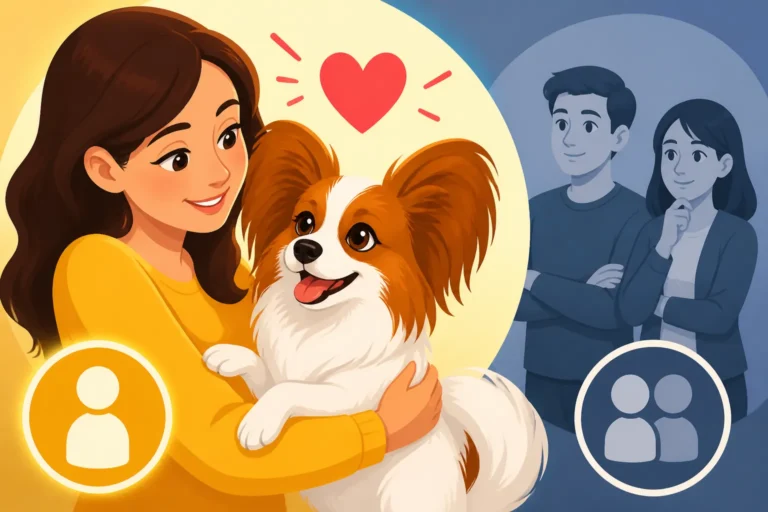
Papillon dogs form deep attachments to households and generally share their affection with multiple family members instead of one person.
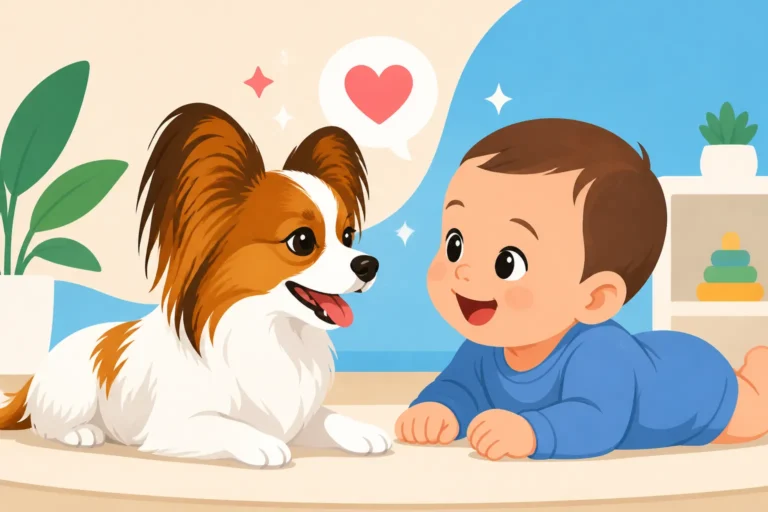
Papillon behavior around infants, including intelligence traits, bold personalities, and preparation steps for bringing a newborn home.
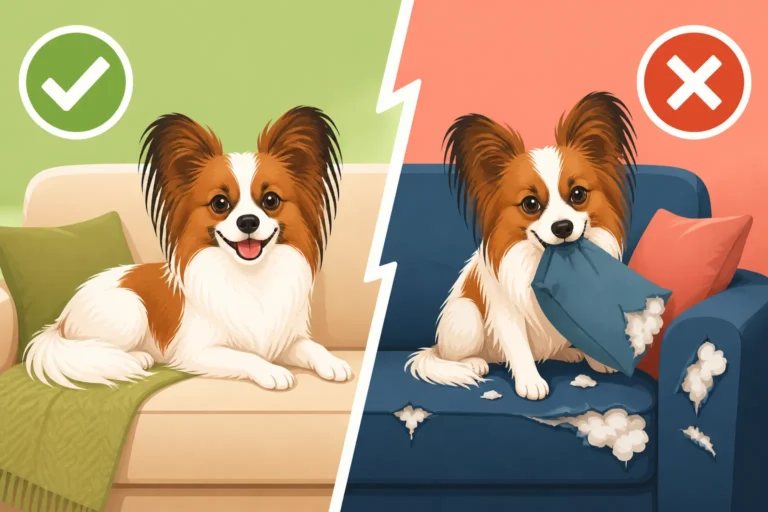
Papillon sofa safety involves jumping risks, fragile bones, and kneecap issues from small falls onto hard hardwood floors.
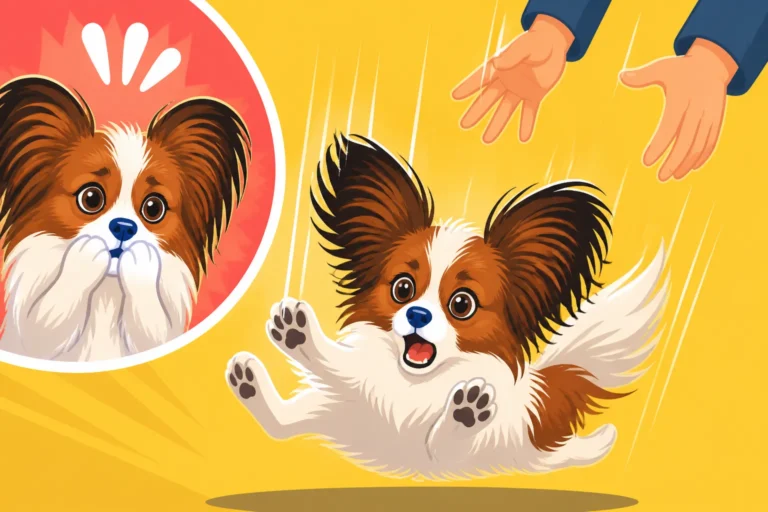
A dropped Papillon faces potential injuries like fractures and shock, requiring immediate veterinary consultation and careful physical checks.
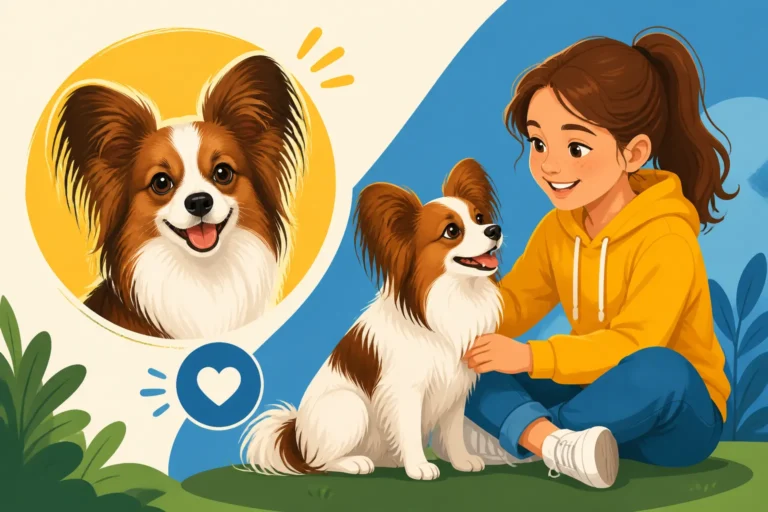
Papillon temperament and physical vulnerabilities explain why these delicate dogs thrive best in homes with older children.
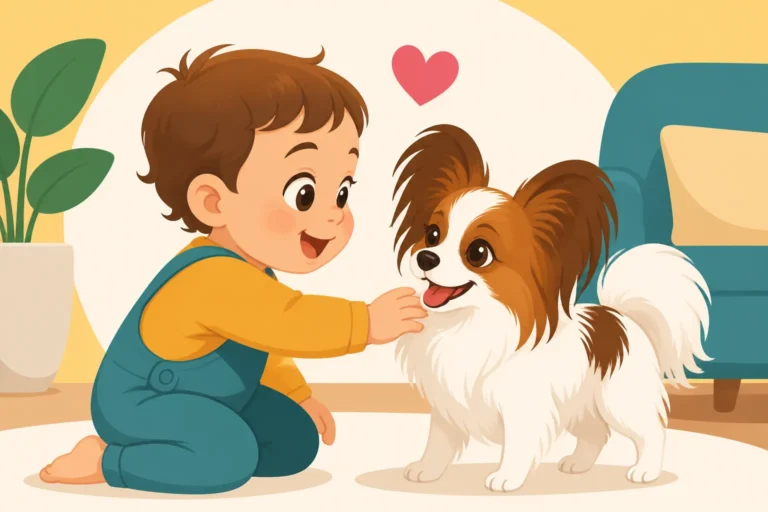
Papillon and toddler interactions require careful management to prevent injuries from significant size differences and sudden movements.
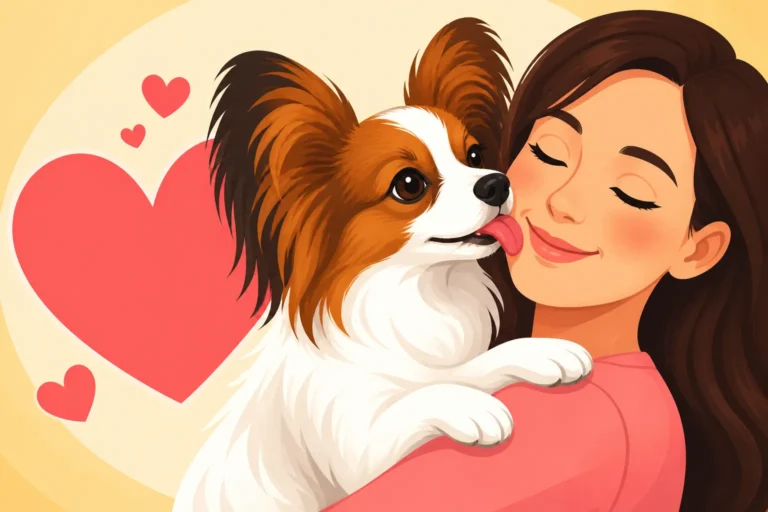
Papillon affection behaviors including room-to-room following, lap warming, and happy tail wags reveal how these dogs show love.
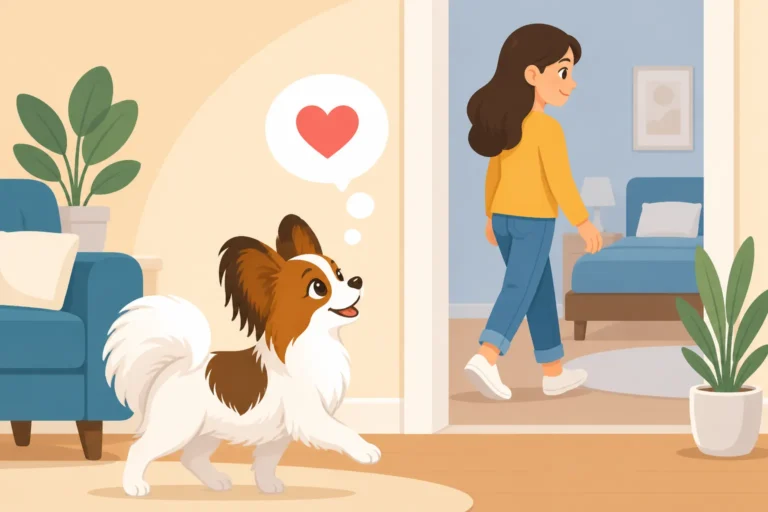
Papillon shadowing behaviors stem from their historical companionship, high intelligence, and deep emotional bonds with humans.
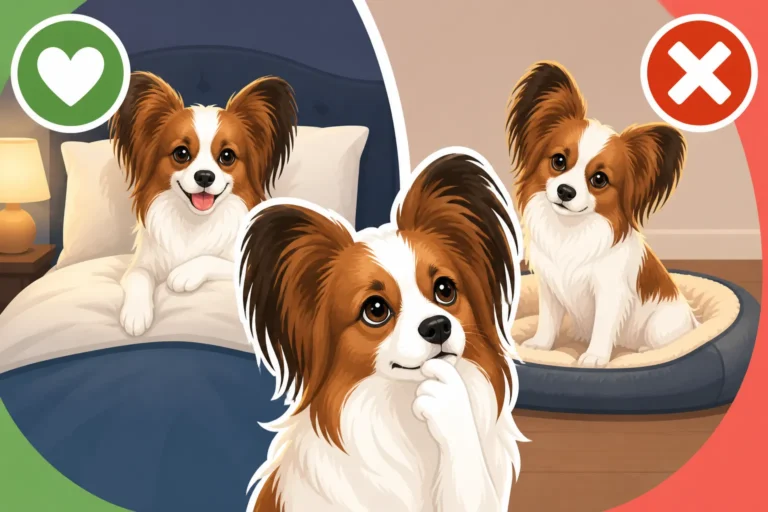
Papillon bed-sharing pros and cons including enhanced bonding, reduced anxiety, sleep disruptions, hygiene concerns, and injury risks.
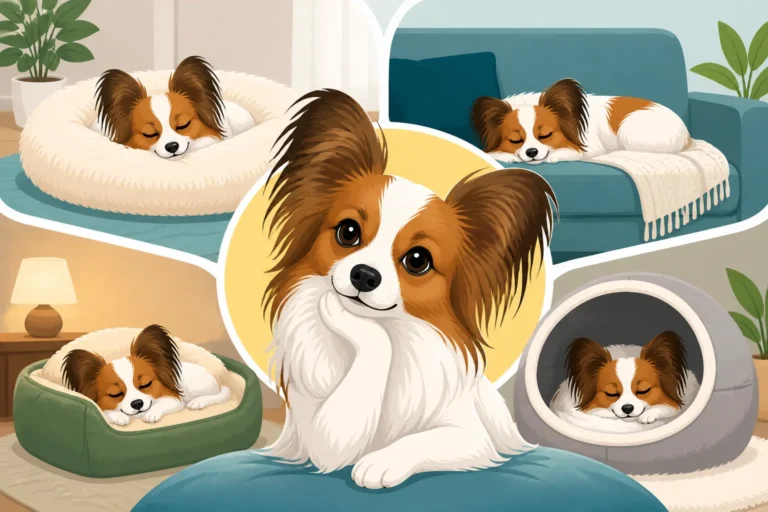
Papillon sleep preferences reveal natural instincts for pack proximity, security, comfort, and warmth in small enclosed spaces.