How a Papillon Does Behind a Shared Wall
Apartment living with an alert Papillon involves managing keen hearing and vocal instincts behind shared walls to prevent neighbor complaints.
Work with the temperament you have.
House-training and crate work, recall, leash manners, separation anxiety, and the behaviors this breed is wired for.
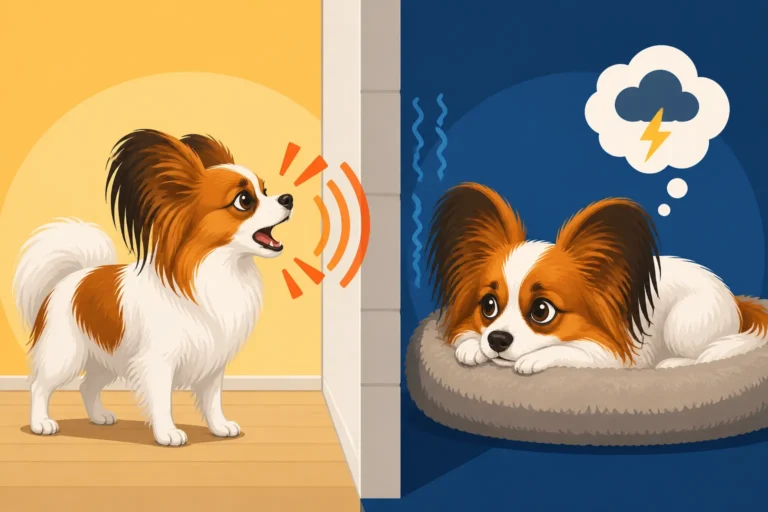
Apartment living with an alert Papillon involves managing keen hearing and vocal instincts behind shared walls to prevent neighbor complaints.

Papillon barking triggers, watchdog instincts, and practical communication strategies help owners manage noise complaints and keep neighborhood peace.

Papillon barking management techniques help owners stop excessive noise by teaching intelligent dogs to alert once and settle quietly.

Papillon vocalizations when left alone stem from boredom, sensitivity, or separation anxiety, requiring careful observation of triggers.

Papillon barking behavior stems from excitement, fear, or leash frustration, explained with practical management strategies for owners.

Papillon door barking stems from natural watchdog instincts and sharp senses, explaining why these dogs act as early alarms.

Outdoor barking triggers for Papillons include sharp senses and watchdog instincts, explained with strategies to manage this behavior.

Papillon barking stems from their history as alert dogs and high intelligence, explaining their vigilant watchdog instincts.

Papillon digging behavior stems from ancestral instincts, boredom, and anxiety, requiring proper management and redirected activities.
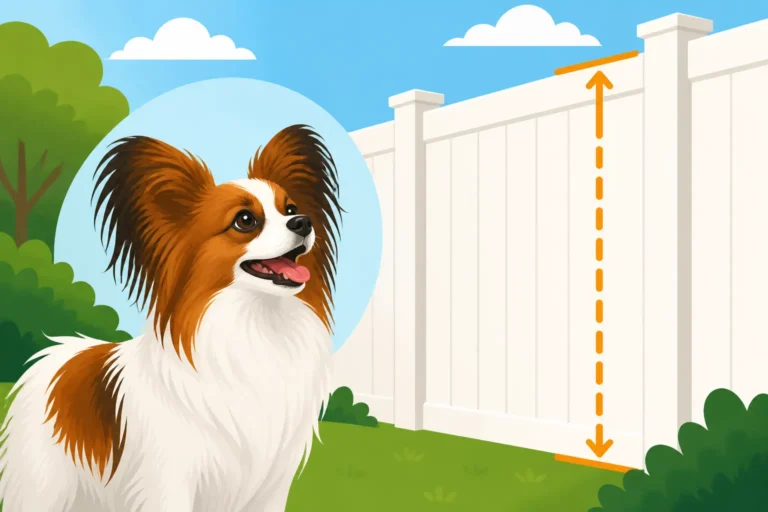
Papillon fence requirements depend on their surprising athleticism, agility, intelligence, and prey drive to escape yards.