Why a Papillon Bolts Through Doors
Papillon door-bolting behavior stems from prey drive, curiosity, and pent-up energy, alongside strategies to keep them safe indoors.
Work with the temperament you have.
House-training and crate work, recall, leash manners, separation anxiety, and the behaviors this breed is wired for.
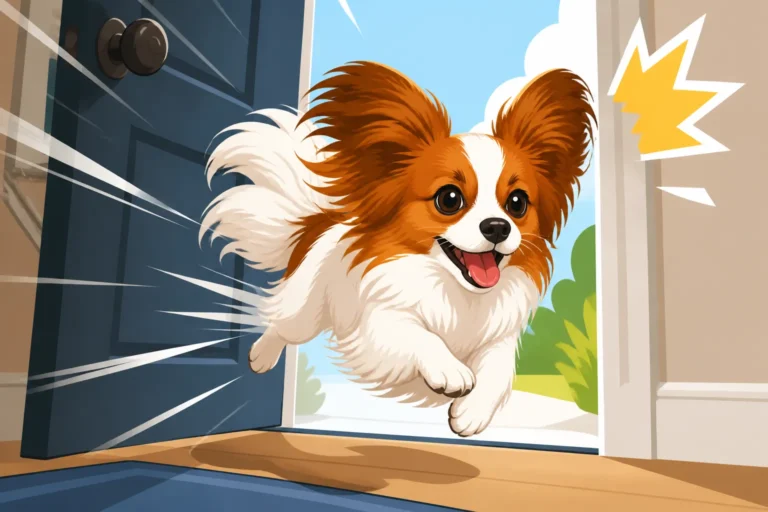
Papillon door-bolting behavior stems from prey drive, curiosity, and pent-up energy, alongside strategies to keep them safe indoors.
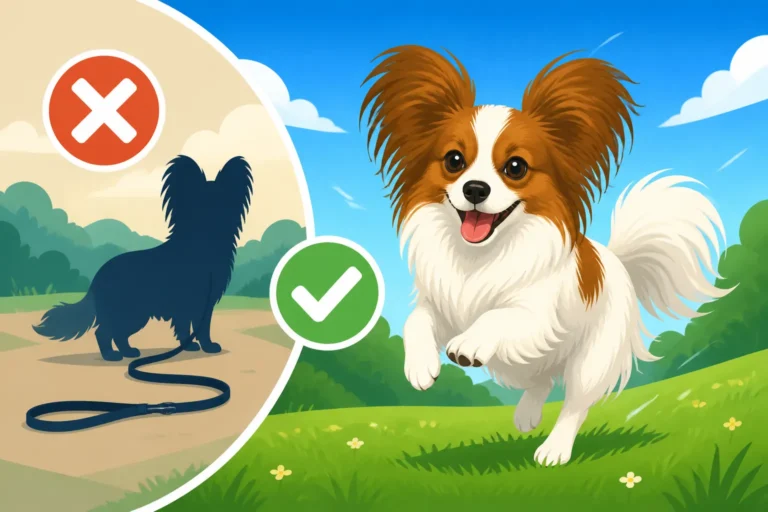
Papillon off-leash safety requires understanding their hunting heritage, prey drive, and powerful sensory distractions during walks.
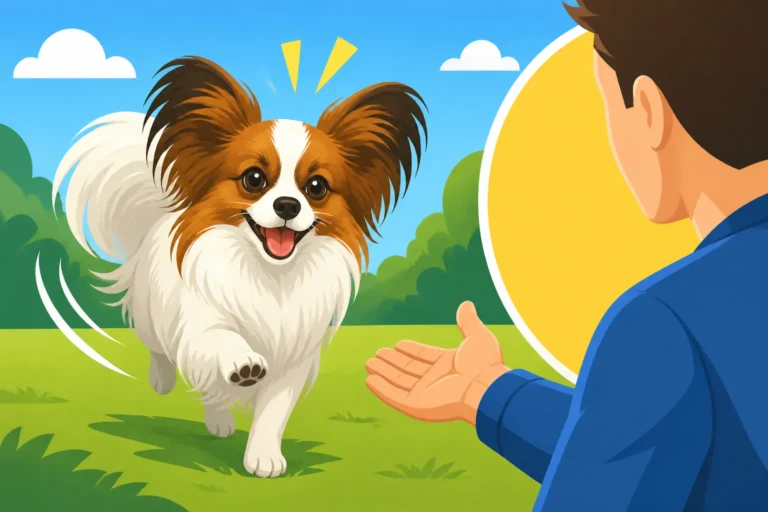
Papillon recall training helps owners build a reliable command to keep their smart, independent dogs safe during outdoor adventures.
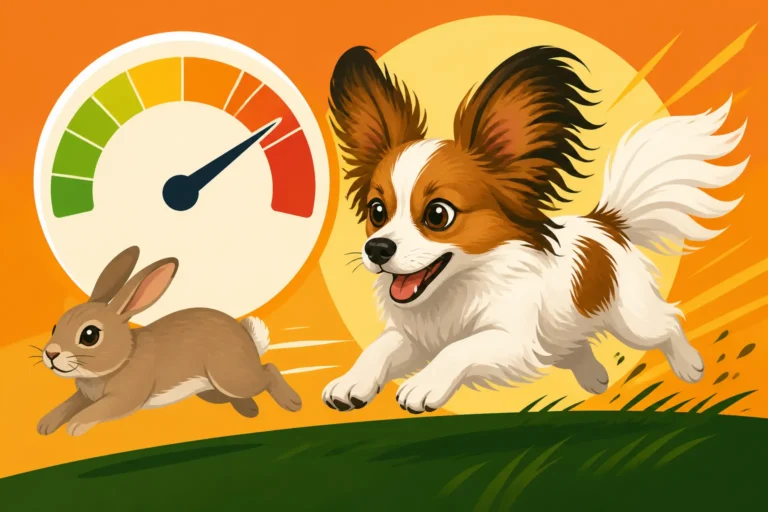
Papillon prey drive strength, including unexpected chasing behaviors, common movement triggers, and safe management methods for owners.
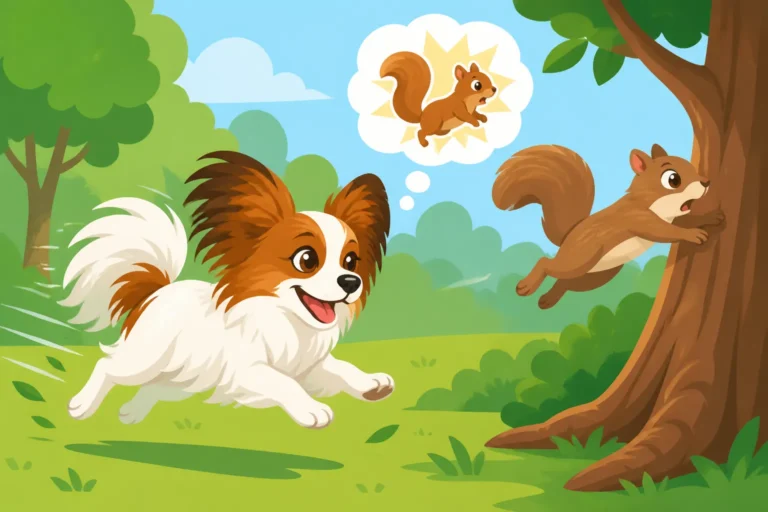
Papillon prey drive and hunting instincts explain why these intelligent lapdogs chase squirrels and how owners can manage them.
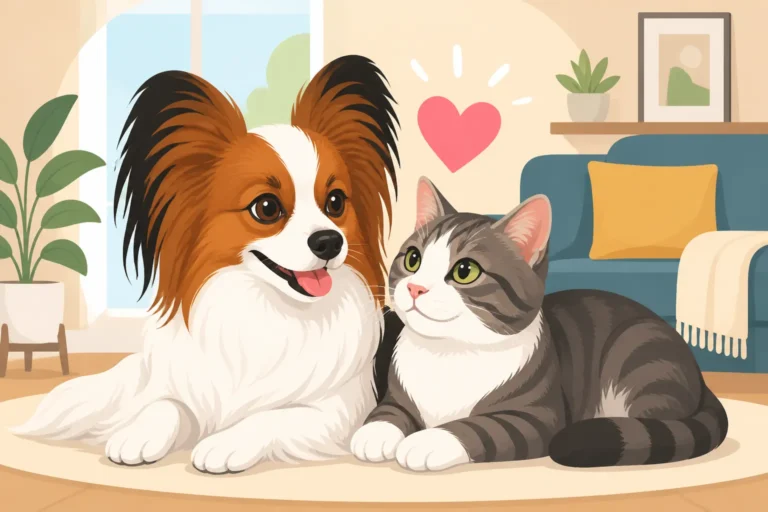
Papillon and cat coexistence requires understanding play styles, managing distinct communication signals, and respecting personal space for both pets.
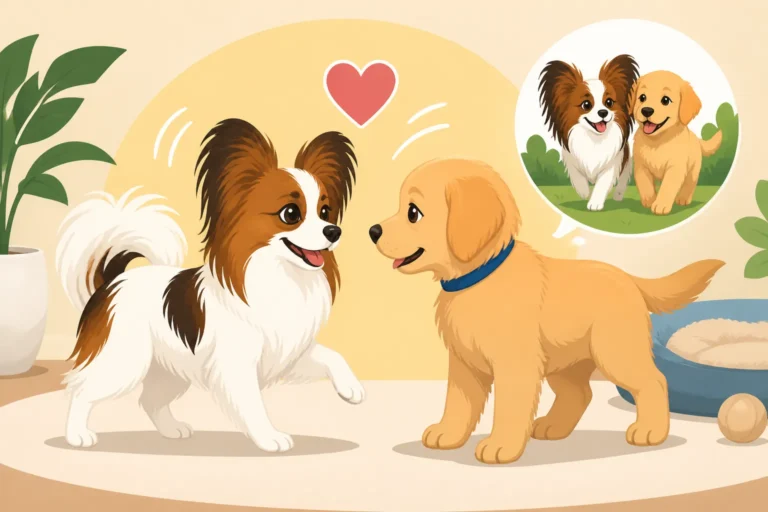
Papillon reactions to a new dog involve sensitive personalities, bold mentalities, predictable routines, and territorial instincts.
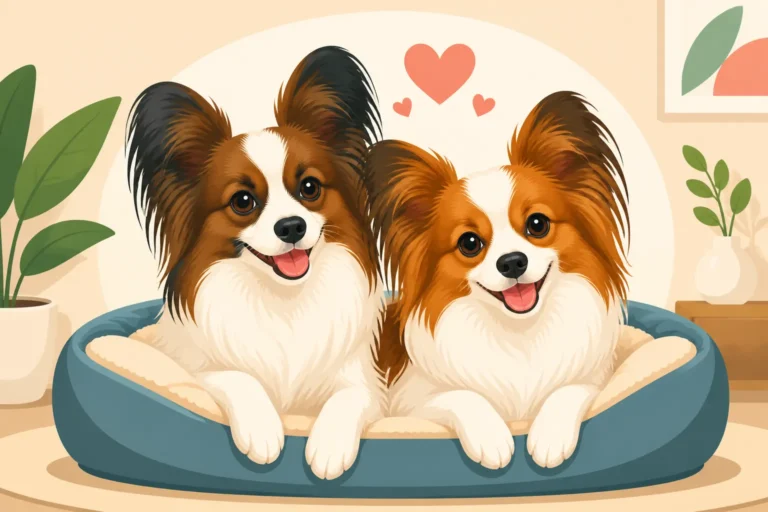
Integrating a second Papillon into your household requires assessing temperament and managing potential jealousy between dogs.
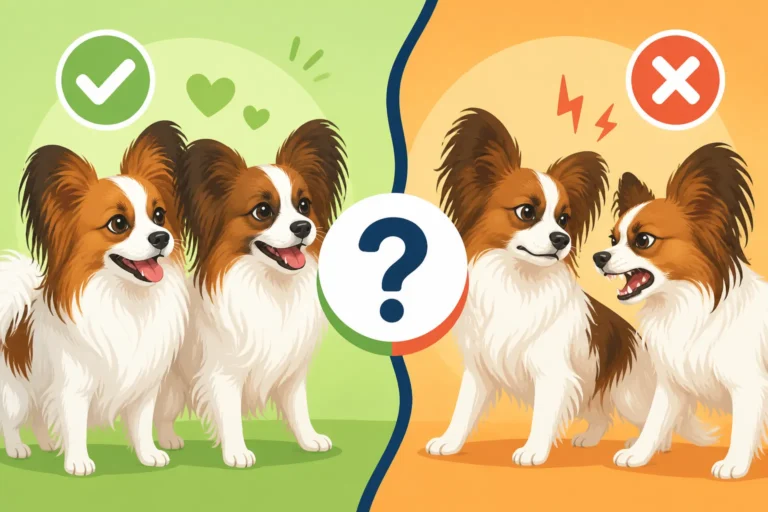
Two Papillons often share a sociable bond, using natural pack instincts and play styles to thrive together with proper introductions.
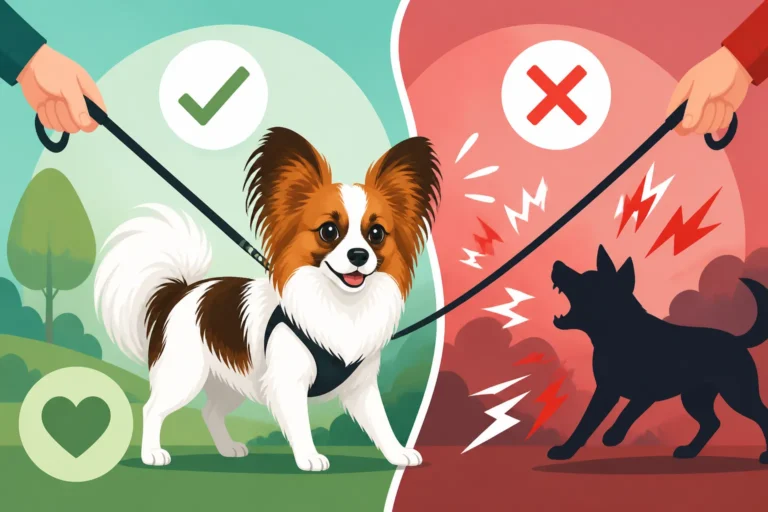
Papillon leash reactivity caused by fear and frustration includes barking, lunging, and spinning, with management methods.