Why a Papillon Should Look Fine Boned but Not Frail
Papillon bone structure details explain how fine boned proportion differs from weakness and frailty in toy dogs.
Is this the right one for you?
Origins and temperament, size and coat, what living with one is actually like, and how it compares to the breeds people weigh against it.
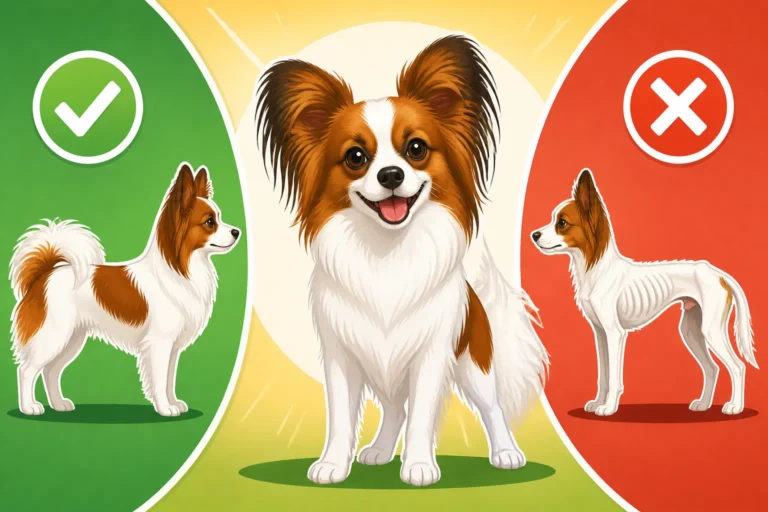
Papillon bone structure details explain how fine boned proportion differs from weakness and frailty in toy dogs.
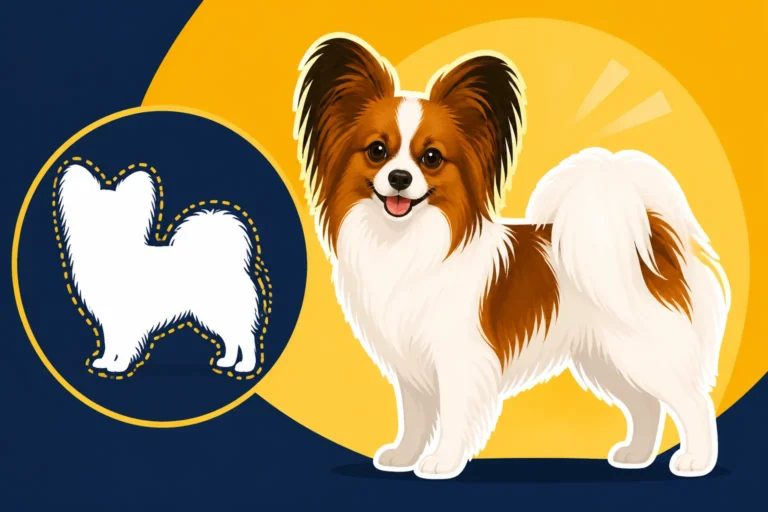
A correct Papillon outline combines a lightly built body, level topline, balanced chest, and proper head proportions.
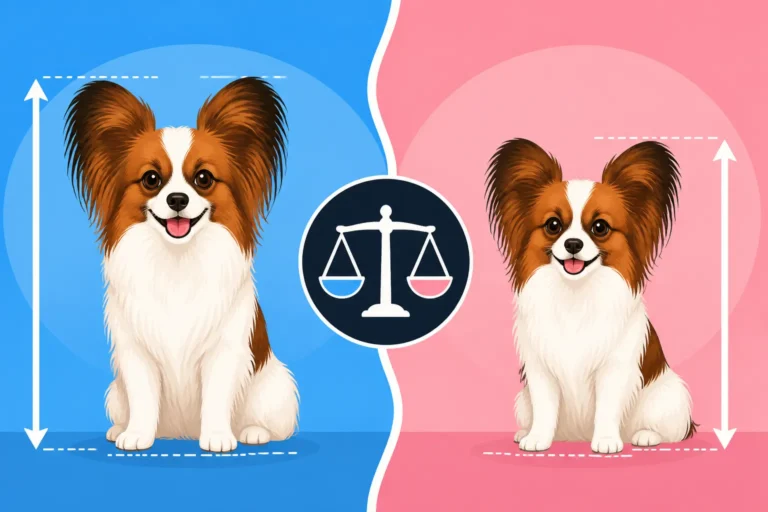
Papillon size differences between males and females, including height and weight ranges, build, and individual variation factors.

Papillon physical development timelines, height and weight tracking methods, and coat maturity signs for young puppies.
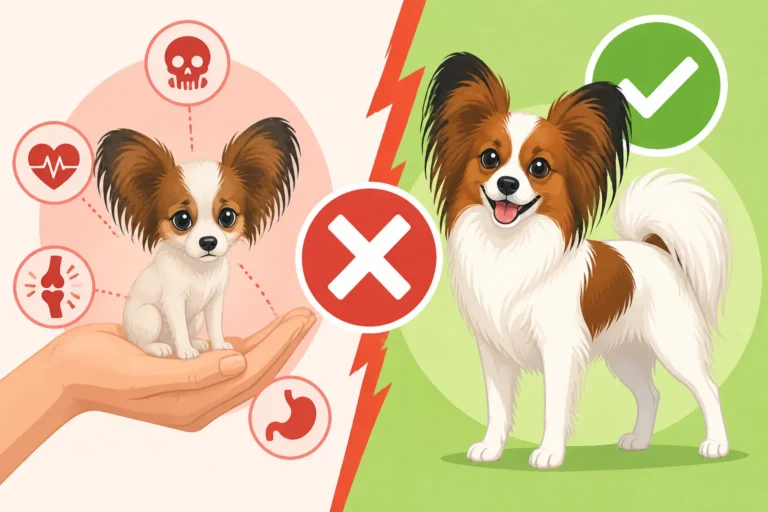
Very small Papillons and teacup labels present health, structure, and safety concerns explained through breed standards and veterinary checks.

The teacup Papillon is an unofficial marketing term with no consistent size definition or separate breed category.

Papillon height at the withers and breed standard rules determine whether oversized dogs can enter conformation shows.
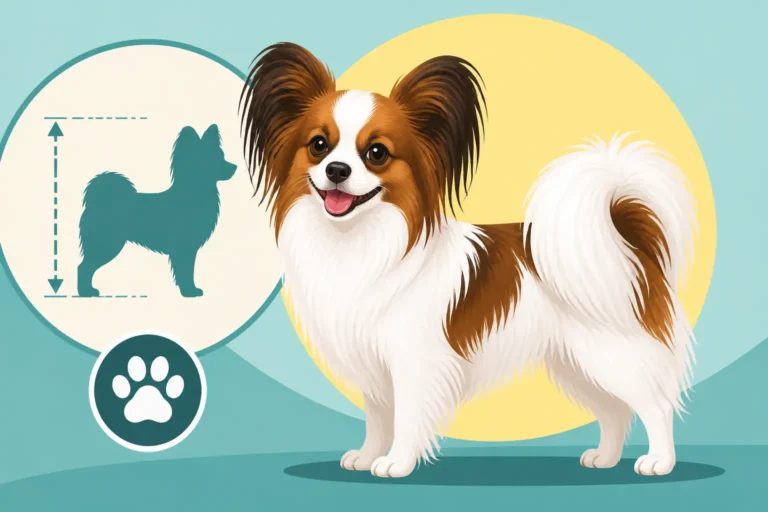
Standard Papillon height ranges from 8 to 11 inches at the withers, according to American Kennel Club breed standards.

Papillon population trends depend on kennel club registrations, local visibility, and varying records across different countries.

Agility increases the Papillon dog breed public profile, but it does not automatically make the breed more popular.