What a Papillon’s Emergency Fund Should Hold
A Papillon emergency fund covers patellar luxation surgery, dental cleanings under anesthesia, and unexpected veterinary care.
The price tag is the smallest number.
Purchase and adoption costs, insurance, routine vet care, food and grooming budgets, and the emergencies that change the total.

A Papillon emergency fund covers patellar luxation surgery, dental cleanings under anesthesia, and unexpected veterinary care.

Papillon owner regret regarding uninsured pets stems from unexpected veterinary bills and high specialist and surgical costs.

Wellness coverage pays for a Papillon dental cleaning if the separate pet plan includes routine preventive care like cleanings.

Papillon pet insurance premiums increase as dogs age because older animals face higher risks of developing health issues.

Papillon pet insurance deductibles explained through comparisons of annual and per-condition options to guide your financial choices.

Papillon pet insurance annual limits determine maximum yearly reimbursements for veterinary expenses, helping owners choose appropriate coverage caps.
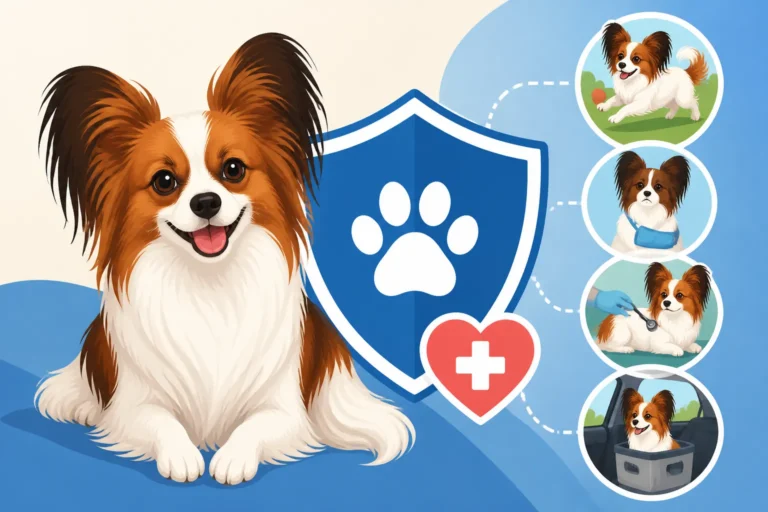
Pet insurance for a Papillon protects against hereditary conditions like patellar luxation if secured early before diagnoses occur.
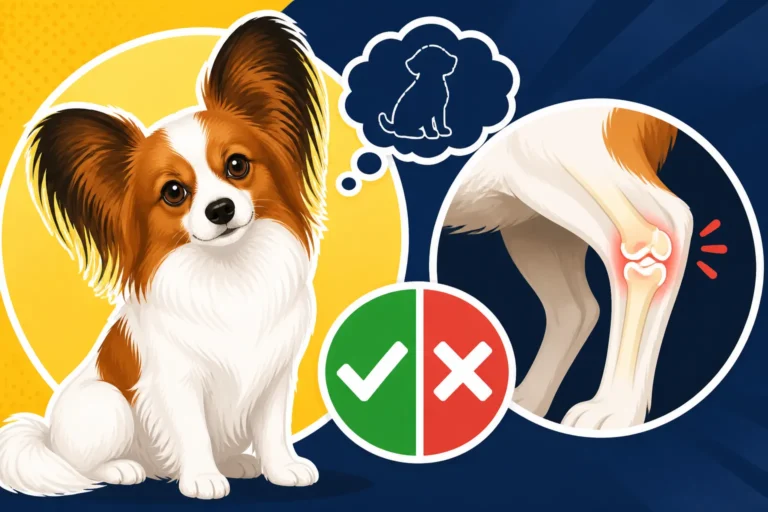
Papillon patellar luxation classification affects insurance coverage, explaining whether this knee condition counts as congenital or hereditary.

Pet insurance waiting periods and pre-existing conditions determine if policies cover patellar luxation and knee claims for Papillons.

Papillon orthopedic consult costs, including physical exams, specialist fees, X-rays, and advanced diagnostic imaging procedures.