Which Italian Painters Put a Papillon Ancestor in a Portrait
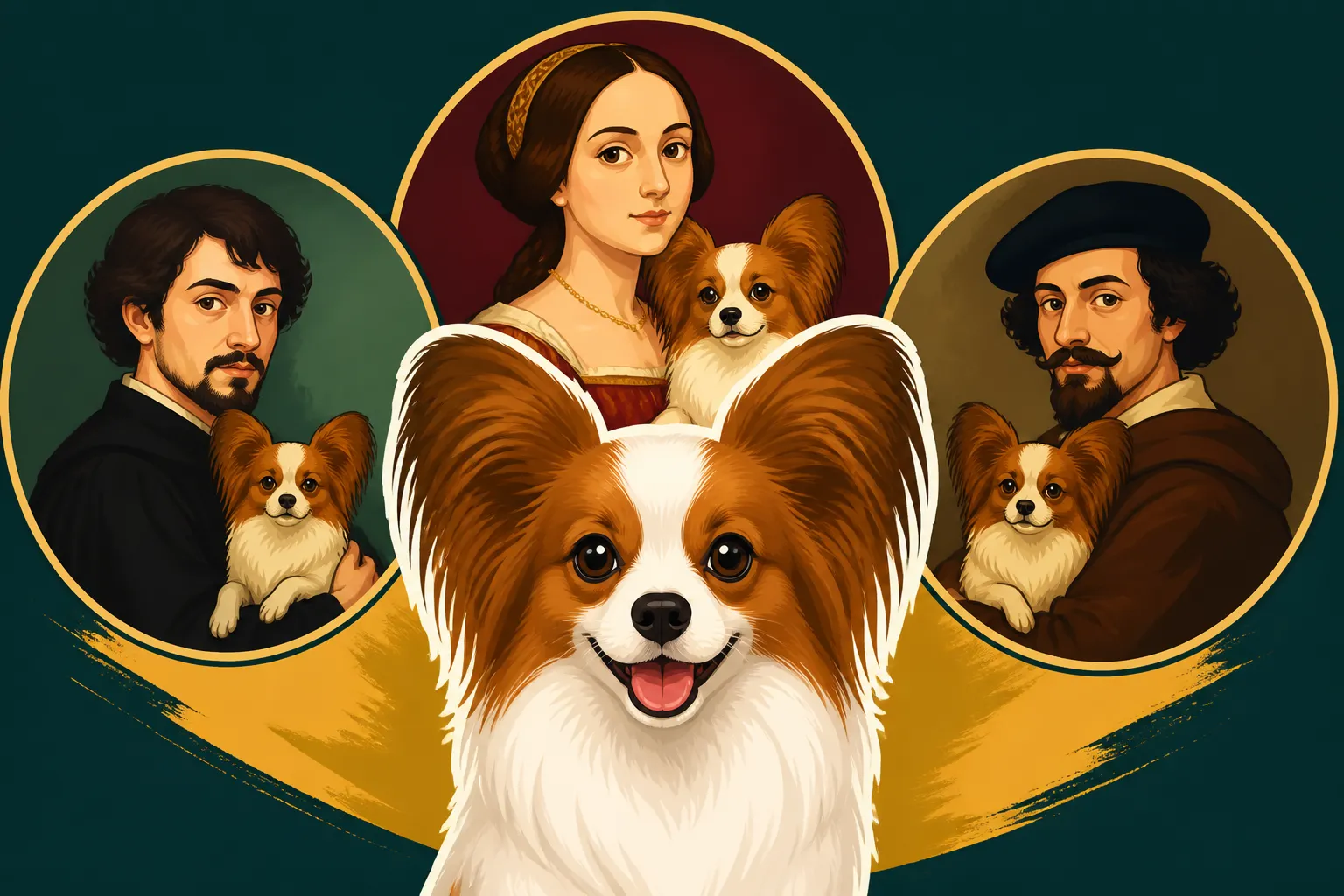
It's always fascinating to trace the lineage of our beloved Papillons back through history, especially when you consider how long they've been by human sides. Many of us see these little butterfly-eared companions today and can't help but wonder about their journey, how they came to be, and if the sophisticated, charming dogs we know now have always been so. One of the most common questions is whether these tiny treasures appear in famous artworks, particularly from periods like the Italian Renaissance. It can be frustrating to find definitive answers when art history often uses broad terms for "small dogs," but rest assured, the ancestors of our Papillons absolutely left their paw prints in some truly iconic Italian paintings. This guide will delve into which Italian painters were known for immortalizing these early toy spaniels.
The Papillon's Ancestors in Early European Art
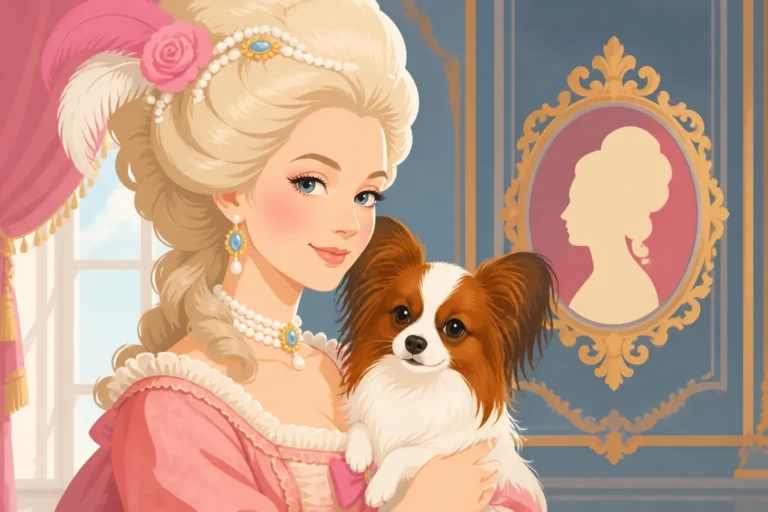
Before the distinct "Papillon" with its erect, butterfly ears became prevalent, its predecessors were known more broadly as "dwarf spaniels" or "Continental Toy Spaniels." These charming little dogs were popular companions among European aristocracy and royalty for centuries. Italy, with its vibrant Renaissance art scene, was no exception, offering a window into the lives of these early toy breeds.
Beyond Just "Dwarf Spaniels"
When you look back through art history, you'll often encounter the term "dwarf spaniel" or "toy spaniel." This wasn't a specific breed name as we understand it today, with precise standards and pedigrees. Instead, it was a catch-all for any small, long-haired dog with spaniel-like features that was kept as a companion rather than for hunting or herding. These dogs were treasured lap warmers, status symbols, and beloved pets in an era when dogs often had more utilitarian roles. The little dogs you see curled up on laps or standing attentively by their owners in these old paintings are very much the genetic cousins, or even direct ancestors, of our modern Papillons. They represent a continuum of selective breeding for small size, luxurious coats, and affectionate temperaments that eventually led to the Papillon and its drop-eared counterpart, the Phalene. It's a common frustration for modern dog enthusiasts to find such vague terminology, but these artists were capturing the essence of a cherished companion, not necessarily documenting breed lineage for a kennel club.
Italy's Unique Contribution to the Breed's Early Portrayal
Italy, especially during the Renaissance, was a hub of artistic innovation and a cradle of aristocratic culture. Wealthy patrons, from powerful merchant families like the Medici to various dukes and doges, commissioned countless portraits, historical scenes, and mythological works. It was a time of immense personal pride and display, and what better way to show off one's refined taste and status than by including a cherished, exotic, and often expensive pet in a portrait? These small dogs were a luxury item, a living jewel, and a symbol of domestic tranquility and gentility. The artistic conventions of the time, emphasizing realism and detailed observation, meant that these artists captured the features of these little dogs with considerable accuracy. This makes Italian Renaissance paintings particularly valuable for understanding the appearance and social role of the Papillon's ancestors.
Titian and the "Titian Spaniel"
When it comes to Italian painters and the Papillon's early ancestors, one name stands out above all others: Titian. Tiziano Vecellio, the undisputed master of the Venetian school, is perhaps the most significant figure in depicting these charming little dogs, so much so that the early version of the breed was often referred to as the "Titian Spaniel."
The Master of Venetian Color and Canine Companions
Titian (c. 1488/1490 – 1576) was renowned for his rich use of color, his dramatic compositions, and his ability to convey character and emotion. His portraits of nobles, cardinals, and even mythological figures often include small, elegant spaniel-like dogs. These canine companions are never mere accessories; they are integral to the composition, adding life, depth, and often symbolic meaning to the painting. In his works, you can see these dogs lying at the feet of powerful women, nestled in their laps, or peering out from behind lavish curtains. They are depicted with long, silky fur, usually in shades of red and white or gold and white, and always with those characteristic drop ears that give the Phalene its name today. Their presence speaks volumes about the value placed on these pets within the opulent Venetian society. For instance, in his famous painting of Federico II Gonzaga, the dog is very much a part of the family portrait, a clear sign of its status.
What a Titian Spaniel Looked Like
The dogs in Titian's paintings, often identified as "Titian Spaniels," give us a clear visual record of what the Papillon's direct ancestors looked like. They were consistently small, compact dogs, clearly bred for companionship. Their coats were depicted as long and flowing, often with feathering on the ears, tail, and legs, much like a modern Papillon. The most striking feature, and the key differentiator from the modern Papillon, was their ears: they were invariably drop ears, much like those of the Phalene. This is why when we discuss the lineage, we are talking about the Continental Toy Spaniel, which includes both ear types, with the drop-eared variant being dominant in earlier depictions. Titian Painted the Dog the Papillon Came From delves deeper into this particular artistic legacy.
The coloration typically seen in Titian's work is often a rich red and white, or tri-color, with distinct patches of color over the body and face, contrasting with a predominantly white body. Their expressions are usually alert, gentle, and intelligent, reflecting the affectionate nature these dogs were known for. They often have delicate, pointed muzzles and dark, expressive eyes, much like their descendants today. It's clear from these artistic records that these dogs were cherished members of their aristocratic households, allowed on furniture and included in formal sittings, a testament to their valued position.
Other Italian Masters and Their Canine Subjects
While Titian might be the most famous for his "Titian Spaniels," he certainly wasn't the only Italian painter to include small companion dogs in his work. Other masters across the Italian peninsula also contributed to the visual history of the Papillon's ancestors, offering further glimpses into their prevalence and appearance.
Veronese's Lavish Canvases and Small Dogs
Paolo Veronese (1528–1588), another titan of the Venetian Renaissance, was celebrated for his grand, often theatrical, historical and religious canvases, brimming with opulent details, vibrant colors, and numerous figures. Amidst the elaborate architecture, rich fabrics, and crowds of people, you can often spot small dogs, serving to add a touch of realism, domesticity, or even symbolic meaning to his scenes. While Veronese's dogs might not have the specific "Titian Spaniel" designation, they certainly belong to the same lineage of beloved dwarf spaniels.
In many of his large-scale feasts or allegories, these little dogs are seen interacting with the human figures, sometimes playfully, sometimes with an air of dignified presence. They typically feature the same long, silky coats and drop ears seen in Titian's works, confirming the widespread popularity of this type of companion dog among the wealthy elite. Their inclusion in such prominent and lavish settings reinforces the idea that these dogs were not just pets, but integral parts of the aristocratic lifestyle, reflecting the status and refinement of their owners.
Beyond Venice: Florence and Rome's Artistic Contributions
While Venice certainly holds a special place in the artistic history of the Papillon's ancestors, the popularity of these small companion dogs was not confined to one city-state. Throughout the various art centers of Italy – from Florence, the birthplace of the Renaissance, to the papal courts of Rome – small dogs frequently appeared in portraits and genre scenes. Painters like Bronzino in Florence, known for his Mannerist portraits, occasionally included dogs that fit the "dwarf spaniel" description, although perhaps less consistently or prominently than the Venetian masters.
The general trend across Italy was for the wealthy to keep these dogs, and therefore, for artists to depict them. It's less about finding a specific "Bronzino Spaniel" and more about recognizing that the type of dog – small, long-haired, companionable, and with drop ears – was ubiquitous among the elite. These artistic records, while sometimes sparse outside of Venice, confirm that the cultural appreciation for these delicate dogs was pan-Italian. They show us how deeply embedded these charming animals were in the fabric of aristocratic life, a testament to the enduring appeal of the Papillon's ancient lineage. The continuity of their depiction across different regions helps us understand that these weren't isolated instances but a widespread phenomenon, underscoring The Papillon Has Seven Hundred Years of Portraits Behind It.
The Evolution of the Papillon Through Art
Art provides an invaluable, albeit sometimes indirect, historical record of how our beloved breeds have changed over time. For the Papillon, it's a visual journey from its drop-eared beginnings to the iconic butterfly ears we cherish today.
From Drop Ears to Butterfly Ears
The most significant evolution in the Papillon's appearance, as documented through art, is the shift in ear carriage. As we've explored, early Italian Renaissance paintings overwhelmingly depict the drop-eared variant, the Phalene (French for "moth," referring to its moth-like ears). These are the "Titian Spaniels" and the dogs seen in Veronese's works. The erect, butterfly-like ears, which give the Papillon its name (French for "butterfly"), are believed to have emerged later, likely in the 17th or 18th century, primarily in countries like France and Belgium.
This means that while Italian painters were instrumental in capturing the ancestors of the Papillon, they primarily showcased the drop-eared version. The definitive "butterfly ears" began to appear in later European art, signalling a deliberate breeding choice that eventually led to the Papillon as we know it. So, when you look at an Italian Renaissance painting with a small spaniel, you're almost certainly seeing a Phalene ancestor, rather than a modern-day Papillon with erect ears. It's a fascinating look at how breeders influenced the physical characteristics of the breed over centuries. To understand this transition further, one might explore Papillon Means Butterfly and Phalene Means Moth.
Why Art Provides a Unique Historical Record
Historical paintings offer a unique and often vivid glimpse into the past, providing concrete visual evidence that complements written records, which can sometimes be sparse or open to interpretation. For dog breeds, and specifically for the Papillon's ancestry, these artworks are priceless. They show us:
- Physical Appearance: How small these dogs truly were, the length and texture of their coats, their common colorations, and the defining characteristic of their drop ears.
- Social Status: Their inclusion in portraits of the elite unequivocally demonstrates their role as cherished companions and symbols of wealth and sophistication. They weren't just utility dogs; they were members of the household, often seen in luxurious settings.
- Interaction with Humans: The way the dogs are posed, their expressions, and their proximity to their owners reveal the deep bond that existed, suggesting they were well-loved and integrated into family life. This historical affection for the breed continues to this day, making them a popular choice for many, as discussed in Who the Papillon Actually Suits.
- Geographic Distribution: By observing which artists in which regions depicted these dogs, we can infer their spread across Europe, starting prominently in Italy.
Without these artistic records, our understanding of the Papillon's journey from a generic "dwarf spaniel" to a distinct breed would be far less rich and detailed. They bridge the gap between fragmented written accounts and the living, breathing dogs we know and love today. It's a powerful reminder that every time you see an old master's painting featuring a small dog, you could be looking directly into the eyes of a Papillon's distant relative.
Here’s a quick overview of some notable Italian painters and the characteristics of the Papillon ancestors they depicted:
| Painter | Era | Notable Characteristics of Dogs Depicted | Ear Type | Significance to Papillon Ancestry |
|---|---|---|---|---|
| Titian | High Renaissance | Small, long silky fur, often red & white or tri-color, alert expressions, delicate muzzles. | Drop ears (Phalene type) | Most prominent, his dogs are often called "Titian Spaniels." |
| Paolo Veronese | Late Renaissance | Similar to Titian's, included in lavish, grand scenes as companions and status symbols. | Drop ears (Phalene type) | Reinforces widespread aristocratic ownership in Venice. |
| Agnolo Bronzino | Mannerist | Less frequent, but small, elegant companion dogs occasionally appear in his Florentine portraits. | Drop ears (Phalene type) | Shows prevalence of dwarf spaniels beyond Venice. |
| Giovanni Bellini | Early Renaissance | Occasionally depicted small, quiet dogs in domestic or religious scenes, reflecting their humble origins as pets. | Drop ears | Earliest Italian examples, showing the type's long history. |
These historical details are truly fascinating, especially when you consider How Long a Papillon Lives and how much history they’ve seen through their human companions. When considering adding a Papillon to your family, understanding their rich past can be a rewarding part of the experience. And for modern Papillon care, reputable brands like Chewy offer a wide range of products that cater to their unique needs, from their delicate teeth to their beautiful coats.
Disclaimer
This article is for general informational purposes only and does not constitute professional advice. Laws, prices and regulations vary by location and change over time. Consult a qualified professional for guidance on your specific situation.