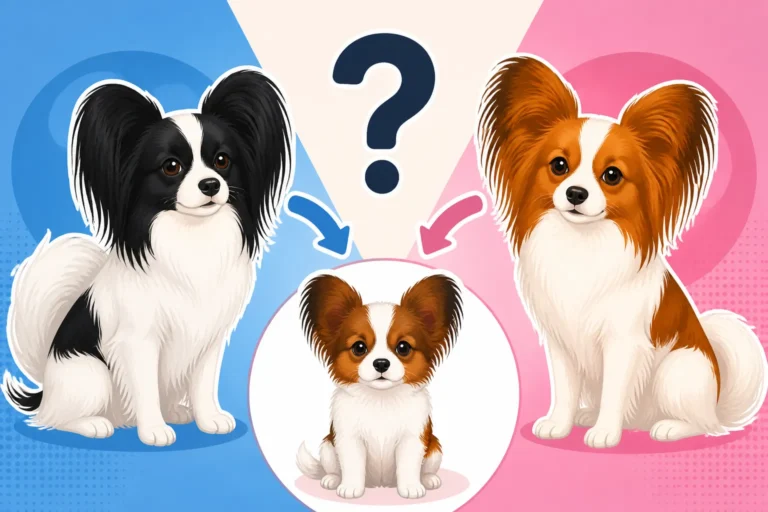
Where the Papillon Sits in AKC Popularity
The Papillon is recognizable, lively, and easy to underestimate—but it is not usually among the most registered dogs in the United States. That can make its AKC popularity rank seem surprising, especially when you meet one at agility or see its distinctive ears online. This guide explains what the ranking measures, where the breed generally sits, and what that means for people hoping to find one.
What the AKC popularity ranking measures
The ranking is based on registrations, not every dog in the country
The American Kennel Club’s breed popularity list is built from its registration records. In practical terms, it reflects how many eligible purebred dogs are registered with the organization, not a census of every dog living in the United States. Dogs registered with other organizations, dogs whose owners never complete registration, and mixed-breed dogs are not counted in the same way.
That distinction matters when interpreting the Papillon’s position. A breed can be familiar to dog lovers without being especially common in households overall. Papillons appear in dog sports, at shows, and in breed-focused communities, so you may encounter them more often than their registration rank alone would suggest.
The ranking is also not a measure of quality. A higher position does not mean a breed is healthier, easier to train, better suited to families, or more deserving of attention. It simply indicates more registrations within the AKC’s reporting system than breeds placed below it.
A lower number means more registrations
In a ranked list, the breed near the top has more registrations than breeds farther down. That can feel backward if you are used to thinking of a “higher rank” as a bigger number, but a lower numerical position signals greater popularity in this system.
The order can shift from one list to another. Changes in breeder activity, owner interest, and registration patterns can move a breed up or down without transforming its everyday character. A small shift should not be treated as proof that a breed is suddenly becoming fashionable or disappearing.
If you want a fuller picture of how registration totals and popularity are discussed, see How Many Papillons Are Registered a Year and Where the Papillon Sits in AKC Popularity. The annual ranking is one useful indicator, but it is only one piece of the picture.
Where the Papillon generally sits among AKC breeds
A recognized breed outside the most popular group
The Papillon is generally not a top-of-the-list breed by AKC registration volume. It tends to sit in the broad middle portion of the rankings rather than alongside the breeds that consistently attract the largest numbers of registrations. That makes it less common than many familiar household breeds, while still far from an obscure breed with almost no organized presence.
This middle-ground status fits the Papillon’s profile. It has a long history, a devoted following, and a clear identity, but it is not as widely kept as some larger or more frequently advertised companion dogs. Its compact size and striking butterfly-like ears make it memorable; its lower registration volume means that not everyone has met one in person.
The breed’s position is best read as “established but not mass-market.” That is different from saying the Papillon is rare in an absolute sense. For a broader look at whether the breed is genuinely uncommon, read How Rare the Papillon Is. The answer depends partly on what you mean by rare: hard to recognize, difficult to find from responsible sources, or simply less numerous than the most popular breeds.
Why a clever, sporty dog may not rank higher
Popularity is not a direct reward for intelligence or athletic ability. Papillons can excel in training and dog sports, but those traits do not automatically translate into a large number of registrations. People choose breeds for many reasons, including size, appearance, exercise expectations, grooming preferences, and how well a dog fits their household.
A Papillon’s small frame can be a practical advantage in some homes, but it also calls for thoughtful handling. A very small dog may be vulnerable around rough play, busy households, or larger dogs that do not understand its size. The breed’s energy and alertness can also surprise people who expect a toy dog to be content with a lap and a short stroll.
Popularity may be influenced by visibility, too. Breeds that appear frequently in advertising, entertainment, or public conversation can attract more casual interest. Papillons have a strong following among people who value training and companionship, but they may be less familiar to someone choosing a dog based mainly on what they see around the neighborhood. Their character is explored further in Whether the Papillon Is More Dog Than It Looks.
What the Papillon’s popularity means for finding one
Be prepared to search beyond the nearest litter
A breed that is not among the most registered may have fewer litters available nearby than a high-volume breed. That does not mean you must travel across the country, but it can mean waiting for a suitable litter or widening your search beyond your town. Responsible breeders may plan litters carefully rather than having puppies available at all times.
This is a situation where patience matters. If a seller can offer an immediate puppy but cannot explain health testing, the parents’ temperaments, or how puppies are raised, convenience should not outweigh those unanswered questions. Ask what health information is available, how the breeder matches puppies to homes, and what support is offered after a puppy goes home. Whether Papillon Breeders Are Hard to Find offers more detail on the search.
Consider rescue and rehoming as well as breeders. A rescue Papillon may be an adult, a senior, or a dog whose background is only partly known. That can be a lovely fit for someone who is open to a dog with an established personality, though it may require extra questions about health, behavior, and the transition into a new home. See Whether Papillon Rescues Are Breed Specific for more on finding breed-focused help.
Use popularity as context, not as a reason to rush
When a breed is less common in a particular area, it is easy to feel that you need to act quickly when a puppy appears. Try not to let scarcity pressure you into skipping basic checks. A careful process gives you a better chance of finding a dog whose needs fit your household, whether that dog comes from a breeder or a rescue.
Here is a practical way to keep the search grounded:
- Decide whether you are open to a puppy, an adult, or either.
- Make a list of questions about health, temperament, socialization, and support.
- Speak with more than one source when possible, so you can compare answers rather than relying on a single seller’s claims.
- Budget for routine care and possible unexpected veterinary expenses before bringing a dog home.
- Take time to consider whether the Papillon’s alertness, activity level, and small size suit your daily life.
The breed’s popularity position cannot tell you whether a particular dog is right for you. It can, however, help set expectations: finding a well-matched Papillon may take some planning, and the first available puppy is not necessarily the best choice.
Choosing a Papillon beyond the ranking
Match the dog to your home and routine
A popularity list cannot show you what it is like to live with an individual dog. Before deciding, think about the routines that shape everyday life: time alone, exercise, training, noise, grooming, and safe handling. Papillons are bright and attentive, and many enjoy having a job to do, even if that job is learning tricks or practicing a short training game at home.
Their size is worth considering in a practical, not sentimental, way. A small dog can fit comfortably into many living situations, but it still needs supervision around children, large dogs, stairs, and furniture it might leap from. If your household is busy, everyone should understand how to pick up and handle a little dog gently. For a closer look at household fit, read Whether the Papillon Suits a Family.
Planning for ordinary care can also make the transition easier. Owners commonly need to think about appropriately sized equipment, food, grooming tools, and dental care. Chewy is one place some households use to compare routine pet supplies, while local pet shops can be helpful when you want to check an item’s size or feel before buying. For a Papillon, fit matters: a harness, carrier, or bed that works for a larger dog may be awkward for a small one.
For feeding and daily care, compare products and advice with your veterinarian rather than assuming that a breed’s small size means its needs are simple. Chewy may be useful for browsing supplies, but a retailer cannot assess an individual dog’s nutrition or health. If dental care is on your planning list, The Teeth in a Papillon's Small Jaw explains why small mouths deserve particular attention.
Think about long-term fit, not short-term demand
A breed’s registration rank can influence how often you see it, but it should not be the deciding factor in choosing one. A popular dog is not automatically easier to live with, and a less common dog is not automatically a better match. What matters is whether the breed’s daily needs and temperament work for the people who will care for it.
Papillons can be lively companions who enjoy learning and spending time with their people. That can be rewarding, but it also means they benefit from regular attention and mental engagement. Someone looking for a very low-interaction pet may find the breed more demanding than expected. Someone who enjoys training, play, and an involved companion may find those qualities especially appealing.
Chewy can be a convenient option for comparing everyday supplies once you know what suits your dog, but thoughtful preparation matters more than buying a particular product. Build a realistic plan for veterinary care, training, safe exercise, grooming, and companionship. If you are considering the breed, Who the Papillon Actually Suits can help you weigh those considerations against your own lifestyle.
Disclaimer
This article is for general informational purposes only and does not constitute professional advice. Laws, prices and regulations vary by location and change over time. Consult a qualified professional for guidance on your specific situation.