Whether Rubens Painted a Dwarf Spaniel
It’s absolutely enchanting to imagine our modern-day Papillons, with their delicate butterfly ears and spirited personalities, having ancestors captured in the grand, sweeping brushstrokes of old masters. When you look at paintings from centuries past, especially those opulent scenes from the Baroque era, it’s only natural to wonder if those tiny, beloved canine companions depicted are indeed the forebears of the breed we cherish today. This guide will delve into the artistic history of dwarf spaniels, focusing specifically on the work of the Flemish master Peter Paul Rubens, and help you understand what to look for when trying to spot a Papillon ancestor in historical art.
The Dwarf Spaniel in Early European Art
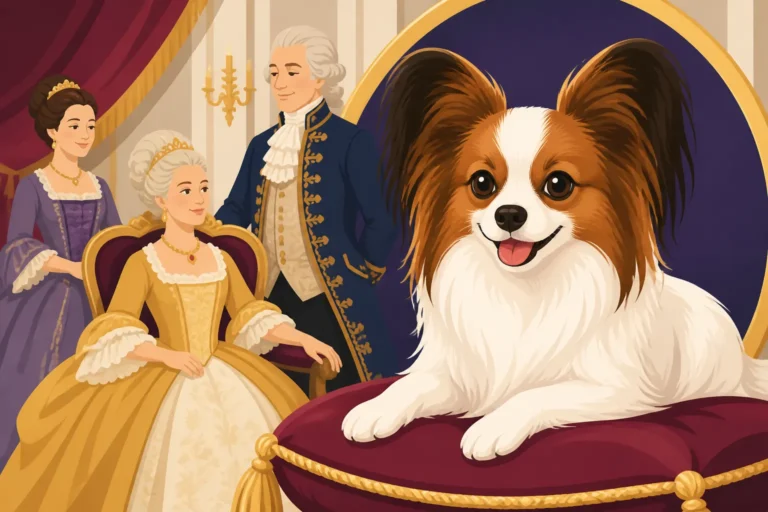
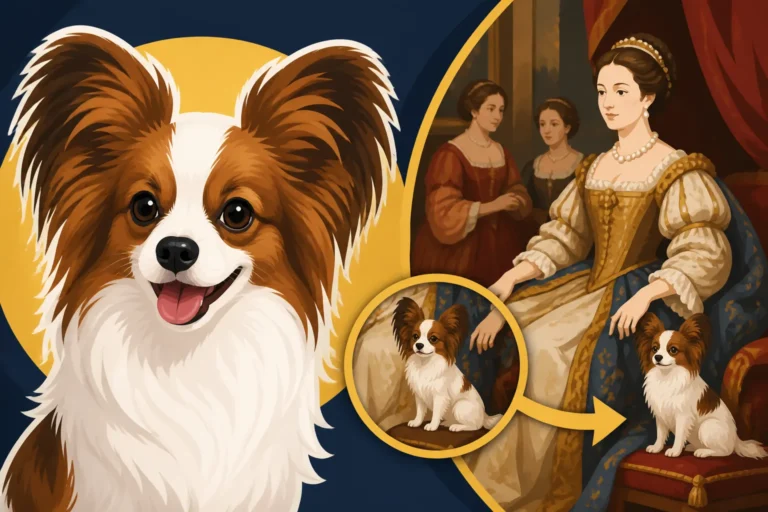
Before we zero in on Rubens, it’s helpful to set the stage for how small companion dogs, often referred to as "dwarf spaniels" or "Continental Toy Spaniels," came to be depicted in European art. These delightful little dogs were the ultimate status symbols, often found nestled in the laps of nobility and royalty across Europe. They weren't just pets; they were integral members of aristocratic households, providing companionship, warmth (literally, as lap warmers!), and a touch of luxury. Their presence in portraits wasn't merely decorative; it often symbolized fidelity, wealth, or a connection to nature.
The lineage of what we now know as the Papillon can be traced back through several centuries. Long before the erect, butterfly-like ears became prominent, these dogs were primarily drop-eared, a variety now known as the Phalène (which means "moth," a charming contrast to the Papillon's "butterfly"). Artists of the Italian Renaissance, like Titian, famously included these little dogs in their works, giving us a precious glimpse into their appearance and role. Titian Painted the Dog the Papillon Came From is a great example of this early artistic representation. These dogs were characterized by their delicate bone structure, long silky coats, and often, expressive dark eyes. They were clearly valued for their beauty and their affectionate nature, qualities that still define the Papillon today.
By the time the Baroque period arrived in the 17th century, these small spaniels were even more firmly established as companions for the elite. Their popularity spread from Italy to France, Spain, and the Low Countries, which includes Flanders, Rubens’ homeland. Each region might have had slight variations in breeding, leading to a diverse array of "toy spaniels," but the core characteristics of a dainty, long-haired companion remained.
Peter Paul Rubens and His Artistic Canine Representations
Peter Paul Rubens (1577–1640) was a colossus of the Baroque era, renowned for his vibrant, dynamic compositions, often teeming with robust figures, dramatic action, and rich textures. His canvases frequently celebrated abundance, and animals were no exception, often depicted with realism and vitality. While Rubens is perhaps best known for his depictions of powerful horses, hunting dogs, and exotic animals in grand mythological or historical scenes, he also painted portraits and allegorical works where smaller, more domestic creatures might appear.
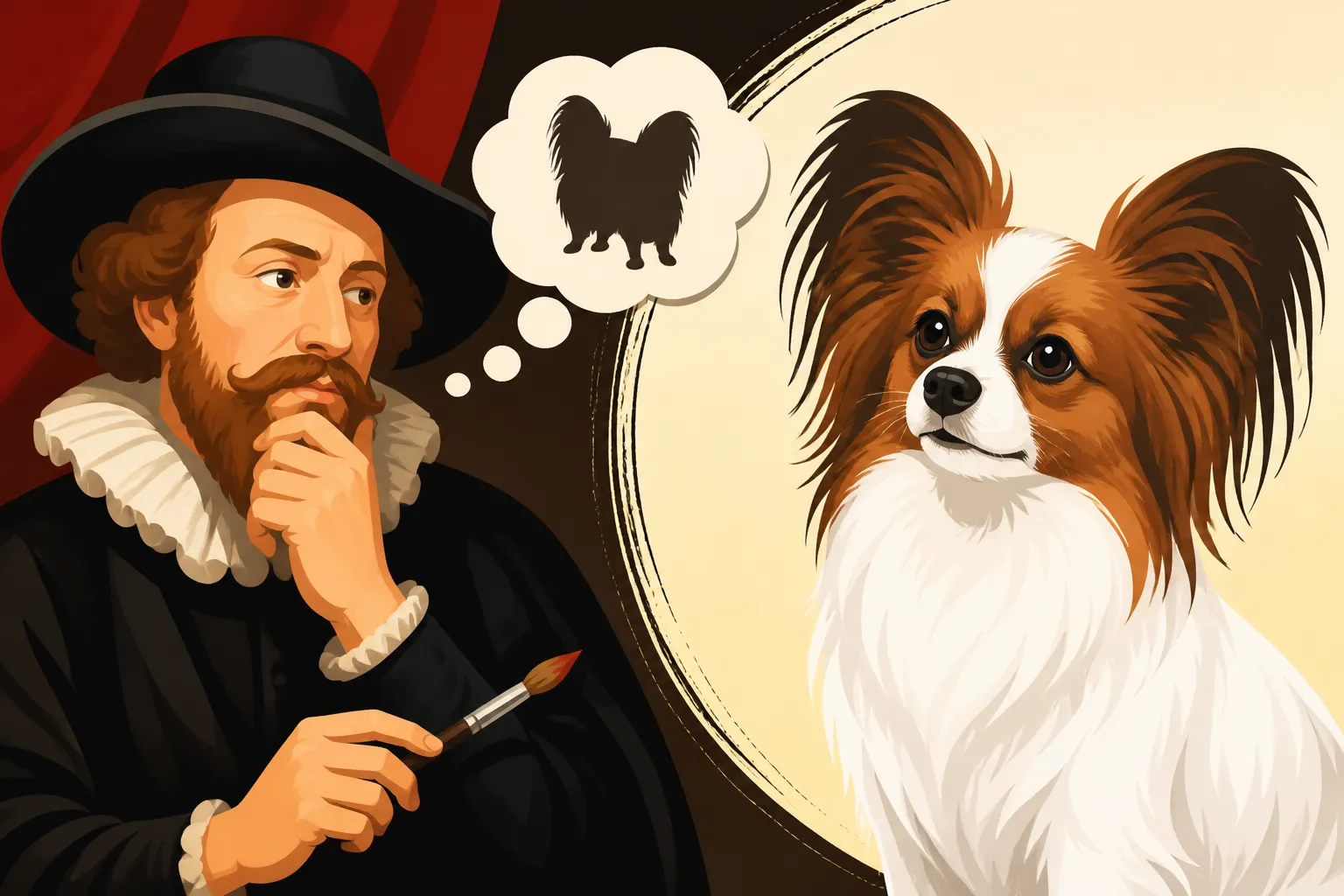
When we consider Rubens' body of work, it's true that large, muscular hounds often take center stage in his hunting scenes, reflecting the aristocratic passion for the chase. However, he was also a master of portraiture, and it was in this genre that he sometimes included domestic pets. Whether these were specific commissions or personal touches, their inclusion offers a snapshot of life and companionship in the 17th century. The critical question for Papillon enthusiasts is whether any of these domestic pets bore the unmistakable traits of a dwarf spaniel, a direct ancestor to our butterfly-eared friends.
Art historians have indeed identified small dogs in some of Rubens' portraits, though they might not always be the primary subject. For instance, in his family portraits or those of wealthy patrons, a small dog might be at a child's feet or resting gently in a lap, signifying loyalty, domestic bliss, or even the sitter's status. While a specific, named "Papillon ancestor" painting by Rubens isn't as widely touted as Titian Painted the Dog the Papillon Came From, the presence of small spaniel-type dogs in his oeuvre is consistent with the era's artistic trends and the popularity of these companions among the European elite. These depictions typically show a dog with soft, flowing fur, often with the characteristic drop ears of the Phalène type. Their faces are usually delicate, with bright, intelligent eyes. Rubens' skill in rendering textures meant these dogs often appeared incredibly lifelike, their silky coats almost inviting a stroke.
Identifying Papillon Ancestors in Baroque Paintings
So, how can you tell if the small dog in a Baroque painting, perhaps by Rubens or one of his contemporaries, might be an ancestor of your Papillon? It's all about looking for key characteristics that distinguish the Continental Toy Spaniel line.
Ear Type
The most obvious distinguishing feature of a modern Papillon is its large, erect, fringed ears that resemble a butterfly's wings. However, remember that the Papillon's ancestors, and indeed many of its relatives born even today (the Phalène), had drop ears. When looking at Baroque art, you'll almost exclusively see the drop-eared variety. These ears would typically be quite long and heavily feathered, framing the face softly. If you see a small dog with prominent, upright ears in a painting from this period, it's far less likely to be a direct ancestor of the Papillon as we know it, as the erect ear was cultivated later. Whether a Phalene Can Be Shown Against a Papillon delves into this fascinating distinction.
Coat and Build
Papillons are known for their single, silky coat – all fringe and no undercoat, which makes them less prone to matting than many long-haired breeds. In historical paintings, look for a dog with a flowing, soft-looking coat, often with feathering on the ears, chest, tail (the "plume"), and hind legs (the "culottes"). The build should be fine-boned but not fragile, elegant, and proportionate. Avoid assuming a robust, heavily built dog is a Papillon ancestor, as that would be more indicative of other small breeds. The dog should look agile and delicate, even if it's painted with Rubens' characteristic energy.
Facial Features and Expressions
A Papillon's face is typically fine, with a relatively short muzzle and large, dark, round eyes that convey intelligence and alertness. In Baroque art, these dwarf spaniels often have similar sweet, intelligent expressions. Their faces might be predominantly white, often with a blaze between the eyes and patches of color over the ears and body. The symmetry of these markings, while valued today, might have been less strict in early depictions. What a Titian Spaniel Looked Like offers a good visual reference for these ancestral features. The expression should be alert and lively, not dull or forlorn, reflecting the breed's naturally bright disposition.
Here's a quick comparison guide to help you differentiate:
| Feature | Modern Papillon (Standard) | Early Dwarf Spaniel (Ancestral) |
|---|---|---|
| Ears | Large, erect, butterfly-shaped, heavily fringed | Drop ears (Phalène type), long, heavily feathered |
| Coat Texture | Single coat, silky, flowing, no undercoat | Silky, flowing, often very long, no heavy undercoat |
| Build | Fine-boned, elegant, proportionate, agile | Fine-boned, delicate, often slightly longer in body |
| Muzzle Length | Moderate, distinct stop | Moderate to slightly longer than modern Papillon |
| Eye Shape | Large, dark, round, expressive | Large, dark, often almond-shaped or slightly rounded |
| Tail | Carried high over back in a graceful arch, plumy | Carried high, often with a profuse plume |
Beyond Rubens: Other Artists Who Cherished Small Dogs
While Rubens may have included small spaniel types in his works, other artists are more overtly recognized for their depictions of these charming dogs. As the dwarf spaniel's popularity soared, particularly in the French and Spanish courts, more artists turned their attention to them.
For example, the French Rococo painter Jean-Honoré Fragonard frequently depicted intimate, playful scenes of aristocratic life, where small, fluffy dogs were often central. His paintings, full of light and frivolity, perfectly captured the spirit of these engaging companions. Similarly, artists like Antoine Watteau, another master of the Rococo, included small, elegant dogs in his fêtes galantes, embodying the refined leisure of the era.
In Spain, Francisco Goya, though known for his later darker works, also painted portraits of the royal family, some of whom were notable dog lovers. His depictions of small, white companion dogs, often with the distinctive drop ears and long coats, clearly show the prevalence of these breeds in courtly life. These artistic records are invaluable because they show us the continuous thread of affection for these tiny dogs that eventually led to the Papillon. Which Other Painters Included Dwarf Spaniels provides more information on this broader artistic context.
These paintings provide a wonderful visual history, allowing us to trace the evolution of the breed over centuries. They show that regardless of the artist's focus, the small spaniel's undeniable charm and intelligence made it a beloved subject, ensuring its place in both art and our hearts. The Papillon Has Seven Hundred Years of Portraits Behind It is a testament to this rich history, demonstrating how deeply embedded this breed's ancestors are in the tapestry of European culture.
So, while a painting specifically labeled "Rubens' Dwarf Spaniel" might not be common, the presence of these delightful little dogs in his works, and those of his contemporaries, reinforces their long and storied history as cherished companions. Their legacy lives on, not just in art, but in the lively, intelligent Papillons we share our lives with today. What a Papillon Does All Day reflects the continuation of their spirited nature from those historical depictions.
Disclaimer
This article is for general informational purposes only and does not constitute professional advice. Laws, prices and regulations vary by location and change over time. Consult a qualified professional for guidance on your specific situation.