What a Papillon’s Monthly Food Bill Runs
Bringing a Papillon into your life is an absolute joy, but it’s natural to wonder about the practicalities, like how much that tiny bundle of fluff is actually going to cost you. One area that sometimes surprises new owners, even with a small dog, is the ongoing expense of their food. It might seem like a small dog means a small grocery bill, but quality nutrition for a Papillon often involves a bit more nuance than just picking up the cheapest bag off the shelf. This guide will help you navigate the ins and outs of your Papillon’s monthly food bill, from their unique dietary needs to various food types and budget considerations, so you can plan effectively for their long and happy life.
Understanding Your Papillon's Nutritional Needs
It's easy to assume that because Papillons are small, their dietary needs are incredibly simple. While they don't eat vast quantities, their tiny bodies have specific requirements that good nutrition helps meet. Thinking about these needs upfront can save you headaches and vet visits down the line.
Puppy vs. Adult Requirements
A Papillon puppy isn't just a miniature adult; they have distinct nutritional demands that change as they grow. Puppies are like tiny, furry little energy machines, constantly developing and exploring, and their food needs to support that rapid growth.
For puppies, the focus is on a diet rich in appropriate protein and fats to fuel their developing muscles and brains. They typically need to eat more frequently than adults, often three to four small meals a day, to maintain stable blood sugar levels. This is particularly crucial for toy breeds like Papillons, who can be prone to hypoglycemia, or low blood sugar, especially if they go too long without food or expend too much energy without replenishment. A high-quality puppy formula designed for small breeds is essential, as the kibble size is also tailored for their tiny mouths and developing jaws. Don't skimp on this stage; what you feed them now lays the foundation for their adult health. For more on puppy health, you might find Whether a Papillon Gets Hypoglycemia as a Puppy helpful.
Once your Papillon reaches adulthood, usually around 9-12 months, their dietary needs shift to maintenance. Their growth plates have closed, and their energy requirements stabilize unless they're particularly active in dog sports like agility. At this stage, the goal is to provide a balanced diet that supports their overall health, maintains a healthy weight, and keeps their coat gleaming. Many adult Papillons thrive on two meals a day. While their overall intake is small compared to larger breeds, the density of nutrients in each bite is paramount. An adult dog food formulated for small breeds or all life stages will generally suffice, but always consider your individual dog’s activity level and any specific health concerns. It’s a bit of a balancing act, ensuring they get enough without getting too much, which can quickly lead to weight gain on such a small frame.
The Challenge of a Small Mouth
Anyone who has admired a Papillon's delicate features knows they have a very petite mouth, which presents a few unique considerations when it comes to food. It's not just about what they eat, but how they eat it.
The size and shape of kibble are surprisingly important for Papillons. Larger kibble can be difficult for them to pick up and chew properly, potentially leading to frustration or even gulping without chewing, which isn't ideal for digestion. Small-breed specific kibble is typically designed with smaller, more manageable pieces that these dogs can easily handle. Beyond just size, the texture of the food can also impact their dental health. The Teeth in a Papillon's Small Jaw is a topic close to my heart, as dental disease is incredibly common in Papillons. While kibble alone isn't a substitute for brushing, a well-designed kibble might offer some minimal abrasive action, though its primary benefit is manageability for their little chompers.
Additionally, the compact nature of a Papillon's jaw means their teeth can be crowded. This crowding can make them more prone to plaque and tartar buildup, which dry kibble can only mitigate so much. When choosing food, consider options that promote dental hygiene indirectly, or be prepared to be diligent with home dental care and regular professional cleanings. This small mouth can actually lead to significant costs if dental issues aren't managed proactively.
Picky Eaters and Their Preferences
Let's be real: some Papillons can be incredibly particular about their food. They have big personalities packed into small bodies, and sometimes that extends to their dinner bowl. It's not uncommon to hear a Papillon owner sigh about their dog turning up its nose at a perfectly good meal.
This pickiness can stem from various factors – sometimes it's simply a strong preference for certain textures or flavors, other times it might be a learned behavior where they've discovered that holding out leads to something more exciting (like table scraps, which are generally a no-go). Trying to cater to a picky eater can quickly inflate your monthly food bill as you experiment with different brands, flavors, and even types of food. You might find yourself cycling through several bags of kibble or types of wet food before landing on something your discerning companion approves of. For advice on how to handle this, you might look into Getting a Picky Papillon to Eat.
The key is often consistency and patience, combined with making sure there isn't an underlying health issue contributing to their lack of appetite. Some owners find success by rotating between a couple of preferred flavors within the same brand or adding a small amount of a tasty topper, like cooked chicken or a dollop of pumpkin, to make the regular meal more appealing. It's about finding that sweet spot where they're getting good nutrition without you having to become a gourmet chef for every meal, unless that's your thing!
Types of Food and Their Monthly Costs
When it comes to feeding your Papillon, the options in the pet food aisle are truly vast, each with its own price point and benefits. Deciding which type of food is best often comes down to your budget, your dog's preferences, and your personal philosophy on pet nutrition.
Dry Kibble Options
Dry kibble is by far the most popular choice for dog owners, and for good reason. It's convenient, generally cost-effective, and easy to store. For Papillons, specifically, there's a wide range of small-breed formulas available.
The cost of dry kibble can vary dramatically, from budget-friendly options found at grocery stores to premium, boutique brands carried at specialty pet shops or online. Generally, higher-quality kibbles that boast single-source proteins, no artificial ingredients, and carefully selected carbohydrates tend to be more expensive per pound. However, remember that your Papillon eats such a small quantity that even a premium bag can last a good while. For instance, a small 4-5lb bag of high-quality kibble, costing perhaps a bit more upfront, could easily last a month or more for an adult Papillon. If you're looking for variety or specific formulations, online retailers like Chewy offer an enormous selection, often with subscription services that can save you a little extra in the long run. When considering cost, always divide the total price by the number of servings your Papillon gets from the bag, not just the upfront sticker price. This helps you understand the true monthly impact.
Wet Food and Toppers
Wet food is often a hit with picky eaters and can add an extra layer of palatability and hydration to a Papillon's diet. It comes in cans or pouches, typically in pâté, shredded, or chunky forms.
As a primary diet, wet food is generally more expensive than kibble. A small Papillon might go through half a can or a whole small pouch per meal, and these can add up quickly over a month. However, many owners use wet food as a topper or an occasional treat. Adding a spoonful of wet food to dry kibble can make an otherwise unexciting meal much more enticing for a discerning Papillon. This approach allows you to get the benefits of wet food – enhanced flavor, moisture – without the full cost of feeding it exclusively. The cost will depend on the brand and how much you use, but even a small amount can make a difference in your monthly bill. Be mindful of wet food, though, as its softer texture doesn't offer the same potential for dental friction as kibble, making How Often a Papillon Needs Dental Work an even more critical consideration.
Fresh or Raw Diets
In recent years, fresh, home-cooked, or raw diets have gained popularity, with proponents citing benefits like improved coat health, better digestion, and higher energy levels. Services like Ollie deliver pre-portioned, human-grade fresh food right to your door, making it more accessible than ever.
These types of diets are generally the most expensive option. They often require a significant upfront investment in ingredients (for home-cooked or raw) or come with a premium price tag for prepared meal services. For a small dog like a Papillon, a subscription to a fresh food service might be more manageable than for a large breed, but it will still represent a higher monthly outlay compared to most kibble options. The appeal for many lies in knowing exactly what goes into their dog's bowl. If you're considering a raw or home-cooked diet, it's absolutely crucial to consult with your veterinarian or a certified veterinary nutritionist to ensure it's complete and balanced. An unbalanced diet, especially for a small breed, can lead to serious health problems. The "convenience" aspect of pre-made fresh food services like Ollie can certainly be a time-saver, but that convenience is reflected in the price.
Here's a quick comparison of general food costs for a Papillon:
| Food Type | General Monthly Cost Shape (Adult Papillon) | Pros | Cons |
|---|---|---|---|
| Dry Kibble | Lower to Mid-Range | Convenient, long shelf life, cost-effective | Can be less palatable, some contain fillers |
| Wet Food | Mid to High-Range (if fed exclusively) | Highly palatable, good hydration | More expensive, shorter shelf life, messier |
| Fresh/Raw Diet | Higher Range | Human-grade ingredients, high palatability | Most expensive, requires careful balancing |
Note: These are general cost shapes. Actual prices vary widely by brand, region, and specific formulation. Always check current pricing directly from retailers and manufacturers.
Factors That Influence Your Monthly Bill
Your Papillon's monthly food bill isn't just about the type of food you choose; it's also shaped by the quality of ingredients, the extra treats and supplements you provide, and even where you do your shopping.
Quality and Ingredients
This is arguably the biggest factor influencing your monthly food expense. Just like with human food, there's a huge spectrum of quality in pet food, and that quality directly correlates with price.
Premium dog foods typically use higher quality, often human-grade, ingredients. You'll see named meat sources (like "deboned chicken" instead of "meat meal"), whole grains or novel carbohydrates, and a lack of artificial colors, flavors, or preservatives. These ingredients are more expensive for manufacturers to source, which translates to a higher price per bag for you. Conversely, budget-friendly brands might rely more on corn, soy, or unnamed meat by-products. While these can still provide basic nutrition, they might not be as digestible or nutrient-dense, meaning your dog might need to eat more to feel satisfied, or they might not thrive as well. For a Papillon, whose body is so small, every calorie and nutrient counts. Investing in a good quality food can sometimes prevent future health issues, potentially saving you more significant vet bills down the road. It’s a classic "pay now or pay later" scenario.
Treats and Supplements
Few Papillon owners can resist spoiling their adorable companions, and treats are a big part of that. However, these little extras can quietly inflate your monthly food budget.
Training treats, for instance, are a staple for such a smart and eager-to-please breed. Small, soft, and highly palatable treats are perfect for positive reinforcement. But if you're training regularly, those bags of tiny treats can disappear quickly. Then there are dental chews, which many owners provide to help with tartar control – a common concern for Papillons. These can range from a few dollars to a more substantial cost depending on the brand and how frequently you offer them. Beyond treats, some Papillon owners opt for supplements, such as joint support, especially if their dog is aging or has a history of orthopedic issues like patellar luxation. While supplements like these can be beneficial, they are an additional monthly cost. Whether a Papillon Needs Joint Supplements could give you more insight into this area. It's easy to overlook these smaller, recurring purchases when thinking about "food," but they definitely contribute to the overall monthly spend.
Where You Buy Your Food
The retail channel you choose for your Papillon's food can also impact the price you pay. Just like human groceries, dog food prices can vary significantly between different types of stores.
Local independent pet stores often carry a curated selection of higher-end, specialty foods and might offer personalized advice. While their prices can sometimes be higher, they might also have loyalty programs or special promotions. Large chain pet stores, like Petco or PetSmart, offer a broader range of brands and often have competitive pricing, sales, and their own rewards programs. Online retailers, such as Chewy, have become incredibly popular for their vast selection, competitive pricing, and the sheer convenience of home delivery. Many offer subscription services that automatically deliver food on a schedule, often with a slight discount. For fresh food services like Ollie, their model is typically direct-to-consumer through their website with recurring deliveries. Comparing prices across these channels, especially for your chosen brand of food, can lead to significant savings over time. Don't forget to factor in shipping costs if you're buying online, though many online pet retailers offer free shipping on orders over a certain amount.
Budgeting for Your Papillon's Food
Creating a realistic budget for your Papillon's food is about more than just knowing what a bag of kibble costs. It involves understanding their specific needs, planning for extras, and recognizing the long-term financial implications of your choices.
Creating a Realistic Food Budget
The first step to managing costs is to know exactly where your money is going. While it might feel a bit like balancing a checkbook for your furry friend, tracking expenses for a few months can give you a clear picture.
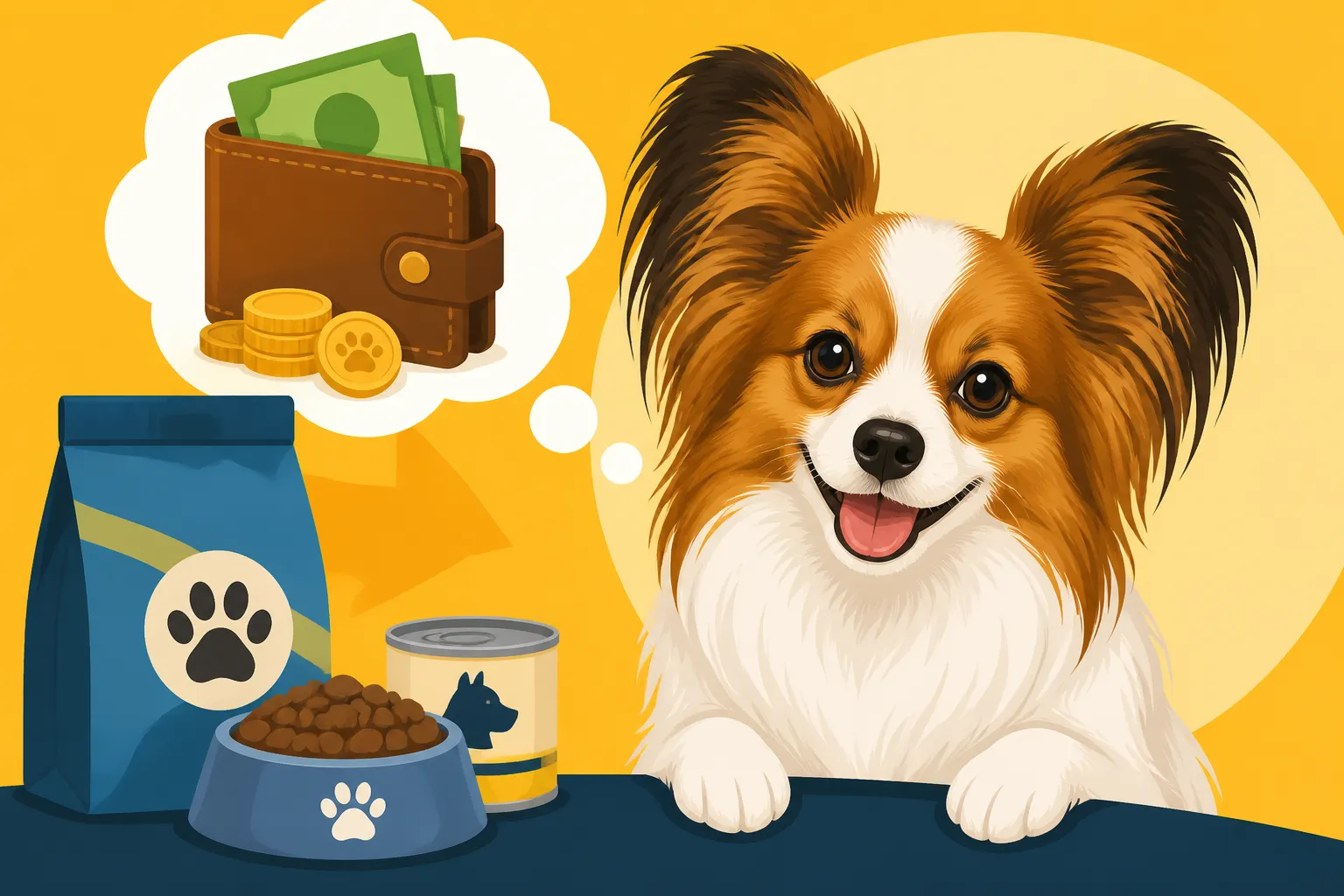
Start by calculating the average amount of kibble or food your Papillon eats daily, then extrapolate that for a month. Factor in any wet food you use as a topper or treat, and don't forget those training treats, dental chews, and any regular supplements. Remember that for a tiny Papillon, even a small bag of premium kibble can stretch for a surprisingly long time. For example, if your Papillon eats about half a cup of kibble a day, a 4-pound bag (which is roughly 16-18 cups) could last about a month. The price of that bag, plus a few dollars for treats, will give you a solid baseline for your monthly budget. It’s also wise to set aside a small buffer for unexpected changes, like needing to switch foods due to a new dietary sensitivity or a recall. Understanding What a Papillon Eats in a Month is key to this exercise, so make sure you weigh out their portions initially to get an accurate estimate.
Cost-Saving Tips Without Sacrificing Quality
Nobody wants to compromise on their beloved Papillon's health, but there are smart ways to save money on food without resorting to cheap, unhealthy options.
One effective strategy is to buy in slightly larger quantities if possible, provided the food won't expire before your Papillon can eat it. For a small dog, buying the largest bag might not always be practical or fresh. However, if a reputable brand offers a 10-pound bag that you know your Papillon will consume within a few months, that often comes with a lower per-pound cost than smaller bags. Keep an eye out for sales and promotions from your preferred retailers or brands. Online stores like Chewy often have rotating deals. Another trick is to sign up for loyalty programs offered by pet stores or manufacturers; these can lead to discounts, free bags after a certain number of purchases, or special coupons. Also, consider making your own simple, healthy treats. Cooked sweet potato, carrots, or small pieces of lean chicken can be fantastic, low-cost training rewards. Just be sure they're canine-safe and given in moderation.
Long-Term Health and Food Choices
The decisions you make about your Papillon's food today can have a significant impact on their health and your wallet in the long run. Good nutrition is truly preventative medicine for our canine companions.
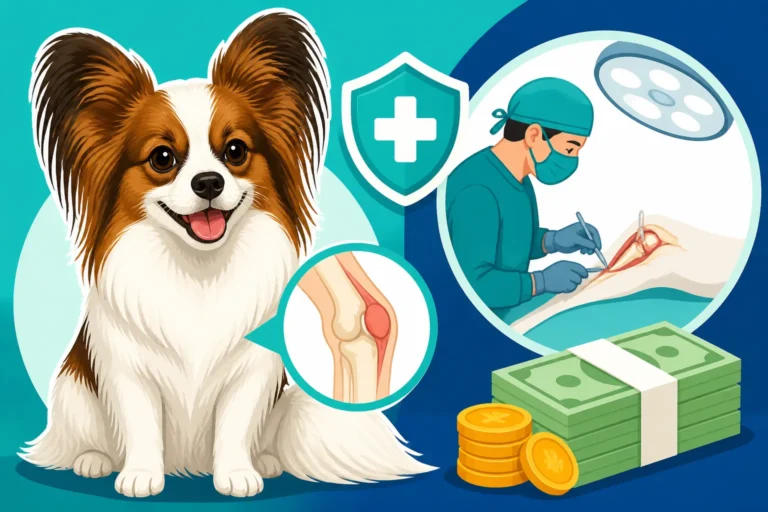
Feeding a high-quality, balanced diet can help support a strong immune system, maintain a healthy weight, and contribute to overall vitality. This proactive approach can potentially reduce the frequency and severity of certain health issues over your Papillon's exceptionally long life. While a more expensive, high-quality food might mean a slightly higher monthly bill upfront, it can be a wise investment that helps ward off costly veterinary interventions later. For instance, maintaining a healthy weight through proper portion control and good food can alleviate stress on their delicate knees, potentially reducing the risk or severity of conditions like luxating patella. Similarly, preventing obesity contributes to better overall organ health. Thinking about the bigger picture, a healthy Papillon often means fewer emergency vet visits, fewer medications, and a lower chance of developing chronic conditions that require expensive, ongoing care. This is where pet insurance, such as plans from Healthy Paws, can be incredibly valuable, as it helps cover unexpected illness or injury, but even with insurance, healthy habits contribute to a better quality of life. Considering What a Papillon Costs Over Its Lifetime involves far more than just the purchase price or the monthly food bill; it encompasses their entire well-being.
Disclaimer
This article is for general informational purposes only and does not constitute professional advice. Laws, prices and regulations vary by location and change over time. Consult a qualified professional for guidance on your specific situation.