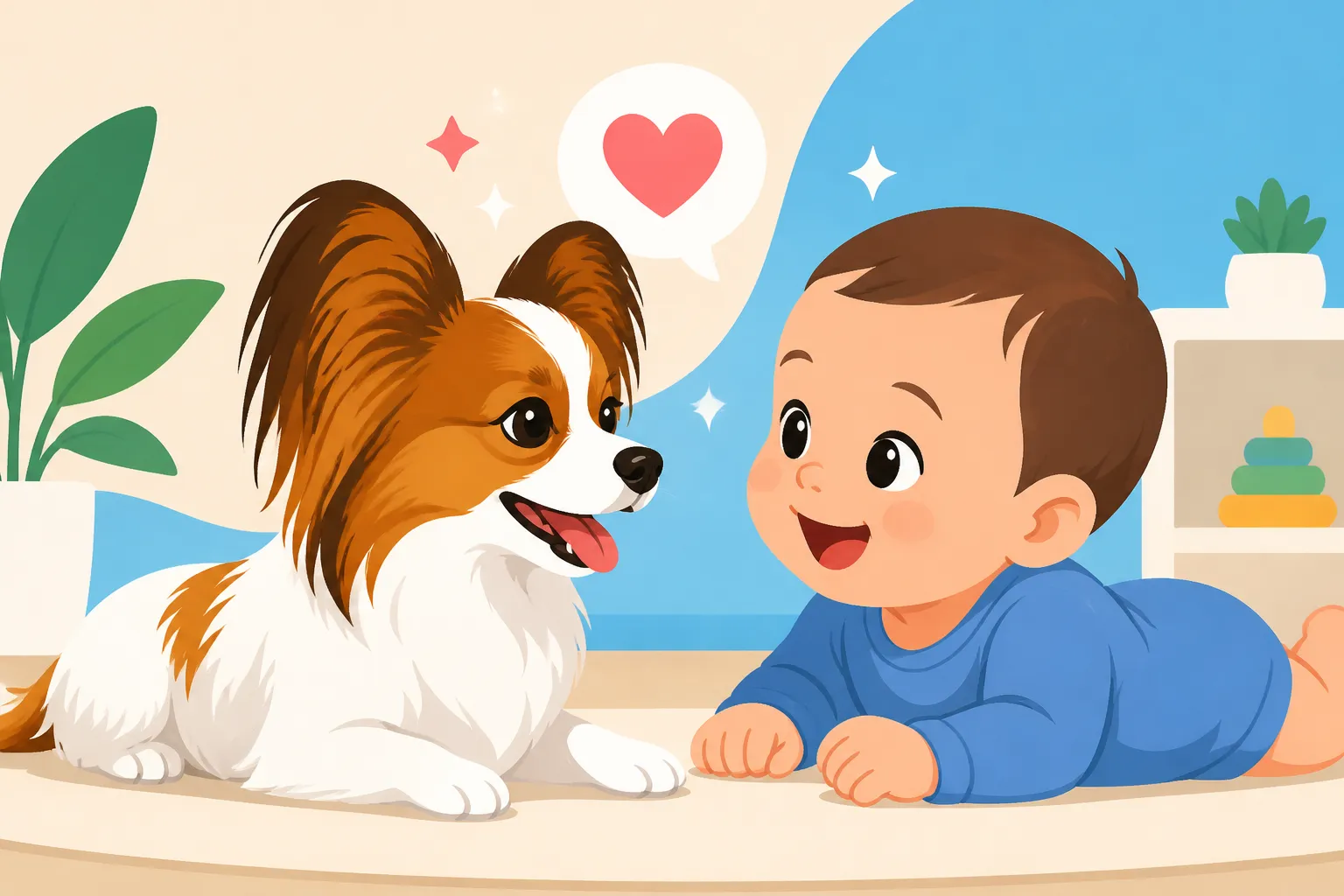
How a Papillon Behaves With a Baby
Bringing a new baby home is an incredibly exciting, albeit overwhelming, time for any family. When you already have a beloved Papillon, that joy is often mixed with a very real concern: how will your delicate, yet sometimes fearless, little butterfly dog react to this tiny, unpredictable new human? Many Papillon owners worry about accidental injury to their tiny dog, or conversely, fear their dog might become jealous or nip at the baby. This guide is here to walk you through understanding your Papillon's unique personality in this situation, preparing for the arrival, and fostering a safe, harmonious environment for everyone.
Understanding Your Papillon's Nature Around Infants
Papillons are often described as big dogs in small bodies, and it's a wonderfully accurate description. They possess a keen intelligence, a spirited personality, and often a surprising boldness for their size. These traits are what make them such captivating companions, but they also mean you need to approach the introduction of a baby with thoughtfulness and understanding.
The Papillon's Sensitive and Intelligent Mind
Your Papillon isn't just a fluffy lap warmer; they are incredibly smart and sensitive creatures. They pick up on household changes, your emotions, and new routines quickly. This intelligence can be a huge asset when teaching them new boundaries and behaviors related to the baby. They can learn what is expected of them, but conversely, they can also pick up on any anxiety you might be feeling or become stressed by sudden changes. A new baby brings a whirlwind of sights, sounds, and smells – all of which your Papillon will notice. Some Papillons might be naturally curious and adaptable, while others might find the disruption unsettling. It's really important to remember that they thrive on routine and feeling secure in their place within the family, and a baby changes everything.
Why Their Boldness Can Be a Challenge or an Advantage
Despite their delicate appearance, many Papillons carry themselves with an air of confidence, sometimes even bravado. They might stand their ground against much larger dogs or assert their desires with surprising determination. This boldness can manifest in different ways with a baby. A truly bold Papillon might simply accept the baby as a new, albeit strange, fixture in the home, viewing it with a detached curiosity. However, if that boldness is mixed with a lack of early socialization or a tendency towards resource guarding (even if it's just for your attention), it could pose a challenge. They might try to "herd" the baby, bark excessively at new sounds, or even attempt to assert dominance if they feel their position is threatened. On the flip side, their confidence means they aren't likely to cower in fear, which can be helpful if managed correctly. A Papillon has no idea it is small, which is adorable until it tries to join the baby in the swing.
Preparing Your Home and Your Papillon for Baby's Arrival
The key to a smooth transition is preparation. You can't just spring a new baby on your Papillon and expect them to instantly understand. Taking steps beforehand will significantly increase the chances of a positive outcome for everyone.
Gradual Introduction of Baby Sights and Sounds
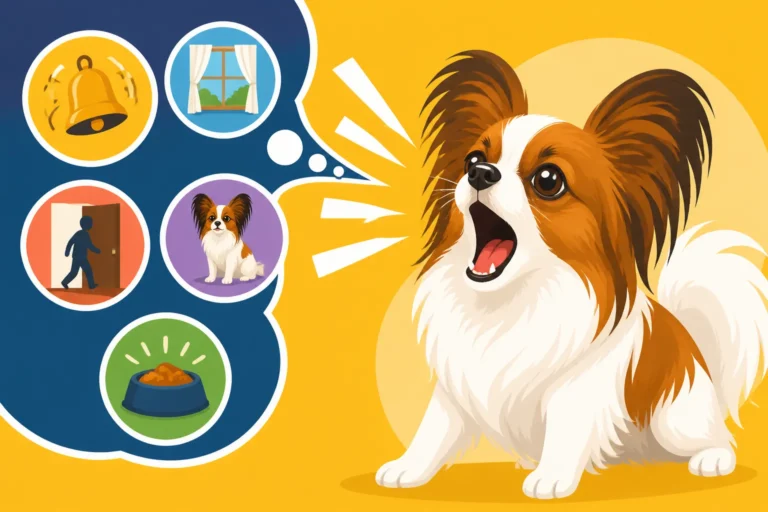
Before the baby even comes home, start desensitizing your Papillon to the new sensory experiences. Set up the nursery and allow your Papillon to explore it, supervised, before the baby arrives. Let them sniff the changing table, the crib, and all the new baby gear. Start playing recordings of baby sounds – crying, cooing, babbling – at a low volume, gradually increasing it over time. Pair these sounds with positive experiences, like giving treats or engaging in calm playtime. The goal is to make these new stimuli seem normal and non-threatening. You don't want the first time your Papillon hears a baby cry to be when your actual newborn is wailing.
Reinforcing Obedience and Boundaries
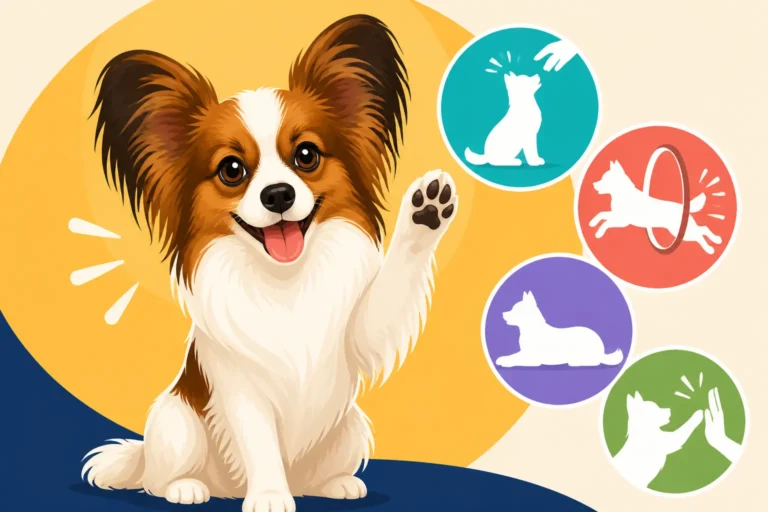
This is a critical step. A well-trained Papillon is a safer, happier Papillon, especially around a baby. Spend time now reinforcing basic obedience commands like "sit," "stay," "down," "leave it," and "go to your bed." Practice these commands often, even if your dog already knows them, to ensure they are rock-solid under distraction. You might find resources like BAXTER & Bella helpful for structured online training programs that you can complete from home. It's also vital to establish "no-go" zones before the baby arrives. If you plan for the nursery to be off-limits, or certain areas around the baby's playmat, use baby gates (readily available on Amazon) to define these spaces and start enforcing the boundaries now. Teach your Papillon that these areas are not for them, but that positive reinforcement awaits them in their designated safe spaces. What a Papillon needs every day includes mental stimulation, and this kind of focused training provides just that.
Pre-Baby Routine Adjustments and Scent Introduction
Babies will inevitably change your schedule, so try to gradually adjust your Papillon's routine beforehand. If walks will be shorter, or feeding times shift, start making those changes now so it's not another shock when the baby arrives. When the baby is born but still in the hospital, have a family member bring home a blanket or a piece of clothing with the baby's scent. Let your Papillon sniff it calmly. Offer praise and treats, associating the new scent with positive feelings. This allows them to process the baby's smell without the overwhelming presence of the baby itself. It’s a subtle but powerful way to start the introduction.
Facilitating Gentle Introductions and Coexistence
The first meeting and subsequent interactions are crucial. Patience, supervision, and positive reinforcement will be your best friends in building a peaceful relationship between your Papillon and your baby.
The First Meeting: Calm and Controlled
When you bring the baby home, the actual first meeting should be calm and carefully managed. Avoid any high-energy greetings or loud excitement. Ideally, when you first walk through the door, have someone else hold the baby while you greet your Papillon normally. This reassures your dog that you're still there for them. Once the initial excitement settles, sit down with the baby, perhaps in a quiet room. Keep your Papillon on a leash, or ensure they are safely behind a baby gate, preventing them from jumping or getting too close too fast. Allow them to approach the baby at their own pace, sniffing gently. Reward calm behavior with soft praise and treats. Do not force interaction or allow any unsupervised nose-to-nose contact. This is about observation and positive association.
Establishing Safe Zones and Supervised Interactions
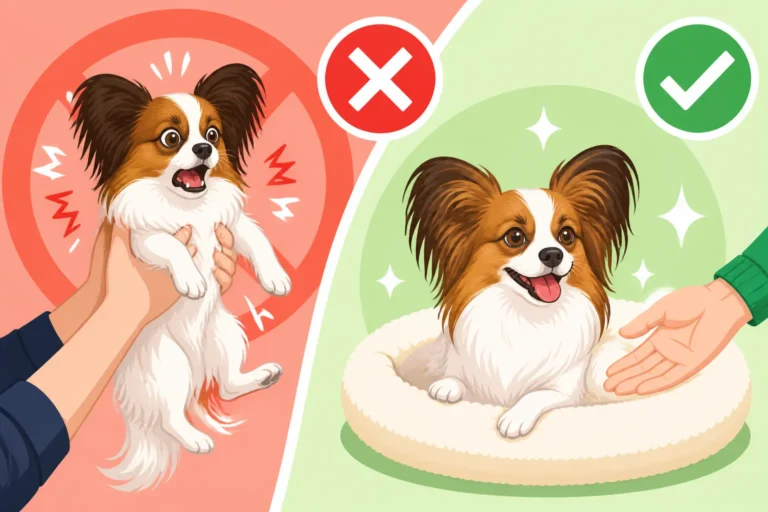
Constant supervision is non-negotiable. A Papillon, no matter how sweet, is a small, delicate animal that could be accidentally injured by a flailing baby limb, or could react defensively if startled or feeling cornered. Create clear "baby zones" using playpens or baby gates where your Papillon cannot go without supervision. Conversely, ensure your Papillon has its own safe space – a crate or a bed in a quiet room – where it can retreat and be undisturbed. This is especially important for How a Papillon handles a toddler and beyond, as the child becomes more mobile.
| Interaction Type | Papillon Behavior | Baby Behavior | Risk Level | Recommended Action |
|---|---|---|---|---|
| Calm Sniffing | Gentle, quiet approach, soft tail wag | Still, unaware, or calm | Low | Supervise closely, reward calm behavior. Keep dog on leash initially. |
| Excited Jumping/Barking | Excessive barking, jumping towards baby or handler | Startled, crying, flailing arms | High | Redirect with "sit," "stay," remove from situation if needed. Work on "quiet" command. |
| Licking/Nuzzling | Gentle licks on hands/feet, soft nudging | Calm, curious | Medium | Allow brief, supervised licking only on covered skin (e.g., foot through blanket). Avoid face licking. |
| Ignoring | Dog chooses to lie down away from baby, uninterested | Any behavior | Very Low | This is good! Reward choice to relax away from baby. |
| Growling/Snapping | Stiff body, curled lip, low growl, quick snap | Approaching, reaching, loud noises | Extreme | Immediate separation. Consult a professional dog trainer/behaviorist. |
Always remember that even the most patient Papillon has its limits. Teach gentle hands as the baby grows, and always make sure any interaction is supervised. Whether a Papillon is safe on a sofa with a baby is a big concern – a sudden drop could be disastrous for the dog or the baby. Best to keep them separate on furniture unless you are actively holding both.
Addressing Common Challenges and Ensuring Safety
Even with the best preparation, challenges can arise. It's important to recognize them early and address them consistently to maintain a safe and loving home for your Papillon and your baby.
Managing Jealousy and Attention-Seeking Behaviors
It's common for a Papillon to feel a shift in attention with a new baby. They might start barking more, pawing for attention, or engaging in behaviors they know will get a reaction. To counteract this, make a conscious effort to give your Papillon attention when the baby is present and calm. While the baby is nursing or sleeping in your lap, pet your Papillon, offer a quiet treat, or give them a favorite chew toy. This helps them associate the baby's presence with positive attention, rather than a loss of it. Ensure they still get their individual playtime and walks, even if they are shorter. This consistency helps them feel secure in their place within the family.
Recognizing Stress Signals in Your Papillon
Being able to read your Papillon's body language is critical for preventing problems. Look for signs of stress or discomfort: lip licking, yawning (when not tired), turning their head away, stiff body posture, tucked tail, or whale eye (showing the whites of their eyes). If you see these signals, immediately create space between your Papillon and the baby. Don't punish your dog for showing these signs; they are communicating their discomfort. Instead, remove them from the stressful situation and give them a break in their safe space. This teaches them that you understand and respect their boundaries. If a particular interaction always leads to stress, then that interaction needs to be avoided entirely.
Never Leaving a Papillon Unsupervised with a Baby
This is the golden rule, and it bears repeating: never, ever leave your Papillon alone with your baby, even for a second. Papillons are small, and a baby's unexpected grab or roll could inadvertently harm the dog, leading to a defensive reaction. Similarly, a Papillon, despite its size, could accidentally scratch or nip a baby if startled or feeling threatened. Accidents can happen in an instant, and it's simply not worth the risk. Use baby gates, closed doors, and playpens to ensure complete separation when you cannot actively supervise. As your baby grows into a toddler, continue this vigilance. How a Papillon behaves with children in general requires close monitoring, but with an infant, it's absolute. Your Papillon is a cherished member of your family, and with careful management, preparation, and unwavering supervision, they can absolutely thrive alongside your new baby, becoming a loyal and loving companion to your growing child. The first year with a Papillon puppy has its challenges, and adding a baby to the mix requires similar dedication and patience.
Disclaimer
This article is for general informational purposes only and does not constitute professional advice. Laws, prices and regulations vary by location and change over time. Consult a qualified professional for guidance on your specific situation.