Whether Titian Spaniels Had Drop Ears
Titian Spaniel ear carriage history shows Renaissance toy spaniels in portraits actually had drop ears instead of erect ones.
Is this the right one for you?
Origins and temperament, size and coat, what living with one is actually like, and how it compares to the breeds people weigh against it.

Titian Spaniel ear carriage history shows Renaissance toy spaniels in portraits actually had drop ears instead of erect ones.
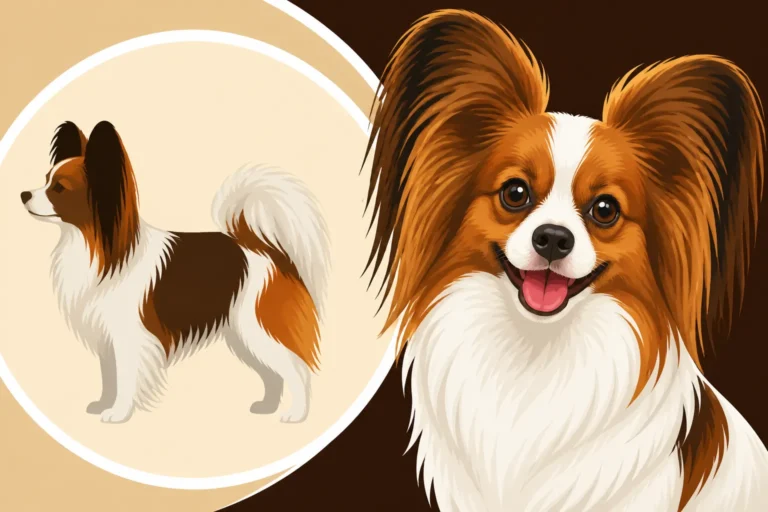
The Titian Spaniel appearance depicted in Renaissance art reveals the delicate build and features of early Papillon ancestors.

Italian Renaissance painters like Titian portrayed early Papillon ancestors, known as dwarf spaniels, in iconic European artwork.

The historical work of the Papillon includes serving as lap warmers, pest control, and royal companions in European courts.

The true historical role of the Papillon shows the breed was created for aristocracy companionship instead of pest control.

Papillon ancestors served medieval and Renaissance nobility as practical lap warmers and symbols of elite social status.
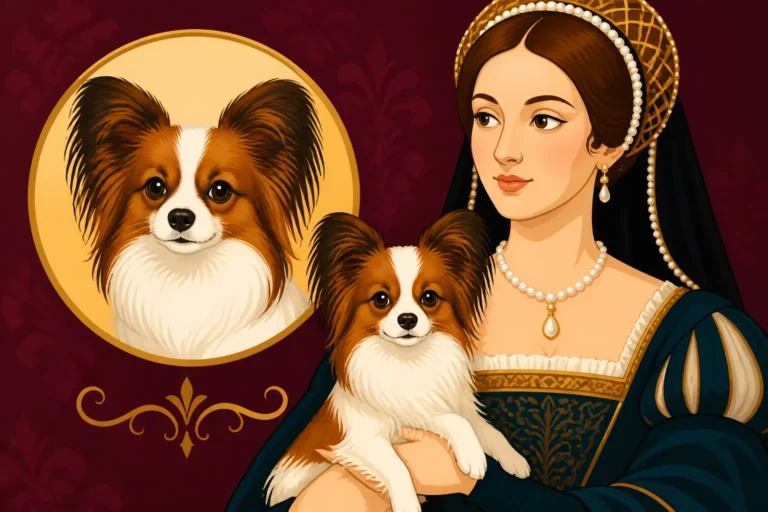
Renaissance noblewomen kept dwarf spaniels as status symbols and comforting companions in rigid, isolating European courts.
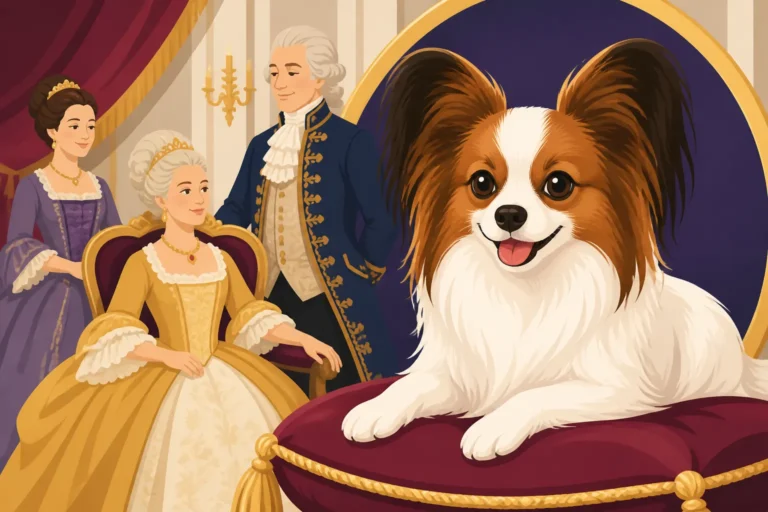
European royal courts in Italy, Spain, and France kept Dwarf Spaniels as prized companions and status symbols.

The dwarf spaniel and Papillon ancestor first appears in sixteenth century European art and aristocratic portraits.

Papillon ancestry in European records appears in sixteenth century paintings and documents detailing royal courts.