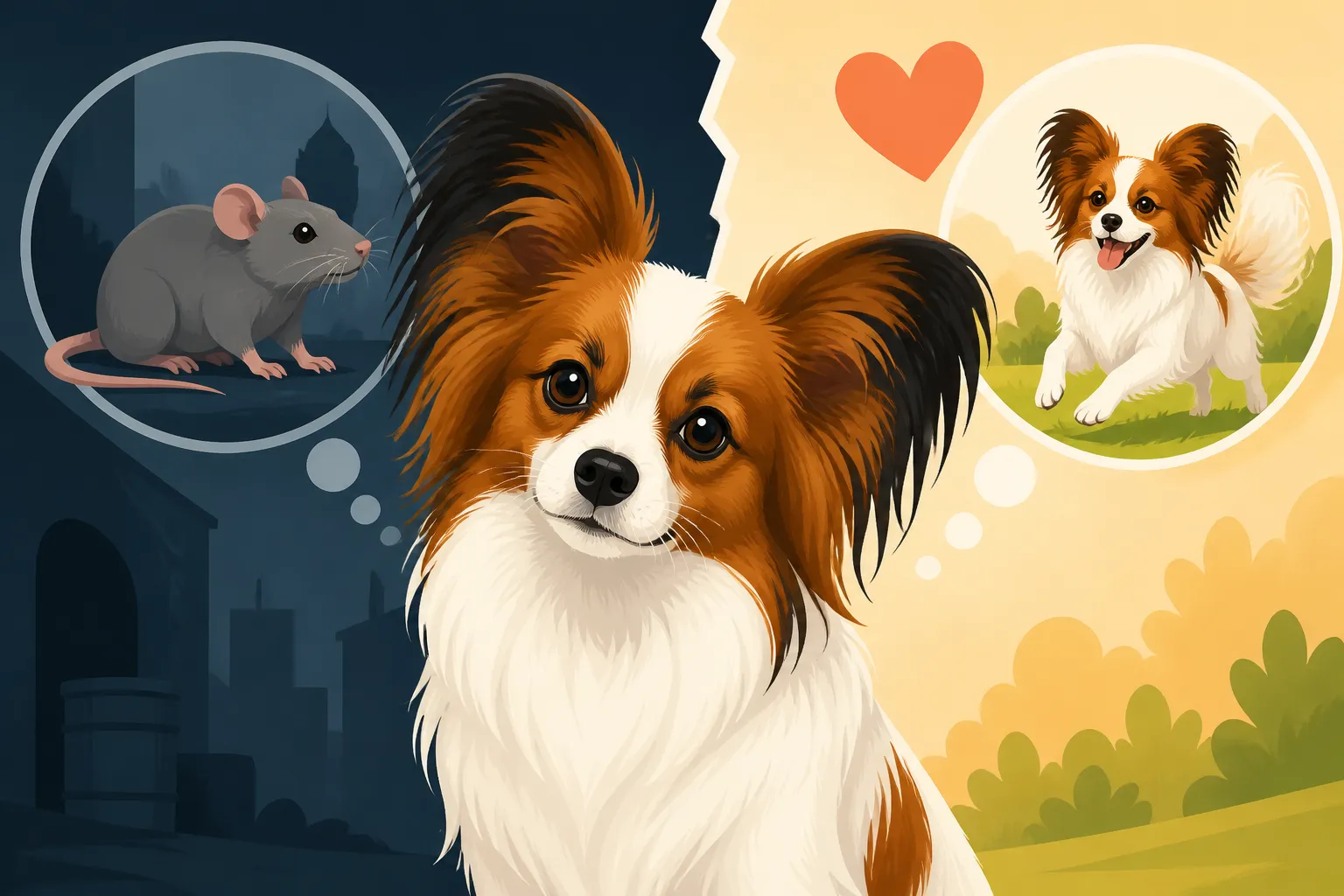
Whether the Papillon Was Ever a Ratter
It's a really interesting question, and one that crops up sometimes when folks look at the Papillon's keen eyes and lively spirit. Given their intelligence and quickness, it's easy to wonder if, at some point in their long history, these elegant little dogs might have been employed for something as practical as pest control. However, I'm here to tell you that while Papillons are incredibly capable, their historical job description was quite a bit more glamorous than chasing down rodents in a dusty barn. This guide will dive into the rich history of the Papillon to shed light on their true origins and roles, clarifying why "ratter" was never on their resume.
Dispelling the Myth: The Papillon's True Historical Role
The idea of a Papillon, with its delicate butterfly ears and flowing silk coat, being a ratter might paint a rather amusing, if somewhat inaccurate, picture. When we look back at the origins of this delightful breed, we find them firmly entrenched in the laps of European aristocracy, far removed from the gritty work of vermin control. Their purpose was companionship, pure and simple, and they excelled at it.
The Delicate Demeanor of the Dwarf Spaniel
Before they were known as "Papillons," these charming little dogs were generally referred to as Dwarf Spaniels or Continental Toy Spaniels. Their lineage traces back to the 16th century in Europe, particularly in France, Spain, and Italy. These were dogs bred for the exclusive purpose of adorning the opulent courts and grand estates of royalty and nobility. Imagine a pampered pet draped in silk, nestled on a velvet cushion, rather than a tenacious hunter ferreting out pests.
Their small size, delicate bone structure, and exquisite beauty were prized attributes, making them ideal lapdogs. They were often carried in sleeves, tucked into bosoms, or posed delicately for portraits. The very traits that made them perfect court companions—their gentle nature, affectionate disposition, and undeniable charm—are not the traits one would selectively breed for in a ratter. A ratter needs to be fearless, hardy, often somewhat rough-and-tumble, and possess an almost obsessive drive to dispatch vermin, traits that simply don't align with the historical Papillon. They were companions, listeners, and beautiful, living accessories, not working dogs in the traditional sense.
From Palace to Lap: Not a Barn Dog
The life of a Papillon's ancestor was one of privilege and luxury. They were literally born into the lap of luxury, experiencing a world of silk gowns, intricate tapestries, and formal gardens. This is a stark contrast to the life of a barn dog, which would have been expected to tolerate harsh conditions, hunt independently, and possess a robust constitution for physical engagement with prey.
Consider the environment: ratters were essential working animals on farms, in granaries, and even in city alleys. Their job was vital for protecting food stores and preventing the spread of disease. They needed to be tough, quick, and singularly focused on their task. The Papillon, on the other hand, was bred for comfort and aesthetic appeal. Their fine, single coat would offer little protection in a cold barn, and their small jaws, while perfectly suited for tiny kibble, aren't designed for a death grip on a large rat. Their lineage is completely devoid of any indication that they were ever tasked with such a utilitarian role.
The Evolution of a Companion Breed
The Papillon's development as a breed tells a clear story of intentional selection for companionship and beauty. Every step in their history, from the early dwarf spaniels to the modern butterfly-eared darlings, reinforces their role as cherished pets.
Artistic Impressions: A Life of Leisure
If you've ever delved into art history, especially Renaissance and Baroque paintings, you'll often spot small, elegant dogs featured prominently in portraits of noble ladies and gentlemen. These are the ancestors of our modern Papillons. Painters like Titian, Rubens, and Fragonard frequently depicted these "Titian Spaniels" alongside their human companions, showcasing their esteemed place in society.
These dogs were portrayed nestled on laps, peeking from behind curtains, or sitting attentively at their owners' feet. The focus in these artworks is always on their delicate beauty, their long, silky coats, and their gentle expressions, not on any signs of rugged working ability. There are no paintings of them with a rat clenched in their jaws or poised aggressively in a stable. Their role was to provide comfort, affection, and a touch of aristocratic flair. Titian Painted the Dog the Papillon Came From is a fascinating dive into this artistic heritage, clearly showing their pampered existence.
Selective Breeding for Charm, Not Chasing
The evolution of the Papillon as we know it today involved generations of selective breeding. Breeders focused on refining their charming personalities, enhancing their elegant appearance, and cultivating their distinctive features, most notably those magnificent ears that give them their name. The "butterfly" ears, or papillon in French, weren't accidental; they were deliberately developed over centuries. The drop-eared version, known as the Phalene (moth), shared the same companion lineage.
This meticulous breeding process was geared towards creating the ultimate lapdog and household companion. Traits that might make a good ratter—like extreme tenacity, a thick hide, or a strong, thick-set jaw—were simply not part of the breeding goals. Instead, breeders prioritized soft coats, expressive eyes, and a sweet, intelligent disposition. Contrast this with terriers, which were specifically bred for their relentless drive to root out and kill vermin. Their entire physique and temperament were honed for that very specific job, a path the Papillon never walked. Even historical figures like Marie Antoinette and the Papillon She Is Said to Have Carried reinforce the breed's association with luxury and companionship, not labor.
Understanding "Ratter" Traits vs. Papillon Instincts
To truly understand why the Papillon wasn't a ratter, it helps to compare the fundamental traits and instincts required for ratting with those inherent in a Papillon. The difference is quite striking.
What Makes a Ratter?
A true ratter breed possesses a very specific set of characteristics, honed over centuries for the express purpose of vermin control. Think of breeds like the Rat Terrier, Jack Russell Terrier, or certain types of Pinschers. Their key traits include:
- Intense Prey Drive: A relentless, almost obsessive instinct to hunt, catch, and kill small, fast-moving prey. They're not just playing; they're driven to eliminate.
- Fearlessness and Tenacity: They are often utterly fearless, willing to confront animals much larger and potentially more dangerous than themselves. Once they've got a scent or a visual, they're not letting go.
- Sturdy, Agile Build: While often small, ratters have a compact, muscular build designed for quick bursts of speed, darting into tight spaces, and engaging in physical confrontation. They need strong jaws and a resilient body.
- Independent Thinking: Ratters often work alone, making quick decisions without constant human direction. This requires a high degree of independence and problem-solving focused on the hunt.
- High Pain Tolerance: Encounters with rats can result in bites and scratches. A good ratter needs to be able to shrug off minor injuries and continue the task.
The Papillon's "Prey Drive" – A Different Kind of Hunt
Now, does a Papillon have a prey drive? Absolutely! Many Papillons love to chase squirrels in the yard, pounce on a squeaky toy with surprising ferocity, or stalk a feather duster. Their agility and quickness are undeniable. They are, after all, very much dogs with natural instincts. However, their prey drive is generally channeled into play and engagement with their human companions, not systematic extermination.
A Papillon's "hunt" is often a game. They might chase a stray mouse with gusto, barking and pouncing, but it's more likely to be an excited, playful interaction than a focused kill. Their small stature and relatively delicate build, while making them incredibly nimble, don't lend themselves to the sustained, often brutal work of a ratter. They are intelligent and quick, but their intelligence is more geared towards learning complex tricks and excelling in dog sports like agility, not devising strategies for clearing a rat-infested shed. To learn more about their active side, you might want to read How Much Prey Drive a Papillon Has. While they enjoy the thrill of the chase, it's rarely with the deadly intent of a true ratter.
Modern Papillons and Vermin
So, what happens if a modern Papillon comes face-to-face with a mouse or a rat? Their reaction might surprise you, but it still won't align with the historical role of a ratter.
A Surprise Encounter
Let's imagine your Papillon, Pip, is trotting through the kitchen and suddenly a tiny mouse scurries across the floor. Pip's likely reaction would be a sudden burst of energy, a flurry of barks, and an enthusiastic chase. He might pounce playfully, trying to "catch" it with his paws. This is a common dog reaction to small, fast-moving objects.
However, it's highly improbable that Pip would then proceed to systematically hunt down and eliminate every mouse in the house. His interest would probably wane once the initial excitement of the chase is over, or if the "prey" doesn't engage in the game. Unlike a dedicated ratter, whose instinct is to dispatch and destroy, a Papillon's reaction is more akin to a cat playing with its prey, often lacking the ultimate killing instinct. While some individuals might have a stronger predatory drive, it's not a defining characteristic of the breed, nor was it ever selectively bred for.
Best Suited for Other Pursuits
Today's Papillons, and indeed their ancestors, thrive in entirely different roles. Their exceptional intelligence, eagerness to please, and boundless energy make them superstars in various canine activities. They are often referred to as "The Papillon Is the Smartest Toy Breed There Is," and for good reason! They excel in obedience, rally, and particularly agility, where their speed, grace, and focus leave many larger dogs in the dust. Starting a Papillon in Agility can give you a peek into their athletic prowess.
Many Papillons also make wonderful therapy dogs, bringing joy and comfort to people in hospitals and nursing homes with their gentle demeanor and affectionate nature. Others are content to be cherished lap companions, proving that their original purpose is still very much alive. Their natural curiosity and love for interaction mean they're happiest when they're learning new tricks, going on adventures with their families, or simply snuggled up close. What they do do all day is a far cry from ratting, as you can see in What a Papillon Does All Day. Their size and spirit, while bold (and frankly, A Papillon Has No Idea It Is Small is often true!), are best suited for these more refined pursuits.
Here's a quick comparison to highlight the differences:
| Trait | Papillon | Traditional Ratter (e.g., Terrier) |
|---|---|---|
| Historical Role | Companion, lapdog for aristocracy and nobility | Vermin control on farms, homes, and ships |
| Primary Purpose | Affection, aesthetic appeal, entertainment, loyalty | Hunting, killing, and preventing pest infestations |
| Physical Build | Delicate bone structure, fine single coat, elegant, small jaw | Sturdy, compact, muscular, often rough coat, strong jaw, agile |
| Prey Drive Focus | Playful chase, barking, curiosity, often redirected to toys or games | Intense, relentless, focused on dispatching prey, high kill drive |
| Temperament | Intelligent, eager to please, affectionate, lively, adaptable, often sensitive | Fearless, tenacious, independent, often bold, sometimes aggressive |
| Environmental Preference | Indoor, pampered, comfortable, clean settings | Outdoor, rugged, unconcerned with dirt or harsh conditions |
| Modern Activities | Agility, obedience, tricks, therapy work, companionship, showing | Still used for pest control, earthdog trials, hunting, active companionship |
| Breed Group | Toy Group (AKC) | Terrier Group (AKC) – designed for "going to ground" after vermin |
This breed was, and still is, a master of companionship, intelligence, and charm. So, while they might be quick enough to spot a rodent, their historical role and inherent nature were never about becoming a furry exterminator. They were, and remain, magnificent butterflies of the canine world, fluttering their way into our hearts. And frankly, that's a much more fitting and beautiful legacy. The Why the Papillon Is in the Toy Group explains more about their recognized purpose.
Disclaimer
This article is for general informational purposes only and does not constitute professional advice. Laws, prices and regulations vary by location and change over time. Consult a qualified professional for guidance on your specific situation.