Why a Papillon’s Coat Is Called Silky
That beautiful, flowing coat on a Papillon is often described as "silky," and if you've ever had the pleasure of running your fingers through it, you know exactly why that word comes to mind. But what does it really mean for a dog's coat to be silky, and how does this unique characteristic affect their daily care? It's more than just a pretty descriptor; it speaks to the very nature of their hair and what it needs to stay in top condition.
The Unique Structure Behind the Papillon's Silky Coat
When we talk about a Papillon's coat being "silky," we're really delving into its fundamental biological makeup. Unlike many other breeds you might encounter, Papillons possess a distinct hair structure that sets them apart and gives them that signature luxurious feel. It's not just a surface quality; it's ingrained in every strand.
What Constitutes a Single Coat
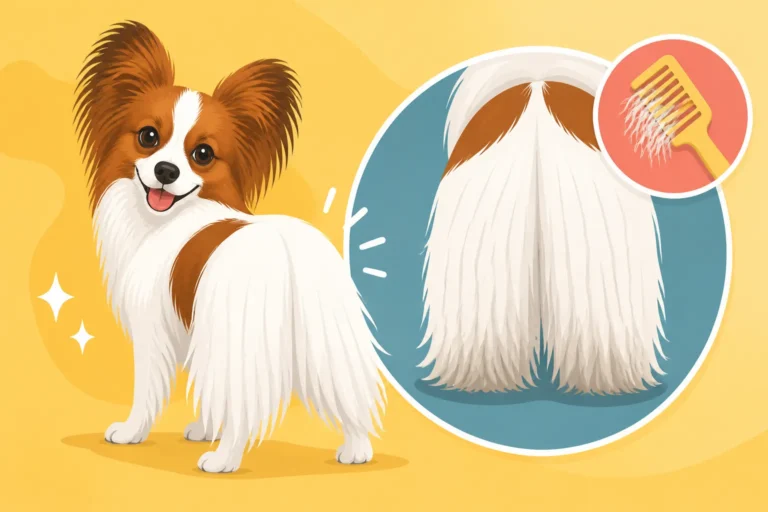
One of the primary reasons a Papillon's coat feels so silky is that they have what's known as a single coat. This means they lack the dense, woolly undercoat that many cold-weather breeds, like Huskies or even their fellow toy breed, the Pomeranian, possess. Instead, their coat consists entirely of longer, finer guard hairs. This absence of an undercoat means there's no fuzzy, cotton-like layer underneath to create bulk or a coarser texture. It's all about that elegant outer layer.
Imagine the difference between a thick sheep's wool sweater and a delicate silk scarf. The Papillon's coat is much more akin to that silk scarf – light, flowing, and unburdened by extra bulk. This is why their feathering moves so freely, especially those impressive ear fringes and tail plume. Without that heavy undercoat, the hair has an incredible freedom of movement and drape, contributing significantly to its perceived silkiness.
This single-coat characteristic is also why you often hear that Papillons are less prone to heavy shedding seasons, although they certainly still shed. They don't "blow" their coat in massive clumps like double-coated breeds do. Instead, individual hairs are replaced more gradually, and due to their fine nature, they tend to collect less conspicuously around the house. It's a big relief for many owners who've dealt with mountains of fur from other breeds!
The Microscopic Details of Silky Hair
The individual hair shafts of a Papillon's coat are truly fascinating when you consider them up close. Each strand is incredibly fine and smooth, with a minimal number of cuticle layers compared to coarser hair types. The cuticle is the outermost layer of the hair shaft, made up of overlapping scales, much like shingles on a roof. In coarse hair, these scales are often more raised, making the hair feel rougher and more prone to tangling.
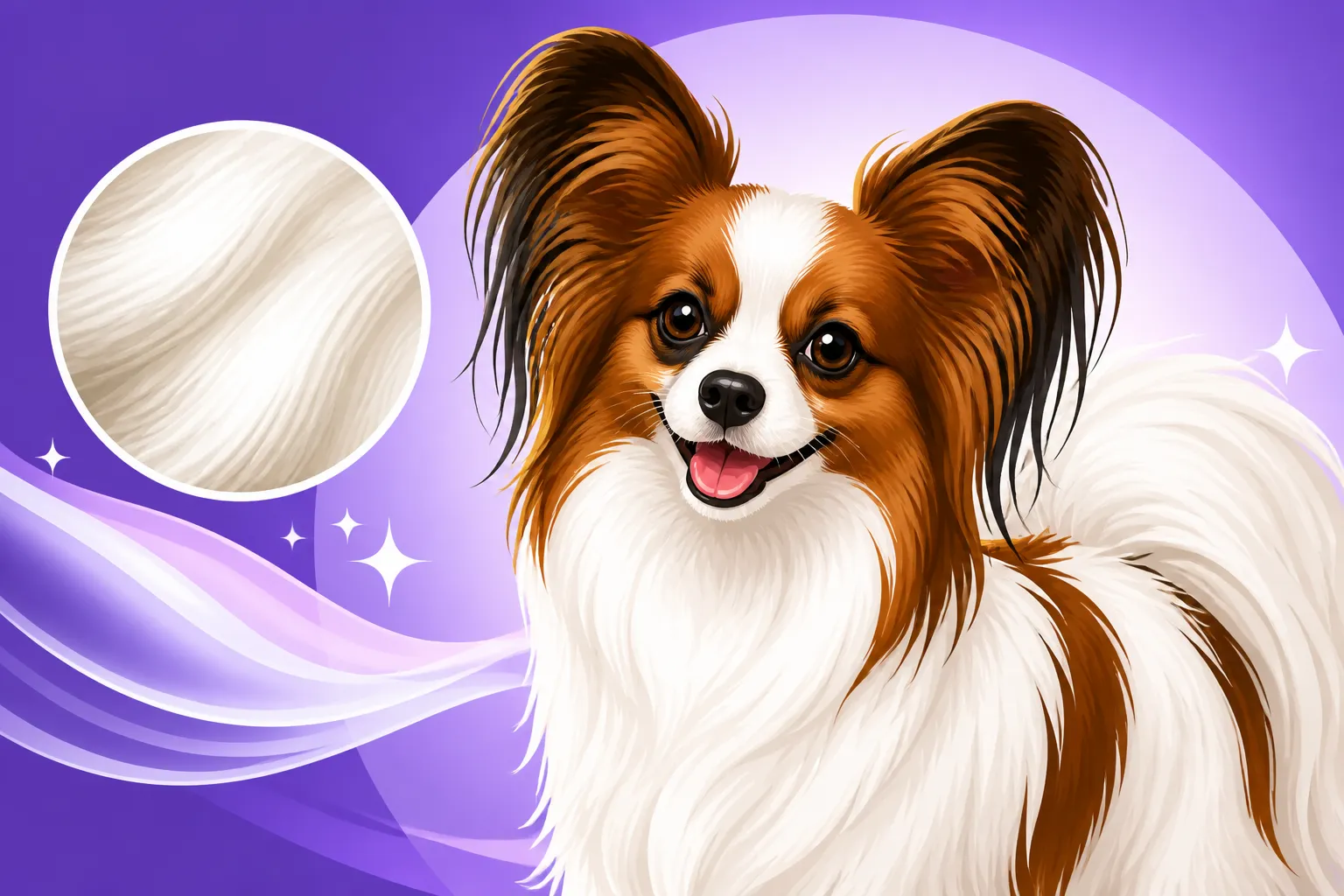
Papillon hair, by contrast, has flatter, smoother cuticle scales that lie very close to the hair shaft. This smooth surface reduces friction between individual hairs, allowing them to glide past each other effortlessly. This is the secret to that characteristic "silky" sensation – it's literally a smoother surface at a microscopic level. It also reflects light beautifully, giving their coat a natural sheen and luster, making it look as good as it feels.
Furthermore, the diameter of each hair shaft tends to be quite consistent along its length, without the variations that can lead to breakage or a frizzy appearance in other coat types. This uniformity contributes to the overall strength and resilience of the fine hair, allowing it to grow quite long without becoming brittle. It’s a delicate balance of fineness and strength that truly defines the silky texture.
The Role of Natural Oils and Skin Health
A healthy Papillon's skin naturally produces oils that are crucial for maintaining the "silky" quality of their coat. These natural sebum oils lubricate the hair shafts, keeping them supple, hydrated, and further enhancing their smooth texture. Think of it as a built-in conditioner! When the skin and coat are healthy, these oils are distributed evenly, giving the coat a vibrant, glossy appearance.
If a Papillon's skin is dry, irritated, or if their diet is lacking, you'll often see an immediate impact on their coat. It might become dull, feel coarser, or even appear brittle. This isn't just an aesthetic problem; it can also indicate underlying health issues. A well-hydrated skin barrier and a balanced production of natural oils are paramount to that characteristic silky feel and look. Owners should always keep an eye on their Papillon’s skin condition as an indicator of overall health.
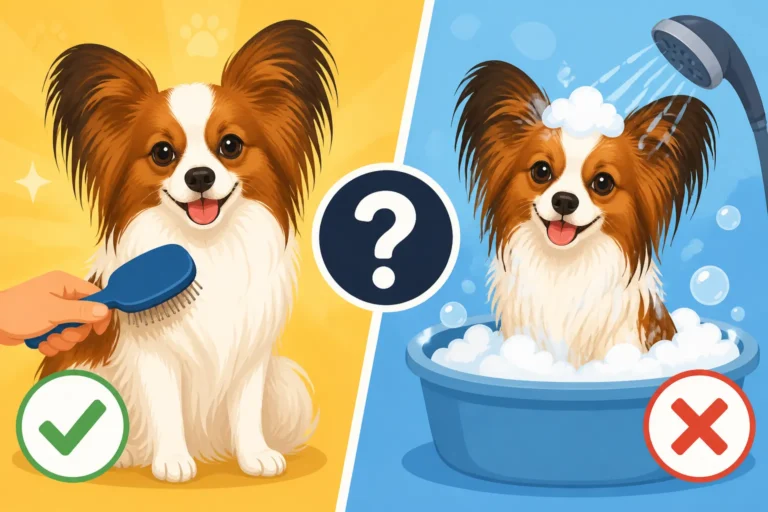
This means that proper bathing and conditioning practices are also key. While you want to keep the coat clean, over-bathing with harsh shampoos can strip these vital natural oils, leading to a dry, less silky coat. Finding the right balance in their grooming routine helps preserve that natural, luxurious feel. You want to enhance, not diminish, what nature has already provided.
Tracing the Origins: How Papillon Genetics Developed a Silky Coat
The Papillon's distinctive silky coat isn't just a happy accident; it's the result of centuries of careful breeding and selection, tracing back to its European roots. Understanding this history helps us appreciate the deliberate cultivation of this beautiful trait.
The Influence of Their Dwarf Spaniel Ancestry
The Papillon, or Continental Toy Spaniel, descends from the elegant dwarf spaniels that graced the laps of European aristocracy for centuries. These dogs were beloved companions, and their appearance, particularly their lavish coats, was a point of pride. When you look at paintings from the Renaissance, you often see these small dogs depicted with long, flowing hair. This wasn't an artistic embellishment; it was a defining characteristic.
Early dwarf spaniels likely had coats that varied in texture, but as breeders began to refine the lines, there was a clear preference for a softer, more luxurious feel. The "silky" texture we see today is a testament to this historical selection. These dogs were not bred for harsh outdoor work that would require a weather-resistant, dense coat. Instead, they were bred for beauty, companionship, and grace within the confines of palaces and noble homes. The traits that made their coats beautiful also made them desirable as luxury pets.
The very name "spaniel" itself often brings to mind dogs with soft, flowing ears and plumed tails, and the Papillon certainly lives up to that imagery. This long lineage of companion dogs, valued for their aesthetic qualities, intrinsically led to the development of such a fine and silky coat. It was a hallmark of their elegance and suitability for indoor living.
Breeding for Desirable Appearance and Function
Over generations, breeders focused on enhancing specific aesthetic qualities that we now associate with the Papillon. The long, delicate feathering on their ears (resembling butterfly wings, hence "Papillon"), the elegant culottes on their hind legs, and the dramatic tail plume were all emphasized. For these features to truly stand out, the hair needed to be fine and flowing, not coarse or dense. A silky texture allowed these features to drape beautifully, giving the breed its characteristic ethereal look.
This selective breeding wasn wasn't just about looks; it also had a functional aspect, albeit a luxurious one. A fine, silky coat is lighter and less prone to overheating indoors compared to a thick double coat. For dogs primarily living inside, often on laps or soft furnishings, this lighter coat would have been more comfortable. It also meant that their coats, while long, didn't shed excessively in a way that would be a nuisance in a household, further solidifying their role as refined indoor companions. You can learn more about this in A Papillon's Coat Is All Fringe and No Undercoat.
The "silky" descriptor also speaks to the ease of grooming, relatively speaking, for a long-coated breed. While it still requires care, the lack of an undercoat meant less dense matting and easier brushing compared to many other long-haired breeds. Breeders, and owners, certainly would have appreciated a coat that was manageable while still being stunning. This made the Papillon a practical choice for those seeking beauty without undue grooming burden.
What "Silky" Means for Your Papillon's Daily Life and Care
Beyond the scientific explanation and historical context, the silky nature of your Papillon's coat has very real implications for how they live and how you care for them. It influences everything from how much they shed to what kind of brushing they need.
Shedding: More Draping, Less Fluff
One of the common misconceptions about long-haired dogs is that they all shed excessively. While Papillons do shed, their single, silky coat means a different experience than with double-coated breeds. Instead of thick tufts of undercoat coming out in seasonal "blows," Papillons tend to shed individual hairs more consistently throughout the year. These fine hairs are less likely to stick to everything in thick clumps and often settle on surfaces or get caught in their own longer fur, making cleanup less of a chore.
The silky nature of their coat also means that shed hairs often "drape" rather than "float." They tend to lie down rather than become airborne dust bunnies. Regular brushing is key to capturing these shed hairs before they make it to your furniture or clothing. It's a proactive approach that keeps the house tidier and your Papillon's coat healthier. This is a common source of surprise for new Papillon owners, who might expect more shedding from such a magnificent coat. For more details, see Where a Papillon's Shed Coat Actually Ends Up.
Think of it this way: instead of a dense blanket of fur, you're dealing with delicate threads. While there will still be hair, it's generally more manageable and less overwhelming than the shedding of a thick, double-coated breed. This is a significant advantage for many people, especially those who prefer a cleaner home environment but still desire a long-haired companion.
Matting Tendencies and Prevention
While a Papillon's silky coat is generally less prone to severe matting than a dense double coat, it's not entirely immune. The areas where mats are most likely to form are typically those with friction: behind the ears, in the armpits, under the collar or harness, and in their "culottes" (the long feathering on their hind legs). These fine hairs, when rubbed together repeatedly, can quickly intertwine and tighten into painful knots.
The key to preventing mats in a silky coat is diligent and consistent grooming. Because the hair is so fine, small tangles can quickly become larger, more intractable mats if left unattended. It's much easier to gently comb out a small snarl than to tackle a solid felted mat. Many owners find a daily quick brush-through, especially in those high-friction areas, is enough to keep mats at bay. This small investment of time prevents much larger problems and discomfort for your dog. For specific advice, check out Where a Papillon Mats.
If you do encounter a mat, it's important to be gentle. Never pull or yank at the hair. Instead, use a detangling spray and carefully work the mat apart with your fingers or the tip of a comb, working from the outer edge inwards. For severe mats, it’s always best to consult a professional groomer or your vet, as attempting to cut them out yourself can easily lead to accidental skin nicks due to how tightly mats can pull the skin.
The Tactile Experience of "Silky"
Beyond just looking beautiful, a Papillon's silky coat offers a truly delightful tactile experience. It feels incredibly soft and smooth to the touch, often cool and light against your hand. When your Papillon trots, their coat flows and ripples with every movement, creating a dynamic and elegant silhouette. It truly is a living piece of art.
This delicate texture also means the coat is surprisingly lightweight for its length. It doesn't weigh the dog down or create a heavy burden, even in warmer weather (though care is still needed to prevent overheating). The hair moves freely, never feeling stiff or coarse, which adds to the breed's graceful appearance and agile movement. It’s a coat that you just want to pet and admire, truly living up to its "silky" name.
For many Papillon owners, this tactile quality is one of the most endearing aspects of the breed. It’s a constant reminder of their delicate beauty and an invitation for cuddles. The feeling of that soft, flowing hair against your skin is a unique pleasure that often becomes a cherished part of owning one of these wonderful dogs.
Keeping That Silky Papillon Coat Looking Its Best
Maintaining that signature silky coat requires a consistent, gentle approach. It’s not overly demanding, but regular attention will ensure your Papillon always looks and feels magnificent.
Brushing Routines for Silky Hair
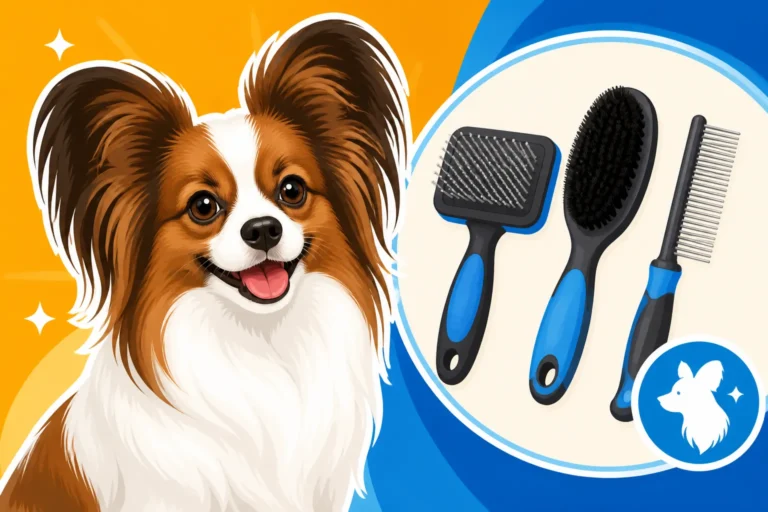
Regular brushing is the cornerstone of Papillon coat care. While their single coat mats less severely than some, daily or every-other-day brushing is ideal to prevent tangles and remove loose hair. The right tools make all the difference: a good quality pin brush, a metal greyhound comb, and perhaps a small slicker brush for stubborn areas are usually all you need. Start by gently misting the coat with a detangling spray to minimize breakage.
When brushing, always work in layers, gently parting the hair and brushing from the skin out. Pay close attention to the areas prone to matting: behind the ears, the armpits, under the harness, and the culottes. The metal comb is excellent for checking for hidden tangles once you've gone over the coat with the pin brush. If you find a snag, don't pull! Instead, use your fingers to gently tease it apart. Consistency is more important than marathon grooming sessions. For more details on what tools to use, see Which Brush a Papillon Needs.
- Pin Brush: Excellent for general brushing and removing loose hair without pulling. Look for one with smooth, rounded pins that won't scratch the skin.
- Metal Comb: Essential for checking for mats and getting into areas the brush might miss. Choose one with both wide and fine teeth.
- Slicker Brush (Optional): Can be useful for gently working out small tangles, but use sparingly and with a light hand, as aggressive use can damage the fine hair.
Bathing and Conditioning for Luster
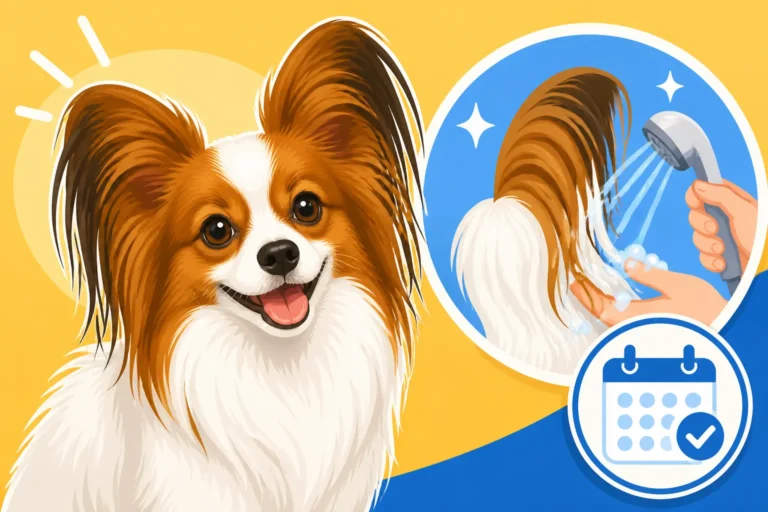
Bathing a Papillon doesn't need to be an overly frequent event, but when you do, it’s an opportunity to enhance their coat's natural silkiness. Generally, bathing every 2-4 weeks, or when they're visibly dirty, is sufficient. Using a high-quality shampoo and conditioner specifically formulated for long-haired or silky coats will help maintain the hair's health and luster without stripping natural oils. You can find excellent options from reputable brands like those available on Chewy or Amazon.
Always dilute shampoo and conditioner according to product instructions, as direct application can be too concentrated for fine hair. Lather gently, focusing on cleaning the skin as well as the coat, and rinse thoroughly to ensure no residue is left behind, which can dull the coat and irritate the skin. Following up with a good conditioner is crucial to keep the hair moisturized and smooth, preventing tangles and static.
When drying, gently towel-dry first to remove excess water. Then, use a low-heat hairdryer while brushing the coat to ensure it dries straight and smooth. This technique helps prevent frizz and enhances the silky texture. Allowing a Papillon to air dry completely can sometimes lead to waves or minor tangles in their fine coat. Remember, a clean, well-conditioned coat is a happy, silky coat!
Nutrition's Role in Coat Health
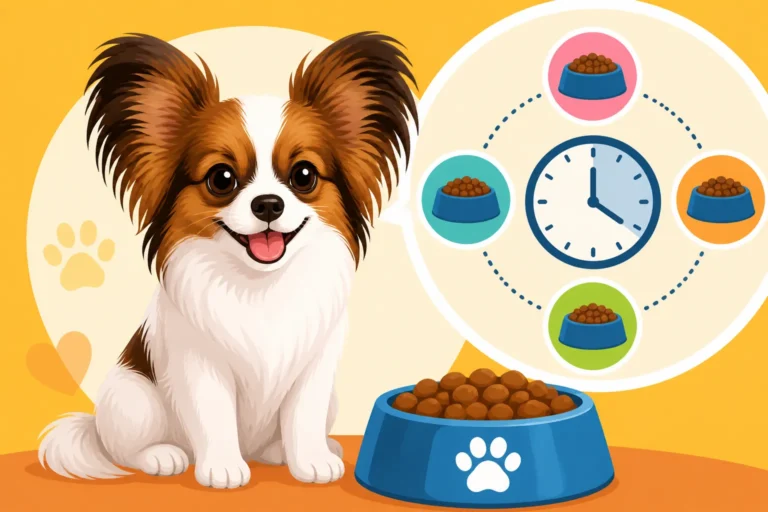
What goes into your Papillon's body significantly impacts the quality of their coat. A high-quality diet rich in essential fatty acids, particularly Omega-3 and Omega-6, is vital for healthy skin and a glossy, silky coat. These nutrients contribute to the production of natural oils that keep the hair supple and vibrant. Look for dog foods that list ingredients like salmon oil, flaxseed, or other healthy fats. Some owners explore fresh food options like Ollie, which can often be tailored for optimal skin and coat health.
Avoid low-quality dog foods that rely heavily on fillers, as these often lack the necessary nutrients to support a healthy coat. If your Papillon's coat seems dull, dry, or brittle despite a good grooming routine, a dietary adjustment might be in order. Consulting with your veterinarian about nutritional supplements, such as fish oil, can also be beneficial, but always do so under their guidance to ensure proper dosage and suitability for your individual dog.
Hydration is also critical. Ensure your Papillon always has access to fresh, clean water. Dehydration can manifest in dull, dry skin and a less vibrant coat, among other health issues. A well-nourished and well-hydrated Papillon will naturally exhibit that desirable silky, lustrous coat that the breed is so famous for.
Here’s a quick comparison of what makes a silky coat different from a denser double coat:
| Feature | Papillon (Silky Single Coat) | Double Coat (e.g., Pomeranian, Husky) |
|---|---|---|
| Layers | Single layer of guard hairs | Two layers: soft undercoat + coarser guard hairs |
| Texture | Fine, smooth, flowing, cool to the touch | Dense, fluffy, woolly undercoat; coarser top coat |
| Shedding | Consistent, lighter shedding of individual hairs; drapes | Seasonal "blows" of undercoat; significant fluff/clumps |
| Matting Risk | Moderate, mainly in high-friction areas if not brushed | High, especially if undercoat is neglected |
| Grooming Time | Moderate; regular brushing to prevent tangles | High; extensive brushing to de-shed undercoat and prevent mats |
| Weather Adapt. | Less insulation; prefers temperate climates, needs protection in extreme cold/heat | Excellent insulation; tolerant of varied climates |
| Feel | Luxurious, soft, glides through fingers | Plush, dense, often feels thicker and more rugged |
Disclaimer
This article is for general informational purposes only and does not constitute professional advice. Laws, prices and regulations vary by location and change over time. Consult a qualified professional for guidance on your specific situation.