Whether a Papillon’s Ear Hair Traps Moisture
It's a common concern for us Papillon lovers with those magnificent, fringed ears: does all that beautiful hair actually cause problems by trapping moisture? You might worry that their signature "butterfly" ears, while gorgeous, are secretly holding onto dampness and setting the stage for ear woes. This guide is here to shed light on how a Papillon's ear hair interacts with moisture and what you can do to keep those delicate ears healthy and dry.
Understanding the Papillon's Unique Ear Structure
When you look at a Papillon, those ears are the first thing that catch your eye, aren't they? They're iconic, truly. But beyond their stunning appearance, it's worth understanding what's really going on with all that hair.
The Papillon's Signature Butterfly Ears
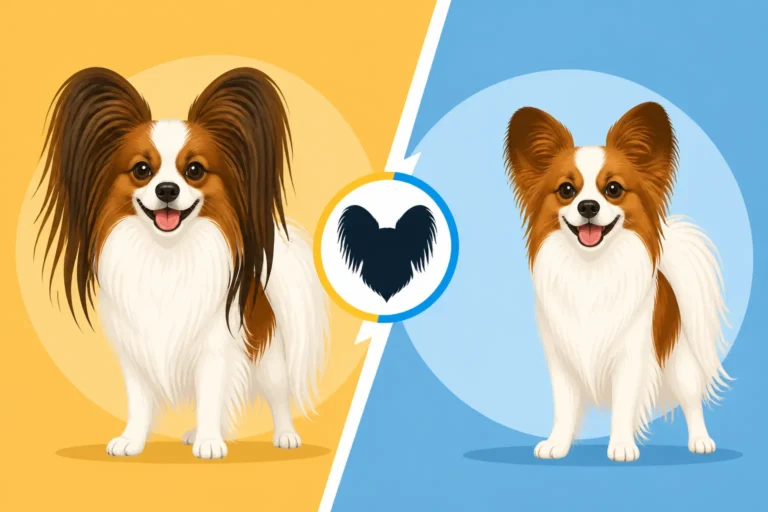
The name "Papillon" literally means "butterfly" in French, and it's no mystery why. Those large, erect ears, set high on the head, with their abundant, flowing fringes, perfectly mimic a butterfly's open wings. This feathering isn't just for show; it's a defining characteristic of the breed. The hair on their ears is long, silky, and can be quite dense, extending well beyond the ear leather itself. It creates a beautiful frame around their alert, intelligent faces. This is often the first thing people notice, and many of us spend time carefully brushing The Ear Fringe That Gives the Papillon Its Name.
However, the sheer volume of this delicate hair naturally leads owners to wonder about its practical implications, especially when it comes to hygiene and potential issues like trapped moisture. It’s a valid question, as hair on and around the ears can sometimes be a double-edged sword for canine health.
The Role of Feathering in Other Breeds vs. Papillons
Many dog breeds have feathering, which is essentially longer hair on certain parts of their body, like their legs, tail, and yes, ears. In some breeds, particularly those with a thick double coat or heavy, pendulous ears (think Basset Hounds or Cocker Spaniels), this dense hair can indeed contribute to trapping moisture and creating a warm, damp environment that's perfect for bacterial or yeast overgrowth. These breeds often have inner ear canals that are well-covered, making them prone to infections.
A Papillon's coat, however, is distinct. It's a single coat, meaning it doesn't have the dense undercoat that many other breeds possess. While the ear fringe is plentiful, it's generally fine and silky, not thick and woolly. This difference is key because it impacts how air circulates and how moisture might be retained. The lack of a dense undercoat generally means that their skin can "breathe" more easily, which extends to their ears as well, even with all that beautiful hair. For a deeper dive into their coat type, you can read A Papillon's Coat Is All Fringe and No Undercoat.
The Truth About Moisture Trapping in Papillon Ears
So, what's the real story? Do those luxurious ear fringes turn into tiny sponges, holding onto water and causing trouble? It's a nuanced answer, often depending on several factors unique to your Papillon and their environment.
Airflow and the Papillon's Erect Ears
One of the biggest advantages a Papillon has when it comes to ear health is their erect ear set. Unlike breeds with drop ears that hang down and cover the ear canal, Papillon ears stand up, open to the air. This natural positioning allows for significantly better air circulation around and into the ear canal. Good airflow is a natural enemy of moisture, helping any dampness evaporate quickly rather than lingering. This ventilation is a huge protective factor against the warm, moist conditions that fungi and bacteria love.
Think of it like this: an open window lets a breeze dry things out, while a closed window keeps the air still and damp. A Papillon's ears are essentially "open windows" in the dog world. This inherent design means that, despite the long hair, the risk of moisture getting trapped deep within the canal is generally lower compared to breeds where the ear leather itself acts like a lid. This is a big reason why Papillons are often considered to have relatively healthy ears, provided routine care is maintained.
Potential Moisture Accumulation Zones
While the erect ear carriage is a definite plus, it doesn't make Papillon ears entirely immune to moisture problems. There are still specific areas where dampness can accumulate, and it's usually less about the hair trapping it, and more about the skin and folds at the base of the ear or within the very outer part of the canal.
For example, after a bath, if the ear fringes aren't thoroughly dried, the hair closest to the ear leather, or even the skin under the feathering, can stay damp. Similarly, if your Papillon goes for a swim and dips their head, water can run down the ear and pool at the base. Sweat can also collect in these areas, especially during hot, humid weather or after vigorous exercise. The fine hairs just inside the outer ear canal might wick some of this moisture in. This dampness isn't usually trapped by the long fringes themselves, but rather by gravitational pull and inadequate drying, creating a moist environment at the ear's entrance.
Factors That Increase Moisture Risk
Several factors can increase the likelihood of moisture-related issues in your Papillon's ears. Awareness of these can help you be more proactive.
Firstly, bathing and swimming are the most obvious culprits. If you don't properly dry your Papillon's ears after they've been wet, whether from a full bath or a splash in a kiddy pool, moisture can linger. Even getting caught in a sudden downpour on a walk can introduce enough dampness to cause concern if not addressed. You might be surprised how much effort goes into getting their coat completely dry, and the ears are no exception. Knowing How Long a Papillon Takes to Dry is crucial.
Secondly, high humidity in the environment can be a silent enemy. If you live in a perpetually humid climate, the air itself can keep your dog's ears from drying out completely, even without direct water exposure. This can contribute to a consistently damp environment, making them more susceptible to issues.
Thirdly, allergies or existing ear conditions can create a vicious cycle. Dogs with skin allergies, for instance, might have inflamed or itchier ear canals, leading to more ear wax production or even discharge. This extra moisture, combined with the irritation, creates a perfect breeding ground for secondary infections. Furthermore, if your Papillon already has a minor infection, the inflammation can make the ear canal swell, further reducing airflow and trapping any existing discharge, worsening the problem.
Preventing Moisture-Related Ear Issues
Preventing ear problems is always easier than treating them. With those beautiful Papillon ears, a little proactive care goes a long way to ensure they remain healthy and free from moisture-related issues.
Post-Bath and Swim Routine
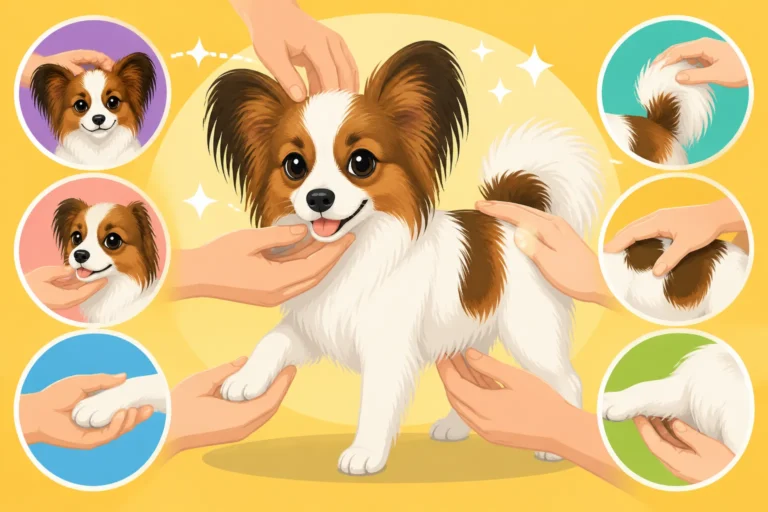
After your Papillon has been bathed or enjoyed a dip, a thorough drying routine is non-negotiable. Don't just towel dry the body and assume the ears are fine. Start by gently squeezing any excess water from the ear fringes. Then, take a soft, absorbent towel and carefully blot the entire ear, focusing on the ear leather and the hair closest to the head. You can also use a low-setting hairdryer, keeping it at a safe distance and constantly moving it to avoid overheating. Test the temperature on your own skin first to ensure it's comfortable for your dog.
Once the outer ears and fringes are mostly dry, turn your attention to the inner ear. Use a clean cotton ball or a soft piece of gauze to gently wipe the visible parts of the ear canal opening. Never insert anything deep into the ear canal, as this can push debris further in or damage delicate structures. The goal is to absorb any standing water from the accessible outer regions. Being thorough here prevents moisture from settling and creating a hospitable environment for bacteria. Remember, patience is key when drying their delicate ears.
Regular Ear Inspection and Cleaning
Routine ear care is vital for Papillons. Aim to inspect your dog's ears weekly, or more often if they're prone to getting wet. What are you looking for? Start with appearance: Are the inner ear leathers a healthy pale pink, or do they look red or inflamed? Next, smell: Is there any unusual odor, often described as yeasty or pungent? Finally, check for discharge: Is there excessive dark wax, pus, or any sticky residue? Any of these signs warrant closer attention.
For cleaning, if your Papillon's ears are generally healthy, a simple wipe with a soft cloth or cotton ball to remove visible dirt and debris is usually enough. If you notice a bit more wax, you can use a veterinary-approved ear cleaner. Apply a few drops to a cotton ball and gently wipe the accessible parts of the ear. Again, never insert cotton swabs or anything else deeply into the canal. You can purchase effective, gentle ear cleaners from pet supply retailers like Chewy or Amazon. Consistent, gentle cleaning can prevent minor buildup from becoming a problem. It's also good to know What to Clean a Papillon's Ears With.
Grooming the Ear Hair for Health
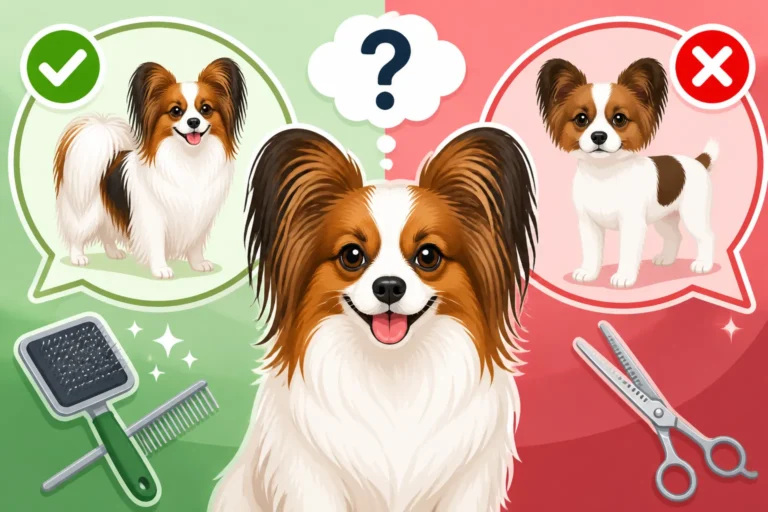
While those long ear fringes are a hallmark of the Papillon, sometimes a little strategic grooming can help prevent issues. For the long outer fringe, regular brushing is essential to prevent mats, which can indeed trap debris and dampness against the skin. Make sure you brush Whether a Papillon's Ears Should Be Brushed Separately to keep them free-flowing.
Inside the ear canal, some Papillons may grow fine hairs. While usually not as dense as in some other breeds (like Poodles, which often require plucking), if these hairs become excessive and seem to be trapping wax or impeding airflow, they can be carefully trimmed. This is a task best left to a professional groomer or your veterinarian, as the ear canal is very sensitive. They have the right tools and expertise to safely trim or pluck these internal hairs without causing injury. Don't attempt to pluck hairs from deep within the ear canal yourself unless specifically instructed and trained by a vet. Over-trimming can also remove protective barriers, so it's a balance.
Recognizing and Addressing Ear Problems
Even with the best preventative care, sometimes ear problems can still crop up. Knowing what to look for and when to seek professional help is critical for your Papillon's comfort and health.
Signs of Ear Infection or Irritation
A Papillon in discomfort from an ear problem will often give you clear signals. One of the most common signs is excessive scratching or pawing at their ears. They might also frequently shake their head, sometimes violently, as if trying to dislodge something. You might notice redness or swelling around the ear canal opening, or even an unpleasant odor emanating from the ear – often described as sweet, yeasty, or even pungent and foul.
Other symptoms can include a discharge from the ear that is dark, waxy, yellow, or even bloody. Your dog might also show sensitivity when you touch their head or ears, yelping or pulling away. In more severe cases, they might tilt their head to one side, or even show signs of imbalance or hearing loss. If you notice any of these indicators, it's a clear sign that something isn't right and warrants attention. These signs can sometimes be subtle, especially in the early stages, so regular inspection, as discussed, is paramount. If you suspect Whether a Papillon Gets Ear Infections, act quickly.
When to Seek Veterinary Care
As soon as you notice any of the aforementioned signs of ear irritation or infection, it's time to call your veterinarian. While it might be tempting to try home remedies, ear problems can escalate quickly and cause significant pain and discomfort for your Papillon. A professional diagnosis is crucial because different types of infections (bacterial, yeast, mites) require different treatments. Your vet can examine the ear canal using an otoscope, clean it thoroughly, and take a swab to identify the specific pathogen or issue at play.
Self-treating can mask symptoms, make diagnosis harder, or even worsen the condition. For example, some ear cleaners are not safe for ears with a ruptured eardrum, which can happen with severe infections. Only a vet can safely assess the internal structures. Timely intervention not only provides faster relief for your dog but can also prevent chronic ear problems or more serious complications. It's an important part of How Often a Papillon Needs a Wellness Exam.
Common Ear Ailments in Papillons
While Papillons with their erect ears are generally less prone to certain ear infections than their floppy-eared counterparts, they can still experience a range of ear ailments. The most common issues are:
- Yeast Infections: Often caused by Malassezia pachydermatis, yeast thrives in warm, moist, dark environments. Symptoms include a greasy discharge, a strong yeasty odor, and itching.
- Bacterial Infections: These can be primary or secondary to other issues. They often cause red, inflamed ears, painful discharge, and a foul smell.
- Ear Mites (Otodectes cynotis): Though less common in adult, well-cared-for dogs, puppies can easily pick up these tiny parasites. They cause intense itching and a distinctive dark, crumbly, "coffee ground" discharge.
- Allergies: Environmental or food allergies can manifest as itchy, red, and inflamed ears, leading to secondary infections if left untreated.
- Foreign Bodies: While less likely due to their erect ears, sometimes grass seeds or other small objects can work their way into the ear canal, causing irritation and infection.
Understanding these possibilities helps you communicate more effectively with your vet and advocate for your Papillon's best health. Early detection and proper treatment are key to keeping those beautiful butterfly ears happy and healthy.
Ear Health Overview for Papillons
| Issue | Common Signs | Papillon Specifics | Action Required |
|---|---|---|---|
| Moisture Trap | Dampness at ear base, faint odor, greasy feel | Less common deep in canal due to erect ears, but can occur at the base or within long fringes if not dried properly after bathing/swimming. | Thorough drying, regular inspection. |
| Yeast Infection | Yeasty odor, dark/greasy discharge, itching, redness | Can occur if moisture/humidity is present, or underlying allergies create a favorable environment. | Vet visit for diagnosis and antifungal treatment. |
| Bacterial Infection | Foul odor, pus-like discharge, pain, redness, swelling | Often secondary to yeast or allergies. Can be painful and quickly worsen. | Urgent vet visit for diagnosis and antibiotics. |
| Ear Mites | Intense itching, head shaking, dark "coffee ground" discharge | More common in puppies or rescue dogs. Highly contagious. | Vet visit for diagnosis and parasiticides. |
| Allergies | Chronic itching, redness, inflammation, recurrent infections | Can be environmental or food-related, often manifesting in ear canals. Requires management of the underlying allergy. | Vet visit for diagnosis, allergy management plan. |
| Foreign Body | Sudden discomfort, scratching, head tilting, discharge (one ear usually) | Possible but less common than in floppy-eared breeds. May require sedation for removal. | Vet visit for removal and infection treatment. |
Disclaimer
This article is for general informational purposes only and does not constitute professional advice. Laws, prices and regulations vary by location and change over time. Consult a qualified professional for guidance on your specific situation.