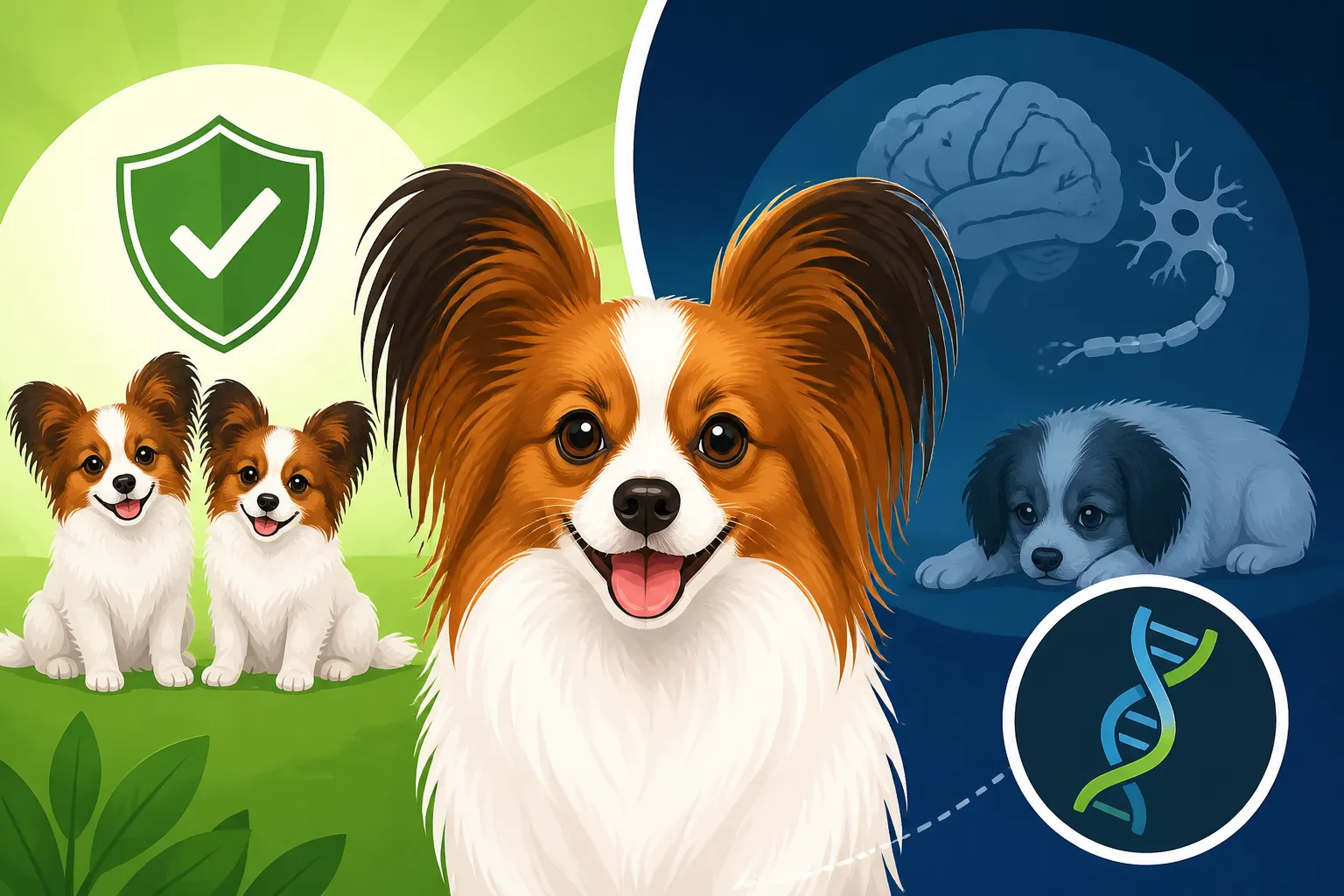
Whether Neuroaxonal Dystrophy Can Be Bred Out of Papillons
It’s truly devastating when a new puppy, full of life and promise, starts showing concerning neurological symptoms. Many Papillon owners have faced the heartbreak of a diagnosis like Neuroaxonal Dystrophy (NAD), a condition that can steal a vibrant puppy's future far too soon. This guide aims to thoroughly explore what Neuroaxonal Dystrophy is, how it impacts our beloved Papillons, and, crucially, whether responsible breeding practices can indeed eradicate this genetic hurdle from the breed.
Understanding Neuroaxonal Dystrophy in Papillons
When you bring a Papillon puppy home, you envision years of joyful companionship, not a life cut tragically short by a neurological disorder. Neuroaxonal Dystrophy is one of those incredibly tough diagnoses that can shatter those dreams, and it’s important for every current and prospective Papillon owner to understand what it entails.
What is Neuroaxonal Dystrophy?
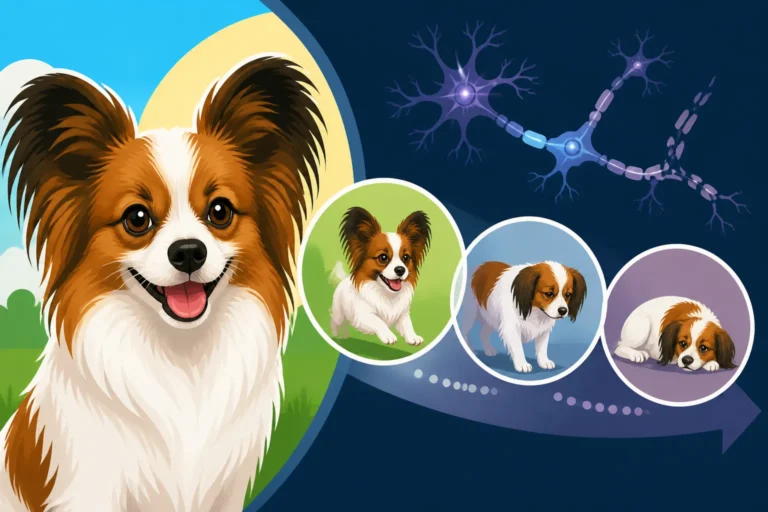
Neuroaxonal Dystrophy (NAD) is a severe, inherited neurological disorder that primarily affects young Papillon puppies. Imagine a complex electrical system where the wiring itself starts to fray and break down; that's a bit like what happens in a dog with NAD. Specifically, it involves the degeneration of axons—the long, slender projections of nerve cells that transmit electrical impulses to other cells. When these axons, particularly those in the central and peripheral nervous systems, begin to deteriorate, the brain and body can no longer communicate effectively.
This breakdown leads to a range of progressive neurological symptoms. Puppies might start to exhibit signs like difficulty with coordination, a wobbly gait (ataxia), head tremors, or even struggle to stand or walk normally. It's not just a clumsy phase; these are serious signs that something is deeply wrong with their nervous system. The impact on a puppy is profound, often leaving them unable to perform basic movements, losing their balance with increasing frequency. To see the devastating effects, you might want to learn more about what Neuroaxonal Dystrophy Does to a Papillon. It’s a truly heartbreaking condition to witness.
The Heartbreaking Progression of the Disease
What makes NAD particularly cruel is its typical age of onset and rapid progression. We're not talking about a condition that manifests in old age; symptoms usually appear in very young puppies, often between 3 to 6 months of age, though it can sometimes be seen even earlier. This means a family falls in love with a tiny, fluffy bundle, only to see its health decline dramatically during its most formative months. If you're wondering about the timing, you can read more about The Age Neuroaxonal Dystrophy Shows in a Papillon.
Initially, the signs might be subtle – a slight tremor when the puppy is excited, or an occasional stumble. But as the disease progresses, these symptoms become much more pronounced and debilitating. The puppy’s ability to move, play, and interact normally diminishes quickly. There's currently no effective treatment for NAD, and the sad reality is that the condition is progressive and ultimately fatal. Owners are often faced with the agonizing decision of euthanasia to prevent further suffering, which is an unimaginable burden for any pet parent. The speed at which it takes hold is truly shocking, making the urgency of addressing it through breeding all the more critical. For a deeper dive into the disease's progression, consider reading about How Fast Neuroaxonal Dystrophy Progresses in a Papillon.
The Genetic Blueprint: How NAD is Inherited
Understanding the "how" behind Neuroaxonal Dystrophy's inheritance is absolutely paramount if we ever hope to breed it out of our Papillons. It's not some random occurrence; it follows a clear genetic pattern.
Autosomal Recessive Inheritance
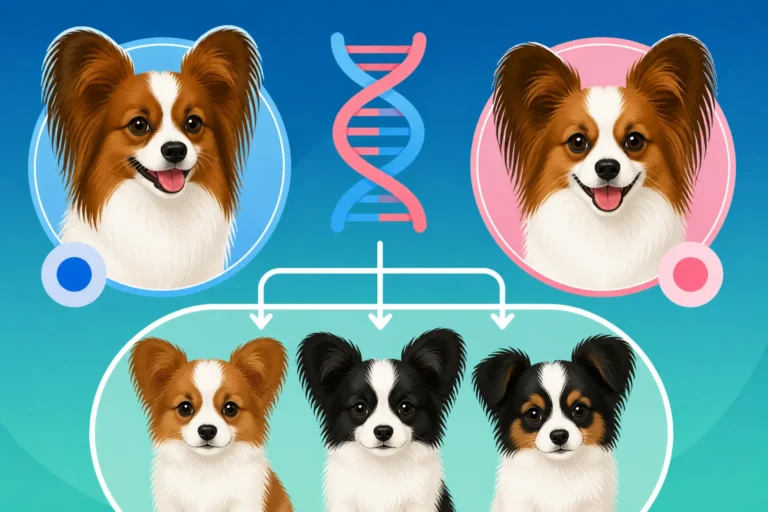
Neuroaxonal Dystrophy in Papillons is inherited in an autosomal recessive manner. Now, don't let the scientific terms scare you off; it's simpler than it sounds. "Autosomal" just means the gene responsible isn't on the sex chromosomes (X or Y), so both males and females are equally susceptible. "Recessive" means that a puppy must inherit two copies of the defective gene—one from each parent—to actually develop the disease.
Here’s how it works:
- Clear dogs (N/N): These dogs have two normal copies of the gene. They won't develop NAD, and they can't pass the defective gene on to their offspring.
- Carrier dogs (N/nad): These dogs have one normal copy and one defective copy of the gene. They are perfectly healthy themselves and will never develop NAD. However, they can pass the defective gene on to their puppies.
- Affected dogs (nad/nad): These dogs have two defective copies of the gene. They will develop NAD and, sadly, suffer from its devastating symptoms.
The critical point here is the carrier. A carrier dog looks and acts completely normal, which means breeders can unknowingly perpetuate the gene in their lines if they aren't testing. When two carrier dogs are bred together, that's when the trouble starts.
Let's break down the probabilities when breeding based on parental status:
| Parent 1 Status | Parent 2 Status | Clear Puppies (N/N) | Carrier Puppies (N/nad) | Affected Puppies (nad/nad) |
|---|---|---|---|---|
| Clear (N/N) | Clear (N/N) | 100% | 0% | 0% |
| Clear (N/N) | Carrier (N/nad) | 50% | 50% | 0% |
| Clear (N/N) | Affected (nad/nad) | 0% | 100% | 0% |
| Carrier (N/nad) | Carrier (N/nad) | 25% | 50% | 25% |
| Carrier (N/nad) | Affected (nad/nad) | 0% | 50% | 50% |
| Affected (nad/nad) | Affected (nad/nad) | 0% | 0% | 100% |
As you can see from the table, the risk of producing affected puppies arises specifically when at least one parent is a carrier or affected. The most common scenario leading to affected puppies from seemingly healthy parents is when both parents are unknowing carriers. For more on this, you can look into Whether Two Carrier Papillons Can Produce an Affected Puppy.
The Crucial Role of DNA Testing
Given that carrier dogs appear completely healthy, relying solely on observing dogs for symptoms is simply not enough to control NAD. This is precisely why DNA testing is not just helpful but absolutely essential. A simple, non-invasive DNA test—usually involving a cheek swab—can definitively identify whether a dog is clear, a carrier, or affected by Neuroaxonal Dystrophy.
These tests are widely available through specialized veterinary genetic laboratories. Reputable labs like those run by the Orthopedic Foundation for Animals (OFA) often include NAD testing as part of a comprehensive Papillon health panel. The results give breeders the critical information they need to make informed decisions about their breeding program. By testing all potential breeding stock, breeders can immediately identify carriers and, crucially, avoid mating two carriers together, which is the only way to produce an affected puppy.
Without DNA testing, breeders are essentially flying blind, leaving the possibility of producing affected puppies to chance. This proactive approach is the cornerstone of any effort to reduce and eventually eliminate a recessive genetic disease like NAD from a breed. You can find more specific information on how to test in The DNA Test for Papillon Neuroaxonal Dystrophy.
Eradicating NAD Through Responsible Breeding Practices
The good news is that because Neuroaxonal Dystrophy is a single-gene recessive disorder with an available DNA test, it can indeed be systematically bred out of the Papillon population. This isn't just wishful thinking; it's a scientific reality that requires commitment and ethical decision-making from breeders.
Identifying and Managing Carriers
Once DNA testing identifies a dog as a carrier, breeders face a critical ethical choice. The knee-jerk reaction might be to immediately remove all carriers from a breeding program. However, this isn't always the best approach for the long-term health of the breed. Removing too many dogs from the gene pool, especially if they possess other desirable traits (like excellent temperament, conformation, or agility prowess), can severely limit genetic diversity. A restricted gene pool can ironically lead to other health problems emerging down the line due to increased inbreeding.
A more responsible and sustainable strategy involves strategic mating. Carrier dogs (N/nad) should only be bred to clear dogs (N/N). This pairing guarantees that no affected puppies (nad/nad) will be produced. In such a litter, statistically, half the puppies will be clear and half will be carriers. All puppies from a carrier-to-clear mating should then be DNA tested for NAD before being placed in new homes or considered for future breeding. This allows the breeder to keep desirable traits in the line while preventing the production of affected puppies. The carrier offspring can then be carefully managed in the next generation, again, only bred to clear mates. This measured approach slowly dilutes the presence of the defective gene without sacrificing genetic variety.
The Breeder's Commitment to Health
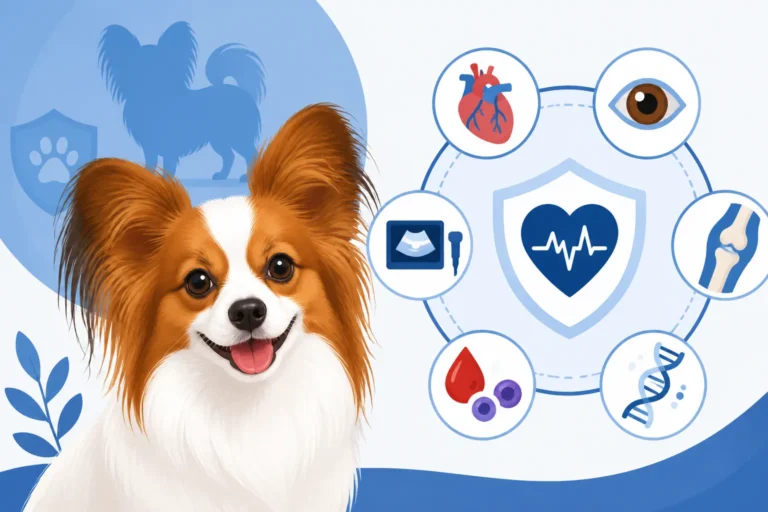
Responsible breeding goes far beyond just getting two dogs together. It involves a deep commitment to the health, temperament, and welfare of every puppy produced. For a serious Papillon breeder, DNA testing for NAD should be standard practice, alongside other crucial health screens. You can learn more about what a responsible breeder should test for in articles like What a Papillon Breeder Should Have Tested and Which Health Tests a Papillon Breeder Should Run. These tests demonstrate a breeder’s dedication to producing healthy puppies and upholding the integrity of the breed.
Transparency is another key component. Reputable breeders are always open about their dogs' health testing results and are eager to discuss their breeding philosophy with prospective owners. They often provide copies of health certifications and have detailed breeder contracts that outline their responsibilities and yours. These contracts might specify what happens if a genetic condition emerges, offering a safety net for new owners. For instance, some may stipulate that puppies from carrier parents are sold with limited registration, meaning they cannot be bred, unless they are tested clear. Having comprehensive pet insurance, like a policy from Healthy Paws, can also provide immense peace of mind for new owners, helping cover unexpected veterinary costs, though preventative testing by breeders is always the first line of defense.
How Long Will it Take?
The process of breeding out a recessive genetic disorder like NAD isn't an overnight fix; it's a long-term commitment that spans multiple generations. Genetic improvement is a marathon, not a sprint. The speed at which NAD can be reduced depends on several factors:
- The prevalence of the carrier gene: If a large percentage of the Papillon population are carriers, it will naturally take longer to reduce the frequency of the gene.
- Widespread adoption of testing: The more breeders who consistently test their dogs and make informed breeding decisions, the faster progress will be made. If only a few breeders participate, the gene will persist in other lines.
- Balance with genetic diversity: As mentioned, completely removing all carriers too quickly could shrink the gene pool, inadvertently causing other problems. A careful, balanced approach that uses strategic mating is more sustainable, but also takes more time.
Given consistent, responsible breeding practices across the breed community, it's realistic to significantly reduce the incidence of NAD over several decades, potentially making affected puppies a rarity. The goal isn't necessarily to eliminate every single carrier from the face of the earth, but to ensure that no affected puppies are ever born by never breeding two carriers together. With diligent effort, future generations of Papillons can live lives free from the suffering caused by Neuroaxonal Dystrophy.
Challenges and the Future Outlook
While the scientific pathway to breeding out Neuroaxonal Dystrophy is clear, the implementation comes with its own set of challenges that require collective effort from the entire Papillon community.
Overcoming Resistance and Misinformation
One of the biggest hurdles in any breed health initiative is sometimes resistance from within the breeding community. Some breeders, perhaps due to lack of education, fear of financial loss, or simply denial, might be reluctant to embrace DNA testing or transparently share results. There can also be misinformation circulating, leading to confusion about recessive inheritance or the perceived severity of the disease.
This is where breed clubs, like the Papillon Club of America, play a vital role. They can provide education, advocate for mandatory health testing, and foster a supportive environment where breeders feel comfortable discussing and addressing genetic health issues. For prospective puppy buyers, it's crucial to seek out breeders who are transparent and actively involved in these health efforts. When looking for a puppy, make sure you ask breeders specific questions about their health testing protocols and their approach to managing genetic conditions. This diligence helps you find a truly responsible breeder, as discussed in Finding a Papillon Breeder Who Tests Eyes and Knees.
The Long-Term Goal and Community Effort
The long-term goal for Neuroaxonal Dystrophy in Papillons is simple yet profound: to ensure that no puppy ever suffers from this devastating disease. This is entirely achievable through the widespread and consistent use of DNA testing coupled with responsible breeding strategies. It requires a unified effort from all corners of the Papillon world—from individual pet owners demanding health-tested puppies, to breeders prioritizing health over all else, to breed clubs setting clear standards.
When the community works together, genetic diseases can become a thing of the past. The health and well-being of the Papillon breed depend on these informed choices made today. For new Papillon owners, understanding these health considerations from the outset is crucial. While we work towards breeding out conditions like NAD, knowing that you have support for your pet's health can bring a sense of security. Comprehensive pet insurance, such as that offered by Healthy Paws, can be an invaluable resource, providing financial assistance for unexpected illnesses or accidents throughout your Papillon's long life, allowing you to focus on their care rather than cost. Ultimately, the future of the Papillon breed, free from the shadow of Neuroaxonal Dystrophy, is in our hands.
Disclaimer
The information provided in this article is for general informational purposes only and is not a substitute for professional veterinary advice. Always consult with a qualified veterinarian or a certified canine geneticist for diagnosis and treatment of any medical condition or for advice regarding breeding practices.