What a Papillon Eats in a Month
One of the first things a new Papillon owner often realizes is that while these little dynamos have boundless energy and huge personalities, their actual food bowls don't require nearly as much filling as you might expect. Figuring out exactly how much a Papillon eats in a month, and more importantly, how much that will actually cost you, can be a real head-scratcher when you’re used to feeding bigger breeds or are new to dog ownership altogether. This comprehensive guide will break down the true costs and considerations of feeding your beloved butterfly dog, helping you understand their unique dietary needs and how to budget effectively.
Understanding a Papillon's Dietary Needs
Papillons might be small, but they are mighty, and their tiny bodies have some pretty specific nutritional requirements. You can't just feed them like a scaled-down Labrador; their metabolism and physical makeup demand a tailored approach. It's not just about the quantity, but the quality, and understanding this is the first step to happy, healthy mealtimes.
Small Breed Metabolism and Calorie Requirements
Despite their diminutive size, Papillons have a remarkably high metabolism. Think of them like tiny, efficient engines that burn through fuel quickly. This means they need a good amount of calories relative to their body weight, packed into small portions. A Papillon can easily burn off a meal just by zipping around the house or engaging in their favorite zoomies. This high metabolic rate means they can be prone to hypoglycemia, especially as puppies, if they go too long without food. It's a common worry for new owners to see their tiny puppy, realizing that their little bodies can't store much energy. This is why small, frequent meals can sometimes be recommended, especially for very active or growing pups.
Their small stomachs also play a role. They simply can't hold a large volume of food, so what they do eat needs to be highly digestible and nutrient-dense. You're looking for quality over quantity here. Cheap fillers won't cut it, as they'll just pass through, leaving your Papillon feeling hungry and possibly lacking essential nutrients. This is also why choosing the right kibble size is crucial; they need something they can easily pick up and chew without struggle. If you've ever watched a Papillon try to eat a giant piece of kibble, you know it's a comical, yet inefficient, endeavor.
Nutritional Balance for Papillon Health
Beyond calories, the actual composition of their food is vital. Papillons, like all dogs, need a balanced diet of protein, fats, and carbohydrates, along with essential vitamins and minerals. For these active, long-lived little dogs, protein is incredibly important for maintaining lean muscle mass, which supports their agile movements and helps protect their delicate joints. Good quality fat provides concentrated energy and contributes to their famously silky coat and healthy skin.
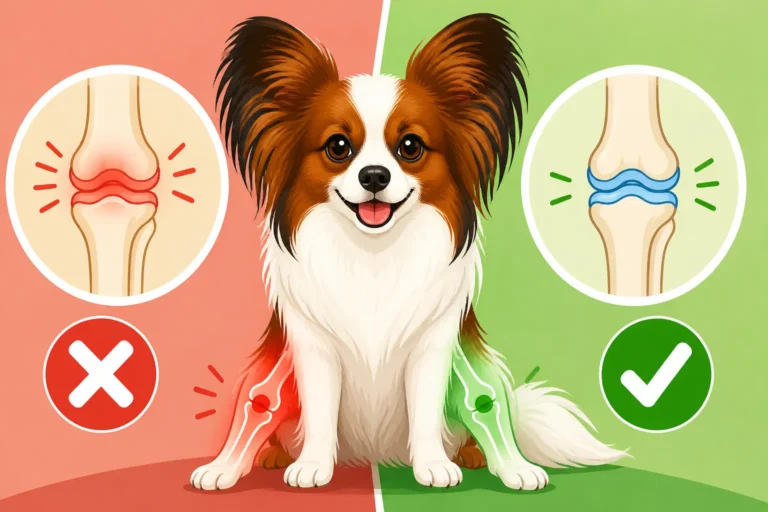
Specific considerations for Papillons often revolve around their overall breed health. For instance, joint health is a common concern, given their predisposition to issues like patellar luxation. While food alone can't prevent genetic conditions, a diet rich in omega fatty acids, glucosamine, and chondroitin can support joint cartilage and reduce inflammation. Similarly, their delicate mouths and tendency for dental issues mean that a diet that supports dental health (even if it's just appropriately sized kibble that encourages chewing) is a bonus. You want a food that fuels their spirited nature and helps them thrive throughout their impressive lifespans.
The Impact of Age and Activity Level
Just like us, a Papillon's dietary needs evolve throughout their life. A bustling Papillon puppy needs more calories and specific nutrients for growth, often requiring food higher in protein and fat. Owners often wonder how often a Papillon puppy must eat to stay safe, and generally, multiple small meals a day are key to keeping their blood sugar stable. As they transition into adulthood, their growth slows, and their calorie intake might stabilize, but their activity level remains a huge determinant. An agility-trained Papillon competing regularly will naturally burn more calories than a contented lap dog.
When your Papillon reaches its senior years, typically around 10-11 years old, their metabolism might slow down, and their activity level could decrease. This means their caloric needs will likely reduce, and you might need to adjust their portions to prevent unhealthy weight gain, which can exacerbate existing joint issues or lead to new ones. An aging Papillon might also benefit from softer food options or supplements to support cognitive function, joint health, and organ function. Monitoring their weight and energy levels becomes even more critical in these golden years to ensure they are getting exactly what they need without overfeeding or underfeeding.
Types of Food for Your Papillon
The pet food market is vast, and choosing the right type of food for your Papillon can feel overwhelming. From traditional kibble to gourmet fresh meals, each option comes with its own set of benefits, drawbacks, and, of course, cost implications. Understanding these differences will help you make an informed decision that suits both your Papillon's health and your budget.
Dry Kibble
Dry kibble is the most common and often the most economical choice for feeding dogs, including Papillons. Its convenience, longer shelf life, and generally lower cost make it a popular option. For Papillons, however, selecting the right kibble is paramount. You need a formula specifically designed for small breeds, meaning smaller kibble pieces that fit their tiny jaws. Larger pieces can be difficult for them to chew, sometimes leading to them swallowing whole, which isn't ideal for digestion or dental health.
When choosing kibble, look for high-quality ingredients with a named meat protein as the first ingredient. Avoid fillers like corn, wheat, and soy, which offer little nutritional value and can sometimes trigger allergies or sensitivities in some dogs. While kibble can be beneficial for dental health by providing some scraping action, it's not a substitute for regular teeth brushing. The biggest challenge with kibble can sometimes be palatability for picky eaters. Some Papillons might turn up their noses at dry kibble alone, leading owners to add toppers or switch brands frequently. This can drive up your monthly food expenses as you search for a suitable option.
Wet and Semi-Moist Foods
Wet food, typically found in cans or pouches, and semi-moist foods offer a different experience for your Papillon. These options are often highly palatable, making them excellent choices for picky eaters or dogs who need extra hydration. Many Papillons adore wet food, and its strong aroma can entice even the most reluctant eaters. However, there are a few considerations unique to the breed.
Firstly, the texture of wet food can sometimes cling to a Papillon's delicate muzzle and long ear fringes, making mealtimes a bit messy. Regular wiping after eating is a must to prevent matting and skin irritation. Secondly, while wet food can be a fantastic way to add moisture to their diet, it's generally more expensive per calorie than kibble. Many owners choose to use wet food as a topper for kibble, mixing a spoonful in to enhance flavor and moisture without fully committing to the higher cost of an all-wet diet. Brands that offer small portion sizes or pate-style wet food can be particularly convenient for Papillons, ensuring you're not opening a large can that will go to waste.
Fresh and Raw Food Options
In recent years, fresh food and raw food diets have gained significant traction, with many owners believing they offer superior nutrition and health benefits. Fresh food diets typically consist of human-grade ingredients that are gently cooked, while raw diets involve uncooked meat, bones, and organs. For a Papillon, proponents often cite benefits like improved coat health, better digestion, and increased energy. Services like Ollie offer tailored meal plans delivered right to your door, making the fresh food approach more accessible for busy pet parents.
However, these options come with a higher price tag and require careful consideration. Raw diets, in particular, demand meticulous handling to prevent bacterial contamination and require a deep understanding of canine nutrition to ensure they are complete and balanced. Fresh food services, while convenient, are usually among the most expensive feeding options. While the benefits can be appealing, it’s important to weigh the cost against your budget and lifestyle. If you're considering a fresh or raw diet, consulting with a veterinary nutritionist is highly recommended to ensure your Papillon receives all the necessary nutrients without any deficiencies or risks.
Calculating Monthly Food Costs
Budgeting for your Papillon's food isn't just about grabbing the cheapest bag off the shelf. It involves understanding portion sizes, the lifespan of a food bag, and how different quality tiers impact your wallet. It's a bit of a math problem, but one that can save you a lot of grief and ensure your little one is well-fed without breaking the bank.
Estimating Daily Portions and Bag Lifespan
The beauty of feeding a Papillon is that a bag of quality food often lasts a surprisingly long time. Most adult Papillons, depending on their activity level and specific food, will eat somewhere between 1/4 to 1/2 cup of kibble per day. Let's take an average of 1/3 cup per day. A typical 4-pound bag of small-breed kibble contains roughly 16-18 cups of food.
So, if your Papillon eats 1/3 cup a day:
18 cups / (1/3 cup/day) = 54 days.
This means a 4-pound bag could last almost two months! Even a smaller 2-pound bag could last nearly a month. This is a significant difference compared to larger breeds, where a 40-pound bag might disappear in weeks. This longer lifespan means that while the per pound cost of premium small-breed food might seem higher, the per month cost can be quite reasonable. This is why a Papillon is cheap to feed, despite needing high-quality ingredients. However, remember this is just for their primary food; treats and other additions will, of course, add to the overall monthly expenditure.
Cost Comparison Across Food Quality Tiers
The pet food market offers a spectrum of quality and price points.
- Budget-Friendly Options: These typically feature more fillers and can be less nutrient-dense. While the bag price is lower, you might find your Papillon needs to eat more to feel satisfied, potentially leading to more frequent purchases. They also might not provide the best support for a Papillon's coat or joint health.
- Mid-Range Foods: These strike a balance, often containing better quality ingredients like real meat as a primary source, without the premium price tag. Many owners find these perfectly suitable, offering good nutrition without excessive cost. You might find a good selection of these on sites like Chewy, allowing for easy price comparison and delivery.
- Premium and Specialty Diets: These include grain-free, limited ingredient, fresh, or raw diets. They often boast superior ingredients, specialized formulas for sensitivities, or come with the convenience of subscription delivery services. These will naturally be at the higher end of the spectrum. For instance, fresh food options can be significantly more expensive than even the highest-end kibble. The cost difference can be considerable, making careful consideration of your budget essential.
Factor in Treats and Supplements
It’s easy to focus solely on the main meal, but treats and supplements can quietly add a surprising amount to your monthly food bill. Papillons are smart and highly food-motivated, making treats invaluable for training. However, those tiny training treats, dental chews, or even the occasional gourmet biscuit can add up. If you're using treats frequently, consider their caloric content and how they fit into your Papillon's overall daily intake to avoid overfeeding.
Supplements are another factor. While a high-quality diet should provide most essential nutrients, some owners choose to add joint supplements, probiotics, or omega fatty acid boosters, especially for aging Papillons or those with specific health concerns. These are typically separate purchases from their main food and can range from quite affordable to fairly expensive, depending on the brand and dosage. When budgeting, don't forget to earmark a portion of your monthly pet expenses for these extras, as they are often an integral part of a Papillon's care plan.
Factors Influencing Food Consumption & Cost
Feeding a Papillon isn't always a straightforward "buy a bag, feed the dog" scenario. Several factors can dramatically influence how much your Papillon actually eats and, consequently, how much you end up spending each month. These range from their inherent preferences to unexpected health challenges.
Picky Eaters and Food Aversions
Papillons can be notoriously picky eaters, a trait that can be both endearing and exasperating. Their refined palates mean they might turn their nose up at perfectly good food, leading to a frustrating cycle of trying different brands, flavors, or textures. This constant experimentation can quickly inflate your monthly food expenses, as you end up buying multiple bags or cans that go uneaten. Some Papillons will even hold out for something better if they know treats are on offer. This can be especially challenging, and owners often find themselves asking how to get a picky Papillon to eat.
Sometimes, their pickiness is simply a preference; other times, it could be a subtle sign of an underlying issue, like a sensitive stomach or even dental pain. If your Papillon suddenly becomes a picky eater, it's always wise to rule out any health problems with your vet. For otherwise healthy picky eaters, patience, consistency, and making mealtime a positive experience are key. Sometimes, a tiny bit of wet food mixed into kibble, or even a different bowl, can make all the difference.
Weight Management and Health Considerations
Maintaining a healthy weight is paramount for a Papillon, especially given their susceptibility to conditions like patellar luxation. Even an extra few ounces can put undue strain on their tiny joints, so getting weight off a Papillon is often a priority if they start to become too round. An overweight Papillon will likely need a calorie-restricted diet, which means buying specific "light" formulas or simply feeding smaller portions of their regular food. This might not change the type of food you buy, but it will certainly change how quickly you go through a bag.
Conversely, some Papillons might struggle to keep weight on, particularly if they are very active or aging. This could necessitate a higher-calorie food or more frequent meals, again impacting your monthly expenditure. Any significant change in your Papillon's weight or appetite warrants a vet visit. Beyond weight, certain health conditions, like gastrointestinal sensitivities or allergies, can necessitate specific dietary choices, which often come with a higher price tag.
Special Dietary Needs and Veterinary Diets
Sometimes, a Papillon will develop special dietary needs that require more than just a typical off-the-shelf food. This could be due to food allergies, requiring a limited ingredient diet or a novel protein source. Gastrointestinal issues might call for easily digestible formulas. Conditions like kidney disease, heart disease, or even diabetes will often require prescription veterinary diets specifically formulated to manage these health challenges.
These specialized diets are typically only available through your veterinarian or with their prescription, and they tend to be significantly more expensive than standard commercial dog foods. While they are crucial for managing your Papillon's health, they can represent a substantial increase in your monthly food budget. Having pet insurance, like plans offered by Healthy Paws, can sometimes help offset unexpected veterinary costs associated with these conditions, potentially allowing you to prioritize the necessary prescription food without as much financial strain for other treatments. It’s always important to verify what your specific policy covers when it comes to specialty foods, as coverage can vary widely.
Smart Shopping and Savings for Papillon Food
Even though Papillons are generally inexpensive to feed in terms of sheer volume, smart shopping can still help you get the best value for your money and ensure you're providing top-notch nutrition without overspending. From where you buy your food to how you decipher labels, every decision can impact your monthly outlay.
Buying in Bulk vs. Smaller Bags
For larger dogs, buying the biggest bag of kibble available is often the most cost-effective strategy. However, for a Papillon, this isn't always the case. A huge bag of kibble might last your tiny dog for several months, and dry food can lose its freshness and potency over time, especially once opened. Stale kibble is less appealing to dogs and can even lead to nutrient degradation. This is particularly true if you live in a humid climate.
For most Papillon owners, purchasing smaller bags (e.g., 2-4 pounds) more frequently often makes more sense. You maintain freshness, and the per-pound cost difference might not be significant enough to justify the potential waste or decreased palatability of a very large bag. However, if you have multiple Papillons or an airtight, dark storage solution, a slightly larger bag might still offer some savings. Evaluate your consumption rate and storage capabilities before committing to a giant bag that could go bad before your little one finishes it.
Online Retailers and Subscription Services
The internet has revolutionized how we shop for pet food, offering convenience and competitive pricing that often beats local brick-and-mortar stores. Online retailers like Chewy provide a massive selection of dog foods, often at lower prices than specialty pet boutiques. They frequently run sales, offer bulk discounts (even on smaller bags!), and provide subscription services that deliver food directly to your door on a set schedule. This "auto-ship" feature can often come with an additional discount, saving you both money and the hassle of remembering to reorder.
For those considering fresh food diets, services like Ollie offer similar convenience, delivering pre-portioned, human-grade meals. While these are typically a higher upfront cost, the convenience and potential health benefits are appealing to many. Always compare prices, check for introductory offers, and read reviews when choosing an online retailer or subscription service. Many offer free shipping over a certain order value, which is easy to meet even with a small bag of Papillon food if you combine it with other pet supplies.
Reading Labels and Ingredient Lists
Becoming a savvy label reader is one of the best ways to ensure you're getting value for your money and providing the best nutrition for your Papillon. Don't just look at the catchy marketing claims on the front of the bag; flip it over and scrutinize the ingredient list.
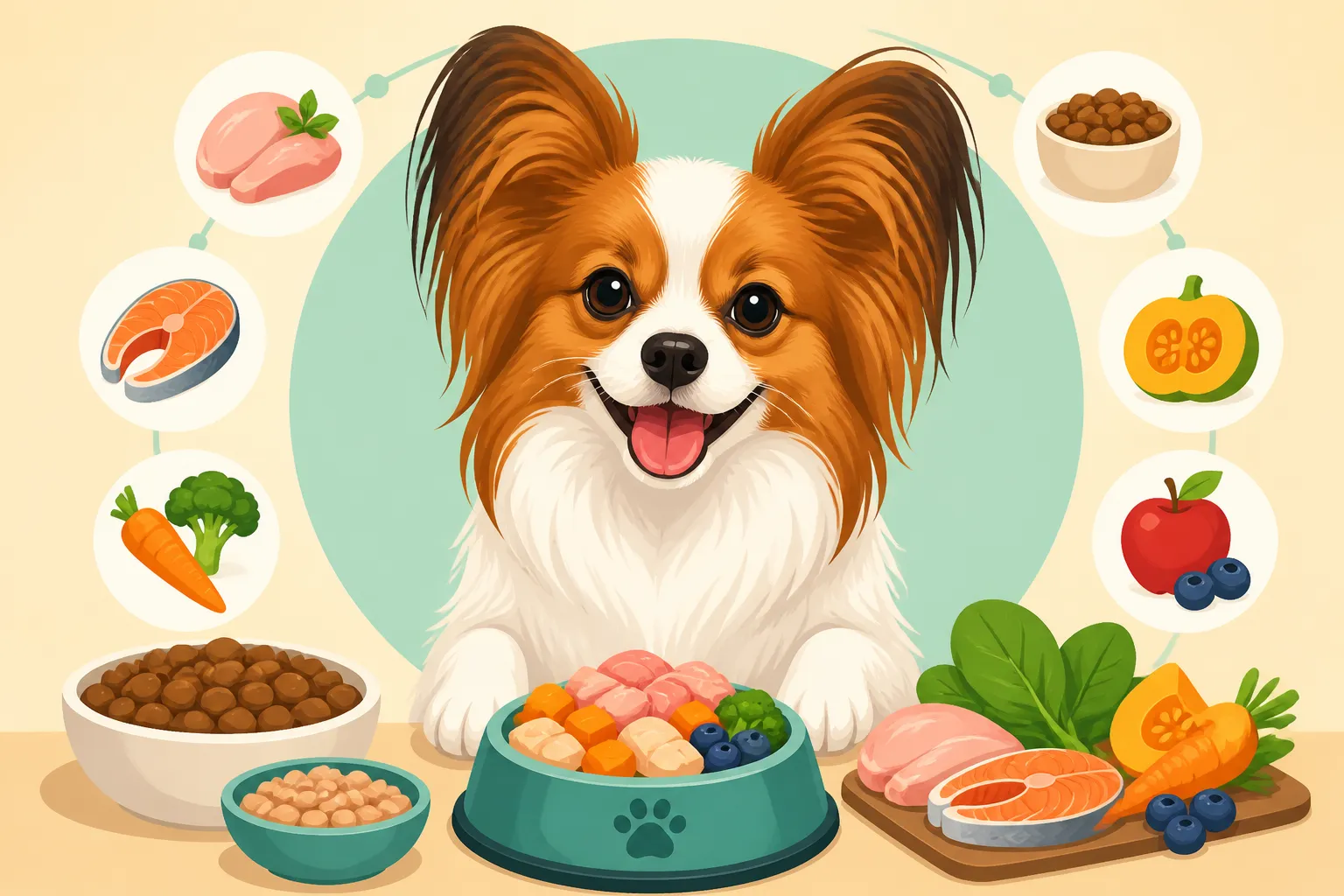
- Prioritize Protein: Look for a named meat source (e.g., "chicken meal," "lamb") as the first ingredient, not vague terms like "meat by-products" or "animal digest."
- Avoid Excessive Fillers: While some carbohydrates are necessary, avoid foods where corn, wheat, or soy are among the first few ingredients, especially if your Papillon has sensitivities.
- Check Fat Sources: Healthy fats like chicken fat, salmon oil, or flaxseed are beneficial for skin, coat, and overall health.
- Look for Added Nutrients: Ingredients like glucosamine, chondroitin, and omega fatty acids can be beneficial for a Papillon's joint health and coat.
- Guaranteed Analysis: Pay attention to the protein, fat, fiber, and moisture percentages. Higher protein and fat content often mean more nutrient density, so your Papillon might eat less while still getting adequate nutrition.
Understanding what your Papillon is eating monthly goes far beyond just the dollar amount. It's about providing the right fuel for their spirited nature and supporting their long, healthy life. By carefully considering their unique needs, exploring various food types, and being a smart shopper, you can ensure your tiny companion is well-fed and thriving.
| Food Type | Typical Monthly Cost Range (Estimate) | Pros for Papillons | Cons for Papillons |
|---|---|---|---|
| Budget Kibble | Lower | Most affordable, widely available. | Less nutrient-dense, more fillers, larger kibble size sometimes. |
| Mid-Range Kibble | Moderate | Good balance of quality ingredients and cost, appropriate kibble sizes often available. | Still requires diligence in ingredient checking. |
| Premium Kibble | Moderate to Higher | High-quality ingredients, often breed-specific formulas, smaller kibble. | Can be more expensive, some brands still contain controversial ingredients. |
| Wet Food (as sole diet) | Higher to Very High | Highly palatable, good for hydration, good for picky eaters or dogs with dental issues. | Messy for long fringes, very expensive, higher waste if not used quickly. |
| Wet Food (as topper) | Moderate | Boosts palatability, adds moisture, extends kibble bag lifespan slightly. | Still adds to monthly cost, can still be messy if not careful. |
| Fresh/Gently Cooked | Very High | High palatability, human-grade ingredients, tailored nutrition, high moisture. | Most expensive option, requires careful storage. |
| Raw Diet | High to Very High | Advocates claim superior health benefits, highly palatable. | Highest risk for bacterial contamination, requires careful formulation/handling. |
| Treats & Supplements | Variable (adds to any plan) | Essential for training, provide extra nutrients. | Hidden cost, can lead to weight gain if not monitored. |
Disclaimer
This article is for general informational purposes only and does not constitute professional advice. Laws, prices and regulations vary by location and change over time. Consult a qualified professional for guidance on your specific situation.