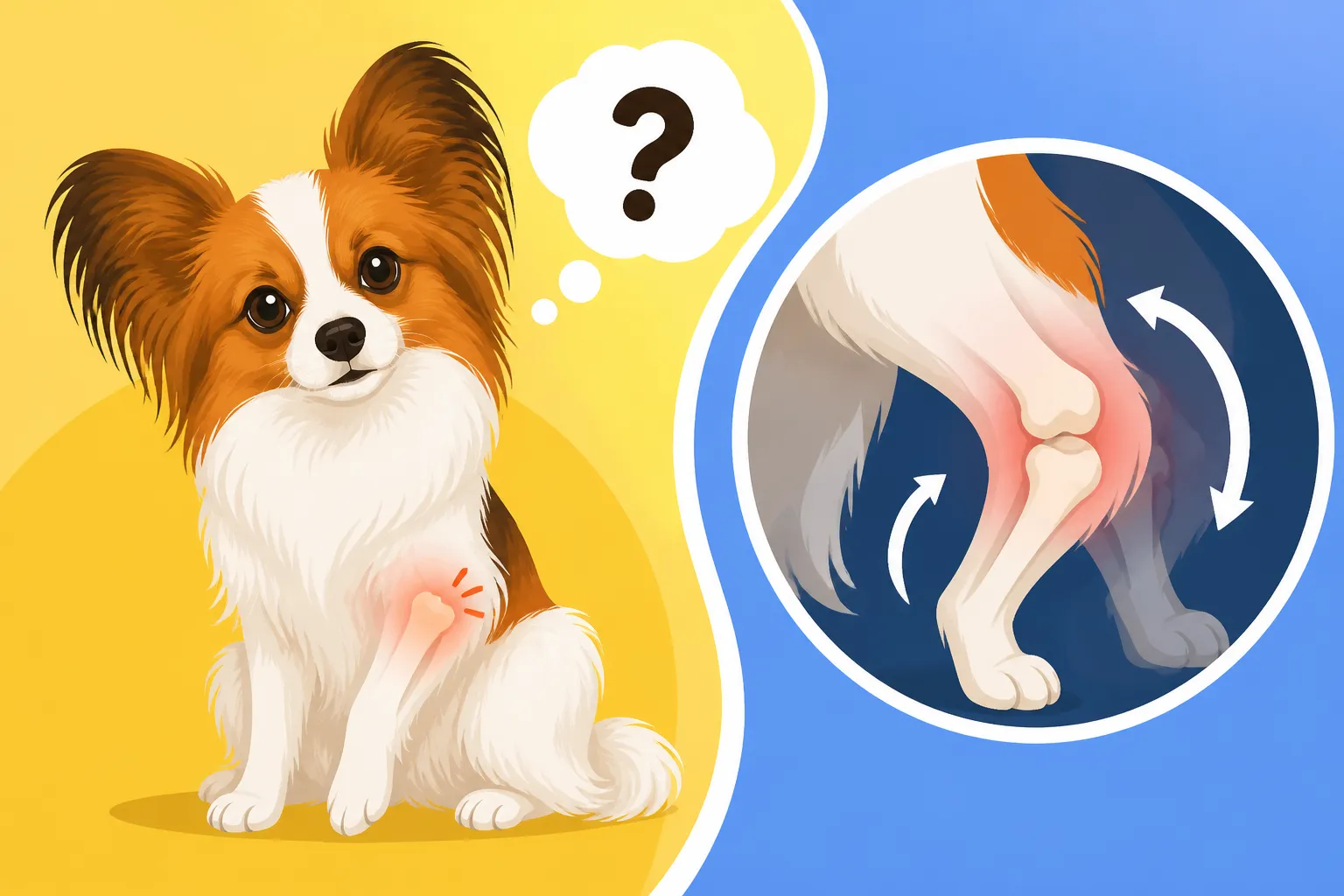
Whether a Papillon’s Knee Comes Loose Again
It's an absolute heartbreak to put your beloved Papillon through knee surgery, enduring the recovery process, only to worry if all that effort and expense might be in vain. The thought of their little kneecap slipping out again after all you've been through is a very real concern for many owners. This guide will walk you through the realities of patellar luxation recurrence in Papillons, exploring why it happens, what factors are at play, and what you can do to give your furry friend the best possible chance at a stable, pain-free future.
Understanding Patellar Luxation Recurrence
When a Papillon undergoes surgery for patellar luxation, the goal is to permanently stabilize the kneecap (patella) so it no longer slips out of its groove. For many dogs, this surgery is incredibly successful, leading to a significant improvement in quality of life. However, it’s not a one-and-done magic bullet for every single case, and the possibility of recurrence, while often low, is a genuine concern.
Recurrence means that the kneecap begins to slip again, either in the same knee that was operated on or, less commonly, in the other knee that may have been asymptomatic or had a lower grade of luxation. This isn't usually due to a 'failure' of the initial surgery in a dramatic sense, but rather a complex interplay of factors including the original severity, the surgical technique, the healing process, and ongoing management. Many owners breathe a sigh of relief after a successful initial recovery, only to find themselves watching their dog's gait with renewed anxiety if they notice even the slightest skip or limp. It's a valid worry, and understanding the nuances can help you prepare and respond effectively.
Why a Kneecap Might Slip Again
There are several reasons why a Papillon's kneecap might slip again after surgical correction. Sometimes, it's a matter of the body's natural response and the forces at play within the joint, particularly in a small, active breed like a Papillon. Imagine the tiny, delicate structures involved – even a millimeter of difference can impact stability over time.
One common reason is incomplete correction or the progression of underlying anatomical issues. The surgery typically involves deepening the trochlear groove (where the kneecap sits), moving the attachment of the patellar ligament, and tightening or loosening joint capsules. If the groove wasn't deepened quite enough, or if the ligament attachment shifts slightly over time, the patella might find a way to slip again. In some cases, the initial luxation might have been quite severe, say a Grade III or IV, which means the anatomical deformities were more pronounced and thus harder to completely correct with a single procedure. The bones themselves might be slightly rotated or angled, contributing to the instability even after the primary issue is addressed.
Another factor can be trauma or injury post-surgery. Even after a successful operation and recovery, a Papillon is still a dog that loves to zoom and play. A misstep, a fall off furniture, or a rough tumble with another dog can put immense stress on the healing joint, potentially causing the kneecap to dislodge again. This is especially true in the months immediately following surgery when the tissues are still regaining full strength and stability. It's why veterinarians emphasize strict activity restrictions during the initial recovery period. Whether a Papillon Should Be Stopped From Jumping Off Furniture is a crucial piece of advice not just for prevention but also for post-surgical care.
Lastly, some dogs simply have a predisposition due to their breed genetics, even with the best surgical outcome. While surgery addresses the mechanical problem, it doesn't fundamentally alter the genetic blueprint that contributed to the initial luxation. This isn't to say surgery is futile, but rather that some Papillons may be inherently more prone to joint laxity or specific bone structures that make them more susceptible to recurrence or luxation in the contralateral (other) limb.
Success Rates and Expectations
It’s important to remember that patellar luxation surgery generally boasts high success rates. For most Papillons, the surgery provides long-lasting stability and a return to normal function. Many studies report success rates upwards of 80-90%, especially for Grades II and III luxations. However, "success" can be defined in various ways – some consider reduced pain and improved mobility a success, even if there's an occasional, minor slip.
When you're discussing surgery with your vet or a board-certified veterinary orthopedic surgeon, they will give you a realistic prognosis based on your Papillon's specific case. Factors like the dog's age, the severity of the luxation, and the presence of other orthopedic issues (like hip dysplasia, which can sometimes co-occur) will all influence the expected outcome. It's not uncommon for veterinarians to discuss a small percentage of cases where revision surgery might be necessary. This isn't a reflection of poor initial surgery, but sometimes an acknowledgment of the complexity of biological healing and the dynamic nature of a working joint.
Owners often expect a 100% perfect, never-a-problem-again outcome, and while that's the hope, it's healthier to approach it with informed optimism. Most Papillons experience a dramatic improvement, running and playing without the tell-tale skip. But keeping an eye out for subtle changes and continuing good joint care throughout their life is key. If you are ever in doubt, a quick call to your vet is always a good idea.
Factors Influencing Recurrence After Surgery
The journey after patellar luxation surgery isn't just about the procedure itself; it's heavily influenced by how your Papillon heals, how diligently you manage their recovery, and their overall lifestyle. There are several key factors that can either bolster the surgical repair or unfortunately, predispose the knee to future issues.
Consider a dog like Pixie, a lively Papillon who had Grade II luxation corrected at a year old. Her owner was meticulous with post-operative care, keeping her calm and confined. But six months later, Pixie slipped on a patch of ice during a walk, yelped, and started limping. A vet visit revealed her patella had luxated again. This scenario highlights how external factors and unexpected incidents can play a role, even after a seemingly perfect surgery.
Surgical Technique and Surgeon Experience
The skill and experience of the veterinary surgeon performing the procedure play a significant role in minimizing recurrence. Patellar luxation surgery is not a simple operation; it often involves a combination of techniques tailored to the individual dog's anatomy. This might include:
- Trochlear Wedge or Block Resection: Deepening the groove in the femur where the kneecap sits.
- Tibial Tuberosity Transposition: Moving the attachment point of the patellar ligament to realign the kneecap.
- Capsular Overlap/Release: Tightening or loosening the joint capsule to balance the forces on the kneecap.
An experienced orthopedic surgeon will accurately assess the specific deformities causing the luxation and choose the most appropriate combination of techniques. They understand the nuances of the Papillon's small joints and can perform these delicate adjustments with precision. Inexperienced hands might not create a deep enough groove, or might not correctly realign the ligament, leaving residual instability that increases the chance of recurrence. When you're considering surgery for your Papillon, don't hesitate to ask about your vet's experience with this specific procedure in small breeds. Often, a referral to a board-certified orthopedic specialist is the best course of action for optimal outcomes.
Adherence to Post-Operative Protocols
This is where the owner's dedication truly shines – or sometimes, falters. The post-operative period is absolutely critical for proper healing and long-term stability. It's tough, I know. Keeping a naturally energetic Papillon restricted for weeks can feel like an Olympic sport in patience.
Typically, the protocol involves:
- Strict Crate Rest or Confinement: For several weeks, your Papillon will need to be confined to a small area or crate to prevent running, jumping, or rough play. This allows the tissues, especially the deepened groove and reattached ligament, to heal and strengthen without undue stress.
- Leash Walks Only: Short, controlled leash walks for potty breaks are usually the only permitted exercise for a period. This prevents sudden movements that could re-injure the knee.
- Medication Administration: Pain relief and anti-inflammatory medications are crucial for comfort and to reduce swelling, aiding the healing process.
- Physical Rehabilitation (Physio): Often, guided exercises or formal physical therapy sessions are recommended to rebuild muscle strength, improve range of motion, and promote proper joint mechanics. This can be as simple as passive range of motion exercises at home, or more involved sessions with a certified canine rehabilitation therapist.
If these protocols aren't followed precisely, the risk of recurrence increases significantly. A Papillon that's allowed to jump off the sofa too soon, or engage in boisterous play before the knee has fully healed, is putting itself in a precarious position. It's agonizing to watch them want to run, but this period of strict care is a temporary sacrifice for long-term health. Think of it as investing in their future mobility.
Body Weight and Muscle Condition
Just like in humans, a healthy body weight and good muscle condition are paramount for joint health in dogs, especially for a Papillon recovering from knee surgery. Even a few extra ounces on a tiny Papillon frame can translate to disproportionately increased stress on the joints, particularly the knees.
Imagine a Papillon who should weigh around 6 pounds carrying an extra pound or two. That's a significant percentage of their body weight, and it means more force is exerted on those delicate knee structures with every step, jump, and run. This added stress can compromise the surgical repair over time, making it easier for the patella to slip out again or for the remaining ligaments to stretch. Whether Weight Affects a Papillon's Knees is a topic that can't be stressed enough for this breed.
Maintaining a lean body condition helps to reduce this mechanical stress. Alongside weight management, good muscle condition, especially in the quadriceps and hamstrings, provides natural support and stability to the knee joint. Regular, appropriate exercise – once cleared by your vet after surgery – helps build and maintain this crucial muscle mass. If your Papillon needs to lose a little weight, adjusting their diet with vet-approved food, perhaps from a brand like Ollie that offers customized, human-grade meal plans, can make a huge difference.
Post-Operative Care and Prevention Strategies
Bringing your Papillon home after knee surgery is just the beginning of a dedicated recovery period. The initial weeks and months are crucial, but long-term strategies are just as important in preventing recurrence. It’s a marathon, not a sprint, and your consistent efforts will pay off.
Think of little Fifi, who had surgery on her left knee. Her owner, knowing how energetic she was, installed pet stairs at all the sofas and beds, and started walking her exclusively on a harness to avoid any neck pressure that could transfer to her gait. These small changes add up to significant protection for her healing joints.
Restricting Activity During Recovery
This is arguably the most challenging part for many Papillon owners because these little dogs are bundles of energy and curiosity. Immediately after surgery, your vet will provide very specific instructions for activity restriction, often involving several weeks of strict confinement. This means:
- Crate or Small Pen Confinement: Your Papillon should only be let out for supervised potty breaks on a leash. No free roaming, no jumping on or off furniture, and absolutely no running or playing. This confinement allows the surgical site to heal without disruption, minimizing inflammation and allowing new tissues to form securely.
- Preventing Jumping and Climbing: Even a small jump can put immense strain on a healing knee. Use baby gates to block access to stairs, prevent them from jumping onto laps or furniture, and carry them when necessary.
- Controlled Leash Walks: As your Papillon progresses, very short, controlled leash walks will be introduced. These are not for exercise initially but for controlled weight-bearing to encourage proper muscle development and joint movement. Always use a harness, as a collar can put pressure on the neck and indirectly affect their gait and balance.
- Avoiding Slippery Surfaces: Hardwood, tile, or laminate floors can be dangerous for a recovering Papillon. Lay down non-slip mats or rugs in high-traffic areas to prevent slips and falls that could re-injure the knee.
This period of strict rest can be tough on both you and your Papillon. To keep their minds active without physical exertion, consider puzzle toys or gentle training sessions focusing on mental stimulation rather than physical. You can also turn to suppliers like Chewy for a wide range of suitable crates, beds, and mental enrichment toys that can help make confinement more bearable.
Physical Rehabilitation and Exercise
Once the initial healing phase is over, physical rehabilitation becomes key. This isn't just about getting your Papillon moving again; it's about helping them regain strength, flexibility, and proprioception (the sense of where their body is in space) to ensure proper joint mechanics.
- Therapeutic Exercises: Your vet or a canine physical therapist might recommend specific exercises. These could include passive range of motion (gently moving the joint through its natural range), controlled walks on different surfaces (like grass or sand), weight-shifting exercises, or even hydrotherapy (underwater treadmill) which allows for low-impact strengthening. These exercises gradually build muscle around the knee, providing crucial support to the surgical repair.
- Gradual Return to Activity: The return to full activity should always be gradual and guided by your vet. Don't rush it. Introducing too much too soon can undo all the good work of the surgery and recovery. Your Papillon might feel fine, but the internal healing takes longer than it appears.
- Maintaining Fitness: Even after full recovery, maintaining a healthy weight and good muscle tone through regular, appropriate exercise is vital. Papillons are active dogs, and they thrive on walks and play. Just ensure the exercise is safe, avoiding activities that involve excessive twisting, high jumps, or abrupt stops and starts that could stress the knees. Short, frequent walks and playtime are usually better than one long, intense session.
Lifestyle Adjustments for Joint Protection
Beyond the immediate post-op period, integrating long-term lifestyle adjustments into your Papillon's routine can significantly reduce the risk of future knee issues.
- Weight Management: This cannot be emphasized enough. Keep your Papillon at their ideal lean body weight. Discuss your dog's ideal weight and feeding plan with your vet. Small changes in diet, perhaps switching to a food designed for active or toy breeds available from platforms like Chewy, can make a big impact.
- Furniture Access: Provide ramps or pet stairs for accessing sofas, beds, and other elevated surfaces. This eliminates the impact of jumping down, which is a major stressor on the knee joints. Whether Ramps Help a Papillon's Knees is a definite yes.
- Non-Slip Surfaces: Continue to provide non-slip surfaces, especially in areas where your Papillon runs or plays indoors. Rugs or carpet runners can prevent accidental slips that could lead to re-injury.
- Regular Vet Check-ups: Consistent veterinary care is essential. Your vet can monitor your Papillon's gait, joint stability, and overall health, catching any subtle signs of recurrence early. They can also advise on appropriate joint supplements if needed.
- Pet Insurance: Having pet insurance, such as a plan from Healthy Paws, can provide immense peace of mind. While most policies have waiting periods and may not cover pre-existing conditions like the initial luxation, they can be invaluable for covering costs associated with any potential future recurrence or issues with the other knee, provided those aren't deemed pre-existing. It's always wise to check policy details carefully.
Long-Term Management and Expectations
Even with the most successful surgery and diligent aftercare, it's important to have realistic long-term expectations for your Papillon's knee health. While recurrence can happen, the vast majority of Papillons go on to live full, active lives after patellar luxation surgery. The key is ongoing vigilance and proactive care.
Consider Buddy, a spry Papillon who had bilateral knee surgery years ago. His owner diligently keeps him lean, takes him for daily walks, and he's now twelve years old, still enjoying gentle agility training in his golden years. This is the ideal outcome many owners hope for, achieved through consistent management.
Signs of Possible Recurrence
Knowing what to look for can help you identify a potential recurrence early, allowing for prompt veterinary intervention. Don't dismiss subtle changes, especially in a dog known for patellar luxation.
Common signs that your Papillon's kneecap might be slipping again include:
- Intermittent Skipping or Hopping: This is the most classic sign. Your Papillon might suddenly lift a hind leg for a few steps, then put it down and walk normally. This can be more noticeable during excitement or activity.
- Pain or Yelling: While some dogs don't show overt pain with a slipping kneecap, others might yelp, especially if the patella suddenly pops out or back into place.
- Lameness or Limping: A consistent limp, particularly after exercise or getting up, can indicate instability or discomfort in the knee.
- Reluctance to Use the Leg: Your Papillon might avoid putting weight on the affected leg, hold it up, or be hesitant to jump, climb, or even run as they once did.
- Swelling or Tenderness: While less common unless there's an acute injury, swelling around the knee joint could indicate inflammation or fluid buildup.
- Changes in Activity Level: A general decrease in enthusiasm for walks or play could be a subtle sign of discomfort or pain related to their knee.
If you observe any of these signs, it's crucial to contact your veterinarian. They can perform a physical examination, and potentially X-rays, to assess the knee's stability and determine if the patella has luxated again. Early detection can often lead to less invasive or more successful treatment options.
Dealing with a Second Luxation
Discovering that your Papillon's kneecap has luxated again after surgery can feel incredibly disheartening. It's natural to feel frustrated, worried, and even a bit guilty, wondering if you did something wrong. But remember, sometimes these things just happen despite everyone's best efforts.
Your veterinarian will conduct a thorough examination to understand why the recurrence happened. This might involve:
- Physical Exam: To manually assess the knee's stability and the grade of the new luxation.
- Radiographs (X-rays): To visualize the bones and joint structures, looking for changes in the trochlear groove, tibial crest alignment, or signs of arthritis.
- Discussion of Activity and Lifestyle: To review your Papillon's routine, identify any potential risk factors, and determine if new lifestyle adjustments are needed.
Treatment options for a second luxation depend on the cause and severity. If it's a minor recurrence or an occasional slip that doesn't cause pain, conservative management with pain relief, anti-inflammatories, weight management, and activity modification might be recommended. However, if the recurrence is significant, painful, or greatly impacts your Papillon's mobility, revision surgery might be necessary. This second surgery is often more complex as it involves working on previously operated tissues, but experienced orthopedic surgeons are skilled in these procedures.
Pet insurance, particularly a comprehensive plan like those offered by Healthy Paws, can be incredibly helpful in these situations. While the initial surgery might be considered a pre-existing condition, subsequent issues not directly related to the original condition, or a recurrence that occurs long after the initial recovery, might be covered, depending on the policy terms. It's always best to understand your policy's specifics.
Living with a Papillon Prone to Knee Issues
For Papillons who experience recurring luxation or those with a higher predisposition, ongoing management becomes a way of life. It’s about creating an environment and routine that supports their joint health for the long haul.
- Ongoing Veterinary Partnership: Maintain a close relationship with your vet. Regular check-ups, especially as your Papillon ages, are crucial for monitoring joint health, managing pain, and adapting care as needed. Whether a Papillon Gets Arthritis From a Slipping Knee is a common concern, and your vet can advise on managing this.
- Supplements: Your vet may recommend joint supplements containing ingredients like glucosamine, chondroitin, and omega-3 fatty acids. While not a cure, these can support cartilage health and reduce inflammation, contributing to overall joint comfort.
- Home Environment Modifications: Continue to use ramps, pet stairs, and non-slip mats. These aren't just for recovery; they are long-term preventative measures.
- Appropriate Exercise: While avoiding high-impact activities, ensure your Papillon gets consistent, moderate exercise to maintain muscle tone and flexibility. Low-impact activities like leash walks, swimming, or even gentle controlled play in a safe, soft environment are ideal.
- Weight Control: This remains foundational. Regularly assess your Papillon's body condition score with your vet to ensure they remain lean and don't carry extra weight. Using precisely portioned food, perhaps from a service like Ollie, can make this easier.
Ultimately, while the possibility of recurrence is real, it shouldn't overshadow the many successful outcomes of patellar luxation surgery in Papillons. With knowledgeable veterinary care, diligent post-operative management, and ongoing proactive strategies, your Papillon can often enjoy many years of happy, active life with stable knees. It's about being informed, being patient, and being their best advocate.
Disclaimer
This article is for general informational purposes only and does not constitute professional advice. Laws, prices and regulations vary by location and change over time. Consult a qualified professional for guidance on your specific situation.