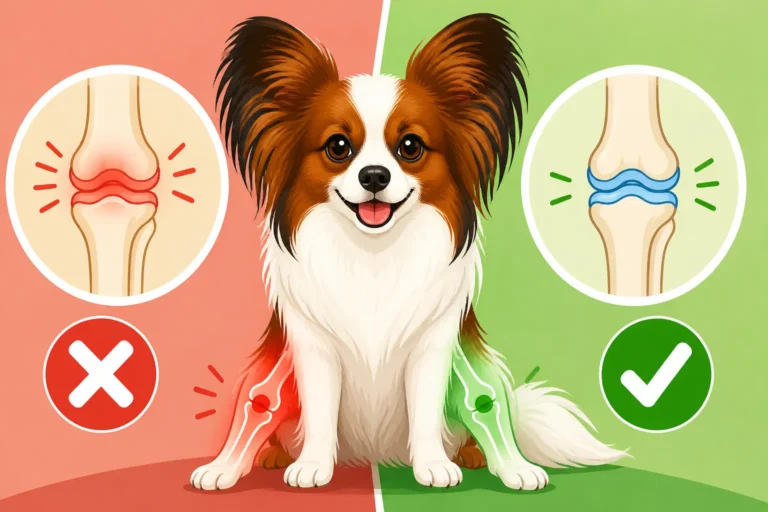
What a Papillon’s Orthopedic Consult Costs
When your beloved Papillon suddenly develops a limp, starts to skip a step, or shows signs of discomfort, it's incredibly worrying. Your heart sinks because you know something isn't right, and the first thought, after concern for their well-being, often turns to the inevitable: "What is this going to cost?" A trip to the veterinarian is always an investment, but when it's an orthopedic issue that might require a specialist, the uncertainty about the bill can be a huge source of stress. This guide will walk you through what to expect when seeking an orthopedic consult for your Papillon, focusing on the various factors that influence the cost, so you can feel more prepared and less overwhelmed.
What an Orthopedic Consult Entails for Your Papillon
Before you even get to the numbers, it's important to understand what you're actually paying for during an orthopedic consult. This isn't just a quick peek and a prescription; it's a deep dive into your Papillon's musculoskeletal system by a veterinary professional who specializes in bones, joints, and soft tissues. When your tiny, spirited Papillon starts showing signs of lameness, especially if it’s intermittent or progressing, a general vet might refer you to a board-certified veterinary orthopedist. This referral alone signals a higher level of expertise and, typically, a higher associated cost.
Initial Assessment and Physical Examination
The first step in any orthopedic consult is a thorough physical examination. The specialist will observe your Papillon's gait, how they stand, how they move, and their overall posture. They'll likely put your dog through various ranges of motion, palpating joints, muscles, and bones to pinpoint areas of pain, swelling, or instability. For Papillons, this often means a careful examination of their patellas (kneecaps) to check for conditions like patellar luxation, which is notoriously common in toy breeds. They'll want to know every detail you can provide about when the lameness started, what makes it worse, and if your Papillon has ever had an injury. This detailed history, combined with their hands-on assessment, helps them form a preliminary diagnosis and decide on the next diagnostic steps.
It's a process that demands keen observation and a wealth of specialized knowledge, much more involved than a routine wellness check-up. The orthopedist isn't just looking for obvious breaks; they're assessing subtle shifts in weight, muscle atrophy, joint crepitus, and ligament integrity. They're trying to figure out What Patellar Luxation Does to a Papillon or if there's an issue with a hip or spine that might manifest as a limp.
Diagnostic Imaging and Further Testing
Often, the physical exam alone isn't enough to get a definitive diagnosis, especially for internal issues that aren't visible or palpable. This is where diagnostic imaging comes into play. X-rays are usually the first line of defense, providing images of bones and joints. Your Papillon might need multiple views of the affected limb, and sometimes even the opposing limb for comparison. Depending on the area, sedation might be necessary to get clear, still images, especially if your dog is in pain or naturally squirmy, which adds to the overall cost.
In more complex cases, or if X-rays don't reveal the full picture, the specialist might recommend advanced imaging techniques such as an ultrasound, CT scan, or MRI. These can offer much more detailed views of soft tissues like ligaments, tendons, and cartilage, as well as spinal issues. While these are less common for a first orthopedic consult unless the signs are severe, it's good to be aware that they exist and come with a significantly higher price tag. Sometimes, they might also suggest joint fluid analysis, where a sample of fluid is drawn from the joint to check for infection or inflammatory conditions. Each of these tests provides crucial information for an accurate diagnosis and subsequent treatment plan, but they all contribute to the final bill.
Factors Influencing the Cost of a Papillon's Orthopedic Consult
The price tag on an orthopedic consult isn't a fixed number you can just look up. It's a dynamic figure influenced by a whole host of variables, many of which are outside your immediate control. Understanding these factors can help you anticipate the potential expenses and prepare financially. It’s never just about the specialist’s time; it’s about the equipment, the staff, and the specific needs of your individual Papillon.
Geographic Location of the Practice
Just like human healthcare, veterinary costs can vary significantly based on where you live. A specialist's office in a bustling metropolitan area, like Los Angeles or New York, will almost certainly have higher overheads—rent, staff wages, utilities—than one in a rural town in Kansas. These costs are naturally passed on to the client. If you're near a major veterinary teaching hospital or a specialty referral center in a high cost-of-living area, expect the consult fees to reflect that premium. Conversely, if you have access to a good specialist in a more affordable region, your costs might be a bit lower. Sometimes, people even travel a considerable distance to a slightly more affordable or highly recommended specialist, weighing the travel costs against potential savings.
Severity and Complexity of the Orthopedic Issue
The nature of your Papillon's problem plays a huge role in the final cost. A straightforward case of suspected patellar luxation might require a basic exam and a couple of X-rays. However, if your Papillon presents with multiple lamenesses, a long-standing issue that has evaded diagnosis, or a complex trauma, the investigation will be far more extensive. A specialist might need to rule out several conditions, leading to a wider array of diagnostic tests. For instance, if the initial exam suggests something beyond a simple kneecap issue, like a subtle fracture or a developmental abnormality, more intricate imaging or even advanced blood work might be necessary to get to the bottom of it. The more time, expertise, and specialized equipment required, the higher the cost will be.
Diagnostic Tests Required
As discussed, the specific tests your Papillon needs are a major cost driver. An initial consultation fee typically covers the specialist's time for the physical exam and discussion, but diagnostic tests are almost always separate charges.
- X-rays: Even for a small Papillon, a single X-ray can cost a certain amount, and they rarely need just one. Multiple views and sometimes even both limbs for comparison mean multiple X-ray charges.
- Sedation: If your Papillon is anxious, in pain, or simply won't hold still for clear X-rays, sedation will be required. This means an additional charge for the medication and the veterinary technician's time to monitor them.
- Advanced Imaging (CT/MRI): These are significantly more expensive than X-rays and often require general anesthesia, which brings its own set of costs, including pre-anesthetic bloodwork to ensure your dog is healthy enough for the procedure.
- Other tests: Things like joint taps (arthrocentesis) for fluid analysis, or even nerve conduction studies for neurological components, add further to the bill.
These diagnostic tools are indispensable for an accurate diagnosis, which is the foundation of effective treatment. Without them, you're essentially guessing, and that's not something you want to do when your furry friend is in pain.
| Component | Typical Inclusion (Basic Consult) | Potential Add-ons (Complex Consult) | Cost Impact |
|---|---|---|---|
| Initial Exam Fee | Specialist's time, physical exam | Extended history, detailed notes | Moderate |
| Radiographs (X-rays) | 2-3 views of affected joint | Multiple views, comparative limbs, sedation | High |
| Sedation/Anesthesia | Often for X-rays if needed | For CT/MRI, prolonged procedures | High |
| Bloodwork | Pre-anesthetic screening | Full panel for systemic issues | Moderate |
| Advanced Imaging | Not typically included | CT, MRI, Ultrasound | Very High |
| Joint Fluid Analysis | Not typically included | If infection/inflammation suspected | Moderate |
| Follow-up Consults | Discussing results, treatment plan | Subsequent re-evaluations | Moderate |
Managing the Financial Aspect of a Papillon's Orthopedic Care
It's completely understandable to feel overwhelmed by the potential costs of an orthopedic consult and subsequent treatment for your Papillon. These unexpected expenses can hit hard, and nobody wants to feel like they're choosing between their pet's health and their financial stability. Thankfully, there are several avenues you can explore to help manage these costs and ensure your Papillon gets the care they need.
Pet Insurance and What It Covers
One of the most proactive steps you can take is to invest in pet insurance. If you have a policy in place before any signs of an orthopedic issue arise, it can be a lifesaver. Many pet insurance providers, like Healthy Paws, offer plans that can reimburse a significant portion of eligible veterinary expenses, including specialist consultations, diagnostic tests, and even surgeries. However, it's absolutely crucial to understand the nuances of your policy.
Most pet insurance plans have waiting periods, and pre-existing conditions are typically excluded. This means if your Papillon already has a diagnosed condition, like patellar luxation, before you enroll or during the waiting period, that specific condition may not be covered. It's vital to read the fine print, ask questions about congenital and hereditary conditions common in Papillons, and understand your deductible, reimbursement percentage, and annual limits. What Insurance Covers on a Papillon is a huge factor, as some plans might cover aspects like diagnostic imaging but not the actual surgery. Planning ahead can make a world of difference when unexpected medical needs arise.
Payment Plans and Financial Aid Options
Even without insurance, you still have options. Many veterinary specialty clinics understand that these bills can be substantial and offer various payment solutions.
- In-house payment plans: Some clinics might allow you to pay off a portion of the bill in installments, though this is less common for specialist consults and more for larger surgeries. It never hurts to ask!
- Third-party financing: Companies like CareCredit offer special credit cards specifically for veterinary and human healthcare expenses. They often have interest-free promotional periods if the balance is paid within a certain timeframe. This can be a great way to spread out payments without incurring immediate interest.
- Veterinary financial aid organizations: There are non-profit organizations that offer financial assistance to pet owners who are facing significant veterinary bills and meet certain income criteria. While they might not cover the full cost, they can provide grants that help bridge the gap. Searching for these resources online or asking your vet for recommendations can be beneficial.
It's worth noting that preparing for potential future costs extends to everyday care as well. Reputable online pet retailers like Chewy can help you save on routine supplies, food, and medications, freeing up a bit more of your budget for those unexpected vet visits. Even subscription meal services like Ollie, focused on high-quality nutrition, contribute to overall wellness that might, in the long run, support your Papillon's health and reduce the incidence of certain issues.
The Importance of an Emergency Fund
Beyond insurance and payment plans, having a dedicated emergency fund for your pet is perhaps the most reliable safety net. Setting aside a certain amount each month, specifically for unforeseen veterinary expenses, can prevent a stressful situation from becoming a crisis. Many Papillon owners understand that while these dogs are generally healthy, they are prone to specific issues like dental disease and patellar luxation. Knee Surgery Is the Bill Most Papillon Owners Meet is a very real concern, and having funds ready for an orthopedic consult or even a subsequent surgery means you can make decisions based on your Papillon's best interest, not just your immediate financial limits.
Think of it as peace of mind. Knowing you have a cushion means you don't have to hesitate when your Papillon needs diagnostic imaging or a referral to a specialist. It empowers you to seek the best possible care without added financial panic.
Is an Orthopedic Consult Worth It for Your Papillon?
When faced with potentially significant veterinary bills, it's natural to question the value of every expense. However, when it comes to an orthopedic consult for your Papillon, the answer is almost universally yes, it is absolutely worth it. This isn't just about spending money; it's about investing in your beloved companion's quality of life and preventing unnecessary pain or further complications down the road.
Achieving an Accurate Diagnosis
The primary benefit of an orthopedic consult is obtaining an accurate diagnosis. General practitioners are wonderfully skilled, but a board-certified orthopedic specialist has dedicated years to mastering the intricacies of the musculoskeletal system. They have access to specialized equipment, advanced diagnostic techniques, and a depth of knowledge that can pinpoint the exact cause of your Papillon's discomfort. Without an accurate diagnosis, you're essentially treating symptoms blindly, which can be ineffective, prolong suffering, and ultimately cost more in the long run through failed treatments.
Consider the common Papillon ailment, patellar luxation. A general vet might diagnose the slipping kneecap, but a specialist can assess the grade of luxation, identify any concurrent issues like cruciate ligament damage, and provide a much more precise prognosis and treatment plan. They can tell you Whether a Papillon Needs Knee Surgery or if conservative management is a viable option for your specific dog. This precision is invaluable.
Guiding Effective Treatment
Once an accurate diagnosis is established, the orthopedic specialist can formulate the most effective and tailored treatment plan for your Papillon. This might involve physical therapy, medication, lifestyle adjustments, or, in many cases, surgery. For example, if your Papillon is suffering from a condition that leads to chronic pain, the specialist can recommend specific pain management protocols that are safe and effective for small breeds. They can also advise on ways to modify your home environment to support their recovery or manage their condition, such as using ramps instead of stairs or ensuring non-slip surfaces.
Having an expert guiding your Papillon's care means you're not wasting time or money on treatments that won't work. It means a faster path to relief for your dog and a clear understanding of what to expect. This expert guidance extends beyond immediate treatment; they can also provide insights into long-term management, potential future issues, and ways to maintain your Papillon's mobility and comfort for years to come. For instance, they might be the ones to tell you that Whether a Papillon's Knees Get Worse With Age is a real possibility and what proactive steps you can take.
Enhancing Your Papillon's Quality of Life
Ultimately, an orthopedic consult is about enhancing your Papillon's quality of life. These little dogs are known for their lively, playful personalities and their desire to be active. A chronic orthopedic issue can significantly diminish their joy, making everyday activities painful or impossible. They're masters at hiding pain, so sometimes by the time you notice something, the problem might be quite advanced. How a Papillon Hides Pain means you need to be extra vigilant and proactive.
By seeking specialist advice, you are giving your Papillon the best chance at a pain-free, active life. Whether it allows them to continue their agility training, enjoy walks without limping, or simply snuggle on the couch without discomfort, the ability to move freely is fundamental to their happiness. The cost of an orthopedic consult is an investment in their comfort, their joy, and the many more happy years you can share together. It brings peace of mind knowing you've done everything you can to address their discomfort and set them on the path to recovery and long-term well-being. Knowing they can comfortably chase a toy, leap into your lap, or navigate the house without bumping into things due to discomfort is truly priceless.
Disclaimer
This article is for general informational purposes only and does not constitute professional advice. Laws, prices and regulations vary by location and change over time. Consult a qualified professional for guidance on your specific situation.