What a Papillon Rescue Adoption Fee Covers
Bringing a new Papillon into your home is such an exciting time, but the financial aspect of adoption can sometimes feel like a bit of a mystery. Many people wonder what exactly their adoption fee covers, especially when they see a range of prices from different rescue organizations. It's frustrating to feel like you're just paying a number without understanding the value. This guide will walk you through the comprehensive services and care that are typically included in a Papillon rescue adoption fee, helping you understand where your money goes and the incredible support it provides.
Understanding the Baseline: What's Typically Included?
When you adopt a Papillon from a reputable rescue, that adoption fee isn't just a charge for the dog itself. It's actually a contribution that helps cover the extensive care and resources invested in preparing that particular dog for a healthy, happy life in its new home. Think of it less as buying a dog and more as paying forward the kindness and veterinary attention already given.
Veterinary Care Before Adoption: Vaccinations, Spay/Neuter, Initial Exams
One of the most significant portions of any adoption fee goes directly into fundamental veterinary care. Before a Papillon is even listed for adoption, it usually undergoes a thorough health check-up by a veterinarian. This initial exam is crucial for identifying any immediate health concerns. Beyond that, all rescue dogs are typically brought up to date on their core vaccinations. This includes shots for common ailments like distemper, parvovirus, and rabies, protecting your new family member from prevalent diseases.
Perhaps the biggest financial commitment covered by the adoption fee is the spaying or neutering procedure. Reputable rescues are staunch advocates for population control and will ensure that every Papillon is sterilized before going to its new home, unless there's a specific medical reason not to. This prevents accidental litters and can also reduce the risk of certain health issues later in life, such as mammary tumors in females or prostate problems in males. If you've ever paid for these procedures yourself, you know that the costs can be substantial, making this a huge value included in the adoption fee. Many rescues also take care of initial deworming and flea/tick prevention, which are basic but essential steps in getting a dog healthy. It's all part of ensuring your new companion starts on the right paw.
Microchipping and Registration: Ensuring Your Papillon's Safety
Losing a beloved pet is a nightmare no owner ever wants to face. This is why microchipping is a standard, non-negotiable part of the adoption process for most rescue organizations, and the cost is almost always included in your fee. A microchip is a tiny device, no larger than a grain of rice, implanted harmlessly under your Papillon's skin, usually between the shoulder blades. It carries a unique identification number that can be scanned by a vet clinic or animal shelter.
When you adopt, the rescue will typically handle the initial registration of this microchip, linking your contact information to that unique ID number. This dramatically increases the chances of your Papillon being returned to you if they ever get lost. Imagine the relief of getting that call that your adventurous little companion has been found and scanned, all thanks to that tiny chip. The peace of mind alone is invaluable. This simple device is a lifelong safety net for your Papillon, and knowing it's already taken care of as part of your adoption fee is one less thing to worry about during those first few busy weeks.
Basic Supplies and Interim Care: Food, Shelter, and Enrichment
While a Papillon is in the care of a rescue, whether with a foster family or at a shelter facility, a lot of resources go into their daily well-being. The adoption fee helps to offset these ongoing operational costs. This includes providing nutritious food, often a high-quality kibble or even specialized diets for dogs with sensitivities. Think about the variety of foods available through retailers like Chewy; rescues often have to stock a range to meet individual needs.
Beyond food, the fee contributes to comfortable bedding, toys for mental enrichment, and leashes and collars. It covers the utilities for a shelter or the incidental costs for a foster family providing a warm, safe environment. Imagine the cost of housing, feeding, and caring for multiple dogs awaiting adoption – it adds up quickly! These funds also support basic training and socialization efforts, helping the Papillon adjust to a home environment, learn manners, and interact positively with people and other animals. Every toy, every meal, every warm blanket plays a role in preparing that Papillon to transition smoothly into your life.
Digging Deeper: Advanced Care and Testing Covered by the Fee
Sometimes, a Papillon rescue fee might seem a little higher than expected, and this is often due to the additional, specialized care that has been provided to the dog. Rescues are committed to sending their dogs to new homes in the best possible health, and for some breeds, that means going beyond the basics.
Specialized Health Screenings Common in Papillons: Eye and Knee Checks
Papillons, like many purebred dogs, can be predisposed to certain genetic health conditions. Two of the most common concerns in the breed are Progressive Retinal Atrophy (PRA) and patellar luxation. Reputable rescues understand these breed-specific issues and often invest in screening their Papillons for them, especially if the dog's history is unknown or if they're coming from a situation where health wasn't a priority.
An adoption fee can help cover the cost of a thorough eye examination by a veterinary ophthalmologist to check for signs of PRA or other ocular issues. Similarly, many rescues will have a veterinarian check the dog's knees to assess for patellar luxation, which is when the kneecap slips out of place. This condition can range in severity, and identifying it early is vital. While not every Papillon will have undergone these specific genetic tests or advanced screenings, those that have had pre-existing conditions treated or evaluated before adoption represent a significant investment from the rescue. Knowing that these potential issues have been proactively addressed or identified can offer immense peace of mind. You might wonder, Whether a Rescue Papillon's Knees Have Been Checked – and often, with a good rescue, the answer is yes, and it's built into that fee.
Dental Health Interventions: The Often-Overlooked Cost
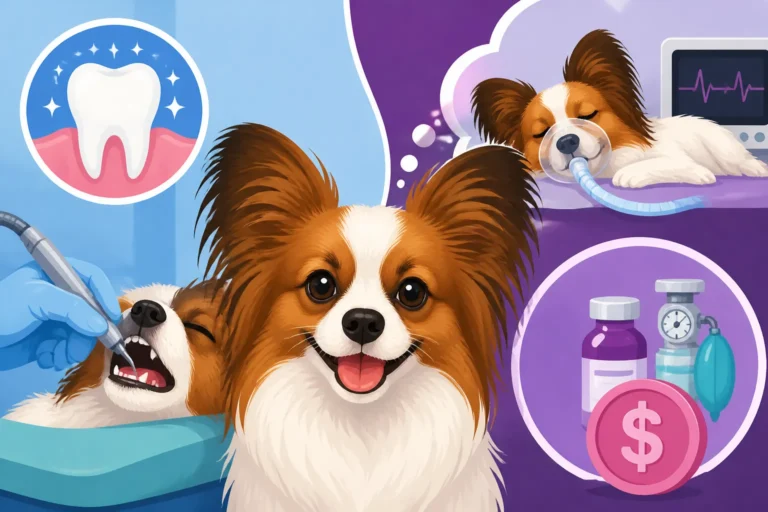
Small breeds like Papillons are notoriously prone to dental disease. Their small mouths can lead to crowded teeth, making them more susceptible to tartar buildup, gingivitis, and ultimately, tooth loss. The cost of professional dental cleanings under anesthesia can be surprisingly high, often running into hundreds or even over a thousand dollars if extractions are needed. Many people don't consider What a Papillon's Dental Costs until they're faced with the bill.
Rescues often take on this significant expense, providing much-needed dental care to Papillons who arrive with neglected teeth. Imagine a little Papillon coming into rescue with years of tartar buildup, painful infections, and loose teeth. The rescue will typically arrange for a full dental cleaning, scaling, polishing, and any necessary extractions, all performed by a vet. This ensures the dog is pain-free and has a healthy mouth when it arrives at your home. This upfront investment in dental health is a huge benefit to adopters, saving them from immediate, often costly, veterinary bills down the line. It's a testament to the rescue's commitment to the dog's overall well-being.
Behavioral Assessment and Training Support: Setting Your Papillon Up for Success
Bringing a new dog into your home involves more than just physical health; their mental and emotional well-being are equally important. Reputable Papillon rescues often spend considerable time assessing each dog's temperament and behavior. This might involve observing how they interact with people, children, other dogs, and even cats, helping the rescue match them to the most suitable family environment. They're looking for signs of anxiety, fear, resource guarding, or reactivity.
Based on these assessments, some rescues will provide initial training or behavioral modification. This could be anything from basic house-training refreshers to working with a dog that exhibits fear or shyness. Some might even send a Papillon to a professional trainer for specific issues. They also often offer post-adoption support, acting as a resource for adopters if behavioral challenges arise after the dog has settled in. This ongoing guidance is invaluable, especially for first-time dog owners or those dealing with a dog who has a difficult past. Knowing that a team of experienced individuals has already invested in the dog's behavioral foundation can make the transition much smoother for everyone involved.
Factors Influencing the Adoption Fee: Why Some Are Higher
It's common to see a range of adoption fees, even within the same breed. You might find some Papillons listed for a few hundred dollars, while others are closer to What a Papillon Puppy Costs From a Breeder. These differences aren't arbitrary; they reflect various factors related to the dog's individual needs and the rescue's operational structure.
Age and Health Status: Puppies, Seniors, and Special Needs Papillons
One of the biggest factors influencing an adoption fee is the age and overall health of the Papillon. Puppies, for instance, often command a slightly higher fee. This is partly due to their higher demand, but also because of the intense care they require – multiple rounds of vaccinations, deworming, spay/neuter, and sometimes around-the-clock supervision if they are very young or orphaned. Rescues invest a lot in getting a puppy safely to the point of adoption.
Conversely, senior Papillons or those with chronic health conditions might have lower adoption fees, or even be offered on a "foster-to-adopt" basis. While their fees might be reduced to encourage adoption, the rescue has often already spent a significant amount on their care. Imagine a Papillon who comes into rescue at The Age a Papillon Is Considered Senior and needs extensive dental work, blood tests for organ function, or ongoing medication for conditions like arthritis. The rescue absorbs those costs, and a lower fee is meant to help them find a loving home, knowing that the adopter might face ongoing expenses. This is why it's worth asking What an Aging Papillon Adoption Costs and what medical history comes with them.
Location and Rescue Organization Policies: Regional Differences and Operational Costs
The geographic location of the rescue organization and its specific policies also play a significant role in determining adoption fees. Operating costs, such as veterinary expenses, facility rents, and staff salaries, can vary dramatically from one region to another. A rescue operating in a high cost-of-living area, for example, might have higher overheads that need to be factored into their fees.
Furthermore, different rescues have different financial models. Some rely heavily on large donors and grants, which can allow them to offer lower adoption fees while still providing comprehensive care. Others, particularly smaller, volunteer-run groups, might depend more on adoption fees to sustain their operations and cover the costs for subsequent dogs. It's worth remembering that these organizations, regardless of their size, are often tackling complex cases and absorbing costs far greater than the fee they ask. Understanding What a Papillon Rescue Charges often means understanding their entire operational model and their dedication to the animals in their care.
Donor Support and Grants: How External Funding Impacts Fees
The financial health of a rescue organization often depends heavily on external funding beyond adoption fees. Many rescues actively seek donations from the public, apply for grants from charitable foundations, and host fundraising events. This donor support is absolutely vital because it allows rescues to cover the extensive costs associated with dogs that require specialized medical treatments, long-term rehabilitation, or those that stay in care for extended periods.
For instance, a Papillon who arrives with a complex injury requiring surgery, or one with a chronic illness needing expensive medication, will incur costs that far exceed any typical adoption fee. Generous donations and grants bridge this gap, ensuring that these dogs receive the care they desperately need without bankrupting the organization. Without this crucial external funding, adoption fees would likely need to be much higher across the board to cover the true expense of rescue work. So, while your adoption fee directly contributes to your specific Papillon's care, external funding allows the rescue to cast a wider net of help.
The True Value Beyond the Dollar Amount
While it's important to understand the financial breakdown of a Papillon rescue adoption fee, the true value extends far beyond the monetary sum. It's about the security, the ethics, and the profound impact you have on an animal's life.
The Peace of Mind from Pre-Vetted Dogs: Reducing Future Surprises
One of the biggest intangible benefits of adopting from a reputable Papillon rescue is the peace of mind you gain from knowing your new companion has been thoroughly vetted. When you consider What the First Year With a Papillon Totals or What a Papillon Costs Over Its Lifetime, unexpected veterinary bills can be a huge concern. Rescues minimize this risk by addressing known health issues before adoption. This isn't just about vaccines; it's about the deep dive into their health history, physical exams, and often, early interventions.
Imagine adopting a dog privately or from a less scrupulous source, only to discover weeks later that they have a serious infection, need immediate surgery, or require expensive dental work. Those surprise costs can be financially devastating and emotionally draining. A rescue, on the other hand, typically provides a detailed health record and transparency about any ongoing needs. You're bringing home a dog whose immediate major medical needs have largely been met, allowing you to focus on bonding and enjoying your new family member, rather than stressing over unexpected vet visits. Pet insurance providers like Healthy Paws can certainly help with unforeseen future costs, but the initial vetting by a rescue minimizes the immediate unknowns.
Supporting the Rescue Mission: A Cycle of Care
Your adoption fee does more than just cover the costs for the specific Papillon you take home; it directly contributes to the rescue's ongoing mission. Think of it as investing in a cycle of care. That fee helps the organization continue its vital work of rescuing, rehabilitating, and rehoming other Papillons in need. It means the next abandoned, neglected, or surrendered dog can also receive the same high level of veterinary attention, nourishing food (perhaps from a brand like Ollie, catering to specific needs), and loving temporary care.
Many Papillons end up in rescue for a variety of reasons – some due to owner illness, financial hardship, or simply being born into unfortunate circumstances. Knowing Why Papillons Come Into Rescue highlights the constant demand for organizations dedicated to their welfare. By paying an adoption fee, you're not just getting a dog; you're becoming a part of the solution. You're enabling the rescue to pull another dog from a challenging situation, give them a second chance, and eventually find them a forever home, just like yours. This collective impact is truly what makes rescue work possible.
Comparing Rescue vs. Breeder Costs: An Honest Look
When considering where to get a Papillon, comparing the costs of adopting from a rescue versus purchasing from a breeder can be illuminating. While the upfront adoption fee might sometimes seem comparable to a breeder's price, the included value often differs significantly.
| Feature | Rescue Adoption Fee Typically Covers | Reputable Breeder Purchase Typically Covers | Private Seller/Backyard Breeder |
|---|---|---|---|
| Initial Vet Exam | Yes (thorough exam, often multiple) | Yes (initial puppy vet check) | Often none, buyer responsible |
| Vaccinations | Yes (age-appropriate, usually full series) | Yes (age-appropriate puppy shots) | Often incomplete or none |
| Spay/Neuter | Yes (mandatory, included in fee) | No (buyer responsible, part of contract) | No (buyer responsible) |
| Microchipping | Yes (included, registered to adopter) | Often yes (sometimes buyer registers) | Rarely |
| Deworming/Flea Tx | Yes | Yes | Rarely, or buyer responsible |
| Dental Work | Often for adult/senior dogs (cleanings, extractions) | N/A (puppies don't need this) | Rarely, buyer responsible |
| Behavioral Assess. | Yes (extensive observation and support) | Yes (some early socialization) | None |
| Health Screening | Often for common breed issues (knees, eyes, if needed) | Yes (parent dogs screened, results provided) | Rarely |
| Ongoing Support | Yes (post-adoption advice, resources) | Yes (breeder mentor relationship) | None |
| "Hidden" Costs | Minimized due to pre-vetting | Minimal early "hidden" costs, but buyer pays spay/neuter, future vet | Potentially very high, buyer pays all medical/behavioral issues |
As you can see, the rescue adoption fee often front-loads many essential expenses that a new owner would otherwise have to pay for immediately upon bringing their Papillon home. While reputable breeders also invest heavily in their puppies, particularly in terms of genetic testing for parents, the direct services a rescue provides to the individual dog before adoption are very comprehensive. This table helps illustrate why What a Papillon Breeder Should Have Tested might be different from what a rescue performs on a dog with an unknown background, but both aim for a healthy outcome. Opting for rescue often means many of the initial costly health interventions are already complete, saving you money and stress down the road.
Disclaimer
This article is for general informational purposes only and does not constitute professional advice. Laws, prices and regulations vary by location and change over time. Consult a qualified professional for guidance on your specific situation.