Whether a Papillon Works for Toys
It’s a common misconception that tiny dogs, especially highly intelligent ones like Papillons, are only interested in food. Many owners find themselves frustrated when their little companion seems to yawn at a brand new squeaky toy but snaps to attention the moment a treat bag crinkles. This guide is here to unravel that mystery and show you how to unlock your Papillon's natural play drive, making toys a powerful tool for training, enrichment, and building an even stronger bond with your delightful butterfly-eared friend.
Dispelling the Myth: Why Some Papillons Seem Disinterested in Toys
When you picture a dog that loves toys, you might instantly think of a Labrador retriever enthusiastically retrieving a tennis ball or a Border Collie chasing a frisbee with boundless energy. Papillons, being small and often delicate in appearance, sometimes get overlooked when it comes to robust play. This can lead to owners assuming their particular Papillon just isn't "into" toys, often falling back on food as the primary motivator, which can be a missed opportunity for engagement and mental stimulation.
The Easy Road of Food Motivation
Let's be honest, food is an incredibly powerful motivator for almost any dog, and Papillons are certainly no exception. A tiny piece of cheese or a delicious training treat can get a Papillon to perform almost any trick with impressive speed. Because it's so immediate and universally effective, many people, ourselves included at times, lean heavily on food for all training and engagement. Why bother with the extra effort of building toy drive when a yummy morsel does the trick every single time? This convenience often overshadows the potential for toys to become equally, if not more, engaging.
However, relying solely on food can have its downsides. It can sometimes lead to a dog that's only motivated when food is visible, making generalization of behaviors harder. For a breed known for its mental prowess, like the Papillon, diverse motivators keep them sharp and engaged. You might find that How Many Repetitions a Papillon Needs differs greatly when you switch up the reward.
Misinterpreting a Papillon's Play Style
Another reason why a Papillon might seem uninterested in toys is that their play style can be quite different from larger, more boisterous breeds. A Papillon won't necessarily body-slam a Kong or engage in a prolonged wrestling match with a rope toy in the same way a larger dog might. Their play can be more refined, quick, and focused. They might enjoy a rapid game of chase, a delicate pounce on a squeaky toy, or a short, intense tug session rather than sustained, rough-and-tumble play.
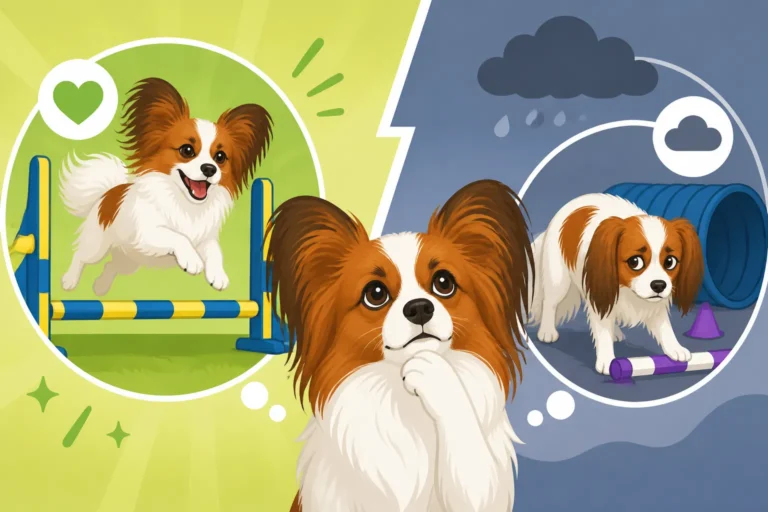
Many owners might present a toy, and if their Papillon doesn't immediately grab it and run, they conclude there's no interest. But a Papillon's "lack of interest" might just be a lack of obvious interest. They might observe the toy, stalk it, or engage with it in quick bursts. We sometimes need to adjust our expectations of what "playing with toys" looks like for a small, agile, and highly intelligent breed. Understanding What a Papillon Does All Day can shed light on their natural rhythms and inclinations for play.
Lack of Early Toy Introduction
Just like humans, dogs often develop preferences based on early experiences. If a Papillon puppy wasn't introduced to a variety of toys and engaging play from a young age, they might not naturally gravitate towards them as adults. Perhaps their litter environment didn't emphasize interactive play with objects, or their first home relied solely on chew toys for independent play rather than handler-involved toy games. This isn't a lost cause, though! It simply means you might need to actively teach your Papillon how to enjoy toys.
Think of it like teaching a child a new skill. You don't just hand them a musical instrument and expect them to play a symphony. You guide them, make it fun, and celebrate their small successes. The same goes for toys with a Papillon. A dog that has never been taught to play a structured game of fetch might just sniff the ball and walk away, not because they don't like balls, but because they don't understand the game.
The Irresistible Allure of Play: Why Toys Matter for Your Papillon
Despite any initial hesitations, toys can be a phenomenal source of joy, mental stimulation, and a powerful tool in your training arsenal for a Papillon. Their intelligence and innate drive make them incredibly receptive to interactive play once you tap into their unique motivators. Toys aren't just for occupying your dog; they're vital for their overall well-being.
Tapping into Instinctual Drives
Papillons, for all their delicate appearance, are dogs through and through, complete with natural canine instincts. They have a definite prey drive, a desire to chase, pounce, and "kill" (in a playful sense) things that move. A well-chosen toy can perfectly mimic these natural prey behaviors. A small, fluttering flirt pole toy, or a squeaky plush that's tossed and caught, can ignite this instinct. These activities provide an appropriate outlet for their natural urges, which is far better than them chasing your ankles or imaginary dust bunnies.
Furthermore, many Papillons have a strong desire for interaction and connection. Toys, particularly those used in interactive games like tug or fetch, become a focal point for this connection. It's not just about the toy itself; it's about the shared experience with you. This shared activity strengthens your bond and creates positive associations, making you even more valuable in their eyes. You'll find that for this breed, What Motivates a Papillon often comes down to both connection and intelligent engagement.
Mental and Physical Enrichment
While Papillons don't need miles of running like some larger breeds, they are active little dogs who benefit immensely from both physical exercise and mental stimulation. Toys are perfect for both. A vigorous game of fetch in the living room can burn off excess energy, especially on a rainy day. Puzzle toys, on the other hand, challenge their impressive brains, requiring them to figure out how to get a hidden treat or unravel a sequence to access a reward. This type of mental work is just as tiring and satisfying for a Papillon as a long walk.
Consider the benefits of variety. Tossing a ball down a hallway, having them chase a feather wand, or engaging them in a brief but intense tug-of-war session can work different muscle groups and stimulate different parts of their brain. This multifaceted approach to exercise and enrichment helps prevent boredom and keeps your Papillon engaged and happy. Boredom in such an intelligent breed can sometimes lead to nuisance behaviors, which is definitely something you want to avoid.
Toys as High-Value Reinforcers in Training
Beyond simple play, toys can become incredibly powerful motivators in formal training. For many Papillons, especially once a strong toy drive is established, a quick game of tug or a thrown squeaky toy can be just as, if not more, rewarding than a food treat. This is particularly useful in situations where food might not be ideal – for example, if your Papillon is on a special diet, has a sensitive tummy, or you're training in a high-distraction environment where food treats might fall or attract unwanted attention.
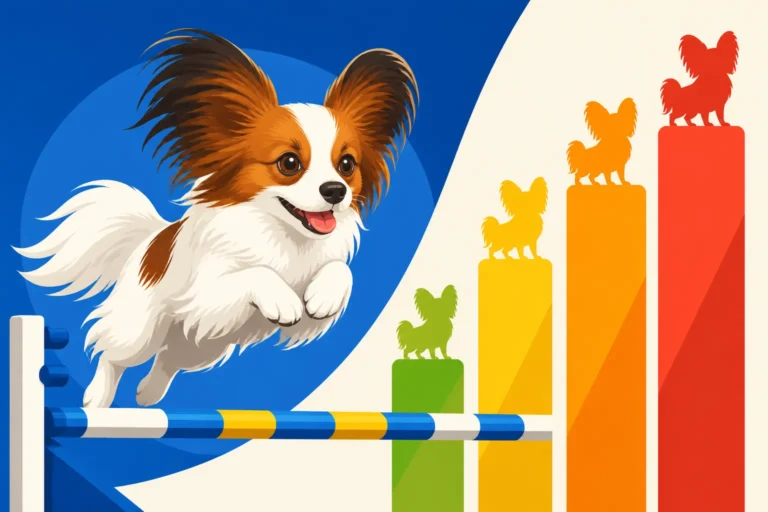
Imagine teaching your Papillon a fast recall. While food is great, the excitement of a favorite toy being produced and tossed can create an electrifying response, making them want to rocket back to you. For agility enthusiasts, toys are often the ultimate reward, fueling a dog's desire to run faster and clearer. If you're wondering How Fast a Papillon Runs a Course, a strong toy reward can certainly make a difference! Toys can also be invaluable for teaching self-control, like waiting for a release cue before pouncing on a toy, or "out" to drop a toy when asked.
Building and Utilizing Toy Drive in Your Papillon
So, how do you transform a Papillon that snubs toys into one that eagerly anticipates playtime? It's a process that involves making toys incredibly valuable, teaching interactive games, and integrating them seamlessly into your daily routine and training.
Making Toys the Greatest Thing Ever
The key to building toy drive is to make the toy seem like the most precious, exciting thing in the world, and you are the gatekeeper of that treasure. Don't just leave all toys scattered around where they lose their novelty. Instead, keep a special "training toy" or "playtime toy" hidden away and only bring it out for specific, high-energy sessions with you. This scarcity increases its value.
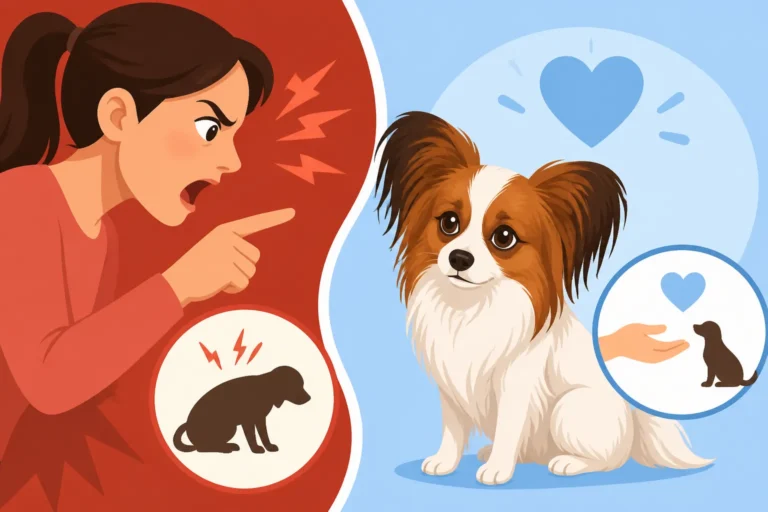
Start with short, energetic bursts of play. Wiggle the toy, make it "come alive" on the floor, mimicking prey. Let your Papillon "catch" it, praise them enthusiastically, and then quickly put the toy away before they get bored. This leaves them wanting more. Avoid forcing them to play; instead, entice them. If they show even a tiny bit of interest, like a nose-nudge or a slight tail wag, reward that with praise and continued playful movements of the toy. You want to cultivate a feeling of joyous anticipation.
Interactive Play Styles Papillons Love
Once your Papillon shows some interest, introduce them to specific games that foster engagement.
- Tug-of-War: This is fantastic for building confidence and bond. Use a soft, small tug toy that's easy for their mouth. Let them win sometimes, especially in the beginning, to build their enthusiasm. Teach a "drop it" or "out" cue early on. This game is a great energy burner and mentally stimulating.
- Fetch/Chase: Many Papillons love a good chase! Start with rolling the toy a short distance, encouraging them to run after it. Praise heavily when they retrieve it, even if they don't bring it all the way back. Gradually increase the distance. For a smaller space, a soft plush toy tossed gently can work wonders. You can find excellent durable, appropriately sized options on Amazon, which offers a wide array of choices for small breeds.
- Hide-and-Seek: Hide a favorite squeaky toy and encourage your Papillon to "find it!" Their keen senses and intelligence make them naturals at this. This works their nose and brain and is wonderful mental enrichment.
- Flirt Pole: A toy tied to a long stick or pole, used to entice chasing behavior. This is a controlled way to engage their prey drive and can be incredibly satisfying for them, as they get to "catch" the toy at the end. Ensure the pole and string are appropriate for a small dog.
Remember, keep these sessions short, fun, and always end on a high note. For structured training advice on integrating play, resources like BAXTER & Bella often emphasize using play to build confidence and reinforce good behavior.
Integrating Toys into Training Sessions
Once your Papillon has a budding interest in toys, start using them as rewards in your training. After they successfully perform a known command, instead of a treat, offer a quick, exciting game of tug or a thrown toy. The sudden burst of play breaks up the session and keeps their energy high. This method is particularly effective for high-energy commands or for maintaining focus in distracting environments.
For example, if you're working on Teaching a Papillon to Retrieve, the toy itself becomes the reward for bringing it back. If you're practicing heeling, a sudden "break!" followed by a thrown toy can make them even more eager to stay by your side, knowing a fun reward is possible. This creates a positive feedback loop: good behavior leads to fun playtime.
| Toy Type | Primary Benefit | Ideal Use Case | Papillon Suitability |
|---|---|---|---|
| Plush/Squeaky | Comfort, low-impact play, prey drive satisfaction | Fetch, gentle tug, independent "killing" | Excellent for chase, gentle tug; ensure no small parts can be swallowed. |
| Rope Toys | Tug, chewing | Interactive tug, mild chewing | Good for tug with supervision; choose smaller, thinner ropes. |
| Interactive Puzzle | Mental stimulation, slow feeding | Independent enrichment, mealtime challenge | Highly recommended for this intelligent breed; aids in mental fatigue. |
| Flirt Pole | Prey drive exercise, controlled chase | High-energy bursts, indoor/outdoor | Great for controlled energy release; ensures soft toy at the end. |
| Small Rubber Balls | Fetch, chewing (durable) | Outdoor fetch, light chewing | Good for strong chewers; ensure size is appropriate to prevent choking. |
Choosing the Right Toys for Your Papillon
The world of dog toys is vast, and picking the right ones for your Papillon is crucial for both safety and engagement. Their small size and fine bones mean you need to be mindful of toy dimensions and material.
Safety First: Size and Durability
Always choose toys that are appropriately sized for your Papillon. A toy that's too small can be a choking hazard, while one that's too large might be intimidating or impossible for them to manipulate. Look for toys specifically designed for "toy breeds" or small dogs. Durability is also key. While Papillons aren't typically extreme chewers like some larger breeds, any toy can eventually break down. Regularly inspect toys for wear and tear, and discard anything that's damaged to prevent ingestion of small pieces.
When shopping for toys, whether you're browsing at your local pet store or looking online through Amazon, pay close attention to reviews regarding durability and sizing. Consider the material: some plastics or rubbers might be too hard for their delicate teeth, while others are perfectly safe and stimulating. Avoid toys with easily detachable small parts like plastic eyes or bells.
Variety is the Spice of Life
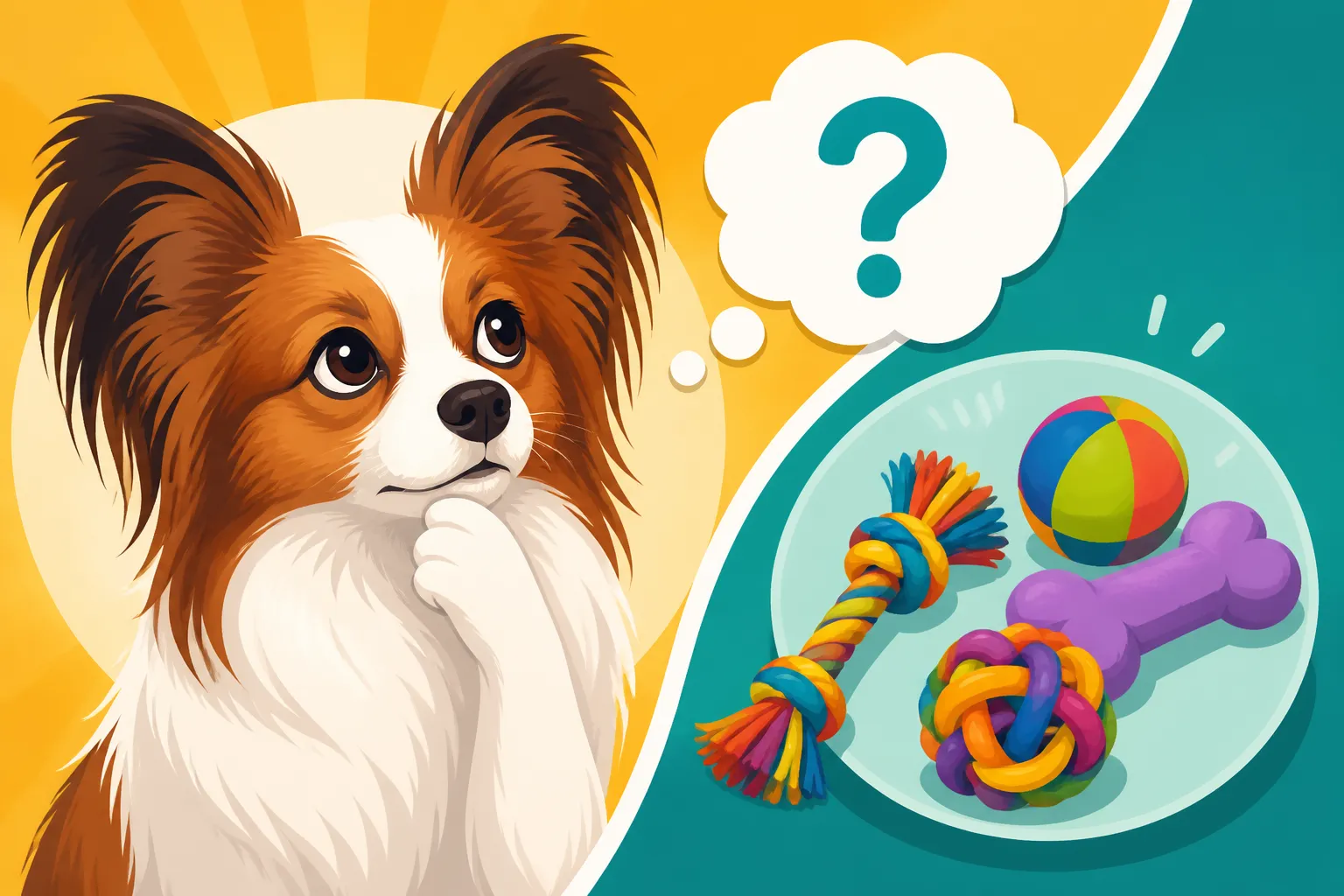
Just like people, dogs appreciate variety. A rotation of different types of toys can keep your Papillon's interest piqued and cater to different moods or needs. Have a selection of:
- Soft, squeaky toys: These are great for engaging their prey drive and for gentle indoor games.
- Durable chew toys: While not always "play" toys, having appropriate chew toys (like a small Kong or Nylabone) is important for dental health and independent quiet time. Remember The Teeth in a Papillon's Small Jaw need care!
- Tug toys: Small, soft rope or fleece tugs are perfect for interactive games with you.
- Puzzle toys: These are indispensable for mental enrichment. They come in various difficulty levels, from simple treat dispensers to more complex puzzles that require multiple steps.
- Fetch balls: Lightweight, small rubber or soft fabric balls for games of fetch.
By rotating these toys, you prevent them from becoming "boring" and ensure that each playtime feels like a special event. Some trainers, including those affiliated with programs like BAXTER & Bella, even suggest keeping certain toys exclusively for training rewards to maintain their high value.
Consider Their Age and Health
A Papillon's toy preferences and safety needs can change throughout their life. A young, energetic puppy might need softer, more easily managed toys, and you'll need to monitor them closely for chewing and destruction. As they age, they might still enjoy toys but in a more gentle manner. For an aging Papillon, softer toys, puzzle toys that don't require much physical exertion, or even a simple stuffed animal for comfort might be more appropriate. What Changes in a Papillon After Eleven often includes a decrease in intense physical play, but mental games remain crucial.
Also, be mindful of any health conditions. If your Papillon has a history of dental issues, avoid very hard toys that could damage their teeth. If they have joint issues, such as Patellar Luxation Is the Papillon Problem You Will Actually Meet, avoid toys that encourage excessive jumping or twisting motions. Always choose toys and play styles that are safe and comfortable for your individual dog.
Ultimately, whether a Papillon works for toys isn't a question of if, but how. With patience, understanding, and the right approach, you can turn your Papillon into a toy-loving champion, enhancing their life and your bond in countless wonderful ways.
Disclaimer
This article is for general informational purposes only and does not constitute professional advice. Laws, prices and regulations vary by location and change over time. Consult a qualified professional for guidance on your specific situation.