Which Class a Papillon Enters
It can feel overwhelming, can't it? You've got this tiny, intelligent bundle of energy, your Papillon, and you want to get them involved in classes, but you're not sure where they'll fit in, especially with all the bigger dogs around. This guide is here to walk you through the various classes available for your Papillon, from basic manners to competitive sports, helping you find the perfect fit for their bright mind and lively spirit.
Understanding Your Papillon's Natural Aptitude for Learning
Papillons aren't just pretty faces with magnificent ears; they're incredibly bright and eager little dogs. This inherent intelligence and desire to work with their human partners make them fantastic candidates for a wide range of training classes. Many new Papillon owners are pleasantly surprised by just how quickly these little dynos pick things up, often outpacing their larger canine counterparts.
The Papillon's Eagerness to Please and High Intelligence
When you live with a Papillon, you quickly learn that they are always observing, always thinking. They seem to soak up information like sponges, often understanding what you want before you even fully articulate it. It's no secret that The Papillon Is the Smartest Toy Breed There Is, and this isn't just a boast; it's a fundamental truth that makes them excel in structured learning environments. They thrive on mental stimulation and genuinely enjoy the process of learning new things.
Their eagerness to please isn't about blind obedience; it's about collaboration. They enjoy the interaction, the challenge, and the praise that comes with successful training. This means that a class setting, where there are clear expectations and consistent rewards, often brings out the best in them. They're not easily bored by repetition if the training is engaging, and they often pick up cues after just a few repetitions. This rapid learning curve means you can often move through foundational classes quicker than you might with other breeds, opening up opportunities for more advanced and specialized training sooner.
The Importance of Early Socialization and Puppy Classes
Even if your Papillon seems like a little rockstar at home, the world outside your door is a big, exciting, and sometimes scary place for a small dog. That's why early socialization and puppy classes are absolutely non-negotiable. These aren't just about teaching "sit" and "stay"; they're crucial for building a confident, well-adjusted adult dog. A good puppy class provides a safe, controlled environment for your Papillon to interact with other puppies of various sizes and breeds, as well as different people, sounds, and textures.
Think of it as laying the groundwork for emotional resilience. Without proper socialization, especially for a small breed, Papillons can easily become fearful or reactive, prone to barking at everything new, or developing "small dog syndrome" where they feel the need to overcompensate for their size. A quality puppy class, led by an experienced positive reinforcement trainer, will focus on positive exposure to novel stimuli, gentle play, and early manners. This sets your Papillon up for success in all future endeavors, whether it's navigating the dog park politely or confidently entering an agility ring. When considering When to Start Training a Papillon Puppy, remember that the earlier these positive experiences begin, the better. Many trainers offer classes for puppies as young as 8-10 weeks, once they've had their initial vaccinations.
Foundational Obedience and Companion Dog Classes
Before you dream of ribbons and titles, every Papillon benefits immensely from solid foundational obedience. These classes aren't just for competition hopefuls; they're for every dog and owner who wants to live a harmonious, safe, and enjoyable life together.
Basic Obedience for Every Papillon
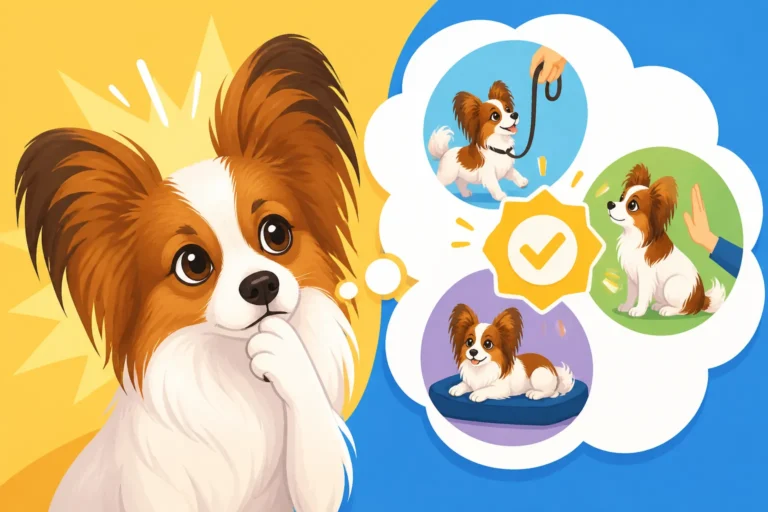
Basic obedience is truly the cornerstone of a well-behaved companion. Commands like "sit," "stay," "come," and polite leash walking aren't just tricks; they're vital communication tools that can literally save your dog's life and make daily interactions a joy instead of a struggle. Imagine your Papillon reliably coming when called in a busy park, or calmly waiting at the door instead of darting out. These aren't fantasies; they're achievable goals through basic obedience training.
For a small dog like a Papillon, good manners are particularly important. It's easy for small dogs to be overlooked or accidentally stepped on, and a Papillon that can hold a "stay" or walk nicely on a loose leash is much safer in public. A typical beginner obedience class will cover:
- Leash Manners: Teaching your Papillon to walk beside you without pulling, darting, or lagging.
- Recall ("Come"): Arguably the most important command, ensuring your dog returns to you reliably.
- Sit, Down, Stay: Essential commands for impulse control and polite greetings.
- Leave It/Drop It: Crucial for preventing your Papillon from ingesting something dangerous or guarding objects.
- Focus/Engagement: Teaching your Papillon to pay attention to you, even with distractions.
These classes also teach you, the owner, how to effectively communicate with your dog using positive reinforcement methods. You'll learn about timing, treat delivery, and how to make training fun and motivating for your Papillon. Understanding What Motivates a Papillon will be key to your success in these classes. For many, simply having a well-behaved household companion is the ultimate goal, and basic obedience is the path to that harmonious relationship.
Beyond Basics: Intermediate Obedience and Canine Good Citizen
Once your Papillon has mastered the basics, you might find yourself wanting more. Perhaps you're enjoying the training bond, or you want to ensure your Papillon is truly a stellar canine citizen. That's where intermediate obedience classes and programs like the Canine Good Citizen (CGC) come into play.
Intermediate classes build on the foundation, introducing longer "stays," more complex sequences of commands, and increased distractions. They might also delve into more refined leash skills, polite greetings with strangers and other dogs, and controlled off-leash work in a safe environment. This level of training truly solidifies your Papillon's manners and responsiveness, making them a joy to take almost anywhere.
The Canine Good Citizen (CGC) program is a fantastic goal for any Papillon. It's not a competition, but rather a certification that demonstrates your dog's good manners at home and in the community. The test involves ten practical skills, such as accepting a friendly stranger, walking through a crowd, reacting politely to other dogs, and staying calmly when left alone (with a trusted person). Achieving a CGC title is a wonderful accomplishment and a testament to your Papillon's excellent behavior. Whether a Papillon Passes a Canine Good Citizen Test is usually a resounding yes, as their intelligence and eagerness make them prime candidates for this distinction. Many training facilities offer specific CGC prep classes, which are an excellent way to refine those skills and boost your confidence before the official test.
Diving into Dog Sports: Where Papillons Truly Shine
If you and your Papillon have caught the training bug, dog sports are likely your next adventure. And let me tell you, this is where the Papillon's vibrant personality, incredible athleticism, and sharp mind truly get to sparkle. These aren't just games; they're engaging activities that build confidence, strengthen your bond, and provide immense mental and physical exercise.
Agility: The Papillon's Reigning Sport
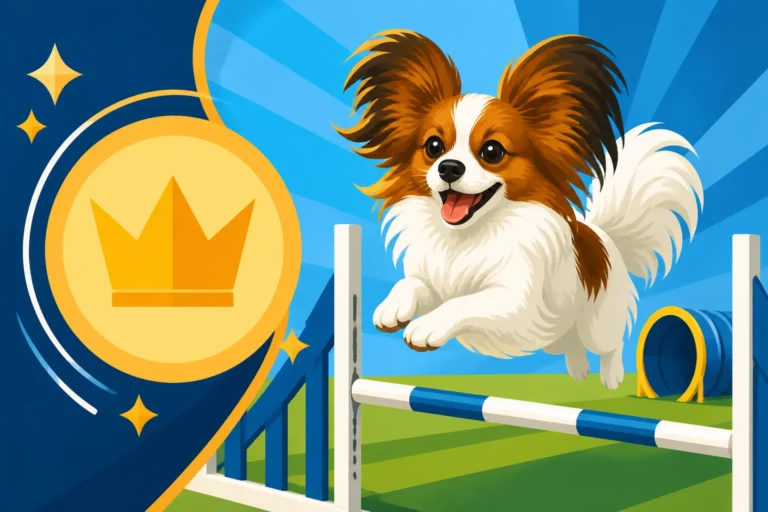
If there's one sport synonymous with the Papillon, it's agility. These little dogs are natural-born agility stars! Their compact size, incredible speed, surprising jumping ability, and intense focus make them formidable competitors, often outmaneuvering much larger dogs on the course. They simply love to run, jump, and weave, and their intelligence allows them to quickly understand complex sequences of obstacles. Starting a Papillon in Agility is a journey many Papillon owners embark on, and it's a deeply rewarding one.
Agility classes typically start with foundation work, focusing on body awareness, building confidence on individual obstacles at low heights, and teaching directional cues. You won't be jumping full height or running complex courses right away. Instead, you'll work on things like sending your dog over small bar jumps, through tunnels, and introducing contact obstacles (like the A-frame and dog walk) with safety in mind. As your Papillon gains skill and confidence, you'll progress to novice, intermediate, and eventually advanced classes, tackling more challenging courses and higher jumps. Remember that proper training should always prioritize your dog's safety and physical well-being. Which Jump Height a Papillon Competes At is generally very small, typically 4 to 8 inches, which suits their delicate structure.
Finding a good agility instructor is paramount. Look for someone who uses positive reinforcement, understands small dog dynamics, and prioritizes safety. You might even want to pick up some basic agility equipment for backyard practice, which you can often find on Amazon to supplement your formal classes.
Rally and Scent Work: Engaging Mind and Body
Not every dog (or owner!) is built for the high-octane pace of agility, and that's perfectly fine! There are many other fantastic dog sports where Papillons excel, offering different types of mental and physical engagement.
Rally Obedience is often described as a "friendly" version of competitive obedience. Instead of a judge telling you what to do, you and your Papillon navigate a course of numbered signs, each indicating a different obedience exercise (e.g., "sit-stay-walk around dog," "send over jump," "spiral right"). It's less formal than traditional obedience, allowing more talking and encouragement, which Papillons absolutely thrive on. It requires precision, teamwork, and communication, all things Papillons naturally enjoy. Whether a Papillon Can Do Rally is another enthusiastic yes; they often shine in this sport due to their focus and desire to please. It's a fantastic way to continue honing their obedience skills in a fun, dynamic environment without the high physical demands of agility.
Scent Work, also known as "nose work," is another incredible sport that taps into a dog's most powerful sense. In scent work, your Papillon learns to detect specific target odors (like birch, anise, or clove) hidden in various environments (containers, interiors, exteriors, vehicles). It's essentially teaching them to be scent detection dogs, just for fun! Papillons have surprisingly keen noses, and this sport builds confidence and provides immense mental enrichment. There's nothing quite like watching your Papillon's tail wag furiously as they track down a hidden scent. Whether a Papillon Can Do Scent Work is certainly affirmative; it's a low-impact activity that's accessible to almost any dog, regardless of age or physical condition. Many Papillon owners find it incredibly rewarding to see their little dogs so focused and engaged in a task that comes so naturally to them.
Other Niche Sports and Performance Classes
The world of dog sports is vast and ever-expanding! Beyond agility, rally, and scent work, your Papillon might enjoy:
- Trick Training: Papillons are trick-learning machines! Their intelligence and dexterity make them naturals for learning everything from "spin" and "wave" to more complex routines. Many facilities offer dedicated trick classes, or you can even follow online courses or use resources like BAXTER & Bella, which often include trick training as part of their comprehensive puppy and adult dog programs. This can be a fantastic way to keep their minds engaged and impress your friends! Teaching a Papillon Tricks Faster Than You Think of Them is a common experience for owners.
- Canine Freestyle (Musical Canine Freestyle): This is essentially doggy dancing, where you choreograph a routine to music with your Papillon, incorporating tricks, heeling, and other movements. It's a wonderful outlet for creative owners and talented dogs.
- Flyball (Modified): While traditional flyball might be too high-impact for some Papillons due to the retrieves and jumps, some clubs offer modified versions for smaller or less robust dogs.
- Barn Hunt: This sport involves dogs finding rats (safely enclosed in aerated tubes) hidden in bales of straw. It's another fantastic way to engage their prey drive and natural hunting instincts in a controlled environment.
The key is to explore and find what you and your Papillon genuinely enjoy together. The beauty of these classes is not just the skills learned, but the bond strengthened through shared activity.
Choosing the Right Class and Instructor for Your Papillon
With so many exciting options, how do you decide which class is right for your Papillon? It's not just about the sport itself; it's about finding the right fit for your individual dog and your goals.
Factors to Consider: Age, Temperament, and Goals
Before enrolling in any class, take a moment to honestly assess your Papillon and what you hope to achieve.
- Age: Puppy classes are obviously for puppies. Foundation agility classes typically require dogs to be at least a year old to protect their developing joints, while obedience and scent work can start earlier. An older Papillon might benefit from low-impact sports like scent work or rally.
- Temperament: Is your Papillon a bold, confident explorer, or are they a bit shy and reserved? How Bold a Papillon Is will heavily influence which environment they'll thrive in. A shy dog might do better in a smaller class or a sport like scent work where they can focus on a task rather than social interaction. A bold Papillon might relish the energy of an agility class. Similarly, consider how your Papillon handles distractions. Some thrive on the chaos, others need a calmer environment to learn effectively.
- Your Goals: Are you aiming for competitive titles and ribbons, or simply looking for a fun hobby and a better-behaved companion? Your goals will steer you towards different types of classes. If your goal is just to have a well-mannered pet, foundational obedience is paramount. If you dream of dog sports, then looking into specific sport classes makes sense after the basics are solid. Also consider the time commitment; some competitive sports require more frequent training and travel.
Evaluating Training Facilities and Instructors
This is perhaps the most crucial step. A good class can make all the difference, and a bad one can set you back.
- Positive Reinforcement: This is non-negotiable. Look for trainers who use reward-based methods (treats, toys, praise) to motivate dogs, rather than punishment, force, or intimidation. Positive reinforcement builds confidence and a stronger bond, which is especially important for sensitive breeds like Papillons. Resources like BAXTER & Bella are built entirely around positive reinforcement principles, offering online guidance that can complement in-person classes.
- Experience with Small Dogs: While a good trainer can work with any dog, one who has experience with toy breeds will understand their unique dynamics – their fragility, their high energy relative to size, and their tendency to be easily overwhelmed in large, boisterous classes.
- Class Size: Smaller classes often mean more individualized attention from the instructor, which can be a huge benefit for your Papillon.
- Cleanliness and Safety: The training environment should be clean, safe, and free from hazards. Equipment should be well-maintained.
- Observation Policy: A reputable training facility will always allow you to observe a class without your dog before you enroll. This is your chance to see the instructor in action, watch how they interact with the dogs and owners, and assess the overall atmosphere. Does it seem positive and encouraging? Are the dogs engaged and happy?
- Certifications and Continuing Education: Good trainers are committed to ongoing learning. Ask about their certifications and how they stay current with the latest training science.
Don't be afraid to ask questions, speak to other students, and trust your gut. Your Papillon is a sensitive and intelligent creature, and they deserve the best possible learning experience. Finding the right class, with the right instructor, will unlock their full potential and bring you years of joy and teamwork.
| Class Type | Primary Focus | Papillon Suitability | Key Benefits | Potential Equipment (Amazon) |
|---|---|---|---|---|
| Puppy Class | Socialization, basic manners, confidence | Excellent | Builds social skills, bite inhibition, foundation | Treat pouch, soft treats, clicker |
| Basic Obedience | Leash manners, recall, sit, stay, down | Excellent | Essential life skills, stronger bond, safety | Leash, collar/harness, treats, clicker |
| Intermediate Obedience / CGC Prep | Advanced cues, distraction proofing, public manners | Excellent | Refined behavior, community confidence, titles | Longer leash, varied treats |
| Agility | Obstacle negotiation, speed, handler cues | Outstanding | Physical exercise, mental challenge, teamwork | Small jumps, tunnels, weave poles (backyard) |
| Rally Obedience | Course navigation with obedience exercises | Excellent | Focus, precision, fun obedience, lower impact | Course signs (for practice) |
| Scent Work | Odor detection, problem-solving, focus | Excellent | Mental enrichment, confidence, low impact | Odor kits, tins, boxes |
| Trick Training | Learning fun behaviors, mental stimulation | Outstanding | Confidence, creativity, entertainment | Props, target sticks, various treats |
Disclaimer
This article is for general informational purposes only and does not constitute professional advice. Laws, prices and regulations vary by location and change over time. Consult a qualified professional for guidance on your specific situation.