How Many Hours a Papillon Can Be Left
One of the biggest worries we Papillon parents face, especially those of us who work outside the home, is how long is too long to leave our tiny, intelligent companions by themselves. That guilt can eat at you, wondering if they're bored, lonely, or even getting into mischief. It's a valid concern, because Papillons, despite their small size, are deeply social and clever little dogs. This guide will help you understand how much alone time your Papillon can truly handle, and more importantly, how to make that time as positive and stress-free as possible for everyone involved.
How Long is Too Long? Understanding Your Papillon's Limits
The answer to "how many hours can a Papillon be left alone?" isn't a simple number, unfortunately. It's a nuanced question that depends heavily on your individual dog's age, training, personality, and even your daily routine. While a well-adjusted adult Papillon might manage a typical workday, expecting the same from a puppy or a dog with separation anxiety is simply unrealistic and potentially harmful.
Age and Development: Different Stages, Different Needs
A Papillon puppy, much like a human baby, requires almost constant supervision and attention. Their bladders are tiny, their minds are rapidly developing, and they need frequent reassurance and interaction to build confidence and good habits. As they mature, their capacity for alone time grows, but it's a gradual process, not a sudden leap.
When you bring home a Papillon puppy, you’re essentially signing up for a temporary period where leaving them alone for more than an hour or two is pushing it. Think about their bladder control – a young puppy simply can't "hold it" for very long. This isn't a lack of training; it's pure physiology. Beyond that, puppies are learning about their world. Every new experience, every interaction (or lack thereof), shapes their understanding of safety, routine, and their place in your life. Leaving them crated and alone for extended periods can breed anxiety or boredom, which often manifests in destructive behaviors or difficulty with house training down the line. It's truly a critical period where consistent, positive reinforcement for appropriate alone time, paired with frequent bathroom breaks and engaging activity, is paramount. The First Year With a Papillon Puppy details many of these early care considerations.
As your Papillon matures into adulthood, usually around one year old, their ability to be alone significantly improves. An adult Papillon with proper training, especially crate training, and a good routine can often be left for 4-6 hours without major issues. Some exceptional individuals might even stretch to 8 hours, particularly if they have a mid-day break, but this really is the absolute upper limit for most and requires careful consideration of their individual needs and temperament. They need ample exercise and mental stimulation before you leave, and a welcoming, calm environment to return to.
Senior Papillons, typically those over 10 or 11 years old, might see a regression in their ability to handle long stretches alone. Their bladders may not be as strong, they might experience cognitive decline that makes them more anxious or disoriented, or they might simply prefer more companionship as they age. They might also have increased needs for medication or bathroom breaks. It's important to be empathetic to these changes and adjust your expectations and care routine accordingly, just as you would for an aging family member.
| Papillon Age/Stage | Typical Maximum Alone Time | Key Considerations |
|---|---|---|
| Puppy (8-16 weeks) | 1-2 hours | Tiny bladder, rapid development, high supervision needs |
| Puppy (4-6 months) | 2-3 hours | Bladder improving, still needs frequent breaks, socialization |
| Young Adult (6-12 months) | 3-4 hours | Building bladder control, testing boundaries, high energy |
| Adult (1-10 years) | 4-6 hours (max 8 with break) | Established routine, good bladder control, mental stimulation crucial |
| Senior (10+ years) | 2-4 hours | Potential for weaker bladder, cognitive changes, increased anxiety |
Personality and Training: Individual Differences Matter
Just like people, every Papillon is an individual. Some are naturally more independent and content to nap the day away, while others are highly sensitive, clingy, and prone to anxiety. A Papillon that has been consistently crate-trained and socialized from a young age is far more likely to handle alone time gracefully than one who hasn't.
Early exposure to short periods of alone time, starting with just minutes and gradually increasing, is crucial. If your Papillon never learns that you always come back, or that being alone isn't scary, they can develop genuine distress. This isn't just about destructive chewing; it's about their emotional well-being. A dog that is truly comfortable being left alone sees your departure as part of the normal daily rhythm, not an abandonment.
A solid training foundation, including basic obedience cues, can also instill confidence in your Papillon, making them more resilient to minor stresses. If your Papillon is well-exercised, mentally stimulated, and understands a consistent routine, they are much more likely to settle down and relax when you leave. How Much Time a Papillon Takes Each Day highlights the importance of this daily investment. On the other hand, a Papillon who barks at every leaf that blows past the window might also struggle with quiet time alone. Teaching a Papillon to Alert Once and Stop could be a helpful resource for some owners.
Setting Your Papillon Up for Success When You're Away
Leaving your Papillon alone doesn't have to be a source of constant stress for either of you. With the right preparation, environment, and mindset, you can help them cope happily and securely. It's all about making their solo time a positive, predictable experience.
Creating a Safe and Enriching Environment
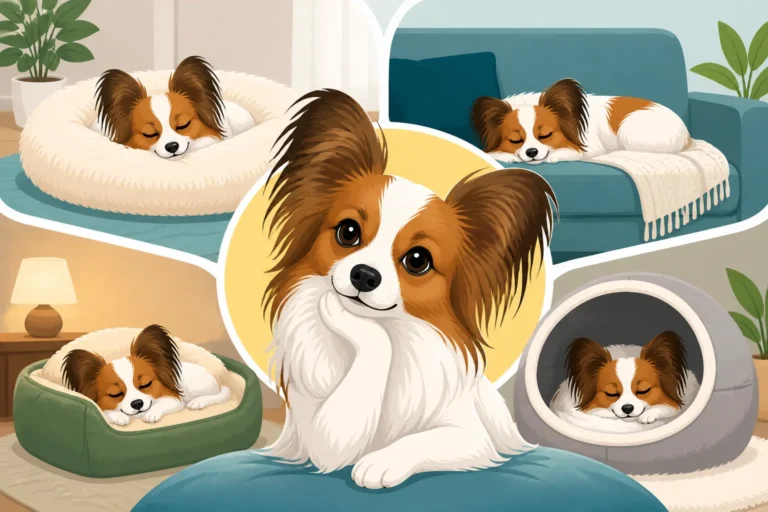
First and foremost, your Papillon needs a safe space. For many, this means a crate. A properly introduced and comfortable crate can be a den where your Papillon feels secure, not a prison. Ensure the crate is the right size – big enough to stand up, turn around, and lie down comfortably, but not so big that they can relieve themselves in one corner and sleep in another. Make it inviting with a soft bed, a familiar blanket that smells like you, and a favorite toy. Avoid leaving them in a drafty or isolated part of the house; a spot where they can still hear the ambient sounds of the household (if someone else is home) or a quiet corner of a main room can be ideal. Crating a Papillon Overnight delves into crate training in more detail.
Beyond the crate, consider the general environment. Puppy-proof or dog-proof any areas they will have access to. That means putting away anything they shouldn't chew, securing electrical cords, and removing potential hazards. Remember, a bored Papillon can be a surprisingly resourceful one. If you're using a playpen or a larger dog-proofed room, ensure there's no way for them to escape or get into trouble.
To combat boredom, which is often the root of destructive behavior, provide engaging toys. Puzzle feeders that dispense kibble or treats slowly can keep their minds occupied for a good chunk of time. Lick mats with frozen peanut butter (xylitol-free, of course!) or yogurt are fantastic for calming and stimulating. Durable chew toys are also essential. You can find a huge variety of these types of enrichment items on platforms like Amazon, making it easy to stock up on different options to keep things fresh. Rotating toys can also help maintain novelty and interest. What Mental Work a Papillon Needs is something many owners overlook when thinking about alone time.
Establishing a Routine and Pre-Departure Rituals
Dogs thrive on routine and predictability. If your Papillon knows what to expect, they are less likely to become anxious. Try to leave and return around the same times each day. Before you leave, make sure your Papillon has had plenty of exercise and a chance to relieve themselves thoroughly. A vigorous walk, a solid play session in the yard, or even a training session can tire them out physically and mentally, making them more likely to settle down and nap while you're gone.
Create a calm, consistent pre-departure ritual. This might involve giving them their special "alone time" chew toy, saying a brief, calm goodbye, and then leaving without a huge fuss. Avoid making your departure a big, emotional event, as this can heighten their anxiety. Similarly, when you return, don't over-excite them immediately. Greet them calmly, allow them to go outside for a potty break, and then engage in more enthusiastic greetings once they've settled. This teaches them that your comings and goings are normal and nothing to be overly dramatic about.
Consider white noise or soft music. Some Papillons find background noise comforting, masking external sounds that might trigger barking or anxiety. There are even specific dog-calming music playlists available online that some owners swear by.
Utilizing Technology for Peace of Mind
Modern technology offers some fantastic tools to help us feel more connected to our Papillons when we're not home. Pet cameras, many available affordably on Amazon, allow you to check in on your furry friend, observe their behavior, and even talk to them remotely. Some models even dispense treats, which can be a wonderful way to break up their solo time with a positive interaction. Seeing your Papillon peacefully napping or playing can do wonders for your own peace of mind.
If your Papillon is struggling with alone time, particularly separation anxiety, a good online training program can be invaluable. Resources like BAXTER & Bella offer comprehensive courses that often include modules on building confidence, managing separation anxiety, and teaching your dog to be comfortable alone. These programs can provide structured guidance and support, helping you implement effective strategies. Remember, professional guidance is often the fastest route to resolving persistent behavioral issues related to alone time.
Recognizing and Addressing Problems from Extended Alone Time
Sometimes, despite our best efforts, our Papillons struggle with being left alone. It's not always just a matter of "bad behavior" – often, these actions are a cry for help or a manifestation of underlying anxiety or boredom. Understanding the signs and addressing the root cause is key to helping your little friend.
Signs of Distress and Separation Anxiety
A Papillon exhibiting distress when left alone might display a range of behaviors. The most common signs include excessive barking or howling. This isn't just a "hello, someone's at the door" bark; it's often a continuous, anxious vocalization that can be incredibly disruptive to neighbors. How Much a Papillon Barks discusses these vocal tendencies. Destructive chewing is another major indicator. While puppies chew everything, an adult Papillon who suddenly destroys furniture, doorframes, or personal items only when you're gone is likely struggling with anxiety or extreme boredom. What a Bored Papillon Destroys details common targets.
Inappropriate urination or defecation, particularly if your Papillon is otherwise perfectly house-trained, can also be a sign of stress. If they are having accidents inside only when left alone, and you've ruled out medical causes, it's often a sign of anxiety. Other, more subtle signs can include pacing, panting excessively (when not hot), drooling, or attempts to escape from their crate or designated safe space. These attempts can sometimes lead to injury, making it vital to address the underlying issue promptly. Signs a Papillon Has Separation Anxiety goes into more depth on these symptoms.
It's important to distinguish between mild boredom and true separation anxiety. A bored Papillon might chew a toy, but they're not in a panic. A dog with separation anxiety, however, is genuinely distressed and experiences a panic attack-like response when left alone. This distinction is crucial because the approach to solving the problem will differ.
Long-Term Impacts on Health and Behavior
Consistently leaving a Papillon alone for too long, especially if they are exhibiting signs of distress, can have significant long-term consequences. Chronic stress can impact a dog's physical health, potentially weakening their immune system and contributing to gastrointestinal issues.
Behaviorally, it can lead to deeply ingrained habits that are harder to break. A Papillon constantly barking when left alone might become a habitual barker even when you are home. Destructive chewing can become a go-to stress reliever, damaging your home and potentially leading to dangerous ingestions. Lack of proper socialization and positive experiences with alone time can also make them overly clingy, prone to fear aggression, or generally less adaptable to new situations. They might develop a sense of insecurity, always worrying about when you might leave again.
Furthermore, a Papillon who isn't getting enough mental and physical stimulation during the day, due to extended alone time, may become restless, demanding, and difficult to manage when you are home. They might bounce off the walls, seek constant attention, or be prone to nipping and other attention-seeking behaviors because their needs aren't being met.
Beyond Home Alone: Alternative Solutions and Support
Sometimes, despite our best intentions and efforts, our Papillon's needs for companionship or supervision exceed what we can realistically provide. This is especially true for full-time workers, those with unpredictable schedules, or Papillons who develop severe separation anxiety. Recognizing when you need help and exploring alternative solutions is a sign of responsible pet ownership, not failure.
Utilizing Dog Walkers, Pet Sitters, or Doggy Daycare
If your workday consistently stretches beyond 4-6 hours, or if your Papillon is a puppy or senior needing more frequent breaks, a mid-day visit from a trusted dog walker or pet sitter can be a lifesaver. This break allows them to relieve themselves, get some exercise, and enjoy a bit of human companionship, breaking up the long hours of solitude. Many professional services are available, and a good walker will typically do a meet-and-greet beforehand to ensure they're a good fit for your Papillon.
For Papillons who are highly social and energetic, doggy daycare can be an excellent option. It provides supervised play, mental stimulation, and continuous interaction with other dogs and people, preventing boredom and loneliness. However, it's crucial to choose a facility carefully. Ensure they have separate areas for small dogs, attentive staff, and a clean, safe environment. A trial day or two can help you assess if your Papillon enjoys the experience and thrives in that setting. Not every dog is suited for daycare, and some Papillons, despite their bold personalities, might find large, boisterous groups overwhelming.
For owners who travel, a trusted pet sitter who comes to your home can maintain your Papillon's routine and reduce stress compared to boarding. They can provide overnight care, ensuring your dog is never truly alone for extended periods.
Seeking Professional Behavioral Help
If your Papillon's distress when left alone is severe – exhibiting extreme panic, self-harm attempts, or persistent destructive behavior – it might be time to consult a professional. This isn't a problem you have to solve alone. A certified professional dog trainer specializing in separation anxiety or a veterinary behaviorist can help diagnose the underlying issue and create a tailored behavior modification plan.
These experts can teach you techniques to gradually desensitize your Papillon to your departure cues, build their confidence, and create a positive association with alone time. They might recommend counter-conditioning exercises, where your dog learns that your departure predicts something good (like a high-value chew). In some cases, a veterinary behaviorist might even suggest medication to help manage extreme anxiety while behavioral training is underway. This isn't a quick fix, but a structured, expert-led approach can make a world of difference for a dog truly suffering from separation anxiety. Whether a Papillon Suits a Full Time Worker often comes down to these kinds of support systems.
Remember, a Papillon's well-being is our top priority. While it might sometimes feel like an inconvenience or a financial burden to arrange extra care, the peace of mind knowing your beloved companion is happy and safe is truly priceless.
Disclaimer
This article is for general informational purposes only and does not constitute professional advice. Laws, prices and regulations vary by location and change over time. Consult a qualified professional for guidance on your specific situation.