Why a Papillon Skips Meals and Why It Matters
Papillon eating habits and small stomachs explain why toy dogs skip meals and how owners can establish healthier feeding routines.
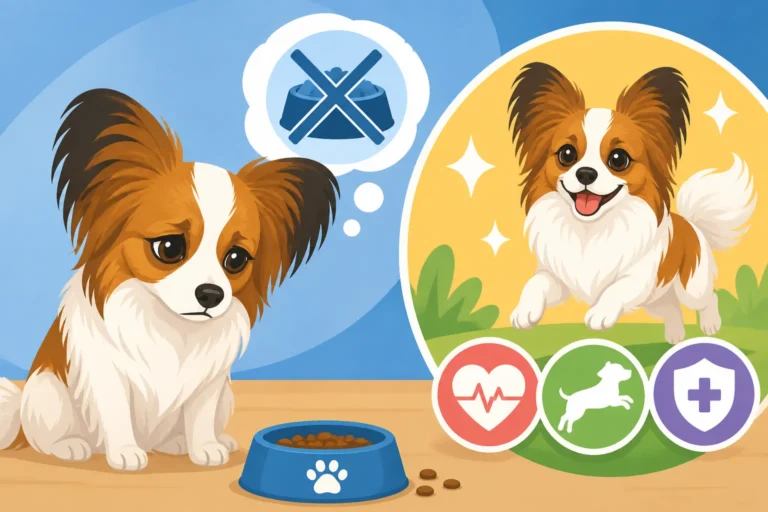
Papillon eating habits and small stomachs explain why toy dogs skip meals and how owners can establish healthier feeding routines.
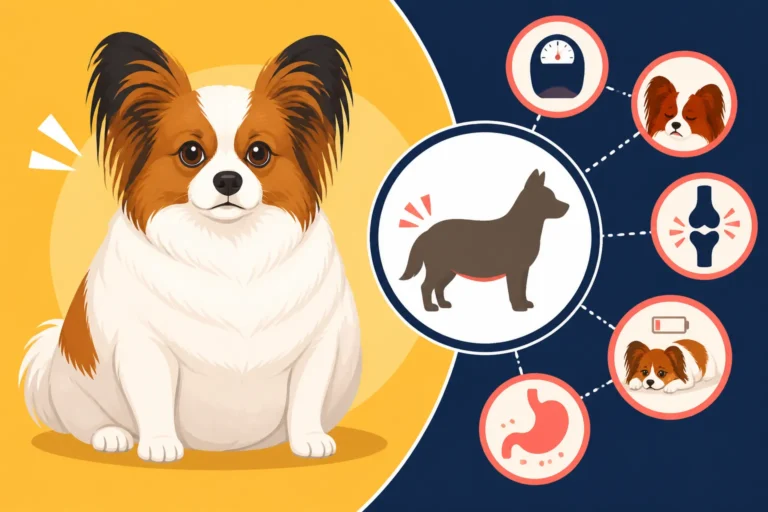
Papillon weight gain, hidden by thick coats and extra treats, requires physical rib checks and body condition assessments to keep small dogs healthy.
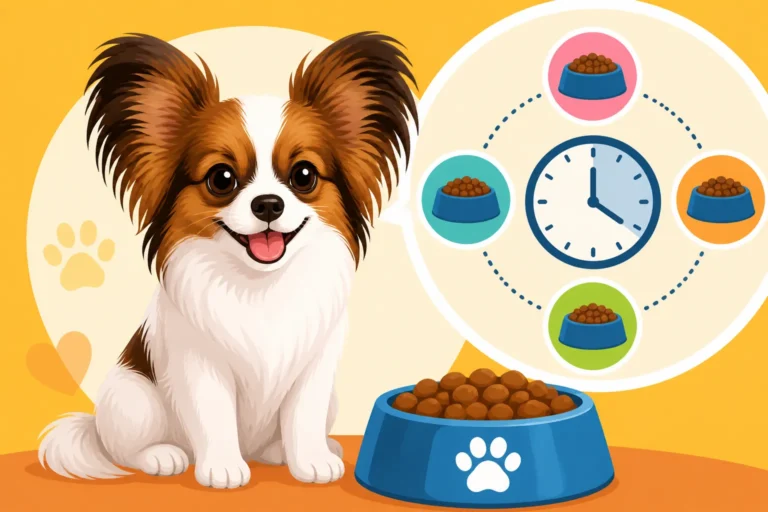
Papillon puppy feeding schedules and specific meal frequencies prevent dangerous low blood sugar during critical rapid growth stages.

An eight week old Papillon puppy weighs 1.5 to 3 pounds, standing just a few inches tall with soft bones and large fringed ears.
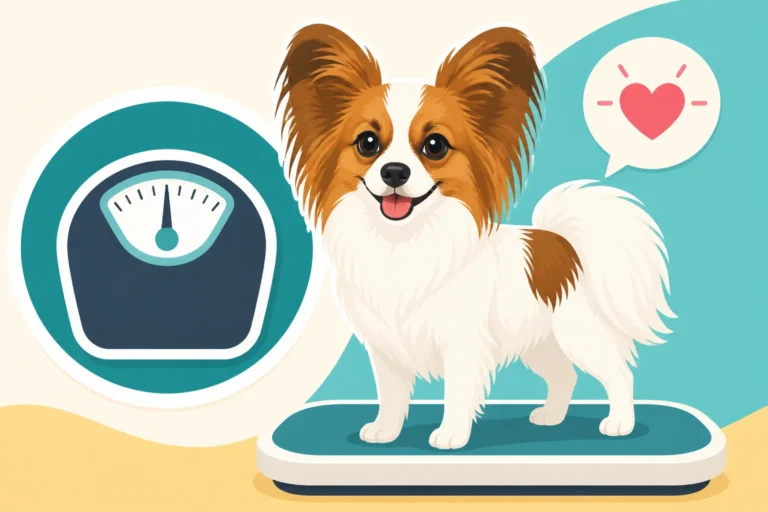
Mature Papillon dogs typically weigh five to ten pounds and stand eight to eleven inches tall, requiring body condition checks.

Adult Papillon portion sizes depend on weight, high metabolism, and daily activity levels rather than generic food labels.

Damp ear fringes and a long, silky single coat need thorough drying after a bath to prevent painful mats and lingering dampness; steps to do it right.

Papillon fringe washing frequency depends on lifestyle and dirt exposure for areas like ear fringes, chest frills, and tail plumes.
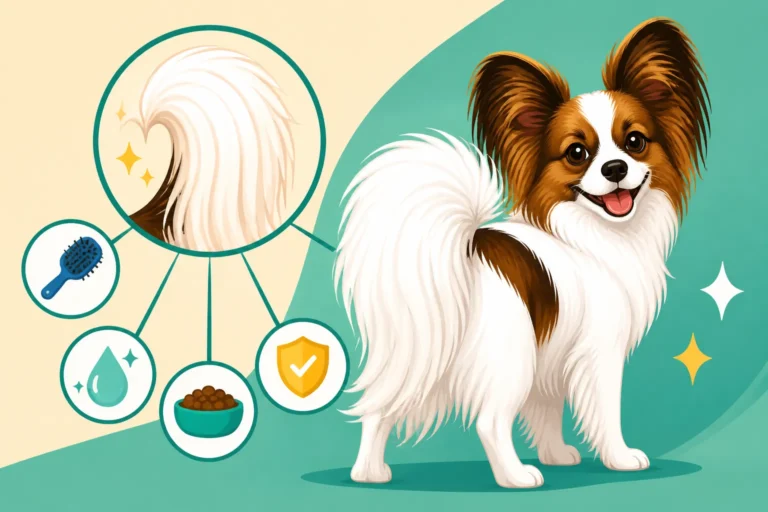
Papillon tail plume care prevents tangles in the single coat, keeping this feathered fan healthy and silky without painful knots.
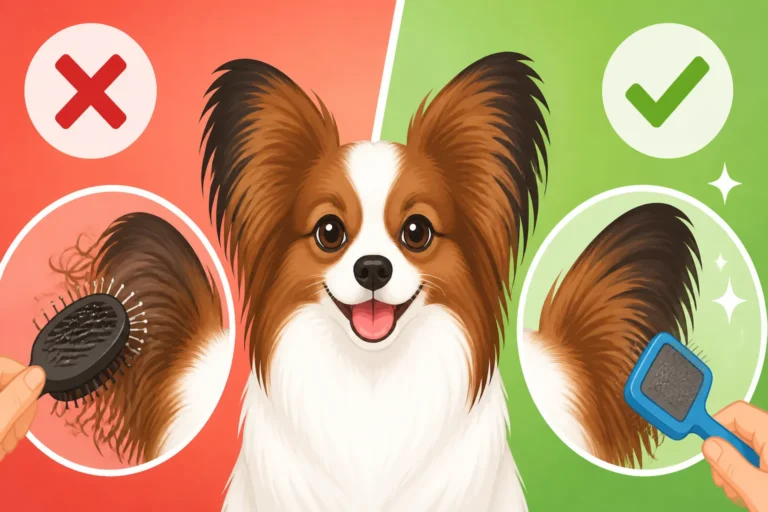
Papillon ear fringe needs a separate brushing strategy to prevent painful mats, dirt accumulation, and skin infections in fine hair.