Why an Overweight Papillon Strains Its Knees
It’s a heartbreaking reality that many Papillon owners face: watching their lively, butterfly-eared companion struggle with movement, sometimes skipping a step or holding up a little leg. While these tiny dogs are known for their boundless energy and agility, they are also prone to a specific orthopedic issue called patellar luxation. When you add the burden of extra weight to an already delicate joint structure, you're looking at a recipe for accelerated discomfort and potential long-term damage. This guide will walk you through exactly why carrying even a few extra ounces can be so detrimental to your Papillon's knees, how to recognize the signs, and what you can do to protect your cherished friend.
The Delicate Balance: Why Every Ounce Matters for Papillon Knees
Our Papillons are truly little dynamos, packed with personality and often built with a fine, elegant bone structure. This daintiness, which is part of their charm, also makes them particularly vulnerable to the effects of excess weight. Unlike larger breeds where a few extra pounds might distribute across a more substantial frame, in a Papillon, those "few extra" ounces can feel like a considerable load on their tiny joints. Imagine carrying an extra heavy backpack all day, every day – it would wear you down, right? The same principle applies to our small companions.
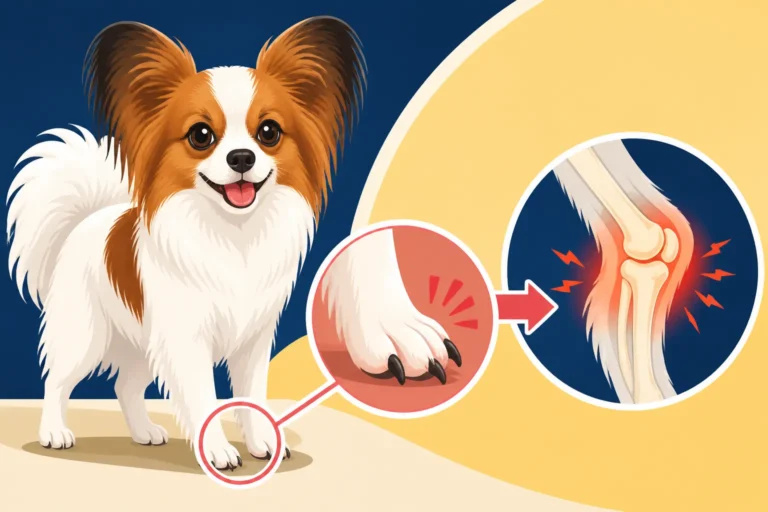
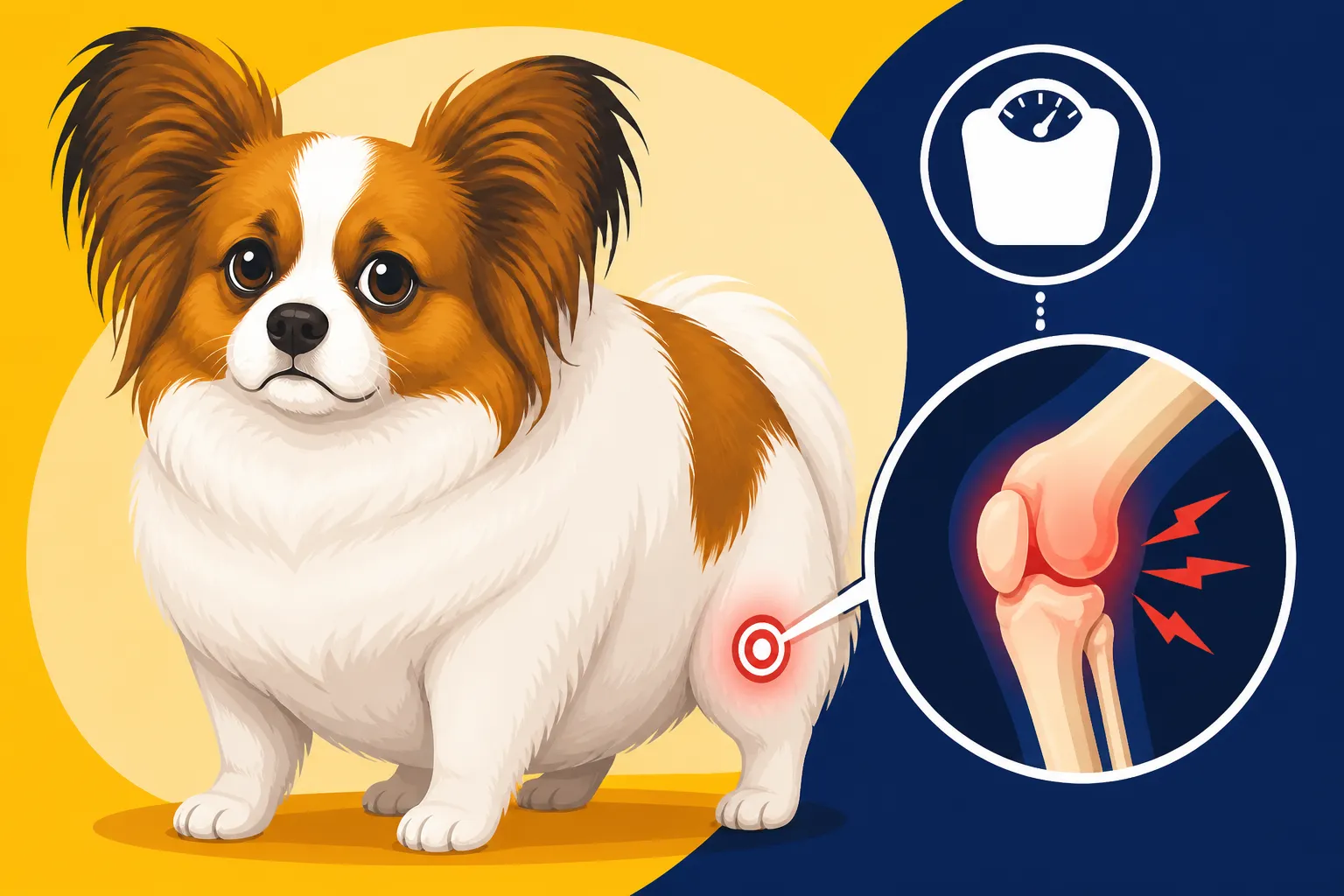
Their knees, specifically, are under constant strain. The patella, or kneecap, is a small bone that normally glides smoothly in a groove at the end of the femur (thigh bone). This smooth motion is crucial for proper leg function. When a Papillon carries too much weight, the increased pressure on these small joints can exacerbate existing tendencies for the kneecap to slip out of place, or even create new problems where none were evident before. It's not just about the weight itself, but the constant, repetitive stress it places on cartilage, ligaments, and bones that were never designed for such a load. This is especially true for a breed known for its leaps and bounds.
Furthermore, obesity in any dog can lead to a cascade of other health problems, from diabetes to heart disease. But for a Papillon, with their energetic nature and predisposition to joint issues, the impact on their mobility and quality of life can be immediate and profound. It can turn a dog that loves to race around the living room or tackle an agility course into one that hesitates, shows signs of pain, or simply stops engaging in the activities they once adored. This is why vigilance over their weight is one of the most loving things you can do for your butterfly dog.
Understanding Luxating Patella and Its Weighty Link
Patellar luxation, often simply called "slipped kneecap," is a condition where the kneecap dislocates from its normal position. In Papillons, it most commonly slips inward (medial luxation). This can happen occasionally, or become a chronic issue, ranging in severity from Grade 1 (minimal slippage) to Grade 4 (permanent dislocation). While genetics certainly play a significant role – it's something breeders actively try to screen for – external factors like body weight can dramatically influence how and when the condition manifests, and how severe its impact becomes. You can read more about Patellar Luxation Is the Papillon Problem You Will Actually Meet to understand the full scope of this issue.
When a Papillon carries excess weight, it puts tremendous force on the quadriceps muscles, which are connected to the patella. This increased tension pulls on the kneecap, making it far more likely to slip out of its groove. Think of it like a train trying to stay on its tracks: if you add too much weight, the wheels are more likely to jump off the rails, especially if the tracks are already a bit uneven. For a Papillon with an already shallow trochlear groove (the track for the kneecap), extra weight is like trying to navigate a rough, overloaded train on a wobbly track – it’s a disaster waiting to happen.
The continuous pressure and unnatural movement caused by a luxating patella, worsened by excess weight, also contribute to the breakdown of cartilage within the joint. This accelerates the development of arthritis, a painful degenerative joint disease. Even a Papillon that has had corrective surgery for luxating patella can experience complications or faster wear-and-tear if they are carrying too much weight. The surgery aims to stabilize the joint, but it can't counteract the persistent stress of an overweight body. Understanding What Patellar Luxation Does to a Papillon truly highlights the importance of proactive weight management.
Spotting the Signs: Is Your Papillon Carrying Too Much?
It's surprisingly easy for a Papillon to become overweight without you even realizing it. Their long, flowing coats can hide a few extra ounces, making it difficult to judge their true body condition just by looking. What might seem like a "cuddly" extra bit of fluff could actually be putting their health at risk. The first step in protecting their knees is honestly assessing their current weight and body shape.
A healthy Papillon should have a distinct waist visible when viewed from above, and their abdomen should tuck up slightly when viewed from the side. You should be able to easily feel their ribs when gently running your hands along their sides, much like feeling the back of your hand. You shouldn't see the ribs, but you should definitely be able to feel them without pressing hard. If you have to dig your fingers in to locate the ribs, or if your Papillon looks like a furry little sausage from above, they are likely overweight. A detailed guide like How to Feel a Papillon's Ribs can be incredibly helpful for this assessment.
Beyond visual and tactile checks, pay attention to their behavior. Is your Papillon less eager to play or jump? Do they tire more easily during walks? Do they move with a stiffness, especially after resting? You might even notice a subtle change in their gait, like a slight hesitation or an altered way of sitting or lying down. Sometimes, the only Signs a Papillon Is Overweight might be these subtle shifts in activity rather than obvious fat rolls. Since Papillons are often stoic, they can hide pain well, making these behavioral cues even more critical to observe.
| Body Condition Score | Description | Ribs/Spine/Waist | Energy Level/Movement | Risk for Knee Strain |
|---|---|---|---|---|
| Too Thin (1-2) | Ribs, spine, hip bones easily visible/palpable. | Prominent, no fat cover. Distinct abdominal tuck. | Low, lacking muscle. | Other health risks. |
| Ideal (3) | Ribs easily palpable with minimal fat cover. | Visible waist, moderate abdominal tuck. | Energetic, agile. | Low (for weight). |
| Overweight (4) | Ribs palpable with some effort, moderate fat cover. | Waist discernible but not prominent. Less tuck. | Slightly reduced. | Moderate. |
| Obese (5) | Ribs difficult to feel under thick fat cover. | No waist, abdominal distention. | Significantly reduced. | High. |
This table is a general guide. Always consult your vet for a precise body condition score for your individual Papillon.
Helping Your Papillon Shed the Pounds Safely
Once you've determined your Papillon needs to lose weight, the journey begins! It's important to approach this gently and consistently, keeping in mind their small size and delicate system. Sudden, drastic changes can be detrimental, so work closely with your veterinarian to establish a safe and effective weight loss plan.
1. Portion Control and Diet Adjustment: This is often the biggest factor. Many owners unknowingly overfeed their Papillons, or offer too many high-calorie treats. Start by accurately measuring their food portions. Don’t just eyeball it. Even a small increase in kibble can mean significant calories for a tiny dog. Your vet can help you calculate the ideal daily caloric intake for your Papillon's target weight. You might also consider a weight-management specific food, which is lower in calories but still provides essential nutrients. Brands like Chewy often offer a good selection of specialized diets, and services like Ollie can provide portion-controlled, fresh food options tailored to your dog's specific needs. Remember, a Papillon doesn't need much food, so refer to guides like How Many Cups a Day an Adult Papillon Eats to avoid overfeeding.
2. Smart Snacking: Treats are a way we show love, but they are often calorie bombs. Swap out high-fat biscuits for healthier alternatives. Small pieces of plain, cooked chicken, carrots, green beans, or even a tiny bit of apple (no seeds!) can be fantastic, low-calorie rewards. Break even small training treats into tinier pieces – a Papillon often works just as hard for a crumb as for a whole piece. Be mindful of any table scraps, which should generally be avoided, as they can quickly add up to excess calories and may not be safe for your dog.
3. Increasing Activity Gradually: While diet is primary, increasing gentle exercise is also key. Don't suddenly take your overweight Papillon on a marathon hike. Instead, gradually extend their walks, or add an extra short play session during the day. Think about activities that are low-impact on their joints initially, like walking on soft grass instead of hard pavement. Interactive toys from places like Amazon can encourage movement and mental stimulation indoors, helping them burn calories even when outdoor conditions aren't ideal. As they lose weight and their stamina improves, you can slowly increase the intensity and duration of their activity. Consider playful sessions of fetch in the yard, or teaching new tricks that involve movement without high-impact jumping.
4. Consistency and Patience: Weight loss takes time. Don't get discouraged if you don't see immediate results. Weekly weigh-ins (at home or at your vet's office) can help you track progress and make adjustments to their plan as needed. It's a marathon, not a sprint, especially for a small dog where losing a single pound is a significant achievement. Keep a log of their food intake and exercise to stay accountable. Remember, the goal is not just a number on the scale, but a healthier, more comfortable life for your Papillon, reducing the strain on their precious knees and allowing them to enjoy their golden years with greater mobility.
5. Consider Joint Support: While not a weight loss solution, once your Papillon is on the path to a healthier weight, discussing joint supplements with your vet might be beneficial, especially if they already show signs of knee issues. Supplements containing glucosamine and chondroitin can support joint health and potentially ease discomfort. Always consult your veterinarian before adding any supplements to your dog's regimen. Addressing Getting Weight Off a Papillon in conjunction with medical advice is the best approach.
By being mindful of their weight, you're not just preventing a cosmetic issue; you're actively safeguarding your Papillon's joint health, increasing their comfort, and enhancing their overall quality of life.
Disclaimer
This article is for general informational purposes only and does not constitute professional advice. Laws, prices and regulations vary by location and change over time. Consult a qualified professional for guidance on your specific situation.