Feeding a Papillon With Few Teeth
It's heartbreaking to watch your beloved Papillon struggle with something as fundamental as eating. Many of us find ourselves in this exact situation as our delicate little butterflies age, or even earlier if dental problems strike. When those tiny jaws have only a few teeth left, mealtime can become a source of pain and frustration, leaving you worried about their nutrition and overall well-being. This guide is here to walk you through understanding why this happens, how to adjust their diet, and practical strategies to ensure your precious companion can eat comfortably and stay healthy.
Understanding Why Papillons Lose Teeth and the Impact on Eating
Papillons are delightful, elegant dogs, but their small mouths are unfortunately prone to significant dental issues. It’s a common heartache for many owners, and seeing your vibrant dog suddenly hesitant at the food bowl can be incredibly distressing.
The Unfortunate Reality of Papillon Dental Health
Our little Papillons are renowned for their delicate, fine-boned structure, and this extends right into their mouths. Their jaws are simply not designed for the number and size of teeth typically found in a dog. This crowding creates an environment ripe for dental disease. Food particles get trapped easily, plaque builds up rapidly, and without diligent care, it quickly escalates to tartar, gum inflammation (gingivitis), and eventually, periodontal disease. This insidious process silently erodes the bone and tissues supporting the teeth, leading to loosening and ultimately, tooth loss.
It's not a reflection of poor care on your part, necessarily. Many Papillon owners, myself included, brush diligently and still face this battle. It's a breed-specific challenge that comes with those charming tiny mouths. We've talked extensively about this before in The Teeth in a Papillon's Small Jaw and Why a Papillon's Jaw Crowds Its Teeth. When multiple teeth are lost, especially molars or premolars critical for grinding, the act of chewing dry kibble becomes not just uncomfortable, but often impossible. The dog might try to swallow pieces whole, which can lead to choking or digestive upset, or they might simply give up trying to eat altogether.
Recognizing the Signs Your Papillon is Struggling to Eat
Sometimes, the signs are subtle, especially with a dog as stoic as a Papillon. They might not yelp in pain, but instead show their discomfort in more understated ways. Are they approaching their food bowl with less enthusiasm? Perhaps they're taking much longer to eat, or walking away from food they used to gobble down. You might notice them dropping food, or tilting their head at an odd angle while attempting to chew, trying to find a "sweet spot" on their gums. How Common Dental Disease Is in Papillons highlights just how prevalent these issues are, so being vigilant is key.
Other red flags include bad breath (a strong indicator of infection), pawing at their mouth, excessive drooling, or a reluctance to let you touch their face. If they start to lose weight, that's a serious alarm bell that they aren't getting enough nutrition. Their usually bright eyes might seem a little duller, or their energy levels might dip. These aren't just minor inconveniences; they are signals that your Papillon is in pain and needs your intervention. Ignoring these can lead to further health complications, as chronic pain and malnutrition take their toll on their small bodies.
The Domino Effect of Poor Dental Health
The impact of significant tooth loss and dental disease goes far beyond just chewing. Oral bacteria from infected gums can enter the bloodstream and travel to vital organs, potentially affecting the heart, kidneys, and liver. This is a serious concern, especially as Papillons are known for their longevity, and we want those golden years to be healthy ones.
Furthermore, chronic pain from dental issues can lead to behavioral changes. A dog in constant discomfort might become withdrawn, irritable, or even snap when approached, particularly around their head. They might stop playing or interacting as much, simply because they don't feel well. It's a cruel cycle: they stop eating well because of pain, which leads to malnutrition, which further weakens their immune system and overall health. Addressing their ability to eat comfortably is paramount to breaking this cycle and ensuring their quality of life remains high. The long-term implications are why preventative dental care, as discussed in Dental Work Over a Papillon's Long Life, is so crucial, even if some tooth loss is inevitable.
Adjusting Diet and Food Consistency for Tooth Loss
Once you've identified that your Papillon is struggling with their current diet due to tooth loss, the next step is to adapt their food to make it easier and more comfortable to eat. This often means moving away from hard kibble.
Transitioning from Kibble: Softer Options
For many Papillons, dry kibble is the standard. It's convenient, and for dogs with healthy teeth, it provides a good scrub. But for a dog with few teeth, it becomes a painful challenge. The sharp, hard pieces can irritate sensitive gums, and the effort required to crush them is simply too much.
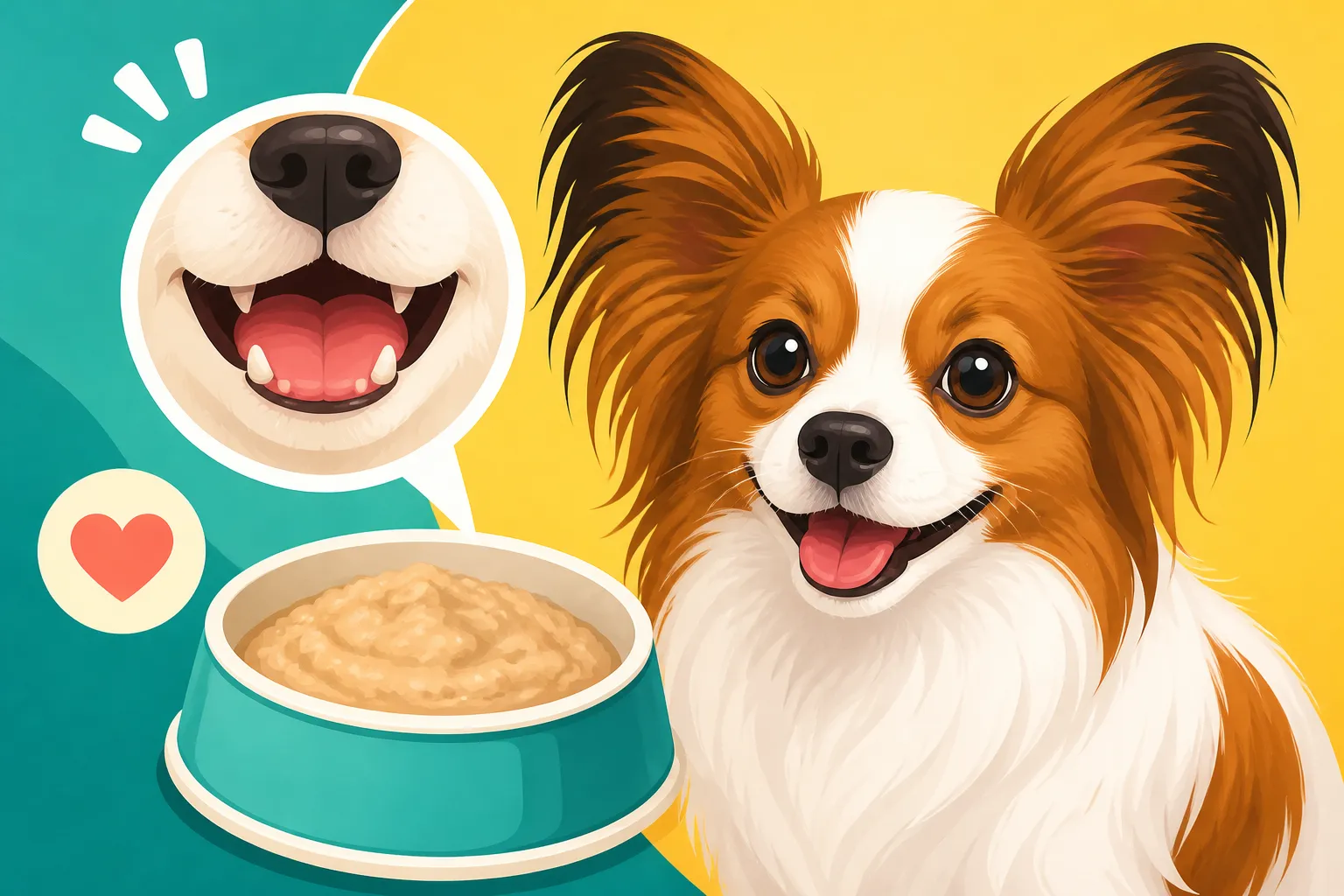
The easiest first step is to soften their existing kibble. You can do this by adding warm water, low-sodium broth, or even a little goat's milk (if they tolerate dairy) and letting it sit for 10-15 minutes until it's mushy. Make sure it's not boiling hot! This turns the hard bits into a softer, easier-to-manage consistency without drastically changing the flavor they're used to. Another option is to gently blend the softened kibble with some liquid to create a slurry. This can be especially helpful for Papillons who are missing many teeth or have very sensitive gums. It's less about "chewing" and more about "lapping," which puts less strain on their mouth. Brands like Chewy often carry a wide variety of specific soft kibbles or toppers designed to be mixed in, which can make this transition smoother.
Exploring Wet, Fresh, and Gently Cooked Diets
When softening kibble isn't enough, or if you're looking for a more permanent and palatable solution, completely switching to a softer diet is often the best route.
- Canned Wet Food: This is probably the most common choice. High-quality canned dog food is typically soft, easy to lap up, and packed with moisture. Look for pâté-style varieties or those with very finely shredded meat, as chunky stews might still pose a challenge for dogs with limited teeth. Make sure to choose a reputable brand with complete and balanced nutrition for your dog's life stage.
- Fresh or Gently Cooked Diets: These options have gained immense popularity for a reason – they are highly palatable and naturally soft. Services like Ollie deliver freshly prepared meals right to your door, tailored to your dog's needs. These meals are typically made with human-grade ingredients, gently cooked, and have a texture similar to ground meat or a soft stew, making them ideal for dogs with dental issues. They are also often very appetizing, which can encourage reluctant eaters. You can also explore preparing your own gently cooked meals at home using veterinarian-approved recipes, focusing on lean proteins like chicken or turkey, cooked vegetables, and a grain like rice or sweet potato, ensuring all components are soft and easily mashed.
- Raw Diets: Some owners opt for raw diets, which can be very soft, especially ground raw food. However, this path requires careful research and consultation with a veterinary nutritionist to ensure it's balanced and safely prepared, particularly for older or immunocompromised dogs. It's vital to handle raw food safely to prevent bacterial contamination.
When changing diets, always do it gradually over several days to avoid upsetting your Papillon's sensitive stomach. Start by mixing a small amount of the new food with their old food, slowly increasing the proportion. Remember, Whether an Old Papillon Needs Softer Food is a question many owners face, and the answer is almost always yes when dental issues arise.
Supplements and Nutrient Considerations
With any diet change, especially for an older dog or one with health challenges, it's wise to consider their overall nutritional intake. If your Papillon is struggling to eat enough, they might not be getting all the vitamins and minerals they need.
- Omega-3 Fatty Acids: These can support overall health, including joint health (crucial for Papillons prone to issues like patellar luxation) and skin/coat condition. They can often be found in fish oil supplements, which can be drizzled over soft food.
- Probiotics: If the diet change causes any digestive upset, a probiotic supplement can help rebalance their gut flora.
- Joint Supplements: Many older Papillons benefit from glucosamine and chondroitin for joint support. These often come in chewable forms, but you can find powders or liquids to mix into soft food.
- Multivitamins: If your Papillon is eating significantly less, a veterinarian-approved multivitamin might be a good short-term solution to ensure they aren't missing essential nutrients. Always consult your vet before adding any supplements to your dog's diet to ensure they are appropriate and correctly dosed for your Papillon's specific needs.
Practical Feeding Strategies for Papillons with Missing Teeth
Beyond what you feed them, how you feed your Papillon when they have few teeth can make a world of difference. Creating a comfortable and positive mealtime environment is just as important as the food itself.
Setting Up the Perfect Dining Experience
Think about your Papillon's comfort. If their mouth is sensitive, bending down low to eat from a bowl on the floor might put pressure on their jaws or neck.
- Elevated Bowls: Consider using an elevated food bowl. This can make eating much more comfortable, reducing strain on their neck and back, especially if they have arthritis or other age-related discomforts. Look for small, stable elevated feeders designed for toy breeds; Amazon offers a wide selection.
- Shallow Dishes: Wide, shallow dishes or even saucers can make it easier for them to lap up soft food without their delicate ear fringes dragging through it. This also helps prevent food getting stuck on their face, which can be uncomfortable and messy.
- Quiet Location: Choose a quiet, low-traffic area for feeding. This allows your Papillon to eat without feeling rushed or anxious, which can exacerbate any discomfort. Some dogs prefer to eat when a family member is nearby, offering a sense of security.
Encouraging Reluctant Eaters and Monitoring Intake
It's easy to get frustrated when your dog isn't eating, but remember they are likely in pain or discomfort. Patience and a little creativity go a long way.
- Warm it Up: Gently warming wet food (make sure it's not hot, just lukewarm) can enhance its aroma and make it more appealing. The smell of food is a big motivator for dogs.
- Add "Yummy" Toppers: A sprinkle of nutritional yeast, a tiny bit of cooked scrambled egg, or a spoonful of plain pumpkin puree can make soft food more enticing. Just be mindful of calories, especially if they are already prone to weight gain.
- Hand Feeding: Sometimes, a Papillon just needs that extra bit of reassurance and comfort. Offering small amounts of food by hand, especially if they are very reluctant, can help them feel safe and encourage them to eat.
- Monitor Portions and Weight: It's crucial to track how much your Papillon is actually consuming. If you're switching to wet food, remember it's often less calorie-dense than kibble, so they might need a larger quantity to maintain their weight. Weigh your Papillon regularly (weekly is good, especially during a transition) to ensure they are maintaining a healthy weight. Weight loss is a red flag that they aren't getting enough nutrition. Conversely, you don't want them to become overweight, as even a few extra ounces can strain their little joints. Why an Overweight Papillon Strains Its Knees explains this well.
Here's a quick comparison of food textures and their suitability:
| Food Type | Consistency | Pros | Cons |
|---|---|---|---|
| Dry Kibble | Hard | Dental benefits (if chewing), cost-effective | Very difficult/painful for toothless dogs, choking risk |
| Soaked Kibble | Soft-mushy | Retains familiar taste, easy transition | Can become messy, less appealing if left too long |
| Canned Wet Food | Very Soft | Highly palatable, high moisture content | Can be more expensive, less dental cleaning benefit |
| Fresh/Gently Cooked | Very Soft | Highly palatable, human-grade ingredients | Often more expensive, requires careful sourcing/prep |
| Blended/Pureed Food | Liquid-paste | Easiest to consume for severe cases | Less engaging, may require syringe feeding in extreme cases |
Making Mealtime a Positive Experience
Mealtime shouldn't be a chore for your Papillon or for you. It should be a moment of comfort and connection. By eliminating pain and stress, you'll find your dog looks forward to eating again. This might mean sitting with them while they eat, offering gentle praise, or simply ensuring their environment is calm and undisturbed.
If they are very nervous or sensitive, a comfortable dog bed or blanket near their eating area can make them feel more secure. For older Papillons, integrating their eating into their daily routine in a predictable way helps them feel stable and safe. Remember, a happy eater is a healthy eater, and putting in the effort now will pay dividends in their overall happiness and longevity, especially as they enter their golden years, as highlighted in Caring for an Aging Papillon.
Ongoing Care and Prevention for Dental Health
Even after your Papillon has lost teeth, the battle for good oral hygiene isn't over. The remaining teeth and gums still need attention, and proactive care can prevent further issues down the line.
The Lifelong Battle Against Dental Disease (Even with Few Teeth)
It's a common misconception that once teeth are gone, dental care becomes irrelevant. This couldn't be further from the truth. The gums, which are now exposed, can still become inflamed or infected. Plaque and tartar can still build up on any remaining teeth, and the underlying bone structure can continue to deteriorate if not managed. While the focus shifts from preventing tooth decay to maintaining gum health and protecting any existing teeth, vigilance remains essential.
Think of it as managing a chronic condition. Your Papillon's small jaw size predisposes them to these issues, and even with fewer teeth, bacteria will try to take hold. Without intervention, even just a few remaining teeth can become sources of infection and pain. This is why discussions around How Early Tartar Appears on a Papillon are so important, because early intervention can slow down this process considerably throughout their life.
Regular Vet Check-ups and Professional Cleanings
Regular veterinary check-ups are non-negotiable for Papillons, especially as they age or if they have a history of dental problems. Your vet can perform oral examinations, checking for signs of gum disease, abscesses, or other issues. They can also recommend appropriate pain management if your dog is experiencing chronic oral discomfort.
Professional dental cleanings under anesthesia are still crucial for many Papillons, even those with few teeth. This allows the vet to thoroughly clean any remaining teeth, scale away tartar below the gumline, and address any infected pockets. They can also perform dental X-rays to check the health of the tooth roots and jawbone, which might not be visible during a routine exam. The thought of anesthesia for a small dog can be daunting, but the benefits of pain relief and infection prevention often outweigh the risks. We've discussed What a Papillon's Dental Costs and How Often a Papillon Needs Dental Work extensively, as these are significant considerations for any Papillon owner. Your vet can help you create a dental care plan that balances risk and reward for your individual dog.
Home Dental Care, Even When Teeth Are Sparse
Don't give up on home dental care just because your Papillon has lost some teeth! The routine itself is important for preventing further issues and maintaining overall oral hygiene.
- Gum Massages and Wiping: Even if there are no teeth, gently massaging your Papillon's gums with a finger wrapped in gauze or a soft dental wipe can help stimulate blood flow, remove minor debris, and get them accustomed to oral handling. There are specific wipes available on platforms like Chewy or Amazon that are designed for canine oral hygiene.
- Brushing Remaining Teeth: If your Papillon still has some teeth, continue brushing them daily with a dog-specific toothbrush and enzymatic toothpaste. Focus on the gumline, where plaque tends to accumulate. This routine, as covered in Brushing a Papillon's Teeth in a Very Small Mouth, is vital for extending the life of those remaining pearly whites.
- Dental Chews and Water Additives (Use with Caution): While traditional dental chews designed to scrape plaque are often unsuitable for dogs with few teeth, some softer, digestible chews might be okay, but always consult your vet first to avoid choking hazards or gum irritation. Dental water additives can be a helpful passive measure, working to reduce bacteria in the mouth and freshen breath, even if they don't replace brushing.
Consistency is key. Even a few minutes a day of oral care, adapted to your Papillon's needs, can make a significant difference in their comfort and overall health. It's an ongoing commitment, but one that ensures your beloved companion can enjoy their meals and their long, happy life with you.
Disclaimer
This article is for general informational purposes only and does not constitute professional advice. Laws, prices and regulations vary by location and change over time. Consult a qualified professional for guidance on your specific situation.