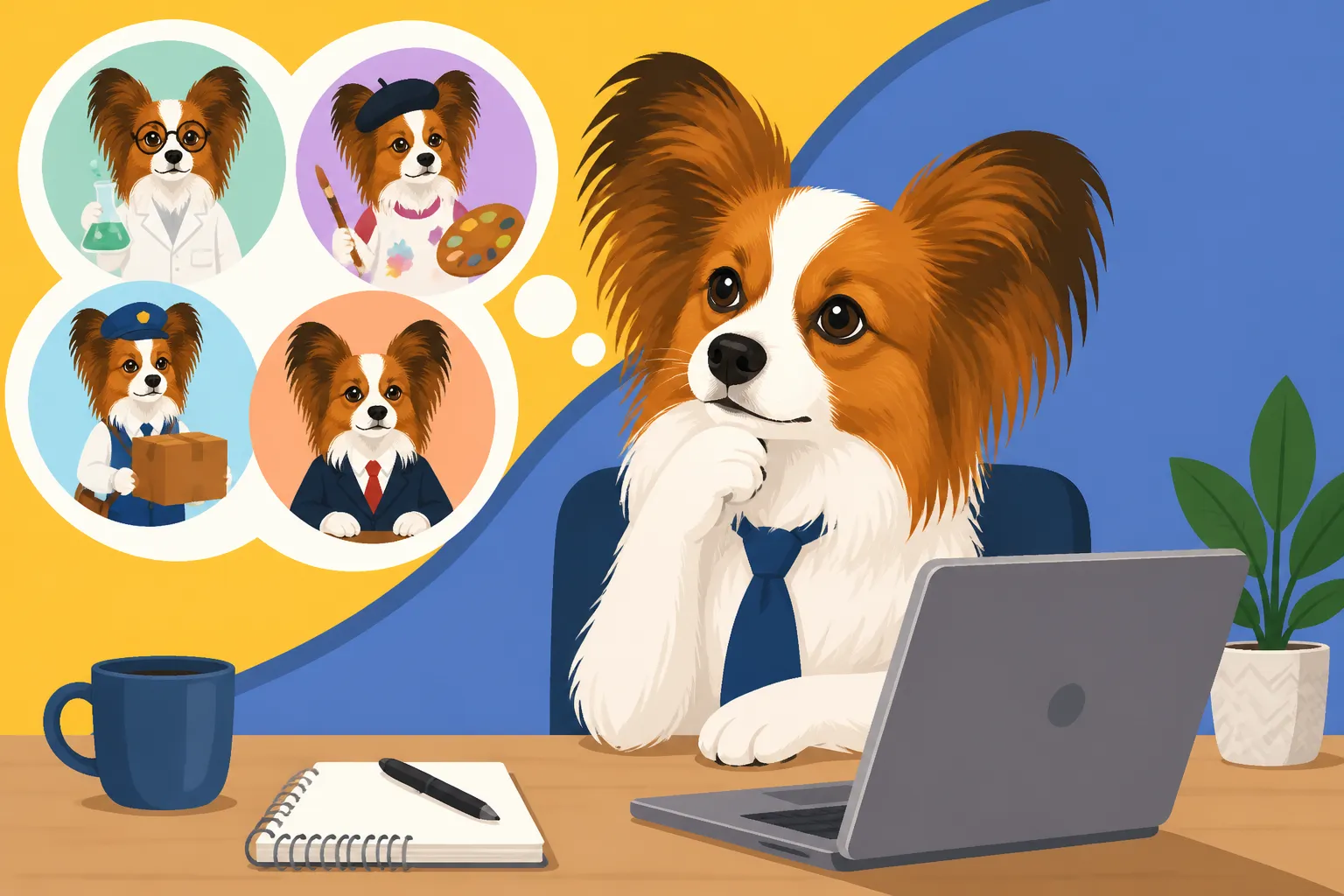
Whether the Papillon Ever Worked at Anything
It's a common misconception that tiny, elegant breeds like the Papillon were bred solely for lounging on velvet cushions, doing little more than looking beautiful. While they certainly excel at being gorgeous companions, dismissing them as mere adornments misses the rich history and surprising capabilities of these little dogs. This guide will explore the various "jobs" the Papillon and its ancestors have held throughout history and the remarkable ways they continue to contribute and thrive in modern life, far beyond the confines of a lap.
The Historical Roles of the Papillon and its Ancestors
To truly understand if the Papillon "worked," we need to step back into history, specifically to the European courts and noble houses where their ancestors, the Dwarf Spaniels, first found their place. These weren't dogs digging ditches or herding sheep, but their roles, while perhaps not physically strenuous, were undeniably important within the societal context of their time. They served purposes ranging from the deeply practical to the purely symbolic, reflecting the needs and desires of their human companions. After all, what is "work" but fulfilling a necessary role?
Lap Warmers and Pest Control
Imagine a grand, drafty castle or a less-than-toasty manor house in the winter months. Central heating was, of course, centuries away! Small dogs, with their compact bodies and often dense coats, provided a genuine source of warmth. These early Papillon ancestors, sometimes called "sleeve dogs" because they were small enough to be carried in the wide sleeves of ladies' gowns, would nestle into laps or beds, acting as living hot water bottles. This was a valuable service, especially for women who might have suffered from poor circulation or simply sought comfort from the chill.
Beyond warmth, there's a strong historical theory that these little dogs also served a more unusual, if slightly unglamorous, purpose: attracting fleas. In an era before modern hygiene and pest control, fleas were an unfortunate fact of life. It was believed that a small, warm-blooded dog could act as a "flea magnet," drawing the pesky insects away from their human owners. While it sounds rather crude to us now, it was a practical solution for the time. People might have seen this as a valuable, albeit unhygienic, service. You certainly wouldn't find flea and tick treatments like those available on Chewy back then!
Artistic Muses and Royal Companions
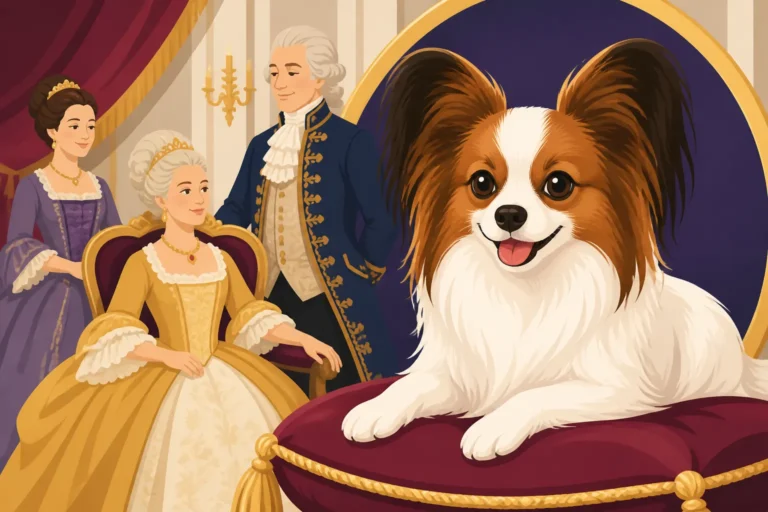
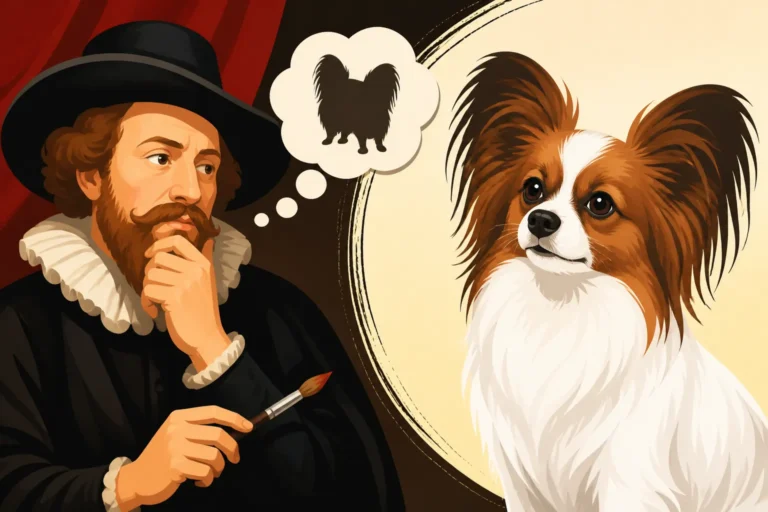
As society progressed, the role of these small spaniels evolved. They became highly prized status symbols, indicators of wealth, refinement, and noble taste. Having a beautiful, well-groomed little dog implied that you had the leisure and resources to care for such a creature, freeing it from any "menial" tasks. The Papillon's ancestors were frequent subjects in the portraits of European royalty and aristocracy for centuries. The Papillon Has Seven Hundred Years of Portraits Behind It, depicting them nestled in laps or sitting attentively beside their regal owners.
Perhaps the most famous association is with Marie Antoinette, who is rumored to have carried her beloved Papillon to the guillotine. Marie Antoinette and the Papillon She Is Said to Have Carried – while possibly apocryphal, it speaks volumes about the deep bond and significance these dogs held. They weren't just pets; they were constant companions, confidantes, and symbols of their owners' station in life. Their very presence was a statement, a silent advertisement of their owner's prestige and affection. This type of "work" was about enhancing their owner's social standing and providing unwavering emotional support, a role that truly transcends any definition of labor.
Modern "Work" for the Papillon
Fast forward to today, and the Papillon is no longer just a lap ornament (though they are still excellent at it!). Modern Papillons are celebrated for their sharp intellect, boundless energy, and surprising athleticism. They truly are "big dogs in a small package," eager to learn and participate in a wide array of activities that showcase their true capabilities. The idea that a Papillon never worked is quickly dispelled once you see them in action.
Agility Ring Superstars
If you've ever seen a Papillon on an agility course, you know they are anything but fragile. These tiny dynamos fly over jumps, weave through poles, and navigate tunnels with incredible speed and precision. They are often contenders, and frequently winners, in their height divisions. Starting a Papillon in Agility is a fantastic way to channel their intelligence and energy. Their keen minds allow them to understand complex sequences quickly, and their agile bodies make them incredibly adept at maneuvering through obstacles.
Agility is not just a hobby; for many Papillons and their handlers, it's a dedicated pursuit that requires significant training and commitment. Dogs "work" with their handlers to learn courses, respond to cues, and perform under pressure. This demanding sport demonstrates the Papillon's exceptional physical coordination and mental acuity. It's a testament to their desire to please and their innate drive to excel, far removed from their historical role as a fashion accessory. Many owners find their Papillons thrive on the mental and physical challenge, sourcing specialized training treats and toys often found on platforms like Chewy to keep their little athletes motivated.
Therapy and Emotional Support
Beyond the competitive arena, Papillons' gentle nature and affectionate disposition make them ideal candidates for therapy work. Their convenient size means they can easily visit hospitals, nursing homes, and schools, bringing joy and comfort to those in need. A Papillon's soft fur and eager-to-please attitude can brighten the day of an elderly patient, calm a stressed student, or bring a smile to someone recovering from illness.
This role requires a stable temperament, good manners, and the ability to remain calm and focused in various environments. It's a form of "work" that requires immense emotional intelligence and a willingness to connect with strangers. A Papillon might not be a service dog guiding the blind, but Whether a Papillon Makes a Therapy Dog is a resounding yes, highlighting their invaluable contribution to human well-being. Their presence provides a tangible benefit, offering silent companionship and reducing anxiety, which is a powerful form of service.
Obedience and Tricks
The Papillon consistently ranks high in canine intelligence surveys, often cited as one of the smartest toy breeds. The Papillon Is the Smartest Toy Breed There Is, meaning they absorb new commands with surprising speed. This makes them absolute stars in obedience trials and trick training. They excel at learning complex routines, often mastering new cues in just a few repetitions. How Fast a Papillon Learns a New Cue is truly impressive, often leaving owners amazed at their dog's capacity for understanding.
From basic obedience commands like 'sit' and 'stay' to elaborate tricks such as "play dead," "bow," or "fetch a specific toy by name," Papillons revel in the mental stimulation and the positive interaction with their owners. This engagement is a form of work for them, requiring focus, problem-solving, and memory. They thrive on having a "job" to do, even if that job is simply to entertain and impress. Whether you're teaching them a simple 'shake a paw' or working towards advanced obedience titles, having a variety of engaging toys and high-value treats from suppliers like Chewy can make the training process even more rewarding for both of you.
The True "Job" of a Papillon Today
While historical roles and modern competitive activities showcase the Papillon's diverse capabilities, their most enduring and cherished "work" remains constant: that of a beloved family member. This role, though often overlooked in definitions of labor, is arguably the most vital. They aren't just pets; they are integral parts of our lives, offering unwavering loyalty, companionship, and joy.
The Unwavering Companion
In our busy modern lives, the presence of a devoted companion like a Papillon can be incredibly grounding. They are sensitive, intuitive dogs who are deeply attuned to their owners' moods and routines. They often follow their people from room to room, eager to be involved in whatever is happening. This constant presence, this quiet companionship, is their most profound contribution. It’s the unconditional love and support they offer, day in and day out, that truly defines their "work" in our homes.
What a Papillon Does All Day often involves a healthy mix of play, naps, and keeping a watchful eye on their human. They are perfectly content to curl up on the sofa while you read, but equally thrilled to embark on an adventure. They fill our lives with laughter, comfort, and a sense of connection that is unparalleled. This emotional labor, this role of being an unwavering friend, is something no other creature can quite replicate.
Beyond Traditional Definitions of "Work"
It's easy to dismiss small dogs as incapable of "working" because their contributions don't fit into conventional human definitions of labor like herding, guarding, or hunting. But for the Papillon, their "work" is intrinsically tied to their intelligence, their charming personality, and their ability to forge deep bonds with their human families. They are active participants in our lives, not passive observers.
Consider the mental agility required for complex tricks, the physical demands of an agility course, or the emotional stability needed for therapy visits. These are all forms of "work" that highlight the Papillon's remarkable adaptability and intelligence. They prove that small size doesn't equate to a lack of purpose or capability. In essence, the Papillon's "work" has always been to enrich human lives, whether through practical comforts in medieval courts or through joyful companionship and impressive feats in today's world.
Here's a quick comparison of Papillon "work" through the ages:
| Era | Historical "Work" Examples | Modern "Work" Examples | Key Traits Utilized |
|---|---|---|---|
| Past | Lap warmer, flea attractor, status symbol | Agility, therapy, obedience, tricks | Affection, small size, beauty |
| Present | Loving companion, emotional support, agility star | Intelligence, athleticism, gentle temperament, loyalty | Loyalty, trainability, confidence |
The Papillon might not herd cattle or guard a sprawling estate, but their contribution to human happiness, their zest for life, and their impressive abilities in various dog sports undeniably qualify as "work" in the most meaningful sense of the word. They truly earn their keep, not through brute force, but through their sparkling intelligence and their enormous hearts.
Disclaimer
This article is for general informational purposes only and does not constitute professional advice. Laws, prices and regulations vary by location and change over time. Consult a qualified professional for guidance on your specific situation.