Whether a Papillon Gets Skin Allergies
It’s truly disheartening when your precious Papillon starts scratching incessantly, chewing at their paws, or develops red, irritated patches on their delicate skin. You want nothing more than for your little butterfly dog to be comfortable and happy, but these persistent skin issues can feel like a never-ending battle, leaving you wondering if it's just 'one of those things' for the breed. This comprehensive guide is here to shed light on whether Papillons commonly experience skin allergies, what specific types you might encounter, how to spot the subtle (and not-so-subtle) signs, and most importantly, how to work with your vet to get your beloved companion the relief they desperately need.
Understanding Skin Allergies in Papillons
When we talk about skin allergies in dogs, it's not a singular condition but rather a blanket term for several ways a dog's immune system overreacts to something in their environment or diet. Papillons, like many small breeds, are not immune to these challenges. While they might not be as notorious for skin issues as, say, a French Bulldog or a Westie, they absolutely can and do develop allergies that can significantly impact their quality of life. The key is understanding what you're up against and how to approach it proactively.
Common Types of Allergic Reactions
Just like people, dogs can react to different allergens, and these reactions often manifest on the skin. For Papillons, the usual suspects fall into a few main categories:
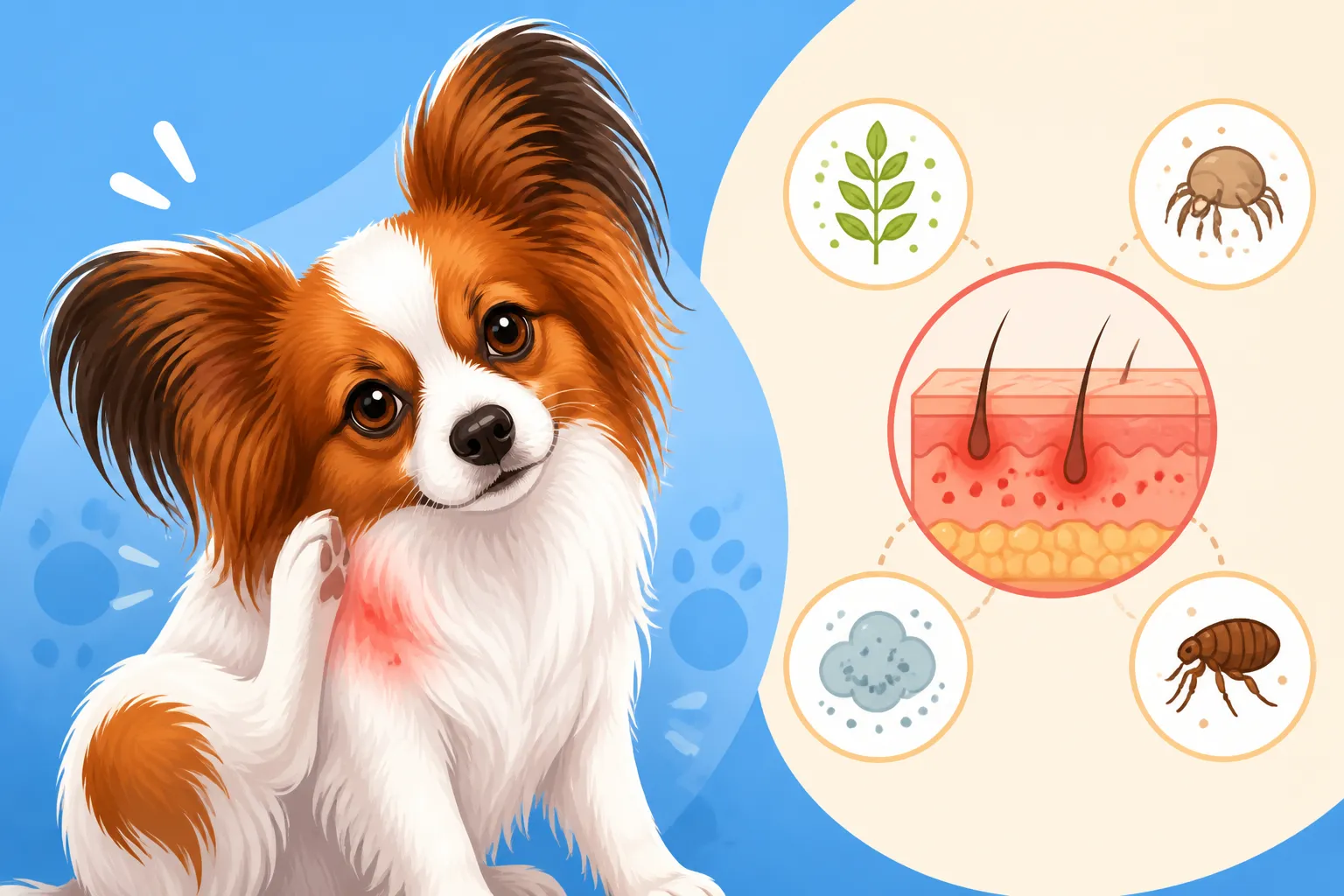
Environmental Allergies (Atopy or Atopic Dermatitis): This is perhaps the most common type of skin allergy in dogs, and Papillons are definitely susceptible. Atopy occurs when a dog's immune system reacts negatively to airborne particles like pollen (from trees, grasses, weeds), dust mites, mold spores, or even dander from other animals. Imagine yourself with hay fever, but instead of a runny nose and watery eyes, your skin breaks out in an unbearable itch. That's often what atopy feels like for a dog. The itching can be seasonal, flaring up when specific pollens are in the air, or year-round if the allergen is something like dust mites within your home. Owners often notice their Papillon scratching their ears, licking their paws, or rubbing their face on furniture almost obsessively. It's a frustrating cycle because the more they scratch, the more inflamed the skin becomes, opening the door for secondary infections.
Food Allergies: While less common than environmental allergies, food allergies can be incredibly frustrating to diagnose and manage. In this scenario, a Papillon's immune system identifies a specific protein in their diet as a threat. Common culprits often include beef, chicken, dairy, wheat, soy, or eggs. It’s important to distinguish between a food allergy and a food intolerance; an intolerance might cause digestive upset, but an allergy triggers an immune response that often includes skin symptoms. These can present as chronic itching, skin inflammation, recurrent ear infections (which often fall under the umbrella of allergies, and it's something to investigate if your Papillon gets ear infections frequently), or even gastrointestinal issues like vomiting or diarrhea. The persistent, year-round nature of the itching, sometimes without a clear seasonal pattern, is often a clue that food might be the culprit.
Flea Allergy Dermatitis (FAD): This is one of the most common allergies across all dog breeds, and Papillons are no exception. It’s not just about having fleas; it’s about a hypersensitivity to flea saliva. A single flea bite can trigger an intense allergic reaction in a susceptible Papillon, leading to severe itching, redness, scabbing, and hair loss, particularly around the base of the tail, inner thighs, and belly. Many owners mistakenly believe their dog couldn't possibly have fleas because they don't see them, but a highly allergic Papillon only needs one bite to suffer for days or even weeks. Regular, consistent flea prevention is paramount for all dogs, but especially for those prone to FAD.
Contact Dermatitis: This type is less common but still possible. It occurs when a Papillon's skin comes into direct contact with an irritating substance. This could be anything from certain chemicals in cleaning products, rug deodorizers, some shampoos, or even plants like poison ivy (though less common for a house dog). The reaction typically appears where the skin made contact, like the belly, paws, or chin. Removing the irritant usually resolves the issue, but identifying it can be like playing detective.
The Underlying Causes of Papillon Skin Issues
Understanding why Papillons, or any dog, develop allergies goes beyond just naming the types. It delves into their genetics, environment, and overall immune health.
Genetic Predisposition: Unfortunately, allergies often have a genetic component. If your Papillon comes from lines where parents or siblings have suffered from allergies, their chances of developing them increase. While Papillons are generally considered a healthy breed, this doesn't mean they are immune to genetically influenced conditions like allergies. A responsible breeder will often be transparent about any history of allergies in their lines.
Compromised Skin Barrier: Dogs with atopic dermatitis often have a compromised skin barrier. Think of your skin as a brick wall, with cells as bricks and natural oils as mortar. If the mortar is weak, irritants and allergens can more easily penetrate the skin, triggering an immune response and the dreaded itch. This also makes them more susceptible to secondary bacterial or yeast infections, which only exacerbate the itching and discomfort. Maintaining a healthy skin barrier through proper nutrition and bathing can be a critical defense.
Environmental Factors: Beyond the specific allergens, the general environment plays a huge role. Living in a dusty house, walking through heavily pollenated areas, or even using certain laundry detergents for their bedding can all contribute to a Papillon’s allergic load. Factors like humidity, temperature, and exposure to various chemicals can also irritate sensitive skin. Even something as seemingly benign as sleeping on a new type of carpet could potentially trigger a contact reaction in a very sensitive individual.
Diet and Gut Health: A dog's gut health is intrinsically linked to its immune system. An imbalance in gut bacteria or an inflammatory response to certain food ingredients can manifest as skin problems. This is why some holistic approaches to allergy management focus heavily on diet, probiotics, and supporting overall gut health. If your Papillon gets a liver shunt, for instance, their overall health including skin health could be impacted, although this is a severe condition.
Parasites (Beyond Fleas): While flea allergy dermatitis is a specific type of allergy, other parasites can cause severe skin irritation that might initially be mistaken for an allergy. Mites (like sarcoptic or demodectic mange) can cause intense itching, redness, and hair loss. Ticks, though less common to cause generalized allergic reactions, can cause localized irritation. It's always crucial for your vet to rule out parasitic infestations before diving deep into allergy diagnostics.
Recognizing the Signs and Symptoms of Skin Allergies
Spotting skin allergies in your Papillon might seem obvious if they're constantly scratching, but sometimes the signs can be more subtle. Because Papillons are small and often have beautiful, flowing coats, early signs might be hidden, making it even more important to be observant.
Visual Cues and Behavioral Changes
Your Papillon can’t tell you in words that they’re itchy, so you have to learn to interpret their actions and the visual clues their skin provides.
Persistent Itching (Pruritus): This is the hallmark sign. Your Papillon might scratch with their hind legs, rub their face against carpets or furniture, lick their paws excessively, or chew at their legs, belly, or tail base. This isn't just a casual scratch; it’s frequent, intense, and often interrupts their sleep or play. You might even notice them scratching more after a walk, or at specific times of the year. When a Papillon's kneecap slips, it can cause discomfort, but intense, widespread itching usually points to something else entirely.
Redness and Inflammation: Check your Papillon's skin, especially in areas prone to allergies: armpits, groin, paws (between the toes), belly, and around the ears and muzzle. You might see pink or red skin, which looks inflamed or irritated. In dogs with lighter pigment, this redness is very noticeable. In Papillons with more pigmented skin or thicker coats, you might need to part the fur carefully to see it.
Hair Loss (Alopecia): Chronic scratching and licking can lead to hair loss in affected areas. This can range from thinning hair to completely bald patches. The hair might also appear dull or coarse due to constant irritation. Sometimes, the licking can stain the fur a reddish-brown color, particularly noticeable on white fur, from the porphyrins in their saliva.
Skin Lesions and Scabs: Constant trauma from scratching, licking, and chewing can cause raw spots, scabs, and even open sores. These are often the entry points for secondary bacterial or yeast infections, creating a vicious cycle of itch and infection. You might see small, crusty scabs that indicate self-trauma.
Thickened, Darkened Skin (Lichenification): Over time, if the allergy is chronic and untreated, the skin can become thickened and leathery, a process called lichenification. It might also change color, becoming darker (hyperpigmentation). This is a clear sign of long-standing inflammation and irritation.
Ear Issues: Allergic dogs are notoriously prone to ear infections. If your Papillon is shaking their head, scratching at their ears, or you notice a foul odor, redness, or discharge in their ears, it could very well be an allergic reaction. This is often an extension of atopic dermatitis, and addressing the underlying allergy is key to preventing recurring ear problems. A vet visit is essential if you suspect your Papillon gets ear infections.
Foot Chewing/Licking: Paws are a common target for allergic itching. If your Papillon is constantly licking or chewing at their feet, especially between the toes, it's a strong indicator of allergies. The moisture from constant licking can also lead to yeast infections on the paws, adding to the discomfort.
Secondary Infections and Complications
The constant itching and self-trauma from allergies don't just stop at discomfort; they often lead to secondary issues that make your Papillon even more miserable. These complications are usually what drive owners to seek veterinary help.
Bacterial Infections (Pyoderma): When the skin barrier is compromised and broken by scratching, bacteria normally living on the skin (like Staphylococcus) can overgrow and cause an infection. This leads to pustules, crusts, red bumps, and further itching. Pyoderma requires antibiotics, either oral or topical, to resolve, and often a medicated shampoo regime. Without treating the underlying allergy, these infections will often recur.
Yeast Infections (Malassezia Dermatitis): Another common secondary infection in allergic dogs is caused by an overgrowth of yeast, specifically Malassezia pachydermatis. This usually manifests as greasy, smelly, itchy skin, often in folds, between toes, or in the ears. The skin might also appear thickened and darker. It often has a distinct, sweet-sour or "corn chip" smell. Anti-fungal medications, either topical or oral, are necessary to clear up yeast infections.
Hot Spots (Acute Moist Dermatitis): These are rapidly developing, painful, red, moist, and often oozing skin lesions that appear almost overnight. They are usually caused by a dog intensely licking or chewing at a localized itchy spot, often triggered by an allergy, flea bite, or insect sting. Hot spots require immediate veterinary attention to clean, clip the surrounding hair, and treat with topical or oral medications to dry them out and prevent further infection. They can be incredibly painful for your Papillon.
Chronic Discomfort and Behavioral Changes: Beyond the physical symptoms, chronic itching takes a huge toll on a dog's well-being. A Papillon suffering from untreated allergies can become restless, irritable, anxious, or even depressed. Their sleep patterns might be disrupted, and their overall enjoyment of life diminishes. They might snap when touched on an itchy spot, or withdraw from interaction. This is why addressing allergies isn't just about skin deep; it's about their entire quality of life. An ongoing condition like this could also increase the overall cost of a Papillon over its lifetime.
Diagnosing and Managing Papillon Skin Allergies
When you see your Papillon suffering from persistent itching or skin issues, it’s natural to feel overwhelmed and unsure where to turn. The good news is that while allergies are often a chronic condition, they can be managed effectively with the right approach and a strong partnership with your veterinarian.
Working with Your Veterinarian for Diagnosis
The first and most crucial step is a thorough veterinary examination. Don't try to self-diagnose or treat with over-the-counter products without professional guidance; you could inadvertently make things worse or mask important symptoms.
Initial Examination and History: Your vet will start by taking a detailed history. Be prepared to discuss:
- When did the itching start? Is it seasonal or year-round?
- What areas of the body are most affected?
- What is your Papillon’s diet?
- What flea and tick prevention are you using, and how consistently?
- What cleaning products do you use in your home?
- Are there other pets in the house, and do they have similar issues?
- Has anything changed in your home or routine recently?
- Have previous treatments been tried, and if so, what were the results?
This information is invaluable for narrowing down the potential causes.
Ruling Out Other Conditions: Before diagnosing allergies, your vet will need to rule out other common skin conditions that can mimic allergy symptoms. This often includes:
- Parasites: Skin scrapes to look for mites (like demodex or sarcoptes) and a thorough flea check are standard.
- Fungal Infections: A fungal culture might be done to check for ringworm, especially if there are circular patches of hair loss.
- Bacterial/Yeast Infections: Cytology (examining a sample of skin cells under a microscope) is often performed to identify and quantify bacteria and yeast, guiding appropriate treatment.
- Thyroid Issues: Though less common as a primary cause of itching, hypothyroidism can sometimes cause skin and coat problems, so blood tests might be considered.
Allergy Testing: Once other conditions are ruled out, if allergies are suspected, your vet might recommend further testing:
- Food Elimination Diet: This is the gold standard for diagnosing food allergies. It involves feeding your Papillon a novel protein and carbohydrate source (something they’ve never eaten before) or a hydrolyzed protein diet for a strict period (typically 8-12 weeks). Absolutely no other treats, chews, or flavored medications can be given during this time. If symptoms improve significantly, then food trials are done by reintroducing single ingredients to identify the culprit. This process requires immense patience and discipline but is the most accurate way to pinpoint food allergens.
- Intradermal Skin Testing or Blood Tests (IgE Serology): These tests are used to identify environmental allergens. Intradermal testing involves injecting tiny amounts of common allergens into the skin and observing for a reaction. Blood tests measure antibodies to specific allergens. While these tests can help identify triggers and guide immunotherapy, they don’t always correlate perfectly with clinical signs, and a positive result doesn't automatically mean that allergen is causing the problem. They are generally used to guide allergen-specific immunotherapy (allergy shots or drops).
Your vet might also suggest a yearly wellness exam which can help track chronic conditions like allergies. What a Papillon's yearly bloodwork should cover can also include markers that might hint at underlying inflammatory processes, though it's not a direct allergy test.
Treatment Approaches and Long-Term Management
Managing Papillon skin allergies is rarely a quick fix; it's an ongoing process that often involves a multi-modal approach combining several strategies. The goal is to reduce itching, treat secondary infections, and minimize exposure to allergens.
Medications to Control Itch and Inflammation:
- Steroids: Corticosteroids (e.g., prednisone) are very effective at rapidly reducing inflammation and itching. However, they come with potential side effects with long-term use (increased thirst, urination, appetite, and can impact immune function), so they are usually reserved for short-term flare-ups or severe cases.
- Antihistamines: Over-the-counter antihistamines like diphenhydramine (Benadryl) or cetirizine (Zyrtec) can sometimes offer mild relief for some dogs, but they are often not potent enough for severe allergic reactions. Always consult your vet for appropriate dosage.
- Immunosuppressants: Medications like cyclosporine (Atopica) modulate the immune system to reduce allergic reactions. They can be very effective for chronic atopy but take several weeks to show full effect and also have potential side effects.
- JAK Inhibitors: Drugs like oclacitinib (Apoquel) specifically target the itch pathway, offering rapid relief with fewer side effects than steroids.
- Monoclonal Antibodies: Lokivetmab (Cytopoint) is an injectable antibody that targets and neutralizes a key protein involved in the itch sensation. It provides long-lasting relief (usually 4-8 weeks) and has a very good safety profile.
Treating Secondary Infections:
- Antibiotics and Antifungals: As discussed, bacterial and yeast infections require specific medications. Oral antibiotics are common for pyoderma, while medicated shampoos, mousses, or wipes are often used for both bacterial and yeast overgrowths. Oral antifungals may be necessary for severe yeast infections.
Allergen-Specific Immunotherapy (ASIT): If environmental allergens are identified, ASIT (often called "allergy shots" or "allergy drops") is the only treatment that aims to change the immune system's response to allergens rather than just suppressing symptoms. Small, increasing doses of the identified allergens are administered over time, desensitizing the dog. It can take 6-12 months to see full effects, but if successful, it can significantly reduce the need for other medications. This is often the best long-term solution for atopic dogs.
Dietary Management: For diagnosed food allergies, strict adherence to a prescription hypoallergenic or novel protein diet is crucial. This means no table scraps, no unauthorized treats, and careful checking of all ingredients in medications or supplements. If considering pet insurance, it’s wise to look into whether the plan covers chronic conditions like food allergies; companies like Healthy Paws are known for comprehensive coverage that can help with ongoing vet bills.
Lifestyle Adjustments and Preventative Measures
Beyond medications and specific treatments, small changes in your Papillon’s daily life and environment can make a big difference in managing their allergies.
Environmental Control:
- Dust Mites: Wash your Papillon’s bedding weekly in hot water. Consider allergen-proof covers for their beds. Vacuum frequently with a HEPA filter vacuum.
- Pollen: Wipe down your Papillon with a damp cloth or give them a quick foot bath after walks, especially during high pollen seasons. Keep windows closed and use air purifiers with HEPA filters indoors. A simple solution of water and apple cider vinegar (diluted) can be a gentle and natural way to wipe down paws.
- Regular Bathing: Medicated shampoos prescribed by your vet can help remove allergens from the coat, soothe inflamed skin, and treat secondary infections. Even non-medicated, gentle moisturizing shampoos can help support the skin barrier. Ensure you're using a shampoo suitable for a Papillon's coat to avoid drying out their skin. How often a Papillon should be bathed depends on their individual needs and activity level, but for allergic dogs, more frequent bathing might be recommended by your vet.
Flea Control: Absolute, year-round, consistent flea prevention is non-negotiable for all dogs, but especially for Papillons with FAD. Use a veterinarian-recommended product.
Nutrition and Supplements:
- High-Quality Diet: Feed a balanced, high-quality diet that supports overall health and a healthy skin barrier. Some diets are specifically formulated for sensitive skin.
- Omega-3 Fatty Acids: Supplements containing omega-3 fatty acids (like fish oil) can reduce inflammation and improve skin barrier function. Consult your vet for appropriate dosages.
- Probiotics: These can support gut health, which in turn can bolster the immune system and potentially reduce allergic reactions.
Preventing Self-Trauma: During severe flare-ups, your vet might recommend an Elizabethan collar (the "cone of shame") to prevent your Papillon from licking, scratching, or chewing, giving the skin a chance to heal. Keep their nails trimmed short to minimize skin damage from scratching.
By taking a multi-faceted approach, combining veterinary treatment with diligent home care and lifestyle adjustments, you can significantly improve your Papillon's comfort and quality of life, transforming them from an itchy, miserable pup into the happy, spirited companion you know and love. Remember that managing allergies is a marathon, not a sprint, and patience and consistency are your best allies.
| Allergy Type | Common Triggers | Key Symptoms | Diagnosis Methods | Treatment & Management |
|---|---|---|---|---|
| Environmental (Atopy) | Pollen, dust mites, mold spores | Seasonal or year-round itching, paw licking, ear infections, facial rubbing | Rule out other conditions, blood/skin tests for allergens | Antihistamines, steroids, Apoquel, Cytopoint, cyclosporine, immunotherapy, environmental control, medicated baths |
| Food Allergy | Beef, chicken, dairy, wheat, soy, eggs (proteins) | Year-round itching, skin inflammation, recurrent ear infections, GI upset | Food elimination diet, food challenges | Strict hypoallergenic diet, identifying and avoiding trigger ingredients |
| Flea Allergy Dermatitis | Flea saliva | Intense itching at tail base, inner thighs; redness, scabs, hair loss from a single bite | Presence of fleas/flea dirt, clinical signs | Strict, year-round flea prevention and control |
| Contact Dermatitis | Cleaning products, plants, specific fabrics | Localized redness, itching, rash where skin contacted irritant | History of exposure, patch testing (rare) | Identify and remove irritant, topical steroids for relief |
Disclaimer
This article is intended for informational purposes only and does not constitute medical advice. Always consult with a qualified veterinarian for any health concerns or before making any decisions about your Papillon's care or treatment plan.