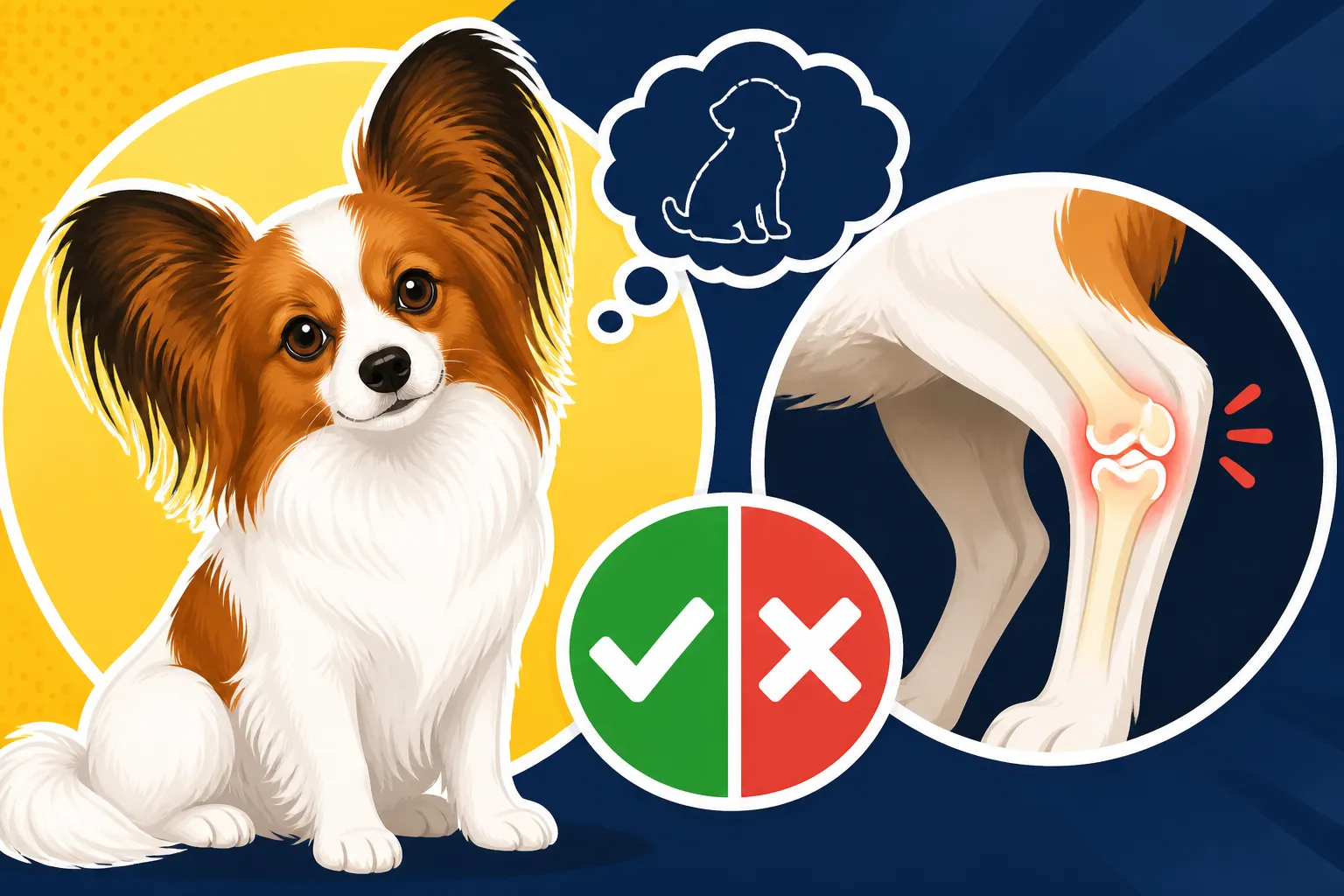
Whether a Papillon’s Knee Counts as Congenital
It's heartbreaking to discover your beloved Papillon puppy might have an issue with their knees, especially when you're just starting out on your journey together. The term "luxating patella" gets thrown around a lot with small breeds, and it instantly conjures up worries about pain, surgery, and, let's be honest, the cost. But beyond the immediate concern, a question often looms large: is this considered congenital? Understanding what this means, particularly from a veterinary and insurance perspective, is crucial for any Papillon parent, and this guide aims to unravel that knotty question for you.
Understanding Luxating Patella in Papillons
When we talk about luxating patella, we're referring to a condition where your Papillon's kneecap (patella) slips out of its normal groove in the thigh bone (femur). It's incredibly common in toy breeds, and Papillons, with their delicate structures and active, jumping natures, are certainly no exception. It can manifest in varying degrees of severity, from a slight, occasional skip to a constant displacement that causes pain and limits mobility.
The Mechanics of a Slipping Kneecap
Imagine your kneecap as a small, oval-shaped bone that sits in a little pulley system at the front of the knee joint. It's supposed to glide smoothly up and down in a groove on the end of the femur, held in place by ligaments. When a luxating patella occurs, it means the kneecap pops out of this groove, either to the inside of the leg (medial luxation, which is far more common in Papillons) or to the outside (lateral luxation). This can happen due to a variety of factors, often structural abnormalities that are present from birth or develop very early in life.
The issue isn't usually caused by a single, dramatic injury, but rather by subtle malformations in the bones of the leg or the surrounding soft tissues. For example, the groove itself might be too shallow, the patellar ligament might pull the kneecap off-center, or the leg bones might be slightly twisted, creating an improper alignment. These underlying issues make the kneecap prone to slipping, especially during normal activities like running, jumping, or even just twisting. You might notice your Papillon skipping a step, holding a leg up for a moment, or in more severe cases, limping consistently. What Patellar Luxation Does to a Papillon covers this in more detail.
Why It's So Prevalent in Small Breeds
It seems almost unfair, doesn't it? Small dogs like Papillons are often celebrated for their dainty size, yet that very trait can predispose them to certain health challenges. The smaller bone structure and often faster growth rate of toy breeds contribute to the prevalence of luxating patella. Their anatomy is just wired a bit differently than a larger, more robust breed, making them more susceptible to these alignment issues.
The genetic component is undeniable. While an injury can cause a luxating patella, the vast majority of cases in breeds like the Papillon are considered inherited, meaning the predisposition is passed down through generations. This is why responsible breeders are so diligent about screening their breeding stock. They understand that even if a parent dog shows no obvious signs, they could still carry the genes for structural abnormalities that lead to luxation in their puppies. Without this careful screening, the condition can easily become endemic within a breed line. How Common Patellar Luxation Is in Papillons delves deeper into just how widespread this issue can be.
The Nuance of "Congenital" Versus "Hereditary" in Insurance Terms
This is where things can get a little murky, especially when you're trying to figure out what your pet insurance might cover. The terms "congenital" and "hereditary" are often used interchangeably in everyday conversation, but in the world of pet insurance, they can have distinct meanings that significantly impact your coverage. It’s enough to make your head spin, and it’s a valid frustration for many pet parents.
What "Congenital" Truly Means
In the strictest sense, a congenital condition is one that is present at birth. This doesn't always mean it's immediately obvious, or even detectable, when a puppy is just a few weeks old. It simply means the underlying cause or structural abnormality was there from the beginning, even if the symptoms only become apparent months or even years later. Think of it like a faulty blueprint for a building – the flaw is in the design from day one, even if the wall doesn't crack until years after construction.
For luxating patella, the abnormal bone structure or ligament laxity that causes the kneecap to slip is often congenital. The dog is born with a knee joint that isn't perfectly formed to keep the patella in place. However, the actual luxation (the slipping event) might not happen until the puppy starts running and jumping vigorously, or as they grow and put more strain on the joint. This delayed manifestation is what often confuses owners and can be a point of contention with insurance companies.
The "Hereditary" Angle
A hereditary condition, on the other hand, is one that is inherited or genetically passed down from parents to offspring. All hereditary conditions are, by definition, congenital because the genetic predisposition is present at birth. However, not all congenital conditions are strictly hereditary. Some congenital issues might arise from environmental factors during gestation, rather than being passed down through genes. But in the case of luxating patella in Papillons, it is almost universally considered both congenital and hereditary due to the strong genetic link.
This distinction matters profoundly for pet insurance. Many policies have clauses regarding pre-existing conditions, but they may also have separate definitions and waiting periods for congenital or hereditary conditions. An insurer like Healthy Paws, for example, will have specific terms outlined in their policy documents about how they classify and cover such conditions. It's not uncommon for insurers to have specific rules for conditions known to be prevalent in certain breeds.
Here's a simplified way to look at the overlap and difference:
| Feature | Congenital | Hereditary |
|---|---|---|
| Origin | Present at birth (due to genetics or other factors) | Passed down through genes from parents |
| Timing | Underlying cause exists at birth | Genetic predisposition exists at birth |
| Manifestation | Symptoms may appear at any age, even years later | Symptoms may appear at any age, even years later |
| Overlap | Most hereditary conditions are also congenital | All hereditary conditions imply a congenital origin |
| Example | Luxating patella (often both) | Progressive Retinal Atrophy (PRA) in Papillons |
This table helps illustrate why luxating patella fits both descriptions, which can complicate insurance claims.
Navigating Insurance and Veterinary Diagnoses
When your Papillon receives a diagnosis of luxating patella, it's not just about the medical implications; it's also about understanding how this diagnosis interacts with your pet insurance policy. This is often where the rubber meets the road, and what seems like a straightforward health issue can become a bureaucratic puzzle.
The "Pre-Existing Condition" Hurdle
For most pet insurance policies, any condition diagnosed before the policy starts or during the initial waiting period is considered "pre-existing" and will typically not be covered. This is the biggest hurdle for owners whose Papillons develop signs of luxating patella early in life. If your puppy has a noticeable "skip" in their gait during their first vet check, and you then enroll in pet insurance, that knee issue might be flagged as pre-existing, even if surgery isn't needed until much later.
This is why many experienced Papillon owners will tell you to get pet insurance as early as possible – ideally before your puppy even comes home, or at least before their first vet visit. That way, any initial findings are less likely to be considered pre-existing. Different providers, even well-known ones, might have slightly different interpretations. Some, like Healthy Paws or other reputable insurers, might have specific waiting periods for orthopedic conditions, often longer than for accidents or illnesses, precisely because of conditions like luxating patella. It's vital to read the fine print of any policy. Whether Insurance Covers a Papillon's Knees is a good read for deeper understanding.
The Role of Early Veterinary Examinations
Regular, thorough veterinary examinations, especially during puppyhood, are absolutely critical. Your vet will palpate your Papillon's knees during routine check-ups, feeling for any looseness or signs of luxation. Even a very mild (Grade 1) luxation, which might not cause any symptoms, can be noted in your dog's medical records. This record, then, becomes the benchmark for any future insurance claims.
If your vet notes "mild patellar laxity" at 12 weeks, and then at 18 months your dog requires surgery for a Grade 3 luxation, the insurance company will likely refer back to that initial notation. This doesn't mean you should avoid vet visits; quite the opposite. Early detection allows for proactive management, and in some cases, conservative treatments might delay or even prevent the need for surgery. It also allows you to understand the potential financial implications upfront and make informed decisions about insurance coverage.
A responsible Papillon breeder will have their breeding dogs' knees certified by a veterinary orthopedic specialist, often through organizations like the Orthopedic Foundation for Animals (OFA). They should be able to provide you with documentation of these clearances. This helps to reduce the risk of inheriting severe luxation, but it's never a 100% guarantee. Whether a Papillon Breeder Certifies Knees is a must-read if you're looking for a puppy.
Supporting Your Papillon's Joint Health
Even if your Papillon has been diagnosed with a luxating patella, there's a lot you can do to support their joint health and potentially minimize the progression or discomfort. This often involves a multi-faceted approach, combining veterinary care with attentive home management.
For instance, managing your Papillon's weight is paramount. Even a few extra ounces on a tiny frame can put significant strain on already compromised knee joints. Your vet can help you determine the ideal weight for your individual dog. A balanced diet, perhaps featuring joint-supporting ingredients, can also play a role. Many high-quality dog foods available from retailers like Chewy offer formulations designed for small breeds or with added joint supplements. Some fresh food services, such as Ollie, also cater to specific dietary needs that could benefit joint health, though always discuss any significant dietary changes with your vet.
In addition to diet, creating a "knee-safe" home environment is crucial. This means providing ramps or steps for furniture, ensuring non-slip surfaces on hard floors, and generally minimizing high-impact activities like jumping off beds or sofas. Regular, low-impact exercise like controlled walks can keep muscles strong around the joint without excessive strain.
Steps to Take if Your Papillon Has a Luxating Patella
Finding out your beloved Papillon has a luxating patella can feel overwhelming, but taking a proactive and informed approach can make a world of difference. There are clear steps you can follow to manage the condition and ensure your furry friend lives as comfortably and happily as possible.
Consulting with Your Veterinarian and Specialists
The very first and most crucial step is to have an open, honest discussion with your veterinarian. They will assess the severity of the luxation, often classifying it into grades from 1 (mild) to 4 (severe). A Grade 1 might only require monitoring and conservative management, while a Grade 3 or 4 almost always necessitates surgical intervention. Your regular vet might recommend a consultation with a board-certified veterinary orthopedic specialist. These specialists have advanced training in bone and joint conditions and can offer the most comprehensive diagnostic and treatment plans.
During this consultation, the specialist will perform a thorough physical exam, often including X-rays, to get a complete picture of your Papillon's joint structure. They can then advise you on the best course of action, tailored to your dog's specific needs, age, and activity level. This is where you'll also get a realistic idea of the potential costs involved for diagnostics, surgery, and aftercare. What a Papillon's Orthopedic Consult Costs is a valuable resource if you're approaching this stage.
Understanding Treatment Options: Conservative vs. Surgical
Once the diagnosis is clear, you'll typically be presented with two main paths: conservative management or surgical repair.
Conservative Management is often recommended for Papillons with Grade 1 or sometimes Grade 2 luxation, especially if they are not exhibiting significant pain or lameness. This approach focuses on supportive care:
- Weight Management: Keeping your Papillon at an ideal weight is critical to reduce stress on the knee joint.
- Controlled Exercise: Regular, moderate exercise helps build muscle strength around the knee, which can provide better support. Avoid intense, high-impact activities.
- Joint Supplements: Your vet might recommend supplements containing glucosamine, chondroitin, or omega-3 fatty acids, which can support joint health and reduce inflammation. You can find many reputable options at pet supply stores like Chewy.
- Pain Management: Non-steroidal anti-inflammatory drugs (NSAIDs) may be prescribed during flare-ups to manage pain and inflammation.
- Environmental Adjustments: As mentioned earlier, ramps and non-slip mats can prevent injurious jumps and slips. Whether Ramps Help a Papillon's Knees provides more detail on this.
Surgical Repair becomes necessary when conservative management isn't enough, typically for Grade 2 luxations that cause consistent lameness, or for Grade 3 and 4 luxations. The goal of surgery is to realign the kneecap and deepen the groove it sits in, preventing it from slipping out. Common surgical procedures include trochlear wedge recession (deepening the groove), tibial crest transposition (moving where the patellar ligament attaches), and sometimes soft tissue release or tightening.
The decision for surgery can be daunting, but it often leads to a significantly improved quality of life for your Papillon, relieving pain and restoring mobility. Post-surgery, a recovery period involving restricted activity and potentially physical therapy is essential for proper healing. How a Papillon Recovers From Knee Surgery outlines what to expect during this time.
Financial Planning and Long-Term Care
Let's not shy away from the financial aspect – veterinary care, especially orthopedic surgery, can be a significant investment. This is where pet insurance, if you enrolled early enough, can be a lifesaver. If your policy covers hereditary or congenital conditions, it could dramatically reduce your out-of-pocket costs. Always confirm coverage details with your provider.
If insurance isn't an option or doesn't cover the full cost, exploring payment plans, veterinary credit cards, or saving up an emergency fund specifically for your Papillon's health are all viable strategies. Many Papillon owners, unfortunately, encounter this particular bill. Knee Surgery Is the Bill Most Papillon Owners Meet illustrates the financial reality. The cost can vary widely depending on the grade of luxation and whether a specialist is needed. What a Grade Two Knee Costs to Repair on a Papillon offers insight into expected expenses.
Beyond the initial treatment, long-term care for a Papillon with a history of luxating patella often involves ongoing joint supplements, maintaining a healthy weight, regular low-impact exercise, and continuous monitoring by your vet. While it requires diligence, providing this consistent care allows your cherished Papillon to enjoy a full, active life, often for many years to come. Ultimately, many Papillon owners find the investment in their dog's comfort and well-being to be absolutely worthwhile, despite the challenges. Whether a Papillon Is Worth the Knee Risk is a testament to this sentiment.
Disclaimer
This article is for general informational purposes only and does not constitute professional advice. Laws, prices and regulations vary by location and change over time. Consult a qualified professional for guidance on your specific situation.