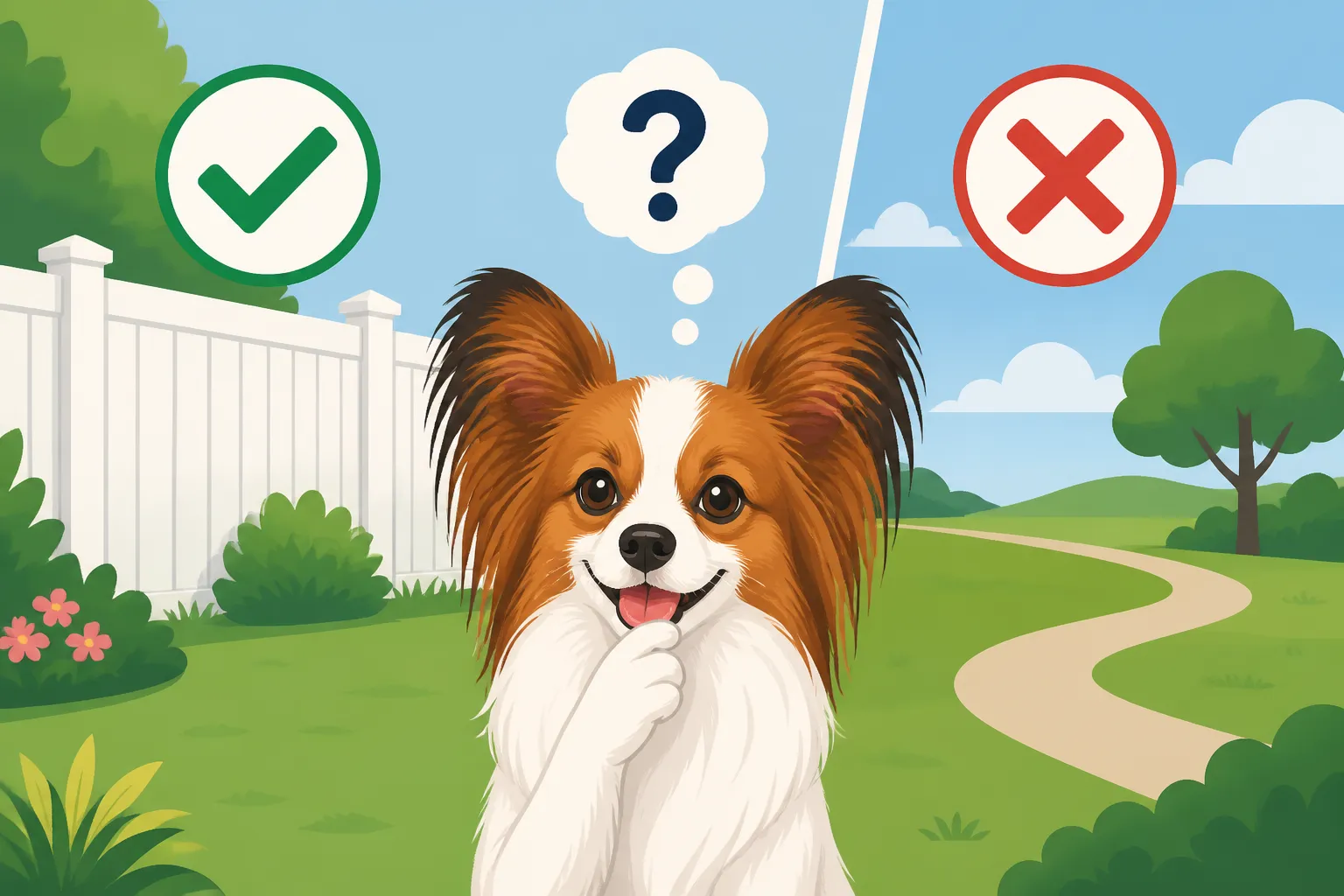
Whether a Papillon Needs a Fenced Yard
It's a common misconception that because Papillons are small, they're perfectly content with only indoor living or that a quick trip on a leash is all the outdoor time they need. Many new Papillon parents, or even experienced ones, grapple with the idea of whether their tiny, delicate-looking companion truly requires a securely fenced yard, especially when space is at a premium or fencing seems like an expensive undertaking. This comprehensive guide will delve deep into why a fenced yard isn't just a luxury but often a crucial component for a Papillon's safety, training, mental well-being, and overall quality of life, offering practical advice and dispelling myths along the way.
Understanding the Papillon's Outdoor Needs and Instincts
You might look at your dainty Papillon, with their butterfly ears and elegant stride, and think they're simply not the kind of dog to be out tearing around a yard. But beneath that refined exterior lies a surprisingly active, intelligent, and curious canine with strong instincts that definitely benefit from a secure outdoor space. Ignoring these natural urges can lead to frustration for both you and your little friend.
The Papillon's Surprising Drive to Explore
Don't let their toy breed status fool you; Papillons possess a significant amount of energy and an inherent desire to explore. They are descendants of active spaniel types, and that heritage shines through. They love to chase, sniff, and investigate, often with a zeal that rivals much larger breeds. A simple leashed walk, while essential, doesn't always provide the mental and physical outlet for free-roaming exploration that a fenced yard does. Imagine being confined to a guided tour when all you want to do is wander and discover for yourself – that's often how a Papillon feels without a safe, open space.
Many Papillons have a surprising prey drive. They might spot a squirrel, a bird, or even a blowing leaf and decide it's a target worthy of pursuit. This instinct is incredibly strong, and even the most well-trained Papillon can have a lapse in judgment when something genuinely enticing catches their eye. If they're off-leash in an unfenced area, that split-second decision to chase could put them in immediate danger from traffic or other hazards. This is why understanding How Much Prey Drive a Papillon Has is so important. A fenced yard provides a safe arena for them to indulge these natural instincts without risking their safety.
The Risk of Bolting and Escaping
Papillons are incredibly intelligent, but their smarts can sometimes work against them when it comes to open doors or gates. They are quick, agile, and often possess an opportunistic streak. A Papillon might not be actively trying to escape a yard, but if a gate is left ajar, or a delivery person opens the front door without thinking, their natural curiosity can lead them to bolt. They are small enough to slip through incredibly tight spaces and fast enough to be out of sight in seconds.
I've heard countless stories from owners who, despite their best efforts, have had their Papillons dart out an open door. The panic and fear in those moments are unimaginable. A secure fence acts as the primary barrier against these accidental escapes. Even if your Papillon is brilliant and generally compliant, the temptation of an open gate or an enticing smell can override their training in an instant. This relates closely to Why a Papillon Bolts Through Doors, which highlights their quick decision-making and curiosity.
Safety First: Protecting Your Papillon from External Threats
A fenced yard isn't just about keeping your Papillon in; it's also about keeping potential dangers out. The world can be a perilous place for a tiny dog, and a secure perimeter offers a vital layer of protection against various threats that are often overlooked.
Protecting Against Traffic and Other Animals
This is probably the most immediate and terrifying threat for any small dog, especially one as prone to quick movement and distraction as a Papillon. A Papillon can be incredibly focused on a scent or a visual stimulus, making them oblivious to oncoming vehicles. Even in quiet residential areas, cars can appear suddenly, and the consequences for a tiny dog are catastrophic. A solid fence removes this risk entirely, allowing your Papillon to roam freely and safely within its boundaries.
Beyond traffic, other animals pose a significant threat. Larger, unsupervised dogs, even those that are usually friendly, can accidentally or intentionally injure a small Papillon. A Papillon, with its bold nature, may not always back down from a larger dog, which can lead to disastrous encounters. Whether a Papillon Gets Hurt Playing With Large Dogs is a very real concern. Coyotes, hawks, owls, and other predators, even in suburban areas, can view a small dog as prey. While no fence is 100% predator-proof, a secure fence significantly reduces the risk of your Papillon becoming vulnerable to such dangers.
Preventing Theft and Unwanted Interactions
It’s a sad reality that small, desirable breeds like Papillons can be targets for theft. An unattended Papillon in an unfenced yard, or even a dog tied out, is an easy target. A securely fenced yard makes it much harder for someone to simply walk off with your beloved companion.
Furthermore, a fence prevents unwanted interactions from passersby who might not understand dog etiquette. Some people might try to pet or interact with your dog without permission, which can be stressful for your Papillon and potentially dangerous if they're not used to strangers. A fence creates a clear boundary, ensuring that all interactions happen on your terms and under your supervision.
Beyond Security: The Benefits of a Fenced Yard for Papillon Well-Being
While safety is paramount, a fenced yard offers much more than just protection. It significantly enhances your Papillon's quality of life by providing opportunities for unrestricted exercise, mental stimulation, and easier management for you.
Unrestricted Exercise and Mental Stimulation
Papillons need to run, jump, and play. They thrive on activity and mental challenges. While leashed walks are great for structured exercise and neighborhood sniffing, they don't allow for the joyous, uninhibited bursts of speed, sudden changes in direction, and playful wrestling that a Papillon truly enjoys. A fenced yard provides this crucial space. They can chase toys, zoom around, and engage in self-directed play, burning off excess energy and keeping their minds sharp.
This free exercise is also wonderful for their physical health. It helps maintain a healthy weight, strengthens muscles, and improves coordination. Overweight Papillons can put undue strain on their delicate joints, especially their knees, which are prone to conditions like patellar luxation. Allowing them to run and play in a safe space is a great preventative measure. Brands like Ollie, which focus on fresh, nutritious food, complement an active lifestyle, helping ensure your Papillon gets the energy they need for all that joyful running.
Easier Potty Training and Schedule Management
Let's be honest, standing outside on a leash in the rain or cold while your Papillon sniffs around for the perfect spot isn't always the most pleasant experience. A fenced yard simplifies potty breaks immensely. You can simply open the door and let them out, allowing them to take care of business at their own pace. This consistency is invaluable for How Long House Training a Papillon Takes and establishing a reliable routine.
For busy owners, a fenced yard also offers flexibility. If you work from home or need to step away for a short period, knowing your Papillon can safely access a secure outdoor space for quick bathroom breaks provides peace of mind. Of course, they shouldn't be left unsupervised for extended periods, but for those quick dashes outside, it's a game-changer.
A Safe Space for Training and Play
A fenced yard is an ideal environment for practicing recall, teaching new tricks, or engaging in active games like fetch without the distractions and dangers of an open park. When you're working on commands like "come," you want an environment where your Papillon can focus on you, not on a passing car or another dog. This dedicated space helps build confidence and reinforces good habits in a controlled setting.
You can also set up small agility obstacles or puzzle toys from places like Chewy to further challenge your Papillon's keen mind. These activities are not only fun but also crucial for their mental enrichment. A bored Papillon can quickly become a mischievous Papillon, and a yard filled with engaging activities can prevent destructive behaviors indoors. Think of it as their personal playground and outdoor classroom all rolled into one.
Making Your Yard Papillon-Proof: Essential Considerations
Simply having a fence isn't enough; it needs to be the right kind of fence, and your yard needs to be adapted to the unique needs of a Papillon. Their small size and cleverness mean you can't just throw up any old barrier and call it a day.
Fence Height and Gap Size
For a Papillon, height isn't usually the primary concern, as they aren't typically jumpers of high fences. However, a fence that's too short could still allow an agile Papillon to scale it if there's an incentive on the other side. More importantly, you need to consider the gap size. Papillons are incredibly small and can squeeze through surprisingly tight spaces. Chain-link fences with large openings or decorative fences with wide vertical bars might as well be open doors for a determined Papillon.
A solid fence, like wood or vinyl, with no gaps at the bottom is ideal. If you have a wire fence, ensure the mesh is small enough that your Papillon cannot push their head through, let alone their body. Regularly check along the fence line for any small holes or weak spots that could be dug under or widened over time.
Preventing Digging and Escaping Underneath
Many Papillons love to dig. It's a natural dog behavior, and if they find a loose spot or an interesting scent coming from under the fence, they will try to excavate. To prevent this, consider burying chicken wire along the bottom of the fence line, or placing large rocks or pavers directly against the fence. Regularly inspect the perimeter for any signs of digging, especially after heavy rain when soil might be softer.
Another common escape route is through gates that don't quite reach the ground. Even a small gap of a few inches can be an invitation for a tiny Papillon to squeeze through. Ensure gates are flush with the ground and that any latches are secure and out of reach of curious paws or noses.
Plant Safety and Environmental Hazards
A fenced yard should also be a safe yard. Before letting your Papillon roam free, do a thorough check for any toxic plants. Many common garden plants can be harmful or even fatal if ingested. Remove any dangerous plants or block access to them.
Also, be mindful of any garden chemicals, fertilizers, or pest control products you use. Always choose pet-safe alternatives or ensure your Papillon has no access to treated areas until they are completely safe. Standing water, like in uncovered rain barrels or decorative ponds, can also pose a drowning risk for a small dog if they were to fall in. Consider covers or barriers for these.
Temperature Control and Shelter
Because Papillons have a single coat and are small, they are more susceptible to extreme temperatures. In summer, direct sunlight can quickly lead to overheating, while in winter, cold can be dangerous. Your fenced yard should offer ample shade in warmer months, perhaps from trees, an awning, or a dedicated doghouse. In colder weather, ensure they have access to shelter if they're out for more than a quick potty break, and consider a warm dog coat if they'll be spending any significant time outside. Whether a Papillon Feels the Cold is a very real consideration, and they often do.
Remember, a fenced yard is an extension of your home's safety and comfort. Thinking proactively about these details will ensure it's a truly beneficial space for your Papillon.
Alternatives and Supplements to a Fenced Yard
While a fenced yard is highly recommended for a Papillon, I understand it's not always a feasible option for every living situation. Perhaps you live in an apartment, or your homeowner's association has strict rules. It's important to know there are strategies to still provide a fulfilling and safe life for your Papillon, even without a private, secure outdoor space.
Leash Walking: More Than Just a Stroll
Daily leashed walks are non-negotiable for a Papillon, fenced yard or not. These walks provide structured exercise, mental stimulation from new sights and smells, and opportunities for socialization. For a Papillon without a fenced yard, these walks become even more critical for their physical and mental well-being. Aim for at least two walks a day, ideally in different environments to keep things interesting.
Invest in a comfortable, well-fitting harness instead of a collar, especially for a Papillon, to prevent any strain on their delicate necks and tracheas. Make sure the leash is secure, and practice good leash manners. Even when out on a leash, always be aware of your surroundings to protect your Papillon from larger dogs or unexpected dangers. Training them to walk nicely on a leash and to respond to commands even amidst distractions is vital. How Reliably a Papillon Comes When Called is still crucial, even on a leash, in case of an accidental drop.
Supervised Play in Public Spaces
If you don't have a private yard, carefully chosen public spaces can offer some off-leash play opportunities, but with significant caveats. A small, secure dog park specifically for tiny breeds can be a good option, but you must always be vigilant. The risk of injury from larger dogs, even those playing innocently, is ever-present. Some Papillons, despite their small size, can be quite bold, which can lead to trouble.
Alternatively, consider renting a private, securely fenced space from a local dog facility or through apps designed for this purpose. These options allow for truly unrestricted play in a controlled environment, which can be invaluable for their zoomies and mental health. Always verify the security of the fence before letting your Papillon off-leash.
Indoor Enrichment and Exercise
Even with a fenced yard, indoor activities are important, but they are absolutely essential if you don't have one. Papillons are incredibly smart and thrive on mental challenges. Puzzle toys, interactive feeders, and training sessions for new tricks can burn just as much energy as a physical romp. How Many Tricks a Papillon Can Learn is astounding, and these indoor sessions are perfect for their sharp minds.
Consider setting up an indoor "agility" course with household items, playing hide-and-seek with treats or toys, or even just engaging in vigorous fetch games down a long hallway. These activities satisfy their need for play and mental stimulation, ensuring they don't become bored or destructive. Regular play with you also strengthens your bond, which is a fantastic benefit regardless of your outdoor setup. Chewy offers a wide array of toys and enrichment items perfect for Papillons to keep them engaged indoors.
Professional Dog Walking and Daycare
If you work long hours or simply can't provide all the necessary outdoor time yourself, consider professional dog walkers or reputable doggie daycare facilities. A dog walker can ensure your Papillon gets their necessary potty breaks and exercise during the day. A small-dog specific daycare can offer a safe environment for supervised play and socialization, providing many of the benefits of a fenced yard in a controlled setting.
When choosing these services, always do your homework. Look for facilities with separate play areas for small dogs, experienced staff, and a clean, safe environment. Ask for references and visit in person before committing. While insurance from providers like Healthy Paws can give you peace of mind regarding unexpected accidents, prevention through careful choices is always best.
Ultimately, while a fenced yard offers the most convenient and often the safest solution for a Papillon's outdoor needs, a dedicated owner can certainly provide a rich and fulfilling life without one. It just requires more deliberate planning, commitment, and creative thinking to ensure their safety, exercise, and mental well-being are consistently met.
Comparison of Papillon Containment Options
| Containment Option | Pros for a Papillon | Cons for a Papillon | Ideal Scenario |
|---|---|---|---|
| Fenced Yard | Safe, unrestricted play; easy potty breaks; mental stimulation; predator/theft protection | Can be expensive to install/maintain; requires careful "Papillon-proofing"; still needs supervision | Owner has space and budget for secure, small-dog specific fencing. |
| Leashed Walks | Essential for all Papillons; controlled environment; socialization; exploration | Restrictive movement; always requires owner presence; risks of accidental drops/bolts | Owners in apartments or without yards, committed to daily walks. |
| Tie-Out/Tether | Inexpensive; can provide some outdoor time | HIGH RISK: entanglement, strangulation, injury; no protection from predators/theft; frustration for dog | Generally NOT RECOMMENDED for Papillons due to extreme risk. |
| Invisible Fence | No physical barrier; aesthetically pleasing | No barrier against predators/theft; Papillons can run through static correction; training dependent | Not suitable for Papillons due to size, prey drive, and risk. |
| Dog Park (Small Dog Area) | Socialization; free play with peers | Risk of injury even from friendly larger dogs; potential for disease; requires constant vigilance | Highly socialized Papillons with attentive owners, in well-managed parks. |
Remember, your Papillon's safety and happiness are paramount. Choose the option that best suits your lifestyle while providing the highest level of security and enrichment for your bright little dog.
Disclaimer
This article is for general informational purposes only and does not constitute professional advice. Laws, prices and regulations vary by location and change over time. Consult a qualified professional for guidance on your specific situation.