Papillon Ownership on a Tight Budget
Bringing a Papillon into your life is an absolute joy, but let's be real: the idea of owning any dog, even a tiny one, can feel overwhelming when you're watching your pennies. Many of us dream of having a companion but worry about the financial strain, especially with the rising cost of living. This guide is here to walk you through how to enjoy all the wonderful aspects of Papillon ownership without breaking the bank, offering practical tips and honest insights into managing their costs smartly.
Understanding the Essential Papillon Expenses
Before we dive into saving, it’s crucial to understand what the baseline expenses for a Papillon actually look like. They might be small, but they still have needs, and some of their breed-specific quirks can lead to unexpected costs if you're not prepared. It's easy to assume a small dog will be inherently cheaper, but that's not always the full picture.
Initial Costs: Adoption, Supplies, and Vet Visits
When you first bring your Papillon home, whether it’s a puppy or an adult rescue, there are immediate expenses. An adoption fee, if you're going through a reputable rescue, often covers initial vaccinations, spay/neuter surgery, and sometimes even a microchip, which is a fantastic head start. If you're buying from a breeder, the initial cost will be higher, and you'll still need to cover spay/neuter and potentially some vaccinations yourself. Regardless of where your Papillon comes from, you'll need essential supplies like a crate, food and water bowls, a harness and leash (crucial for protecting their delicate throats!), and some toys.
Then there are those crucial first vet visits. A healthy puppy needs a series of vaccinations and deworming. An adult dog might need a check-up, especially if you're unsure of their history. This initial period can feel like a flurry of expenses, but it's an investment in their long-term health. Don't skimp here; catching potential issues early can save a lot of money (and heartache) down the road. This also includes the cost of microchipping and registering your dog, which provides peace of mind if they ever get lost.
Ongoing Daily and Monthly Needs
Once you're past the initial setup, you settle into the rhythm of daily and monthly costs. Food, naturally, is a big one. Even though Papillons don't eat a huge amount, choosing a quality diet is vital for their health. Then there are routine preventative medications like flea and heartworm preventatives, which are non-negotiable for their well-being. And let's not forget treats! They're important for training and bonding, but can add up if you're not careful.
Beyond consumables, think about regular grooming. While Papillons don't need professional haircuts, their long, silky coats do require regular brushing to prevent mats, especially in those magnificent ear fringes and culottes. A Papillon's Coat Is All Fringe and No Undercoat offers more insight into their unique grooming needs. You'll need brushes, combs, and dog-specific shampoo. Don't forget nail trims, which are vital for their foot health and to prevent problems that can impact their delicate knees. Many owners find themselves surprised by how quickly these seemingly small costs accumulate over time.
The Realities of Papillon Health Expenses
This is where "tight budget" planning truly comes into play. Papillons are generally a robust and long-lived breed, but they are prone to a few specific health issues that can become significant financial burdens if you're not prepared. The big ones are patellar luxation (slipping kneecaps) and dental disease.
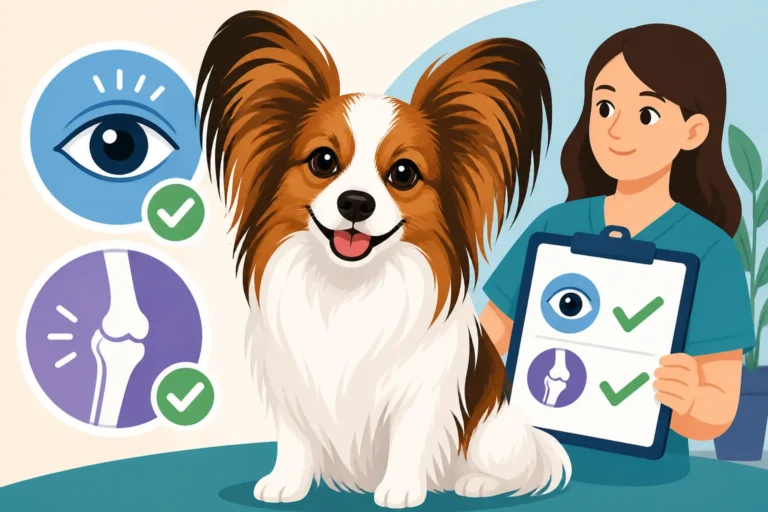
Patellar luxation can range from mild, requiring little intervention, to severe, needing surgical correction. Knee Surgery Is the Bill Most Papillon Owners Meet is a sobering read, but an important one, as it outlines the potential financial impact. Dental disease, while common in small breeds, is particularly prevalent in Papillons due to their small mouths and crowded teeth. Regular dental care, including professional cleanings under anesthesia, is essential but not inexpensive. Dental Work Over a Papillon's Long Life really highlights the lifetime commitment to their oral health. Other potential concerns, though less common, can include progressive retinal atrophy (PRA1) and occasional hypoglycemia in puppies. These aren't meant to scare you, but to inform you so you can plan effectively.
Smart Strategies for Saving on Everyday Papillon Expenses
Now that we've laid out the financial landscape, let's talk about how to navigate it without emptying your wallet. A tight budget doesn't mean your Papillon has to go without; it just means being a savvy, proactive owner.
Choosing Cost-Effective Food and Treats
Food is a recurring expense, and there are smart ways to manage it. Papillons are small, so they don't eat as much as a larger dog, which is already a win. When selecting kibble, look for quality ingredients at a reasonable price point. Sometimes, buying larger bags can offer a better per-pound cost, but make sure your Papillon will actually eat it before committing to a huge quantity. Brands like Chewy often offer bulk discounts or subscription services that can save you a few dollars each month, and they deliver right to your door, which saves on gas and impulse buys.
Consider making some of your Papillon's treats at home. Simple baked sweet potato slices, small bits of cooked chicken, or even plain cheerios (in moderation!) can be much cheaper and often healthier than store-bought options. Just be sure to research what human foods are safe for dogs. For more on what and how much they eat, check out What a Papillon Eats in a Month. A good diet contributes to overall health, potentially reducing vet bills in the long run.
DIY Grooming and Dental Care
Professional grooming isn't typically necessary for a Papillon beyond nail trims, but regular home care is paramount. Investing in a good quality pin brush, a metal comb, and a pair of blunt-tipped scissors (for sanitary trims and between their paw pads) will pay for itself many times over. Make it a routine: a few minutes of brushing every other day, focusing on the ears, tail, and 'culottes' (the feathering on their hind legs), will prevent mats. Mats are not just unsightly; they can be painful and lead to skin infections, requiring costly vet visits.
Dental care is another huge area for savings. Daily tooth brushing with dog-specific toothpaste is the gold standard for preventing tartar buildup. It takes dedication, but it's truly the best way to extend the life of their teeth and reduce the frequency and cost of professional dental cleanings. Start when they're puppies to get them used to it. While dental chews can help, they are not a substitute for brushing. Brushing a Papillon's Teeth in a Very Small Mouth offers practical advice on how to tackle this important task. Think of it this way: every minute spent brushing at home could save you hundreds or even thousands on vet bills down the line.
Smart Toy and Gear Choices
Papillons are often quite content with simple toys. They love to chase, so soft balls, small plush toys, and even crumpled paper can be a huge hit. You don't need to buy the most expensive, indestructible toys. Look for sales, consider making simple DIY toys (like a braided fleece tug toy), and rotate their existing toys to keep them novel and exciting.
For gear like leashes, harnesses, and beds, prioritize durability and safety over trends. A well-fitting harness is non-negotiable for a Papillon to protect their trachea. While a cheap harness might seem appealing, one that doesn't fit properly or isn't well-made could wear out quickly or even cause injury, leading to more expense. Look for sales at pet stores or online retailers. Sometimes, local pet supply swaps or online community groups can be great places to find gently used gear.
Preparing for the Unexpected: Health Costs and Budgeting
Even with the best preventative care, health issues can arise. This is where a tight budget can feel the most stretched, so proactive planning is absolutely essential.
The Role of Pet Insurance
Pet insurance can be a lifesaver for unexpected health emergencies. While it's an ongoing monthly expense, it can significantly reduce the financial burden of a major illness or accident. When considering insurance, be sure to read the fine print about waiting periods and what's covered, especially for breed-specific conditions like patellar luxation. Some policies might exclude pre-existing conditions, so it's often best to get insurance when your Papillon is young and healthy. Healthy Paws is one of many providers that offer various plans, so it's worth getting a few quotes to compare coverage and costs. Understand the deductible, reimbursement percentage, and annual limits. For more on this, you might find What Insurance Covers on a Papillon helpful.
It’s about balancing the monthly premium against the potential for a large, sudden vet bill. For many, the peace of mind is worth the investment.
Building an Emergency Fund
If pet insurance isn't feasible for your budget, or even as a supplement to it, building a dedicated emergency fund for your Papillon is a must. Even putting away a small amount each month – say, the equivalent of a few coffees – can accumulate surprisingly quickly. This fund can cover routine costs like annual vet check-ups, necessary vaccinations, or those unexpected minor ailments that don't quite hit an insurance deductible.
Think about a separate savings account labeled "Papillon Emergency Fund." Knowing you have a financial cushion can reduce stress when your furry friend needs urgent care. This fund can also cover costs like emergency boarding if you have an unexpected trip or a temporary situation that prevents you from caring for your dog yourself.
Maximizing Value: DIY Care and Community Resources
Beyond direct cost-cutting, there are many ways to maximize the value you get from your time and resources, often leveraging your community and your own skills.
Prioritizing Preventative Care
Preventative care is, without a doubt, the most effective long-term money-saver. This means regular vet check-ups, keeping vaccinations up to date, consistent parasite prevention, and daily dental care. A proactive approach to health can prevent small issues from becoming major, expensive problems. For example, maintaining a healthy weight for your Papillon is crucial for their joint health, especially concerning patellar luxation. Even a couple of extra ounces can put undue strain on those tiny knees.
Discuss with your vet what tests are genuinely necessary. While a full battery of tests might seem appealing, your vet can guide you on what's most relevant for your Papillon's age and health status. How Often a Papillon Needs a Wellness Exam dives deeper into the routine vet care you should consider.
Training and Socialization on a Budget
A well-trained and socialized Papillon is generally a safer, happier dog, and less likely to develop expensive behavioral problems. You don't need to spend a fortune on fancy trainers. Many communities offer affordable puppy classes or basic obedience courses through local humane societies or community centers. The Papillon is one of the smartest toy breeds, capable of learning incredibly fast. The Papillon Is the Smartest Toy Breed There Is highlights their intelligence, which means you can often teach them a lot yourself with consistent effort.
Leverage free online resources for training tips and techniques. YouTube channels, reputable dog training blogs, and breed club websites can provide a wealth of information. Focus on positive reinforcement methods, which are highly effective for Papillons and build a strong bond. Investing your time in training early can prevent issues like excessive barking or poor leash manners, which can be frustrating and sometimes require costly professional intervention later on.
Community and Resource Sharing
Don't underestimate the power of your local dog-owning community. Joining local Papillon groups or general dog owner forums can open up opportunities for resource sharing. Maybe a friend has a gently used crate their dog outgrew, or you can swap pet-sitting duties with another owner to save on boarding costs. Local Facebook groups often have members giving away pet items or sharing tips on affordable local vets or pet supply sales.
Consider things like:
| Expense Category | Potential High-Cost Option | Budget-Friendly Alternative |
|---|---|---|
| Food | Premium boutique brand, fresh-cooked services | Quality kibble (e.g., from Chewy), homemade toppers/treats |
| Grooming | Regular professional grooming for full services | DIY brushing, nail trims (learn from vet), occasional pro trim |
| Vet Care | Emergency room visits, advanced specialists | Pet insurance (e.g., Healthy Paws), emergency savings fund, preventative care |
| Toys | Expensive branded, "indestructible" toys | Simple, durable toys, DIY fleece tugs, rotating toy selection |
| Training | Private in-home trainer | Group classes (community centers), free online resources, consistent home training |
| Boarding | Luxury kennels | Pet-sitting exchange with trusted friends/family, in-home sitters |
Remember, a tight budget requires creativity and consistency, but it's absolutely possible to provide a loving, healthy home for your Papillon without feeling constant financial stress. The joy and companionship they bring are truly priceless.
Disclaimer
This article is for general informational purposes only and does not constitute professional advice. Laws, prices and regulations vary by location and change over time. Consult a qualified professional for guidance on your specific situation.