What Motivates a Papillon
It can be incredibly frustrating when you know your Papillon is smart – truly, exceptionally clever – but they just won't do what you're asking, leaving you wondering if they're being stubborn or simply bored. This comprehensive guide is here to unravel the mysteries of what truly motivates these enchanting little dogs, helping you tap into their eager minds and make training a joyful experience for both of you.
The Papillon's Keen Intellect and Independent Spirit
Papillons are often celebrated for their beauty, their delicate appearance, and those incredible butterfly ears. What many new owners don't realize until they bring one home is the sheer brainpower packed into that tiny frame. These aren't just pretty lapdogs; they are highly intelligent, inquisitive, and surprisingly independent thinkers.
More Than Just a Pretty Face: A Mind at Work
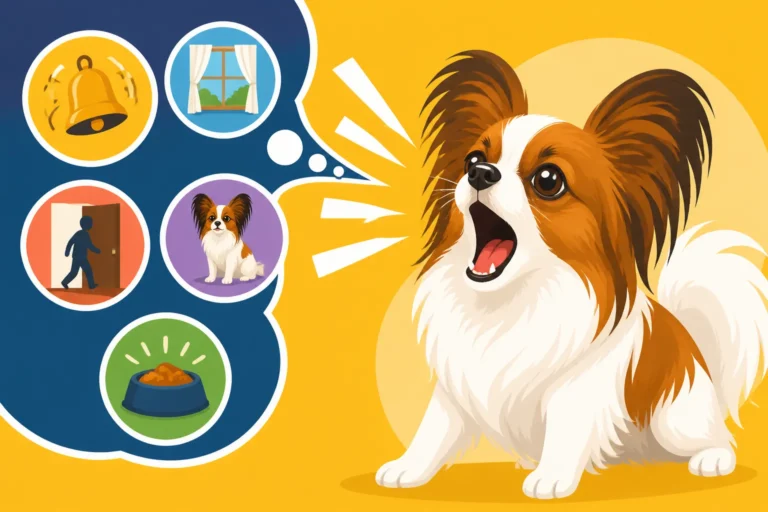
It's no exaggeration to say that Papillons are considered one of the smartest toy breeds, often ranking exceptionally high in general canine intelligence studies. This isn't just about learning tricks quickly – though they certainly excel at that, often picking up new commands in just a handful of repetitions. Their intelligence extends to problem-solving, understanding complex routines, and even observing and imitating behaviors. You might notice your Papillon watching you intently, trying to figure out how you open a cabinet or what makes the doorbell ring.
This sharp mind is a double-edged sword, however. While it makes them incredibly trainable and adaptable, it also means they can get bored very easily if not sufficiently challenged. A Papillon who appears "stubborn" or "disinterested" isn't necessarily being difficult; they might simply be under-stimulated, or they've decided that what you're asking isn't nearly as interesting as the dust bunny under the sofa. Owners often experience this particular frustration, feeling like their dog is deliberately ignoring them, when in reality, their dog just needs a more compelling reason to engage. For more on their smarts, check out The Papillon Is the Smartest Toy Breed There Is.
The Independent Streak: When Cooperation is a Choice
Despite their desire for human companionship, Papillons also possess a surprising degree of independence. They're not generally known for being clingy or overly needy, often happy to entertain themselves, explore their surroundings, or observe the world from a comfortable perch. This independence means they evaluate situations and tasks rather than just blindly obeying. They're not always driven by an overwhelming desire to please in the way some other breeds are; instead, they often operate on a "what's in it for me?" basis.
This isn't to say they're self-serving or uncaring, far from it. It simply means that for optimal motivation, you need to present an offer that's genuinely appealing to them. If the reward isn't worth the effort, a Papillon is quite capable of shrugging (metaphorically speaking!) and moving on to something more engaging. Understanding this independent streak is crucial for effective training. It teaches us to be creative with our rewards and to make training a collaborative, mutually beneficial activity, rather than a demanding one. This breed truly thrives when they feel like an active participant, not just a recipient of commands.
Harnessing the Power of Positive Reinforcement
Given their intelligence and sensitive nature, positive reinforcement is not just a preference for Papillons; it's practically a necessity. Forget harsh corrections or stern reprimands; these methods will quickly extinguish their spark and erode the trusting bond you're trying to build.
Why Harshness Backfires with a Papillon
A Papillon is a small dog with a big heart and a keen sensitivity to human emotion. They are not built for rough handling or loud, intimidating corrections. If you try to force a Papillon into compliance with harsh words or physical reprimands, you'll find they don't respond by trying harder. Instead, they often shut down completely, becoming fearful, withdrawn, or even developing anxiety around training. They might learn to avoid you or the training situation altogether.
It's a common misconception that "being soft" on a small dog leads to a spoiled or unruly pet. With a Papillon, being kind and clear leads to a cooperative, confident companion. Negative reinforcement or punishment simply teaches them to fear making mistakes, which is counterproductive to learning. They might stop offering behaviors at all, out of fear of getting it wrong. The aim is to build confidence, not chip away at it. For more insight into their reactions, you might find How a Papillon Responds to Correction helpful.
Building a Foundation of Trust and Joy
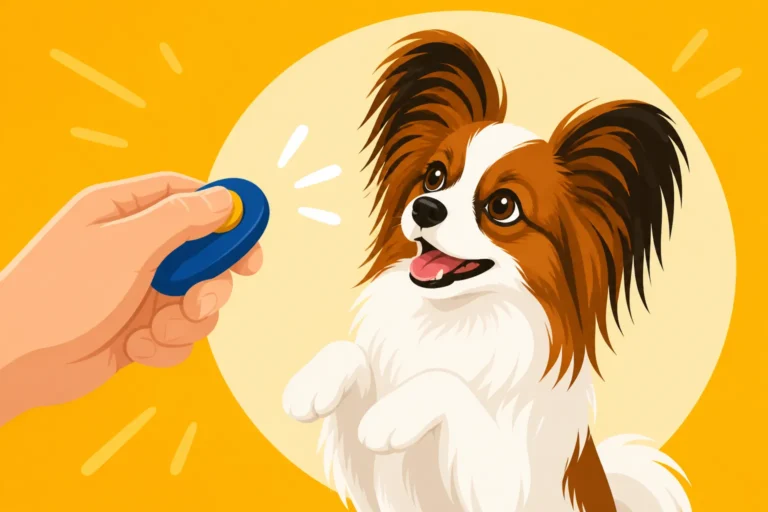
Positive reinforcement, on the other hand, makes training a fun game where everyone wins. When a Papillon knows that performing a desired behavior leads to something good – a tasty treat, a favorite toy, a joyful praise session – they become eager participants. This method focuses on rewarding the behaviors you want to see, rather than punishing the ones you don't. This builds immense trust between you and your dog, as they learn that interacting with you is consistently a positive experience.
Imagine a game where every time you get it right, you get a prize. You'd probably be pretty excited to play, wouldn't you? That's exactly how a Papillon feels about positive reinforcement training. It turns learning into a joyful interaction, strengthening your bond and making them a willing partner in all your adventures. This foundation of trust is especially important for a dog as intelligent and sensitive as the Papillon, allowing their natural curiosity and desire to engage to flourish without fear.
Discovering Their Preferred Rewards
Knowing how to motivate is one thing, but knowing what motivates your specific Papillon is key. While some general preferences exist within the breed, individual dogs will have their own unique favorites. Experimentation is your best friend here!
The Irresistible Lure of High-Value Treats
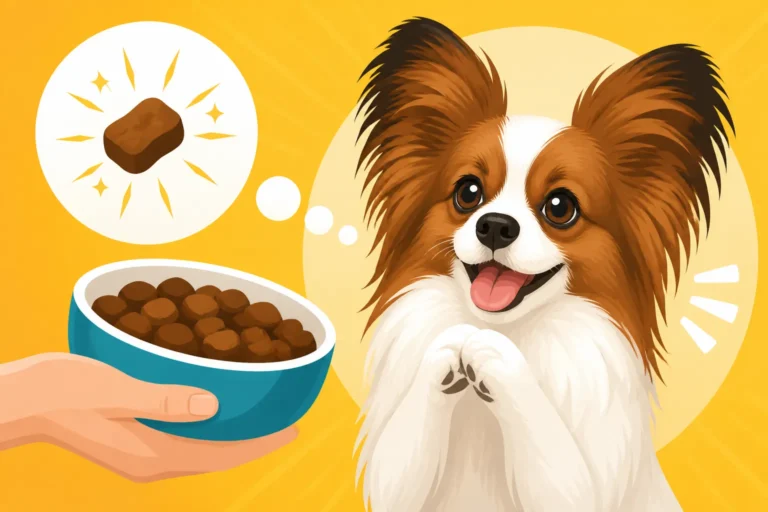
Most Papillons are, to put it mildly, foodies. They often have a discerning palate and are highly motivated by high-value treats. However, not all treats are created equal in their eyes. That dry, crunchy biscuit might be okay for everyday rewards, but for serious training, especially when learning something new or working in a distracting environment, you'll need to level up. Think soft, smelly, and easily digestible morsels.
Examples of high-value treats often include small pieces of cooked chicken, cheese, hot dogs, or commercially available soft training treats. The key is small, pea-sized pieces that they can swallow quickly without losing focus. The higher the value of the treat, the more a Papillon is likely to engage, even if they were previously distracted. A "jackpot" reward – a handful of treats all at once – can be incredibly motivating for a particularly good effort or a breakthrough moment. Remember to adjust their meal portions accordingly on training days to avoid unnecessary weight gain. For specific ideas, consider Which Rewards a Papillon Works For.
Toy Power and Play Drive
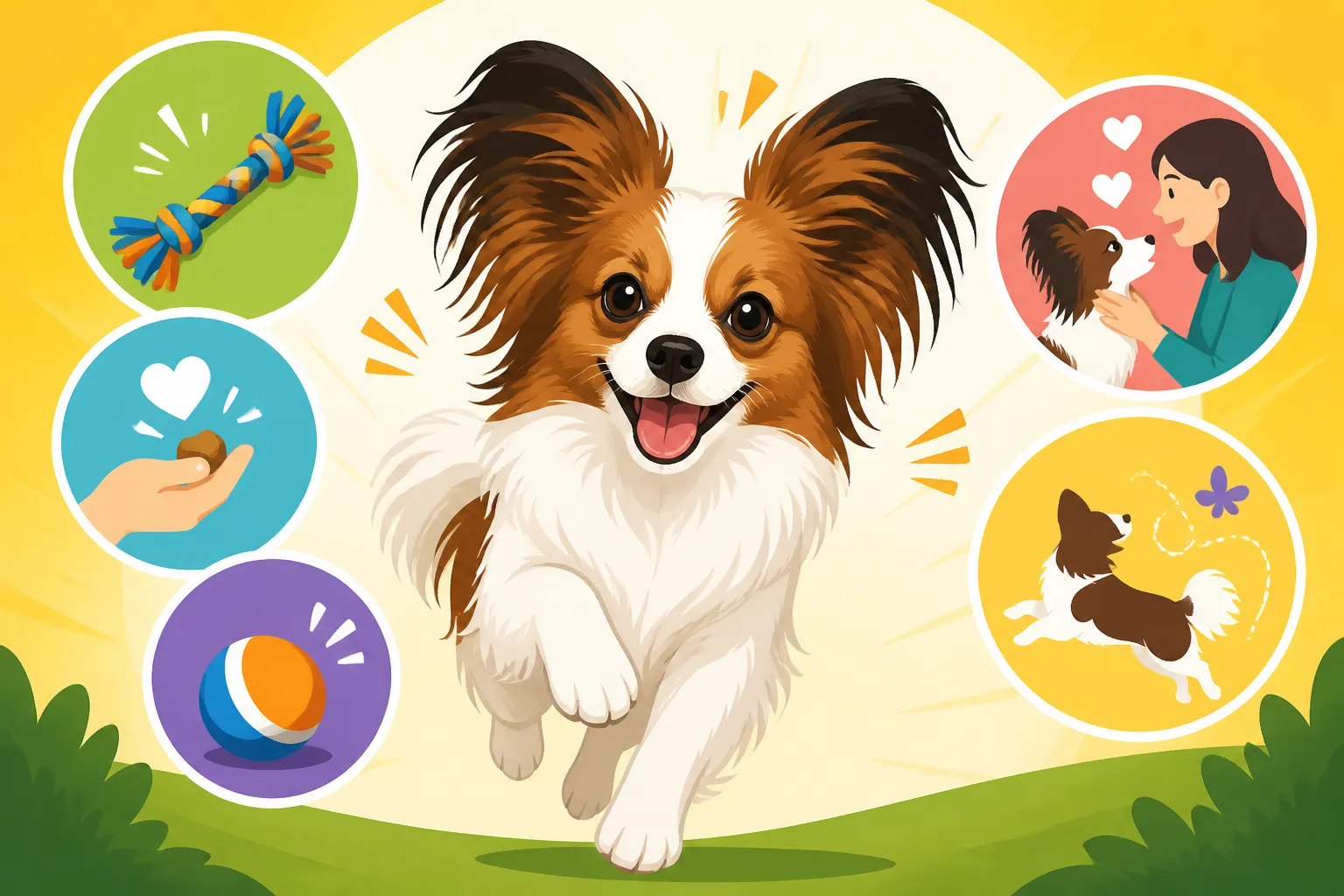
While food is a strong motivator, many Papillons also have a wonderful play drive and can be motivated by toys. This might be a tiny squeaky toy, a soft plush animal they love to "kill," or a small tug toy. The trick is to find their preferred type of toy and use it strategically. Interactive play, where you are engaged with the toy, is often far more motivating than just handing them a toy.
Tug games, for instance, can be an excellent reward for a Papillon who loves to mouth and pull. A quick game of fetch with a tiny ball can also get their tails wagging and their minds engaged. Toys can be especially useful when you're training a trick that requires movement or enthusiasm, like a recall or an agility obstacle. Make the toy a special reward that only comes out during training sessions, increasing its value and novelty. Just be mindful that Papillons can be prone to dental issues, so ensure tug toys are soft and don't encourage aggressive chewing that could damage teeth.
Praise, Affection, and Connection
Never underestimate the power of your voice and touch with a Papillon. These dogs thrive on human connection and often view praise and affection as highly rewarding. A genuine, happy "Good dog!" delivered with an enthusiastic tone, followed by a gentle scratch behind the ears or a tummy rub, can be just as effective as a treat, especially for behaviors they already know well.
This type of motivation is essential for maintaining the joy in training. It reinforces your bond and teaches them that pleasing you brings its own intrinsic reward. For some Papillons, especially those who are particularly bonded to their human, your approval can be the highest reward of all. Combine verbal praise and gentle petting with other motivators to create a holistic reward system that speaks directly to their desire for connection and partnership. How a Papillon Shows Affection reveals just how important that bond is to them.
| Motivator Type | Description | Pros for Papillons | Cons for Papillons | Best Use Case |
|---|---|---|---|---|
| High-Value Treats | Small, soft, smelly food items (cooked chicken, cheese, hot dogs, commercial treats). | High initial engagement, quick consumption, easy for complex behaviors. | Can lead to weight gain if not managed, some Paps might get picky. | New skill acquisition, high-distraction environments, proofing. |
| Favorite Toys | Squeaky toys, small tug toys, soft fetch balls. | Taps into play drive, good for active rewards, builds engagement. | Might be too distracting for some, not all Paps are equally toy motivated. | Agility, recall, capturing energetic behaviors. |
| Verbal Praise | Enthusiastic "Good dog!", "Yes!", happy tone of voice. | Always available, strengthens bond, reinforces desired behavior. | Less effective as a primary motivator for new/difficult tasks. | Maintenance of known behaviors, combining with other rewards. |
| Physical Affection | Gentle petting, ear scratches, tummy rubs. | Deepens connection, comforting, intrinsic reward for many Paps. | Can be distracting if overdone, not all Paps enjoy constant touching. | After successful completion, calming moments, bonding. |
Tailoring Motivation to Your Unique Papillon
While general truths exist about Papillon motivation, it's crucial to remember that each dog is an individual. What sets one Papillon's tail wagging might leave another utterly unimpressed. Becoming a keen observer of your own dog's preferences is the ultimate key to success.
The Individual Personality Factor
Just like people, Papillons have distinct personalities. You might have a Papillon who lives for their kibble, ready to perform any trick for a tasty morsel. Another might turn up their nose at food but go absolutely wild for a game of fetch with their favorite mini-tennis ball. Then there are the Paps who are primarily motivated by attention, relishing every moment of praise and interaction with their beloved human.
It's your job to play detective. What does your Papillon really light up for? Is it chasing after a tossed treat, tugging on a fleece braid, or simply getting showered with happy chatter and ear scratches? Don't be afraid to experiment with different types of rewards until you hit on the combination that truly resonates with your dog. What works for your friend's Papillon might not work for yours, and that's perfectly okay. This personalized approach is what builds a strong, communicative relationship.
The Environment Matters: Context is Everything
A reward that works wonders in your quiet living room might completely lose its appeal at a bustling dog park or a noisy agility trial. The environment plays a huge role in your Papillon's motivation levels. High-distraction environments often require higher-value rewards to capture and maintain their focus. A plain kibble might be fine for a simple "sit" at home, but at a trial, you might need bits of cheese or chicken to get that same "sit" amidst all the exciting smells and sounds.
Conversely, sometimes the environment itself can be a motivator. A Papillon who loves exploring might be rewarded by simply being allowed to sniff around a new patch of grass after performing a command. Learning to gauge the level of distraction and adjusting your motivators accordingly is a vital skill for any Papillon owner. It shows them that you understand their world and are willing to meet them where they are.
Age and Stage of Life: Evolving Motivations
A Papillon's motivations aren't static; they can change throughout their life. A bouncy, food-crazed puppy might mature into an adult who values quiet cuddle time or a specific type of interactive game more.
Young puppies are often motivated by almost anything, especially novelty and taste. They're sponges for new experiences. As they get older, their preferences might become more refined. An adolescent Papillon might be driven by the desire to play with other dogs, while a senior Papillon might prefer softer treats, gentle praise, or comfortable napping spots as rewards. For an older dog, even a short, slow walk might be a high-value reward. The Age a Papillon Is Considered Senior elaborates on the changes that come with age. Always be ready to adapt your approach to match their current needs and desires. Regular observation and checking in with your dog will keep your training relevant and enjoyable for them, no matter their age.
Beyond Treats: The Drive for Engagement and Purpose
While treats and toys are excellent tools, a Papillon's motivation runs deeper. These intelligent little dogs need mental stimulation and a sense of purpose to truly thrive and remain engaged in life.
Mental Stimulation as a Motivator
A bored Papillon is an unmotivated Papillon. Their sharp minds crave challenges, and simply providing physical exercise isn't always enough. Mental stimulation acts as a powerful motivator, keeping them sharp, happy, and less prone to destructive behaviors born out of boredom. Puzzle toys, for instance, where they have to figure out how to get a treat, can be incredibly engaging. You can find a wide variety of these on platforms like Amazon, from beginner-friendly snuffle mats to more advanced interactive feeders.
Scent work is another fantastic way to tap into their natural instincts and provide mental enrichment. Even hiding treats around the house and encouraging them to "find it" can be a rewarding game. Teaching them new tricks, beyond basic obedience, also exercises their brain. A Papillon who is mentally challenged is a happier, more motivated companion, eager to learn and engage with you. This constant mental exercise also prevents them from inventing their own games – which might involve chewing your shoes or barking at the neighbor's cat! Dive deeper into this topic with What Mental Work a Papillon Needs.
The Thrill of the Chase: Agility and Other Sports
Don't let their small size fool you; many Papillons are incredibly athletic and excel in dog sports. Agility, in particular, is a perfect outlet for their intelligence, speed, and eagerness to please. The thrill of navigating an obstacle course, working in tandem with their handler, is a huge motivator for many Papillons. It's a sport where their natural attributes – light-footedness, quick thinking, and a surprising turn of speed – shine.
Participating in sports like agility provides an immense sense of purpose and deeply satisfies their desire for activity and engagement. It's not just about winning; it's about the sheer joy of the activity itself and the bond it builds. If you're new to dog sports, many online programs, such as those offered by BAXTER & Bella, can help you lay the foundation for agility skills right at home, even before you step foot in a class. This allows you to gradually introduce them to the exciting world of dog sports. Find out more about starting this journey in Starting a Papillon in Agility. Beyond agility, Papillons can also enjoy rally obedience, canine freestyle, and even disc dog (with appropriately sized discs!).
The Joy of Partnership: An Intrinsic Drive
At the heart of a Papillon's motivation often lies the simple, profound joy of partnership with their human. They are companion dogs, bred for centuries to be cherished members of the family. While external motivators like treats and toys are important, the strongest, most enduring motivation for many Papillons is the positive interaction, communication, and shared experience with their person.
This intrinsic motivation means they genuinely enjoy being with you, learning from you, and doing things alongside you. When training feels like a collaboration, a conversation, and a fun activity you do together, their engagement skyrockets. This deep bond is cultivated through consistency, patience, and a constant effort to understand and meet their needs. It's about recognizing that they are not just pets, but intelligent, feeling beings who crave connection and purpose within your shared life. Ultimately, you are their biggest motivator.
When Motivation Seems to Wane: Troubleshooting Tips
Even the most enthusiastic Papillon might have days where their motivation seems to drop. When this happens, it's not a cause for despair, but rather a cue to investigate. A sudden lack of interest is often a signal, and understanding that signal is crucial.
Rule Out Health Issues First
One of the most important things to do if your Papillon suddenly loses interest in things they usually love is to rule out any underlying health issues. Dogs, especially small ones, are masters at hiding pain or discomfort. A subtle ache, dental pain, or even feeling a bit "off" can manifest as a lack of motivation. They might seem less eager to play, slower to respond to commands, or simply not as interested in food as they once were.
A visit to your veterinarian for a check-up is always the first step. Explain exactly what changes you've observed in their behavior and motivation. A clean bill of health gives you peace of mind and allows you to look for other reasons for their disinterest. Never assume it's just "stubbornness" until you've confirmed they're feeling physically well. Papillons are quite stoic when it comes to pain, making it even more important to be vigilant. You might also want to read How a Papillon Hides Pain for more on this topic.
Re-evaluating Your Rewards: Are They Still High-Value?
Sometimes, the problem isn't with your Papillon, but with your reward system. We all get into habits, and sometimes our go-to treats or praise become predictable and, dare I say, a little boring. What was once a high-value treat might now be just "okay" to your discerning Papillon.
Take a step back and honestly assess your rewards. Are you still using those tiny, boring kibbles when your Papillon secretly dreams of chicken? Are you delivering your praise with genuine enthusiasm, or has it become a rote "good boy" without much feeling? Try rotating your treats, introducing new, exciting options, or upping the ante with your praise and play. Make the reward truly irresistible again. This might mean finding a new brand of soft training treats on Amazon or dedicating time to a vigorous game of tug. A little novelty can go a long way in rekindling enthusiasm.
Changing Up the Routine: Sparking New Interest
Boredom can be a huge motivation killer for an intelligent breed like the Papillon. If your training sessions always happen in the same place, at the same time, doing the same exercises, your Papillon might simply be checked out. Variety is the spice of life, and that applies to your dog's routine too!
Try taking your training to a new location – a quiet park, a friend's yard, or even just a different room in your house. Introduce new tricks or games, or revisit old ones in a fresh way. Sometimes, simply changing the order of known commands can make it feel new again. Consider enrolling in a new class, like a beginner scent work course, to give both of you a fresh challenge. Even short, varied training bursts throughout the day can be more engaging than one long, monotonous session. Keep things fresh, fun, and unpredictable, and you'll often find your Papillon's motivation returns with gusto. For ideas on what a typical day looks like, consult What a Papillon Does All Day.
Disclaimer
This article is for general informational purposes only and does not constitute professional advice. Laws, prices and regulations vary by location and change over time. Consult a qualified professional for guidance on your specific situation.