Whether a Papillon Can Do Rally
It's a common misconception that Papillons are just delicate lap warmers, perfectly content to recline on a silk cushion and be admired. If you've ever owned one, you know the truth: these tiny dogs are bundles of boundless energy, whip-smart, and often possess a drive that rivals breeds twice their size. If you've been wondering whether your spirited Papillon could actually thrive in a dog sport like Rally obedience, let me assure you – they absolutely can, and often with flying colors. This guide will walk you through why Rally is a fantastic fit for the Papillon and how to get started, helping you unleash your little butterfly's full potential.
What Even Is Rally Obedience?
When people hear "obedience," they often picture a stern trainer, a perfectly still dog, and a very formal atmosphere. Traditional obedience trials can be like that, but Rally obedience is a whole different ballgame. It's designed to be more engaging, more dynamic, and frankly, a lot more fun for both dog and handler.
More Than Just Sitting Pretty
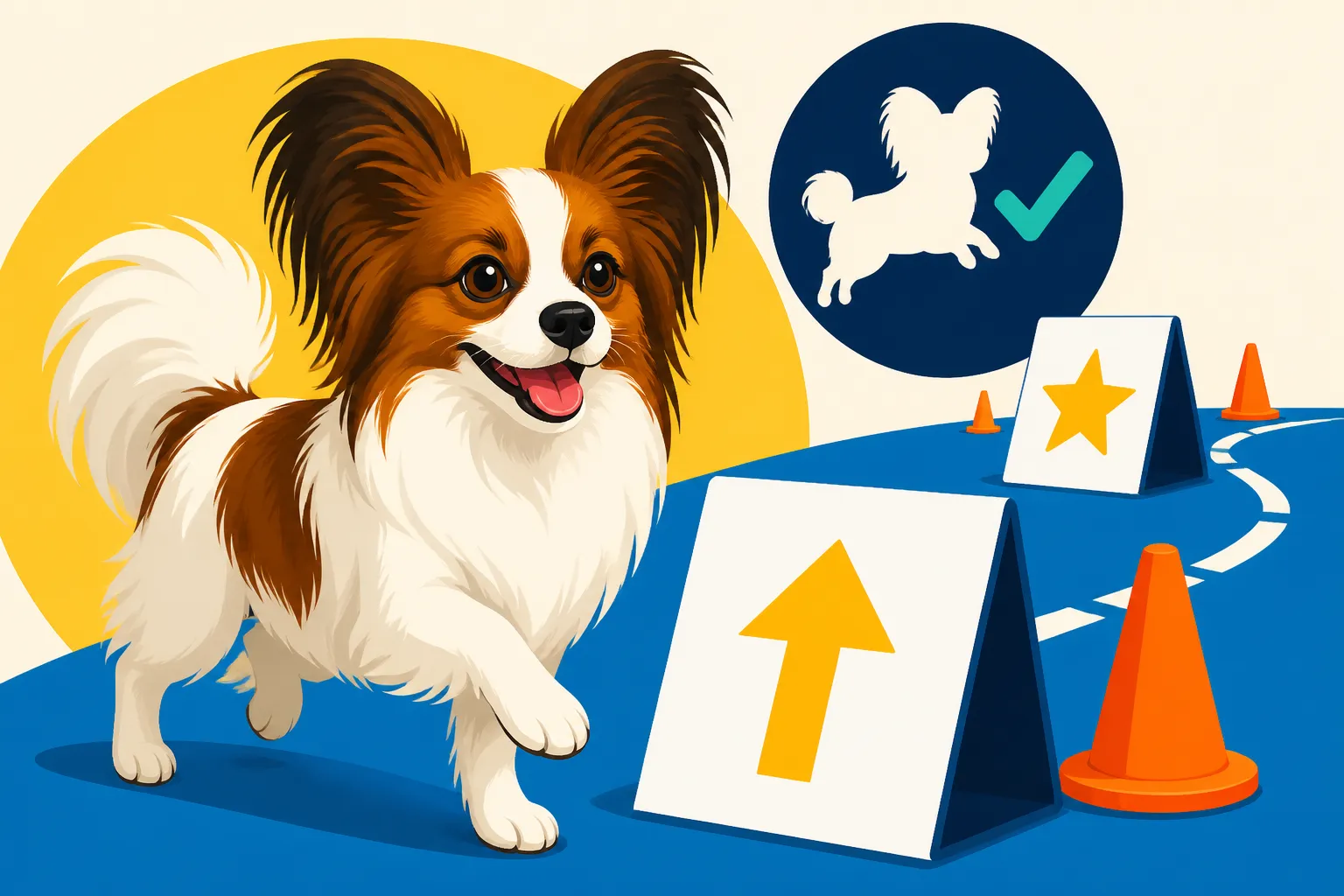
Imagine a course laid out in a ring, not with jumps or tunnels like agility, but with numbered signs strategically placed along a path. Each sign gives you and your dog a specific command to perform, like "Sit-Stay-Down," "Spiral Left," or "Send Over Jump" (though jumps are optional and very low for small dogs like Papillons). You move fluidly from one station to the next, performing the exercises as instructed.
What makes Rally so different and appealing, especially for a breed like the Papillon, is the handler's ability to communicate with their dog throughout the course. Unlike traditional obedience where silence and minimal cues are often preferred, in Rally, you can talk to your dog, praise them, encourage them, and even repeat commands. It’s about teamwork and a joyful, flowing performance. This constant interaction keeps the dog engaged and makes the experience less about robotic precision and more about a harmonious partnership. It's less like a military drill and more like a dance, with you guiding your partner through a series of fun moves.
The Skill Set Required
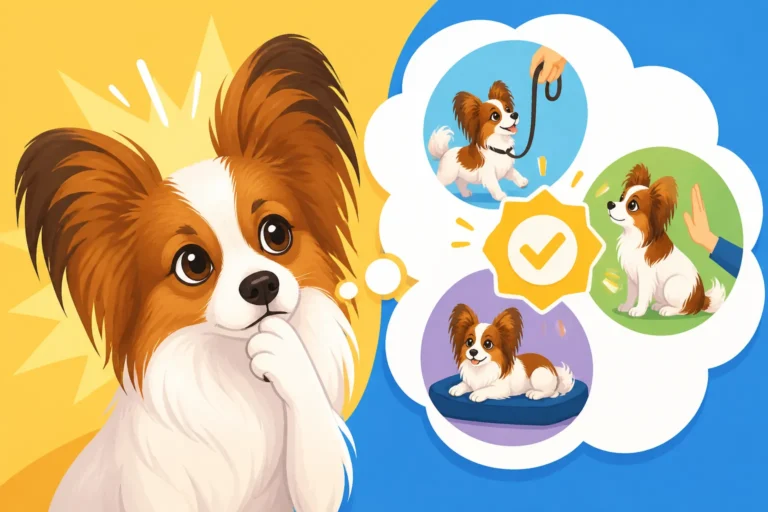
While Rally is more relaxed than traditional obedience, it certainly isn't a free-for-all. It requires a solid foundation of basic obedience commands, but it takes them to the next level. Think of it as putting together a complex puzzle using pieces you already know. Your Papillon needs to understand cues like "sit," "stay," "down," and "come," and be able to heel reliably on a leash.
Beyond these basics, Rally challenges your dog to perform commands in sequence and adapt to new situations presented by the signs. For example, a sign might ask your dog to "Walk Around Dog" (a stationary prop dog) or "Call Front, Finish Right." This means your Papillon needs to maintain focus, understand your directional cues, and execute them with enthusiasm. The beauty is that the allowed encouragement means you're actively coaching your dog through the course, building their confidence with every successful station. It’s a wonderful way to deepen your bond and teach your dog to really listen and respond in a dynamic environment, rather than just in your quiet living room.
Why the Papillon is a Rally Rockstar (Yes, Really!)
If you've spent any time around Papillons, you already know they're far from delicate. These little dogs pack a huge personality and a surprising amount of drive into their tiny frames. Rally obedience plays directly into many of their inherent strengths, making them incredibly successful competitors.
Brains and Brawn (in a Small Package)
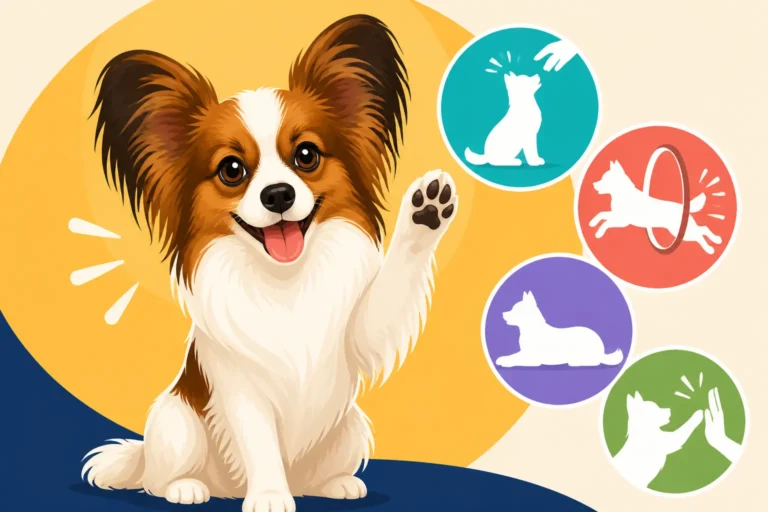
Let's be real: Papillons are incredibly intelligent. They consistently rank high on lists of canine intelligence, often surprising people who only see their elegant appearance. This isn't just anecdotal; they are known for their ability to pick up new commands with very few repetitions. This sharp mind is a huge asset in Rally, where dogs need to quickly understand and execute a variety of commands in sequence. They genuinely enjoy the mental challenge that Rally presents, soaking up new skills like little sponges. When you watch a well-trained Papillon on a Rally course, you're not just seeing a pretty dog; you're witnessing canine brilliance at work.
Beyond their mental prowess, Papillons are also surprisingly athletic and agile. They might be small, but they move with grace and speed, making quick turns and precise movements look effortless. This natural athleticism, combined with their eager-to-please nature, means they're not just capable of the physical demands of Rally; they often excel at it. They love having a job to do, and Rally provides that perfect outlet for both their brains and their brawn. Forget the stereotype of a fragile lap dog; a Papillon on a Rally course is a focused, intelligent, and nimble athlete. The Papillon Is the Smartest Toy Breed There Is perfectly describes their inherent intelligence.
The Motivation Factor
What truly sets a successful Rally dog apart isn't just its ability to perform commands, but its desire to do so. Papillons are generally highly motivated dogs, and they thrive on interaction with their humans. Whether it's a tasty treat, a favorite squeaky toy, or just enthusiastic verbal praise, they love to work for their people. Rally's format, which encourages constant communication and positive reinforcement from the handler, aligns perfectly with a Papillon's need for engagement.
They don't just go through the motions; they actively participate and enjoy the collaborative effort. This shared experience deepens the bond between you and your dog, making the training and competing even more rewarding. They are naturally attentive to their handlers and eager to please, which means they are often watching for your next cue and responding with joyful enthusiasm. What Motivates a Papillon explores this in more detail, highlighting their desire for connection and positive feedback.
Size as an Advantage
While some people might initially think a small dog is at a disadvantage in dog sports, in Rally, a Papillon's size can actually be a huge benefit. For starters, they are incredibly easy to transport. You can often carry your Papillon to and from the ring, or comfortably keep them in a crate ringside without taking up much space. This makes trial days less physically taxing for the handler.
Furthermore, their small size often translates to incredible agility and quickness. They can navigate tight turns on a course with ease and adjust their stride quickly, which can be an advantage when executing specific maneuvers. They also put less physical strain on their handlers during heeling and other exercises. Plus, let's be honest, there's something incredibly charming and impressive about watching a tiny Papillon command the ring with confidence and skill, often outperforming much larger breeds. They definitely don't have A Papillon Has No Idea It Is Small.
Getting Started with Rally for Your Papillon
Ready to embark on this exciting journey with your Papillon? Great! Like any dog sport, Rally requires a foundation of training and a bit of equipment, but the good news is that much of it can start right at home.
Building the Foundation at Home
Before you even think about stepping foot in a Rally class, you'll want to ensure your Papillon has a solid grasp of basic obedience. This includes a reliable "sit," "down," "stay," and a loose-leash heel. Start with short, fun training sessions, no more than 5-10 minutes, several times a day. Papillons are smart, but they can get bored with endless repetitions, so keep it engaging! Use high-value treats and enthusiastic praise to reward their efforts. Consistency is key, so practice in various environments once they've mastered a command in a quiet setting.
Online resources can be incredibly helpful for beginners. Programs like BAXTER & Bella offer comprehensive online training courses that guide you through puppy basics, adolescent challenges, and even advanced skills. These platforms can provide structure and support, helping you build a strong foundation with your Papillon before you even step into a group class. Remember, the goal is to make training a positive and enjoyable experience, fostering that strong working relationship that is so crucial for Rally success. When to Start Training a Papillon Puppy is a great resource for understanding foundational training.
Finding a Class and What to Expect
Once your Papillon has a good grasp of the basics, it's time to find a local Rally obedience class. Look for training clubs or private instructors who specialize in positive reinforcement methods. A good beginner Rally class will introduce you to the different signs, teach you how to interpret them, and guide you through performing short sequences. It's a fantastic environment for both you and your dog to learn, build confidence, and get accustomed to working around other dogs and people without the pressure of a formal competition.
These classes also offer invaluable opportunities for socialization. Your Papillon will learn to focus on you even with other dogs and exciting smells nearby – a critical skill for trial success. The instructors can help you troubleshoot any challenges you might encounter and provide personalized feedback. Don't be shy about observing a class or two before committing; you want to find an environment where both you and your Papillon feel comfortable and encouraged.
Essential Gear for Your Rally Journey
You don't need a lot of fancy equipment to get started in Rally, but a few key items will make your training more effective and comfortable for your Papillon.
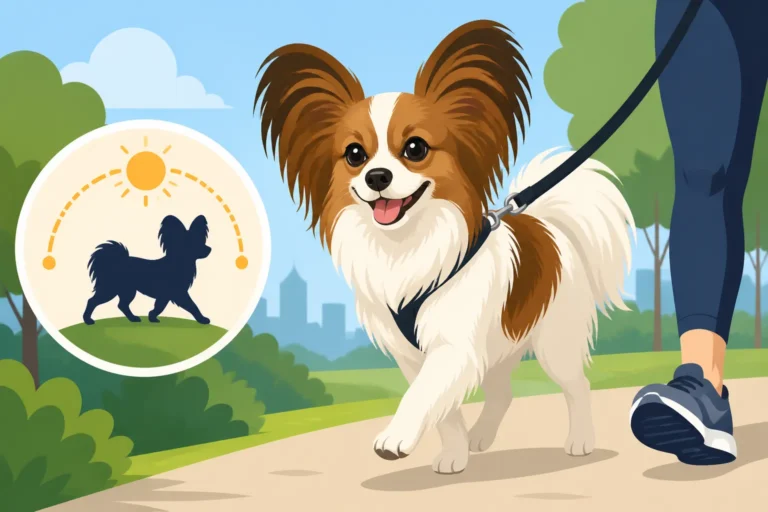
First and foremost, you'll need a good quality leash and collar or harness. For Papillons, many handlers prefer a comfortable, well-fitting harness rather than a collar, especially if your dog tends to pull or you have any concerns about their delicate trachea. A harness distributes pressure more evenly across the chest, which can be a relief for a small dog. You can find a wide variety of excellent options on Amazon, designed for comfort and durability. Whether a Papillon Should Wear a Harness Instead of a Collar provides more context on this choice.
Next, high-value treats are non-negotiable. Papillons are often highly food-motivated, so small, soft, irresistible treats will be your best friend. Think tiny pieces of cooked chicken, cheese, or specialized training treats. Experiment to find what truly excites your dog. Finally, consider a small treat pouch that clips to your belt or pocket. This keeps treats readily accessible and minimizes fumbling, allowing for quick rewards during training sessions.
| Item | Description | Why it's Important for Rally |
|---|---|---|
| Comfortable Harness | Distributes pressure evenly, avoids neck strain. | Protects delicate trachea, promotes comfortable heeling and movement. |
| 6-foot Leash | Standard length for training and competition. | Allows for proper heeling distance and control. |
| High-Value Treats | Small, soft, and irresistible rewards. | Essential for motivation, quick reinforcement, and maintaining focus. |
| Treat Pouch | Keeps treats readily accessible. | Enables quick rewards, preventing delays that break focus. |
| Clicker (Optional) | For precise marking of desired behaviors. | Can enhance clarity in training, especially for complex maneuvers. |
Common Challenges and How to Overcome Them
While Papillons are fantastic Rally candidates, like all breeds, they come with their own unique traits and potential hurdles. Knowing what to expect and how to address these challenges will set you up for greater success and enjoyment.
The Barking Papillon
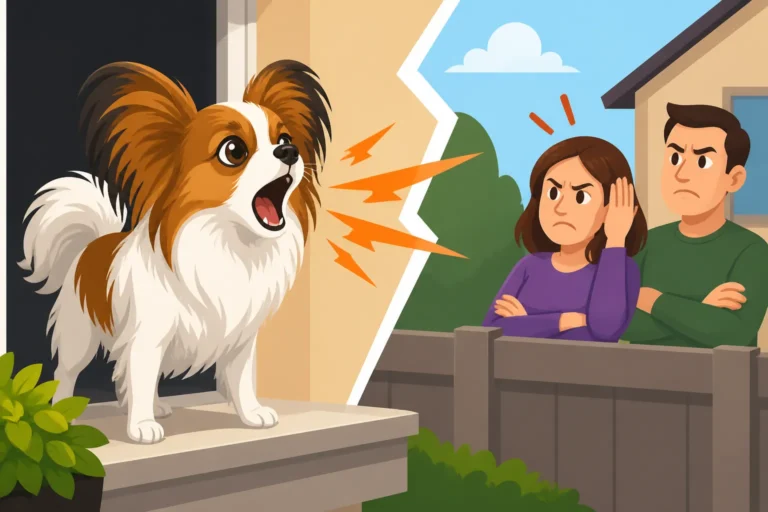
It’s no secret that many Papillons can be quite vocal. Their alert nature means they often perceive every new sound or sight as something worthy of comment, which can translate into barking during a Rally class or trial. While a little excited chatter is usually tolerated in Rally, excessive barking can be distracting to other teams and might even incur penalties depending on the organization's rules. What a Papillon Barks At gives a good overview of their vocal tendencies.
The key to managing barking is to understand its root cause. Is it excitement? Anxiety? Alertness? Once you identify the trigger, you can work on counter-conditioning and training a "quiet" cue. Practice in increasingly distracting environments, rewarding your Papillon for being calm and quiet. Sometimes, giving them a specific job to do, like a focused heel, can redirect their energy away from barking. Consistent training and managing their environment can help significantly reduce unwanted vocalizations, allowing their talent to shine through.
Maintaining Focus Amid Distractions
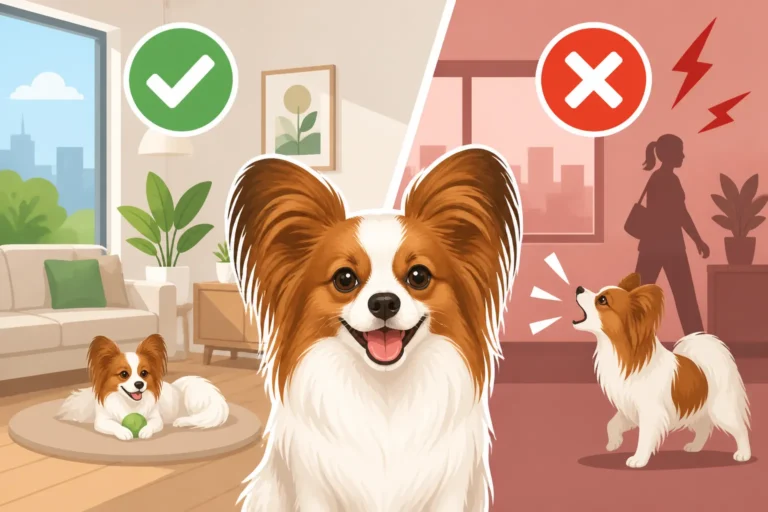
Rally trials are busy places. There are other dogs, unfamiliar people, new smells, and lots of activity. For a small dog like a Papillon, this can be overwhelming, and it can be a challenge to keep their focus squarely on you. They are naturally curious and observant, which means their attention can easily be pulled away by a passing dog or an interesting scent on the ground.
To overcome this, you need to practice "proofing" your commands. This means gradually exposing your Papillon to more and more distractions while still expecting them to perform. Start in your backyard, then move to a quiet park, then a busier park, and eventually to training classes where other dogs are present. Use your highest-value rewards in these distracting environments. Make training a game, full of variety and unexpected fun, so your Papillon wants to stay engaged with you, no matter what else is happening around them. The stronger your bond and the more rewarding your interactions, the more your Papillon will choose to focus on you.
Physical Health Considerations
Papillons are generally a healthy breed with a long lifespan, but like all dogs, they have certain predispositions. One concern sometimes raised with active Papillons is patellar luxation, where the kneecap slips out of place. While many Papillons live full, active lives without issue, it's always wise to ensure your dog is physically sound before embarking on a new sport. Your veterinarian can assess your Papillon's joints and provide guidance. A Papillon with healthy knees or even a mild, non-painful luxation might still enjoy Rally, as it's not as high-impact as agility. However, more severe cases might require careful management or even surgical intervention. What Patellar Luxation Does to a Papillon offers detailed information on this condition.
Another common health consideration for Papillons, due to their small jaws, is dental health. While this doesn't directly impact their ability to perform Rally, it's a critical part of their overall well-being and can affect their comfort and energy levels. Regular dental care, including brushing at home and professional cleanings as needed, is essential. The Teeth in a Papillon's Small Jaw emphasizes the importance of consistent dental hygiene. Always consult with your vet about any health concerns and ensure your Papillon is in good condition to participate safely and happily in Rally. Whether a Papillon's Knees Limit Agility is also relevant here; Rally is generally less strenuous than agility, but a good vet check is always prudent.
Disclaimer
This article is for general informational purposes only and does not constitute professional advice. Laws, prices and regulations vary by location and change over time. Consult a qualified professional for guidance on your specific situation.