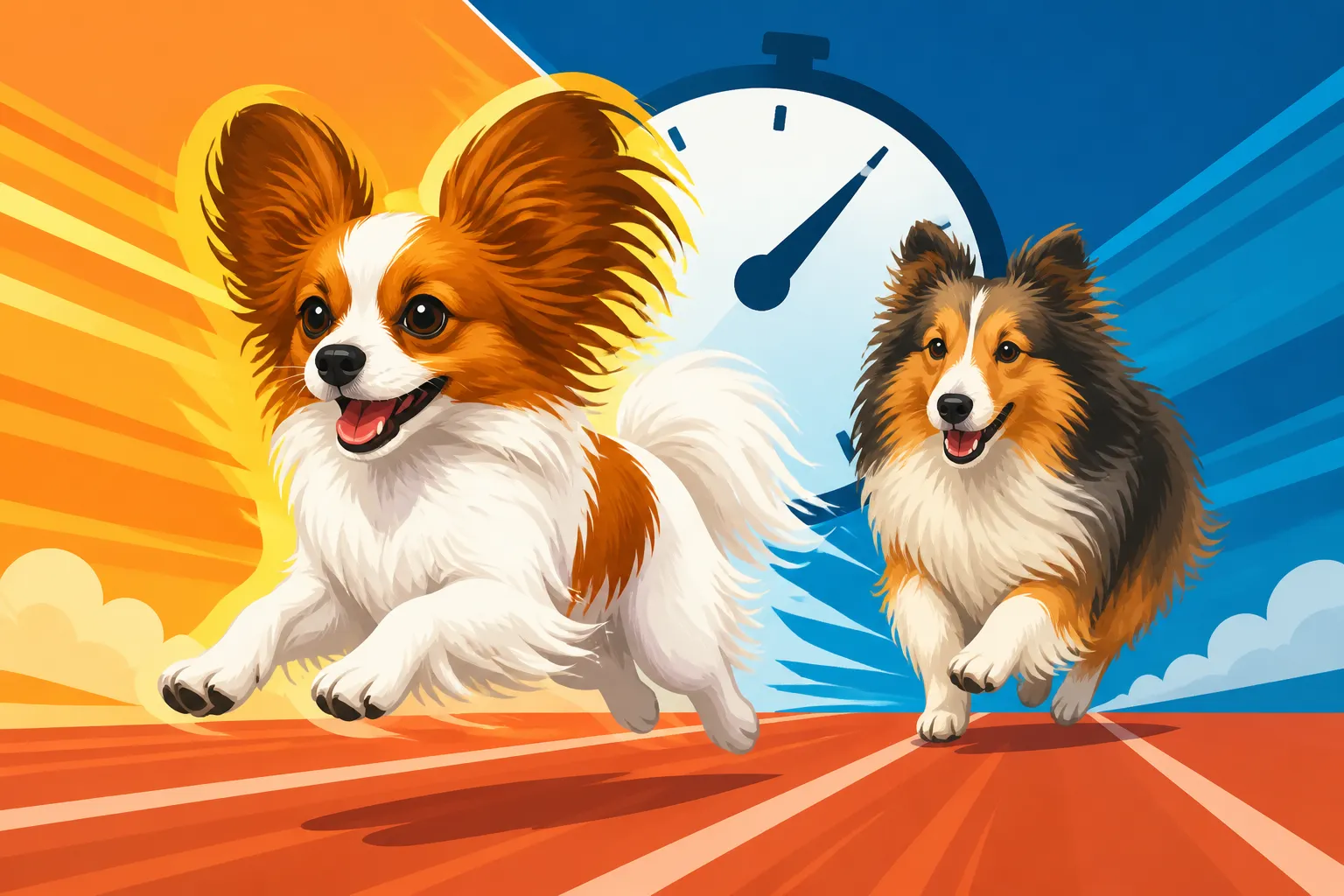
Whether a Papillon Beats a Sheltie on Time
When you're standing ringside at an agility trial, watching those dogs fly, it's easy to get caught up in the blur of speed and precision. Many folks wonder if a tiny, elegant Papillon, with all its grace and quickness, can truly hold its own on the stopwatch against a more traditionally athletic, larger breed like the Shetland Sheepdog (Sheltie). It’s a great question, full of the kind of competitive spirit that makes agility so thrilling! This guide is going to dive deep into exactly that—the nuances of speed, handling, and what it truly takes for a Papillon to potentially beat a Sheltie on time in the challenging world of dog agility.
The Agility Arena: Where Speed Meets Strategy
Agility isn't just about raw speed; it's a complex dance of athleticism, intelligence, and seamless teamwork between dog and handler. When you see a Papillon and a Sheltie navigate a course, you're observing two very different physical packages bringing their unique strengths to the game. Both breeds are absolute superstars in their own right, but their approaches to the course can be quite distinct, leading to fascinating comparisons in their final times.
Papillon's Natural Agility Advantages
Let's talk about our wonderful Papillons. These little dynamos are often underestimated because of their delicate appearance, but don't let those butterfly ears fool you—they are built for speed and quick turns! Their small stature is a huge asset in the agility ring.
A Papillon's light bone structure and compact size mean they can accelerate and decelerate almost instantly. They can navigate tight turns around jump standards with a precision that larger dogs simply can't match without losing momentum or taking extra steps. Their low center of gravity makes them incredibly stable, even when twisting through a tunnel or launching over a jump. You'll notice they don't have to adjust their stride as much as a bigger dog when faced with a sudden change of direction. Their drive and intelligence also play a huge role; Papillons are often incredibly biddable and quick to understand complex sequences, which saves precious seconds. They're like little rockets with built-in GPS, always ready for the next command. You can read more about their inherent quickness in How Fast a Papillon Runs a Course.
Sheltie's Competitive Edge in Agility
Now, let's consider the Sheltie, a breed practically synonymous with dog agility in many circles. These dogs were bred for herding, which means they possess an innate drive to work, incredible stamina, and a powerful, ground-covering stride. When a Sheltie opens up on a straightaway, it's a sight to behold—their long legs eat up distance, and they can maintain that speed with impressive endurance throughout an entire course.
Shelties are renowned for their biddability and focus. They often have an intense desire to please their handler, making them highly trainable for the intricate demands of agility. Their longer stride allows them to cover ground quickly, especially on courses with long runs between obstacles. While they might take a slightly wider turn than a Papillon, their ability to gather speed again quickly can often compensate. They are powerful jumpers and generally approach obstacles with a confident, unwavering gait, which minimizes hesitation and keeps the flow of the course smooth and fast.
More Than Just Raw Speed: The Nuances of Agility Times
It’s tempting to think of agility as purely a race, but that overlooks so much of what goes into a winning run. The handler’s skill, the specific design of the course, and the dog’s training all weave together to determine that final, critical time. A Papillon might not have the same top-end speed as a Sheltie, but the overall picture is far more intricate.
The Indispensable Role of the Handler and Teamwork
In agility, the dog is only half the team. The handler's ability to communicate clearly, precisely, and quickly is paramount. A handler who can accurately guide their dog through the course, anticipating turns and giving cues early, can shave off seconds that pure canine speed alone couldn't. For a smaller dog like a Papillon, handler placement and timing become even more critical, as their smaller stride means they need guidance more frequently and at closer quarters. A slight hesitation or a misread cue from the handler can add a significant amount of time, especially if the dog needs to correct its path. This is where the magic of teamwork truly shines.
Imagine a handler who can run just ahead, turning their body and using clear verbal signals and hand gestures to direct their Papillon through a complex weave pole entry or a tricky discrimination. That seamless communication is often what allows a smaller, quick-turning dog to beat a larger, faster dog whose handler is less precise. Building this kind of strong foundation starts with excellent basic obedience and clear, consistent training, which is why resources that focus on strong communication, such as online programs from BAXTER & Bella, can be invaluable for new agility enthusiasts.
Course Design and Obstacle Strengths
The layout of an agility course itself plays a huge role in determining which dog might have an advantage. There are typically two main types of courses:
- Flowing, open courses: These have long straightaways and sweeping turns. This is where a Sheltie's powerful, long stride can truly shine. They can maintain high speed and cover ground with impressive efficiency.
- Technical, tight courses: These feature many tight turns, small circles, and short distances between obstacles. This is where the Papillon's compact size and incredible agility become a significant asset. They can turn on a dime, making sharp, clean pivots around jumps and entering tunnels and weave poles without breaking stride.
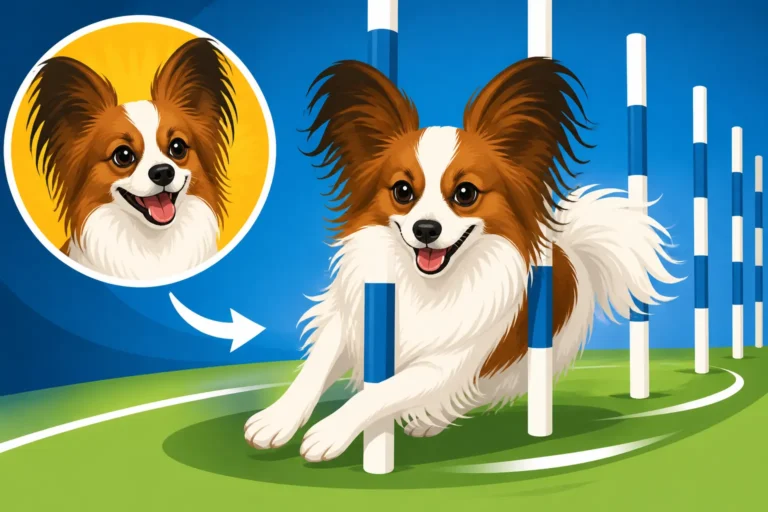
Certain obstacles also highlight breed-specific strengths. Papillons are often exceptionally fast and accurate through weave poles because their small bodies allow them to navigate the narrow spacing with ease. They can also excel on contact obstacles like the A-frame and dog walk, provided they are trained to hit their contact zones reliably. Which Obstacles a Papillon Struggles With generally involve those that require a large, powerful leap or very long striding, which are less common in modern agility courses. Conversely, How a Papillon Manages Weave Poles is usually with great enthusiasm and speed once mastered.
Consider the teeter-totter; a lighter Papillon might not slam it down with the same force as a heavier Sheltie, but their quickness in getting across and off the contact can be just as efficient, sometimes more so, if the heavier dog takes a split second longer to rebalance.
The Power of Consistent Training and Conditioning
No matter the breed, stellar performance in agility boils down to consistent, positive training and excellent physical conditioning. A Papillon that is well-conditioned, with strong core muscles and healthy joints, will be faster and more resilient than one that isn't. Just like any athlete, they need a proper diet, regular exercise beyond just agility practice, and a gradual progression of training intensity.
For both breeds, mental conditioning is equally important. They need to be confident, focused, and resilient to distractions. A Papillon that is well-socialized and accustomed to busy trial environments will perform better than one that is easily overwhelmed. Early and ongoing training, focusing on solid obstacle performance, speed-building exercises, and proofing behaviors under distraction, will make a massive difference. Starting with a structured puppy class and progressing through foundation agility is key. You can learn more about starting your Papillon in this exciting sport in When to Start a Papillon in Agility.
The Verdict: Can a Papillon Truly Outpace a Sheltie?
So, after all that, can a Papillon truly beat a Sheltie on time? The short answer is a resounding "Yes!"—but with important caveats, as with all things in life and dog sports. It's not a matter of one breed being inherently "better" or "faster" than the other, but rather which team performs optimally on a given day, on a specific course, under the guidance of their handler.
The "It Depends" Reality of Agility
Think of it like this: in a drag race, a powerful muscle car might always beat a nimble sports car. But put them on a twisty autocross course, and the sports car might very well win. Agility courses are more like autocross—they demand quick changes of direction, tight turns, and rapid acceleration.
On a technical course, with many tight turns, discriminations, and short distances between obstacles, a Papillon absolutely has the potential to beat a Sheltie. Their ability to turn tighter, maintain speed through those turns, and weave through obstacles with incredible efficiency can give them a critical edge. They don't have as much mass to slow down and then accelerate again.
However, on a very open, flowing course with long tunnels and straight lines, a Sheltie might leverage its powerful stride to cover ground faster, potentially making up for any time lost on turns. It's also about consistency. A Sheltie might run slightly slower but make fewer mistakes, while a Papillon might be blazing fast but pick up a refusal or a fault, costing more time. A common Papillon issue to be aware of for longevity in the sport is Whether Agility Wears Out a Papillon's Knees.
Consider the various agility classes as well. In classes where jump heights are set relative to the dog's size, both breeds are judged on their own merits within their respective jump categories. However, in overall "fastest time of the day" awards across all jump heights, it often comes down to the individual dog, handler, and course.
The Heart of a Champion: Drive and Desire
Ultimately, the most exciting part of agility isn't just about the stopwatch; it's about the heart and soul of the dog and handler team. Both Papillons and Shelties bring incredible drive and intelligence to the sport. A Papillon, despite its size, possesses an undeniable boldness and confidence. They often have no idea they are small, approaching obstacles with the enthusiasm of a much larger dog. This mental game, this sheer joy in the work, often translates into incredibly fast and accurate runs.
When a Papillon is truly "on" with its handler, it's an unstoppable force. They may not have the imposing presence of a Border Collie or the powerful drive of a Sheltie, but their intelligence, precision, and sheer enthusiasm are world-class. Many Papillons have achieved incredible success in agility, proving time and again that size is no barrier to being a champion. You'll see them at the highest levels of competition, holding their own and often topping the podium.
Optimizing Your Papillon's Agility Performance
If you're aspiring to agility greatness with your Papillon, or just want to have the most fun possible, there are specific strategies you can employ to maximize their potential and ensure they're always performing at their best. It's about working with their natural strengths and being mindful of their unique needs.
Smart Training for Small Dogs
Training a Papillon for agility requires a nuanced approach that respects their small size and incredible intelligence. While they learn quickly, their physical limits are different from larger dogs.
- Positive Reinforcement is Key: Papillons are highly sensitive and thrive on positive reinforcement. Harsh corrections can shut them down. Focus on making training fun and rewarding. How a Papillon Responds to Correction is usually best with gentle, clear guidance.
- Short, Engaging Sessions: Papillons have a fantastic work ethic, but their attention span, like many small dogs, can benefit from shorter, more frequent training sessions. Keep it exciting and end on a high note. How Long a Papillon Will Work in a Session is often short bursts of intense focus.
- Foundation Skills: Before tackling complex sequences, ensure your Papillon has a rock-solid foundation in obedience and obstacle performance. Work on independent contacts, weave pole entries, and tunnel commitment.
- Body Awareness: Help your Papillon understand its body. Exercises that build core strength, balance, and proprioception (awareness of body position) will make them more confident and precise on course. Cavaletti poles, wobble boards, and targeted stretching can be excellent tools.
- Handler Mechanics: Your movements matter even more with a smaller dog. Practice tight turns, clear directional cues, and perfect timing. Programs from BAXTER & Bella can be great for learning how to improve your own handling skills, which directly impacts your dog's speed and accuracy.
Appropriate Equipment and Safety Measures
Ensuring your Papillon has the right equipment and a safe training environment is crucial, both for performance and injury prevention.
- Sized Equipment: Ensure all training equipment, especially jumps, is correctly sized for your Papillon's jump height. Training with too-high jumps before they are physically mature or properly conditioned can lead to injuries.
- Safe Surfaces: When practicing at home or in a rented space, ensure the footing is non-slip and forgiving. Grass or rubber matting is ideal. Hard, slick surfaces can lead to slips and strains, particularly affecting their knees.
- Quality Gear: Invest in good quality, adjustable agility equipment. You can find excellent options on platforms like Amazon for home practice. What a Set of Backyard Jumps Costs varies, but basic sets are quite affordable and can provide valuable practice. Always check for stability and safety, especially for the contacts on tunnels and weaves.
- Warm-ups and Cool-downs: Just like human athletes, Papillons need proper warm-up before intense activity and a cool-down afterward. This includes gentle stretching and a brisk walk to get their muscles ready and then relax.
Health and Longevity in Agility
A healthy dog is a fast and consistent dog. Maintaining your Papillon's physical well-being is paramount for a long and successful agility career.
- Regular Vet Check-ups: Schedule routine vet visits to catch any potential health issues early. Pay close attention to joint health, especially concerning Patellar Luxation Is the Papillon Problem You Will Actually Meet, as this can impact agility performance. Discuss appropriate nutrition and weight management with your vet.
- Weight Management: Keep your Papillon at an ideal weight. Even a few extra ounces can put undue strain on their small joints, impacting their speed and increasing the risk of injury.
- Joint Supplements: Talk to your veterinarian about whether joint supplements might be beneficial for your active agility Papillon. These can help support cartilage and joint fluid, contributing to overall joint health over their career.
- Listen to Your Dog: Pay attention to any signs of discomfort or fatigue. If your Papillon seems unwilling to perform a certain obstacle or shows changes in gait, consult your vet immediately. A Papillon’s agility career can be quite long, often spanning many years, so protecting their body is crucial. You can read more about how their career can endure in How Long a Papillon's Agility Career Lasts. Consistent care means they can keep enjoying the sport well into their senior years.
| Aspect | Papillon Strengths | Sheltie Strengths | Advantage on Course |
|---|---|---|---|
| Speed | Quick acceleration, turns on a dime | Powerful long stride, high top-end speed | Papillon on technical, Sheltie on flowing |
| Agility/Turns | Tight pivots, low center of gravity | Graceful sweeping turns, quick recovery from turns | Papillon on tight turns, Sheltie on wider arcs |
| Obstacle Skill | Weaves, tight tunnels, contacts (with training) | Jumps, long tunnels, fast contact exits | Papillon for precision, Sheltie for power |
| Stamina | Excellent for short bursts, multiple runs | High endurance for long courses and trial days | Both are robust, Sheltie might have edge on endurance |
| Trainability | Highly intelligent, eager to please | Highly biddable, strong work ethic, focused | Both are excellent, Papillon can be more sensitive |
| Handler Impact | Precision handling critical for tight maneuvers | Clarity needed for distance work and broad paths | High handler skill benefits both equally |
This table illustrates that both breeds bring unique and formidable assets to the agility ring. A Papillon can absolutely beat a Sheltie on time, especially on courses that play to its strengths in quick turns and intricate obstacle negotiation. The key is to nurture that incredible Papillon spirit with smart training, excellent conditioning, and a strong, communicative handler partnership.
Disclaimer
This article is for general informational purposes only and does not constitute professional advice. Laws, prices and regulations vary by location and change over time. Consult a qualified professional for guidance on your specific situation.