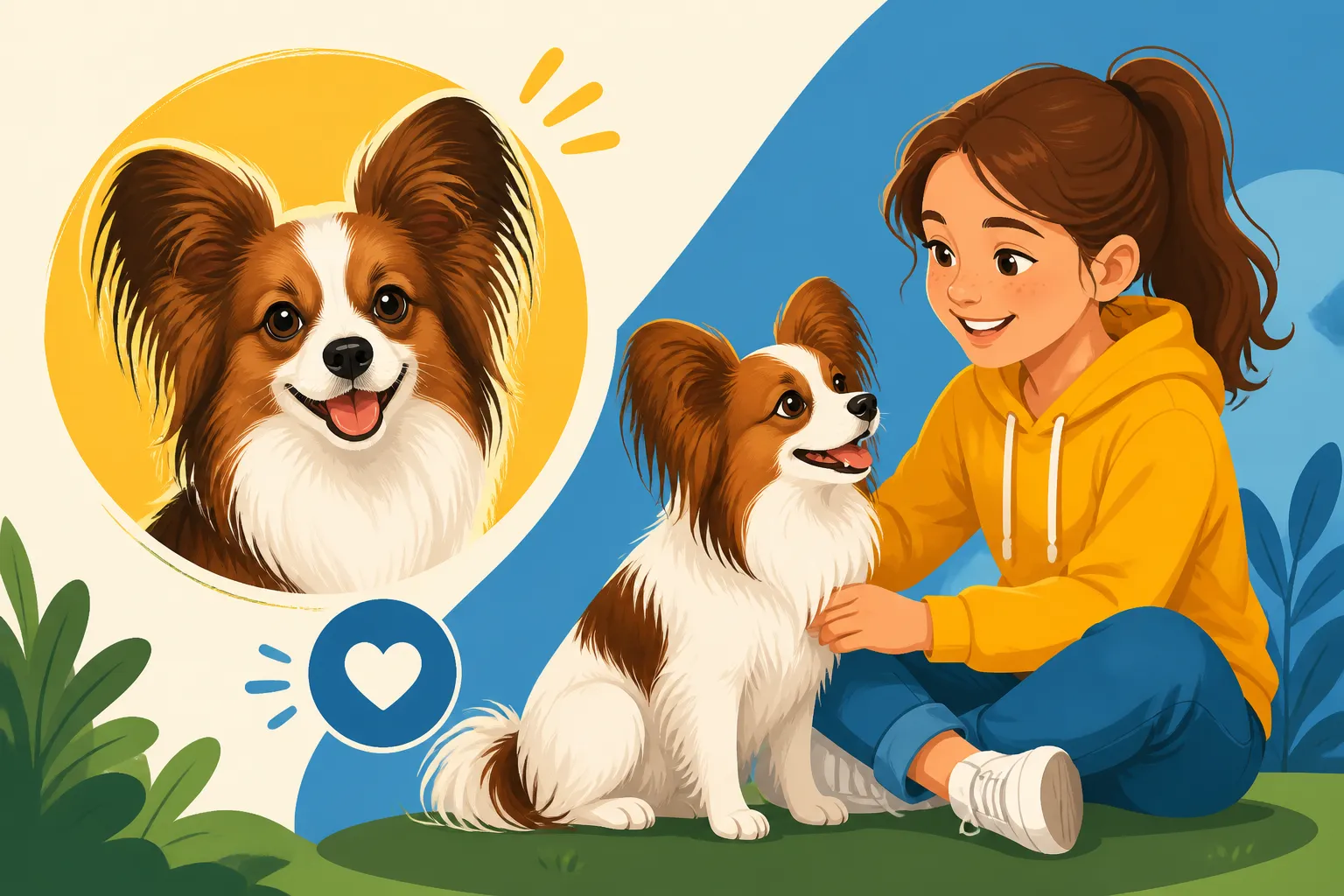
Why a Papillon Suits Older Children Better
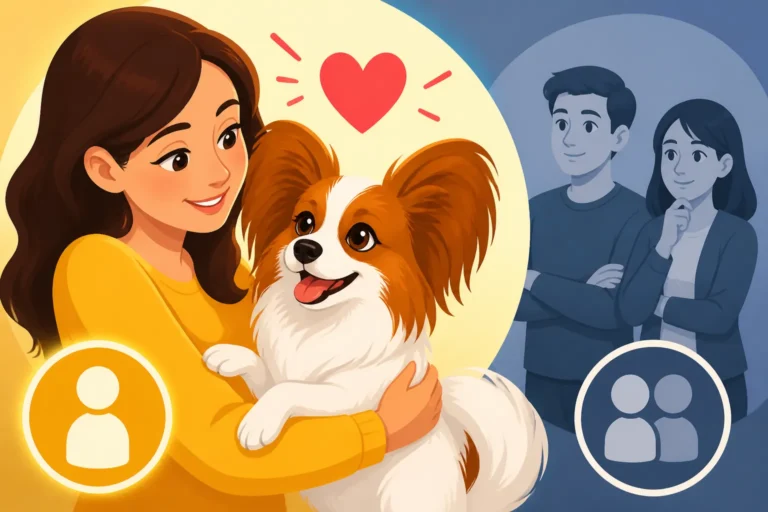
It's a common and understandable dream to picture your child and your beloved Papillon puppy growing up together, forming an unbreakable bond. But if you're a prospective owner, especially one with very young children, you might be wrestling with the very real question of whether this delicate, spirited breed is truly the right fit for a bustling family home. This guide will delve into the nuances of Papillon temperament and physical vulnerabilities, explaining why these charming "butterfly dogs" often thrive best in homes with older, more understanding children, and offer strategies for fostering positive interactions.
The Delicate Nature of the Papillon and Young Children's Energy
Let's face it: Papillons are tiny. They are exquisite, fine-boned creatures, and while they possess an undeniable confidence and zest for life, their physical stature makes them inherently more vulnerable than many other breeds. This isn't to say they are fragile in spirit, but their bodies require a certain level of mindful interaction that young children are simply not yet equipped to provide consistently.
Understanding a Papillon's Physical Vulnerabilities
Imagine a playful, curious toddler, full of boundless energy and still developing fine motor skills. Now picture a Papillon, often weighing in at a mere five to ten pounds, with slender legs and a body that's built for agility, not rough-and-tumble play. It's easy to see where potential issues might arise, even with the best intentions.
Papillons are prone to certain orthopedic issues, much like many small breeds. While they are generally hardy for their size, a sudden fall or accidental mishandling can lead to serious injury. A toddler, still learning balance and coordination, might trip over a small dog, or worse, try to pick it up and drop it. This isn't maliciousness; it's simply the reality of a child's developmental stage. Even a short fall from a sofa or a quick tumble down a step can result in a broken bone or a significant sprain for a tiny Papillon. Owners often ask What Happens When a Papillon Is Dropped, and the answer can range from minor bruising to severe fractures, sometimes requiring extensive veterinary care and a long recovery. Their small size also means they can easily be underfoot, leading to accidental kicks or being stepped on, especially in a busy household.
The High-Energy, Unpredictable World of Toddlers
Toddlers and very young children operate in a world driven by impulse and discovery. Their movements are often sudden and uncoordinated. They might squeal with excitement, chase after a fast-moving object, or try to grab things with surprising force. For a small, sensitive dog like a Papillon, this environment can be incredibly stressful and even frightening.
Loud noises, sudden movements, and unexpected grabs can trigger a Papillon's natural instinct to flee or, in some cases, to snap out of fear. A child's loving hug, if too tight, can feel restrictive and painful. Their desire to share toys might involve forceful shoves or attempts to pull the dog's ears or tail. While a Papillon might tolerate this for a while, repeated negative interactions can lead to anxiety, fear-based aggression, or a dog that constantly tries to hide from the children. It's a lose-lose situation: the child doesn't understand why the dog is reactive, and the dog lives in a state of unease. This isn't fair to either the dog or the child, and it can set up a challenging dynamic for the entire family.
Temperament and Training: Matching Personalities
Papillons are renowned for their intelligence and eagerness to please, making them highly trainable. However, their sensitive nature means they respond best to gentle, consistent methods, which aligns better with the capabilities of older children rather than the sometimes-blunt approach of a very young child.
Papillon Sensitivity and the Need for Gentle Interaction
These little dogs are incredibly smart, often ranking very high in canine intelligence studies. They pick up new commands quickly and thrive on mental stimulation and positive reinforcement. They want to be involved and to please their people. However, this intelligence comes with a high degree of sensitivity. A sharp word, a stern look, or a frustrated tone can be deeply unsettling for a Papillon. They don't respond well to harsh corrections or yelling; it can make them shut down, become fearful, or even rebellious. Many owners notice How Sensitive a Papillon Is almost immediately.
Now consider a young child. They are still learning emotional regulation and how their actions affect others. They might get frustrated if the dog doesn't do what they want, leading to raised voices or accidental rough handling. A Papillon experiencing this type of interaction regularly may learn to avoid the child, see them as a threat, or develop behaviors like guarding their space or growling. It's not because the Papillon is "mean," but because it's trying to communicate its discomfort and fear in the only way it knows how. Consistency and a calm demeanor are crucial for Papillon training, and these are traits that develop with age in children.
The Advantage of Older Children in Training and Interaction
Older children, generally school-aged (around 7-8 years and up), possess a greater capacity for empathy, understanding, and self-control. They can comprehend instructions about gentle handling, learn to read a dog's body language (like a yawn indicating stress or a tail tuck indicating fear), and participate meaningfully in training activities.
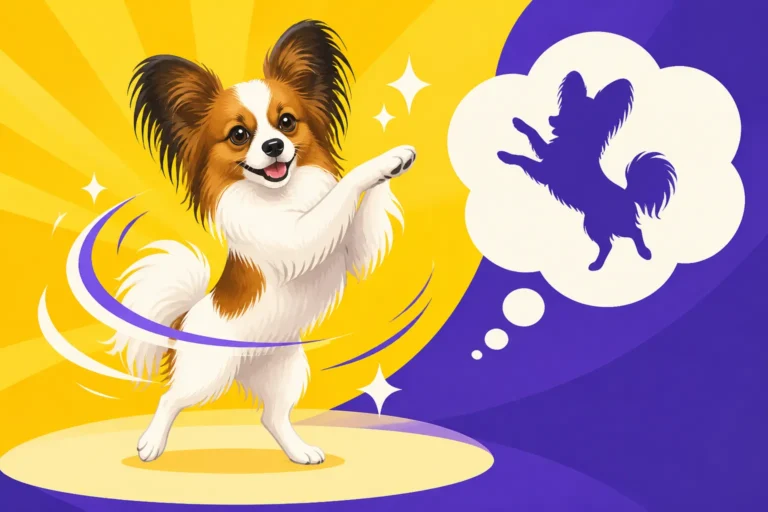
With guidance from an adult, an older child can be taught how to interact respectfully with the Papillon. They can learn to offer treats gently, engage in appropriate play (like rolling a soft ball, not tug-of-war), and understand when the dog needs space. More importantly, they can participate in positive reinforcement training. Imagine an older child teaching their Papillon a new trick, like "shake a paw" or "spin." This builds a beautiful bond based on mutual respect and cooperation. Programs like BAXTER & Bella, which offer comprehensive online dog training, can be a fantastic resource for families, providing structured lessons that even older children can follow under parental supervision, fostering a sense of shared accomplishment. This kind of involvement not only benefits the dog but also teaches the child valuable lessons in responsibility and positive communication. For those wondering When to Start Training a Papillon Puppy, the earlier the better, and having older children participate can make it a truly family affair.
Creating a Harmonious Home: Strategies for Success
While Papillons generally thrive with older children, it's not impossible to have a successful family dynamic with younger ones, but it requires significant effort, vigilance, and clear boundaries. The key is proactive management and consistent education for both the children and the dog.
Establishing Safe Spaces and Supervised Interactions
One of the most crucial elements in a multi-species household, especially with a small dog and young children, is creating safe zones for your Papillon. This means having designated areas where your dog can retreat and be completely undisturbed by children. This might be a cozy crate, a bed behind a baby gate, or a playpen. For instance, you can easily find suitable baby gates or exercise pens on Amazon that can section off a quiet corner of the living room or a specific room where your Papillon can relax without feeling constantly on alert.
All interactions between young children and the Papillon should be strictly supervised by an adult. This isn't optional; it's essential for preventing accidents and fostering positive relationships. Teach your children to be "tree and rock" when the dog approaches: stand still and be quiet. Instruct them on gentle petting, always on the chest or shoulder, and to avoid patting the head or pulling ears/tail. Never allow children to chase the dog, try to take food or toys from it, or disturb it while it's sleeping or eating. It's important to remember How a Papillon Handles a Toddler is often with tolerance until they reach their limit, and it's our job as adults to prevent that limit from being reached. If your Papillon ever appears uncomfortable, growls, or tries to escape, it's a clear signal that the interaction needs to stop, and the dog needs space. Don't punish the dog for communicating; instead, manage the situation and teach the child.
Educating Children on Papillon Care and Respect
Older children are capable of understanding the delicate nature of a Papillon and can be educated on how to treat them with respect. This goes beyond just gentle petting; it includes teaching them about the dog's needs and boundaries. They can learn about the dog's body language – when it's happy, when it's stressed, or when it needs a break.
Involve older children in age-appropriate aspects of the Papillon's care. This could mean helping with feeding (under supervision to ensure proper portions), assisting with brushing the long, silky coat, or even helping with training sessions. A resource like BAXTER & Bella can be incredibly useful here, as their online format allows families to learn together, reinforcing positive training methods and consistent communication. An older child can learn to toss a toy, teach a simple trick, or accompany an adult on a short, gentle walk. This fosters a sense of responsibility and partnership, creating a much stronger, healthier bond than one based purely on passive observation. When children are actively involved and understand the reasons behind the rules, they are far more likely to adhere to them. This understanding also addresses the underlying concerns of Whether a Papillon Suits a House With Toddlers, clarifying that it's the management and education that make the difference.
The Benefits of a Papillon for an Older Child
When properly managed and introduced, a Papillon can be an absolutely wonderful companion for older children, bringing joy, teaching responsibility, and offering a unique, intelligent friendship. Their small size makes them manageable, and their vibrant personalities make them endlessly entertaining.
Companionship and Responsibility
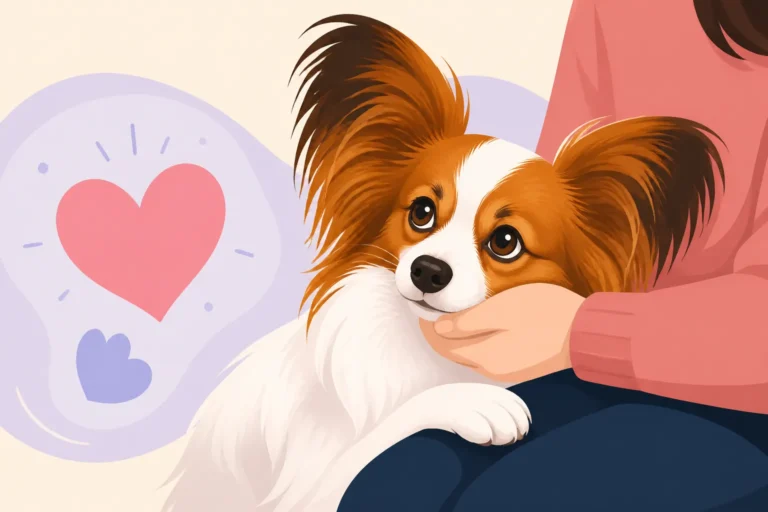
For an older child, a Papillon offers unparalleled companionship. These dogs are intelligent, affectionate, and eager to be involved in family life. They thrive on attention and will happily cuddle on the sofa for a movie night or follow their favorite person from room to room. When an older child understands how to interact gently and respectfully, the Papillon can become their loyal shadow and confidante.
The opportunity to help care for a Papillon also instills a profound sense of responsibility in a child. This isn't just about chores; it's about understanding the needs of another living being. Helping to measure out food, refilling the water bowl, assisting with grooming, or participating in training sessions with resources like BAXTER & Bella can teach valuable life skills: empathy, patience, consistency, and the rewards of nurturing. This direct involvement helps children mature and understand the commitment that comes with pet ownership, fostering a deep and meaningful bond that can last for years.
Shared Activities and Mental Stimulation
Papillons are not just pretty lapdogs; they are athletic and incredibly smart. This makes them fantastic partners for a variety of activities that older children can enjoy. Beyond basic walks, Papillons excel at learning tricks and can even participate in dog sports. Imagine an older child teaching their Papillon a whole repertoire of fun tricks, from "roll over" to weaving through their legs. They pick up new things incredibly fast; in fact, you might be surprised at Which Tricks a Papillon Picks Up First.
Engaging in these activities together provides both mental and physical stimulation for the dog, and a wonderful bonding experience for the child. They can explore puzzle toys found on Amazon together, go on nature walks, or even start introductory agility training with lightweight equipment. This shared engagement strengthens their relationship and provides outlets for the Papillon's considerable energy and intelligence. It shows the child that owning a dog is more than just petting; it's about active participation, understanding, and providing for the dog's holistic well-being. These shared experiences create lasting memories and build a foundation of mutual trust and affection.
| Interaction Type | Recommended for Young Children (Under 7) | Recommended for Older Children (7+) |
|---|---|---|
| Supervised Petting | Yes, with strict adult guidance (chest/shoulder only) | Yes, can learn proper technique and read signals |
| Unsupervised Play | No, high risk of injury to dog or child | Limited, only after extensive training and proven reliability |
| Helping with Feeding | No, risk of accidental overfeeding or grabbing | Yes, with adult supervision |
| Participating in Training | No, lack of consistency and understanding | Yes, with adult guidance and positive reinforcement |
| Playing Fetch/Tug | No, risk of forceful interactions or injury | Yes, with appropriate toys and gentle play rules |
| Grooming Assistance | No, risk of pulling hair or injuring skin | Yes, with adult supervision (e.g., holding brush) |
| Providing Quiet Space | Needs to be taught not to disturb dog in its safe zone | Can understand and respect the dog's need for alone time |
Ultimately, bringing a Papillon into a home with children requires a thoughtful approach. While their delicate frames and sensitive temperaments make them a less ideal match for the unpredictable energy of toddlers, they can truly flourish as devoted companions to older children who are capable of gentle, respectful interaction and shared responsibility. With careful supervision, consistent education, and a commitment to creating safe boundaries, the bond between a Papillon and its human child can be one of the most rewarding experiences a family can have.
Disclaimer
This article is for general informational purposes only and does not constitute professional advice. Laws, prices and regulations vary by location and change over time. Consult a qualified professional for guidance on your specific situation.