What Papillon Owners Wish They Had Trained First
It’s a common scenario for Papillon owners: you fall head over heels for their adorable butterfly ears and lively spirit, bring home your new best friend, and then, months or even years later, you find yourself thinking, "Oh, if only I had focused on that when they were a puppy!" Many of us, myself included, have looked back with a bit of wistful regret at the training priorities we missed in those crucial early days. This guide will delve into the key areas Papillon owners often wish they'd tackled first, offering insights and actionable advice to help you avoid those common hindsight moments and build a strong foundation for your tiny companion.
The Foundations of a Well-Adjusted Papillon: Early Socialization and Exposure
When you bring home a Papillon puppy, their small size and delicate appearance can sometimes lead us to unintentionally over-shelter them. We want to protect them from the big, scary world, but this well-meaning instinct can actually hinder their development into confident, well-adjusted adults. Many owners later regret not pushing themselves to expose their Papillon to a wider variety of sights, sounds, and experiences during that critical socialization window.
Introducing Your Papillon to the World Beyond Your Home
The world is a big place, full of strange noises, different surfaces, and unfamiliar people. For a tiny Papillon, these new stimuli can be overwhelming if not introduced gently and positively from a young age. Owners often wish they had done more to introduce their puppy to the garbage truck rumbling by, the sound of children playing at a distance, or even just the experience of walking on different textures like grass, pavement, and gravel. Missing this window can lead to a dog who is easily spooked, prone to excessive barking at novelties, or even fearful of new environments.
It's not about forcing them into scary situations, but rather controlled, positive exposure. Think about sitting on a park bench, letting your Papillon watch the world go by from a safe distance, rewarding calm observation with tasty treats. This proactive approach helps them build resilience. A good online puppy program, like those offered by BAXTER & Bella, can provide structured guidance for this critical period, reminding you of all the little things to expose your puppy to, even when you're busy with daily life.
Consider taking short, frequent trips to different pet-friendly places. A quick visit to a hardware store where dogs are welcome, a stroll through a quiet part of a shopping center, or simply spending time in your front yard as cars drive past can make a huge difference. The goal is to make these experiences neutral or even pleasant, so your Papillon learns that new things aren't necessarily threats. This early work is vital for preventing future anxiety and reactivity.
Navigating Interactions with Children and Larger Dogs
One of the biggest regrets Papillon owners voice is not adequately preparing their small dog for interactions with larger, more boisterous canines or energetic children. Because Papillons are so petite, they can easily be injured by accidental roughhousing, or they might develop fear-based behaviors if not taught how to safely navigate these encounters. It’s easy to think, "My dog is so small, I'll just keep him away from big dogs," but then you encounter one on a walk, and your Papillon might react with frantic barking or try to bolt.
Positive, supervised interactions are key. This means finding calm, gentle larger dogs for controlled playdates, or teaching your Papillon how to politely greet children who understand how to interact with a small dog. Always advocate for your Papillon, ensuring that any interactions are safe and positive. If a child is too rough or a larger dog too overwhelming, remove your Papillon from the situation calmly and teach them that you are their protector. It is often said that A Papillon Has No Idea It Is Small, which can be both charming and a source of potential danger if not managed.
It's equally important to teach your Papillon good manners around other dogs, regardless of size. This includes a solid "leave it" cue and a reliable recall, so you can call them away from potentially unsafe situations. Even if you plan to largely avoid dog parks, your Papillon will encounter other dogs at the vet, on walks, or at friends' houses, and positive early exposure helps them handle these moments with confidence rather than fear or aggression.
Early Exposure to Handling and Novel Experiences
Beyond social encounters, many owners wish they had spent more time simply handling their Papillon puppies in various ways. This includes getting them used to having their paws touched, ears examined, teeth brushed, and even being gently restrained. Imagine trying to give medication or trim nails to a squirming adult Papillon who's never had these experiences – it becomes a struggle for both of you.
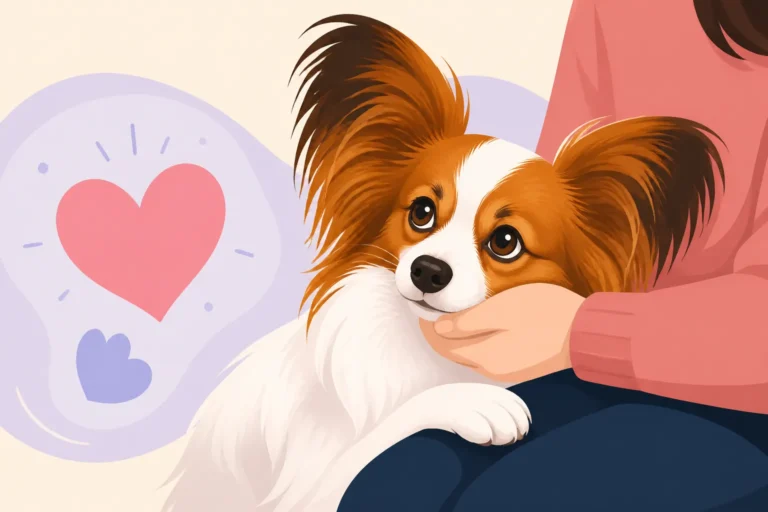
Start early and make it positive. Pair every touch, every lift, every examination with high-value treats and praise. This isn't just about grooming; it's about preparing them for vet visits, emergencies, and even just comfortable snuggles. Think about the variety of sounds they might encounter – vacuum cleaners, blenders, doorbells, even fireworks from a distance – and introduce them gradually, always associating them with positive reinforcement. Products available on Amazon, like gentle dental kits or quiet nail grinders, can make these experiences less stressful if introduced early.
Moreover, getting your Papillon comfortable with car rides, crates, and even being carried in a carrier is invaluable. Many Papillon owners travel with their dogs, and a dog who is calm and secure in their carrier makes for a much happier journey. This proactive handling early in life pays dividends by reducing stress and fear during necessary care or unexpected events throughout their long life.
Tackling the Potty Problem: Consistent and Realistic House Training
House training is often cited as one of the most frustrating aspects of puppy ownership, and for Papillons, their small size can add a unique layer of challenge. Many owners reflect on the early days and wish they had been even more diligent and consistent with their house training efforts, realizing that a solid foundation here prevents years of potential accidents and stress.
The Persistent Challenge of Tiny Bladders
Let's be real: a Papillon puppy has a bladder the size of a thimble. This isn't an exaggeration, and it's a fundamental truth that many new owners underestimate. Their metabolism is fast, they drink frequently, and what goes in comes out quickly. Owners often regret not realizing just how frequently they needed to take their tiny puppy outside, especially in the very beginning. Missed opportunities mean more accidents, which can set back the whole process.
The rule of thumb for puppies is usually one hour per month of age, plus one, but for a Papillon, especially a very young one, it might even be more frequent. If you have an eight-week-old puppy, that means every two hours, often less, particularly after waking, eating, or playing. Ignoring this early on leads to a pattern of indoor accidents that can be hard to break later. Owners often wish they had initially prioritized potty breaks above all else, even if it meant interrupting other activities constantly.
Establishing a routine from day one is paramount. Take them out first thing in the morning, last thing at night, and every single time they wake up from a nap, finish eating, or have a burst of play. Reward lavishly with praise and a special treat only for going potty outside. This high-value reward system helps solidify the correct behavior. Don't assume they'll "get it" after a few times; consistency over weeks and months is what builds a reliable house-trained dog. You might find our article How Long House Training a Papillon Takes helpful for further guidance.
Strategies for Success and Avoiding Common Pitfalls
Beyond sheer frequency, owners often wish they had been more strategic in their house-training approach. One common pitfall is giving too much freedom too soon. A tiny Papillon can vanish into another room, have an accident, and return before you even notice they're gone. This teaches them that pottying inside is acceptable, as they're never interrupted or redirected.
Using a crate or a small, confined area like a playpen can be incredibly helpful. Papillons are generally clean dogs and won't want to soil their sleeping area. This teaches them bladder control and gives you a management tool for when you can't actively supervise. When they are out of the crate, they should be tethered to you or kept in the same room, ensuring you can immediately whisk them outside at the first sign of sniffing or circling. Many swear by using doggy pee pads for apartments, but be careful not to create confusion about where the "real" potty spot is.
Another common regret is not treating every accident as a training opportunity, even if it's frustrating. Instead of scolding, which can make a Papillon hide their accidents, interrupt them gently (a clap or "oops!") and immediately take them outside to finish. Clean accidents thoroughly with an enzymatic cleaner to remove all odor, which prevents them from returning to the same spot. Consistency, patience, and a well-thought-out plan, perhaps one learned from a structured course like BAXTER & Bella’s, are far more effective than frustration.
When a Papillon Refuses to Go Out in Rain
Small dogs like Papillons can be quite particular about weather. Many owners lament not making rainy or cold weather potty breaks a positive experience from the get-go. "My Papillon refuses to go out in the rain!" is a cry heard in many Papillon-owning households, leading to indoor accidents and frustration. This often stems from not making those initial experiences enjoyable or, at least, tolerable.
Start early by simply going outside in light rain, offering high-value treats, and making it a quick, positive trip. Don't just stand there expecting them to go; walk them to their designated spot, encourage them, and reward them the moment they relieve themselves. A tiny rain slicker or dog umbrella (yes, they exist!) might also help make the experience less unpleasant for your little one. Finding durable, weather-appropriate gear can be easy on platforms like Amazon.
If the weather is truly dreadful, a covered area like a porch or a large umbrella can provide some shelter. The key is to convey that going outside, regardless of the weather, is always the expectation for potty time. This might mean you get a little wet, but an ounce of prevention in puppyhood is worth a pound of cleaning supplies and stress later on.
Quieting the Alarm: Addressing Barking Proactively
Papillons are known for their intelligence and alert nature, which unfortunately can manifest as a tendency to be quite vocal. Many owners wish they had addressed barking much earlier, as once it becomes a deeply ingrained habit, it's significantly harder to manage. That charming little "yip" at the doorbell can quickly escalate into a full-blown barking frenzy at every leaf blowing past the window.
Understanding Why Papillons Bark So Much
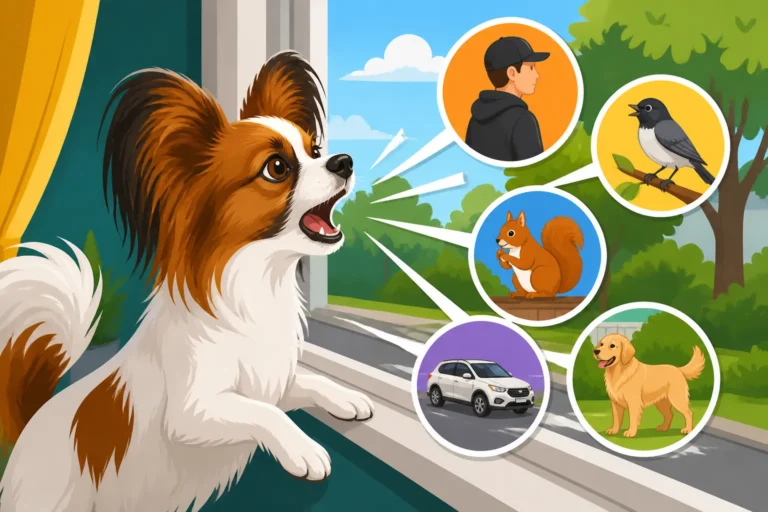
It's helpful to understand why Papillons bark. They are intelligent, observant dogs with a strong prey drive and a desire to alert their human companions. They are often excellent watchdogs, sometimes to a fault. Your Papillon isn't barking to annoy you; they're barking because they perceive something has changed in their environment or they're trying to communicate. Common triggers include strangers passing by, the mail carrier, other dogs, or simply being left alone. If you've ever heard Why a Papillon Barks So Much, you know it can be for a variety of reasons.
Many owners regret not identifying and addressing these triggers early on. Instead of letting them bark until the mail carrier leaves, which essentially rewards the barking (because the "threat" went away), proactively intervene. Management is often the first step: block their view of the window, keep them in a quieter part of the house, or distract them with a puzzle toy before the barking starts. Understanding the root cause – be it territoriality, boredom, or anxiety – is crucial for developing an effective strategy.
A common lament is not teaching a "quiet" cue from the very beginning. It's much easier to teach a dog to be quiet when they're only giving a few barks than when they're in a full-blown frenzy. Think about the scenarios where barking is acceptable (e.g., a quick alert when someone is at the door) versus when it's not (e.g., constant nuisance barking). The goal isn't to silence them completely, but to teach them when and how much barking is appropriate.
Teaching a "Quiet" Cue Before Barking Becomes a Habit
One of the most effective techniques, often wished upon by owners in retrospect, is to teach a "speak" command first, and then build on that to teach "quiet." It sounds counterintuitive, but teaching them to bark on command gives you control over the behavior. Once they understand "speak," you can then say "quiet," hold a treat to their nose (which usually makes them stop barking to sniff it), and reward them the instant they are silent. Practice this in controlled, low-distraction environments before trying it during real-life barking episodes.
Many Papillon owners find themselves dealing with established barking habits that are much harder to break. If you start this process when they are young, and only barking playfully or for very short periods, you stand a much better chance of success. It's about proactive training, not reactive punishment. Never use force or yelling, as this can heighten their anxiety or make them fear you, worsening the issue.
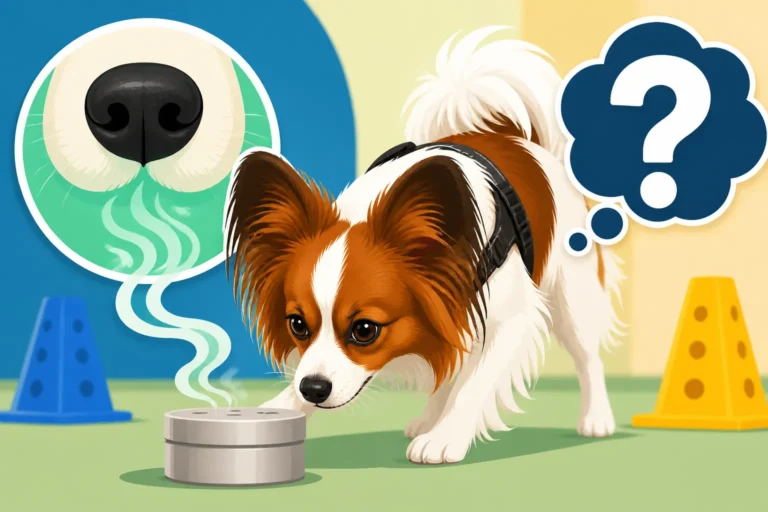
Enrichment also plays a huge role. A bored Papillon is a barking Papillon. Providing plenty of mental stimulation through puzzle toys, training sessions, and interactive play can significantly reduce boredom barking. Remember, What Mental Work a Papillon Needs is often underestimated for such a small, intelligent breed.
Managing Environmental Triggers and Alert Barking
Beyond a "quiet" cue, owners often regret not setting up their home environment to minimize barking triggers. If your Papillon spends all day staring out a window, they're going to bark at everything that moves. This constant stimulation and self-reinforcement of barking can be incredibly hard to undo.
Consider using window film, curtains, or even baby gates to restrict access to "alert zones" during peak trigger times. If the mail carrier is a daily issue, try to distract your Papillon with a long-lasting chew or a favorite toy before the mail arrives. This changes the association from "mail = bark" to "mail = delicious treat." For a more comprehensive approach, consider working through an online training program like BAXTER & Bella’s, which often provides modules specifically on nuisance barking and environmental management.
For dogs prone to alert barking at sounds, desensitization can be effective but requires consistency. Play recordings of common triggers (doorbells, knocking, dogs barking) at a very low volume, rewarding your Papillon for remaining calm. Gradually increase the volume over days or weeks. This isn't a quick fix, but it's a powerful tool to change their emotional response to these sounds. Investing in a good quality harness, available on Amazon, can also help for walks, making sure they are comfortable and secure if they do react to external stimuli.
Hands-On From Day One: Prioritizing Handling and Grooming Tolerance
Papillons are beautiful dogs with their flowing coats and magnificent ear fringes, but their striking appearance requires regular grooming. Beyond aesthetics, proper handling for general care and veterinary visits is crucial for their long-term health and well-being. Many owners regret not making handling and grooming a positive, consistent part of their Papillon's life from the earliest days, which often leads to struggles later on.
Making Grooming a Positive, Routine Experience
"I wish I'd brushed their teeth more when they were a puppy!" and "Getting their nails trimmed is a nightmare!" are common refrains from Papillon owners. These struggles often stem from a lack of consistent, positive exposure to grooming tools and procedures during puppyhood. A Papillon's coat, while not as prone to matting as some double-coated breeds, still requires regular brushing to keep the A Papillon's Coat Is All Fringe and No Undercoat looking its best, especially the glorious ear fringes and culottes.
Start with short, positive sessions. Introduce the brush, let them sniff it, then gently brush for a few seconds, immediately followed by a treat and praise. Gradually extend the duration and cover more areas of their body. Make it a bonding experience, not a chore. This applies to every aspect of grooming: nail trims (even if just handling their paws), ear cleaning, and especially dental care.
Many Papillons develop sensitivities if not exposed early. They might hate having their feet touched, making nail trims difficult, or dislike having their ears handled, which complicates routine cleaning. A high-quality, gentle brush and comb, easily found on Amazon, can make a huge difference in comfort for both you and your dog. Consistency is far more important than intensity; five minutes every day is better than an hour once a month.
Dental Care in a Small Mouth: A Lifelong Necessity
The Papillon's small jaw is prone to crowded teeth, making them highly susceptible to dental disease. This isn't just an aesthetic issue; poor dental health can lead to serious systemic health problems. Many owners, overwhelmed by other puppy tasks, regret not prioritizing daily tooth brushing. Then, by the time their Papillon is a few years old, they're facing significant dental issues and expensive veterinary cleanings. You can read more about The Teeth in a Papillon's Small Jaw in another article.
Starting tooth brushing early is perhaps the single most impactful thing you can do for your Papillon's long-term health. Begin by simply rubbing your finger wrapped in gauze on their teeth, associating it with a tasty dog toothpaste and praise. Gradually introduce a small, soft-bristled dog toothbrush. Again, short, positive sessions are key. Even if you only manage to brush a few teeth effectively each day, it's better than nothing.
This proactive approach can delay the need for professional dental cleanings and save your Papillon from pain and discomfort. It's a commitment, but one that every Papillon owner wishes they had fully embraced from day one, rather than facing extractions and ongoing dental problems down the line.
Preparing for Vet Visits and Unexpected Situations
Beyond routine grooming, comfort with handling is essential for stress-free veterinary visits and any unexpected health issues. If your Papillon fights every attempt to be picked up, examined, or given medication, these necessary moments become incredibly stressful for everyone involved. Owners often wish they had done more "happy vet visits" when their puppy was young—short trips to the vet's office just for treats and praise, without any procedures.
Practice handling your Papillon in ways that mimic a vet exam: gently lift their lips to look at their teeth, touch their ears, gently squeeze their paws, and lift their tail. Reward profusely for calm compliance. This desensitizes them to being handled by strangers, making future examinations much less daunting. Whether a Papillon Should Be Tested Before Surgery for conditions like Von Willebrand disease is an important consideration that requires your vet to be able to comfortably examine your dog.
Additionally, teaching your Papillon to calmly tolerate being confined in a carrier or crated is invaluable for vet trips, travel, or even emergency situations. These proactive steps, often overlooked in the excitement of puppyhood, create a foundation of trust and cooperation that will benefit your Papillon throughout their entire life.
| Area of Regret | Why Owners Regret It | Proactive Solution for Puppies | Lifelong Benefit |
|---|---|---|---|
| Socialization | Fearful, reactive adults; difficulty with new environments | Daily positive exposure to diverse sights, sounds, people, and appropriate dogs. | Confident, resilient, and adaptable dog. |
| House Training | Ongoing accidents; frustration; cleaning challenges | Extremely frequent potty breaks, crate training, strict routine, positive reinforcement for outdoor potty. | Reliable house manners, less stress for owner. |
| Nuisance Barking | Constant barking at triggers; neighbor complaints | Proactively teach "quiet" cue, manage environmental triggers, provide mental enrichment. | Calm, well-behaved dog; better relationship with neighbors. |
| Handling/Grooming | Stressful vet visits; difficulty with basic care (nails, teeth); matting. | Daily short, positive sessions for brushing, dental care, paw/ear handling, mock vet exams. | Stress-free care, better health, stronger bond. |
| Leash Manners / Recall | Pulling on leash; unreliable off-leash in emergencies. | Early consistent leash training, play-based recall practice in safe areas, reward-based. | Safe walks, freedom in appropriate environments. |
Disclaimer
This article is for general informational purposes only and does not constitute professional advice. Laws, prices and regulations vary by location and change over time. Consult a qualified professional for guidance on your specific situation.