Whether a Papillon Gets Carsick Before a Trial
Papillon carsickness before agility trials stems from motion sickness, handler stress, and anxiety, causing nausea and trembling.
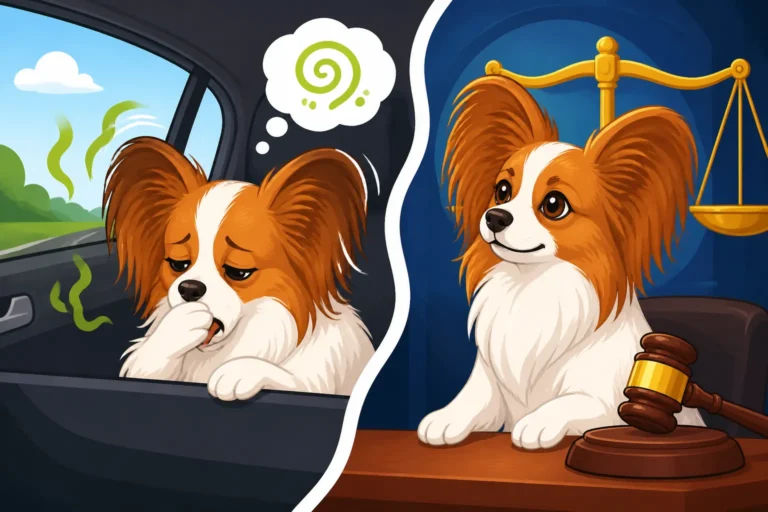
Papillon carsickness before agility trials stems from motion sickness, handler stress, and anxiety, causing nausea and trembling.
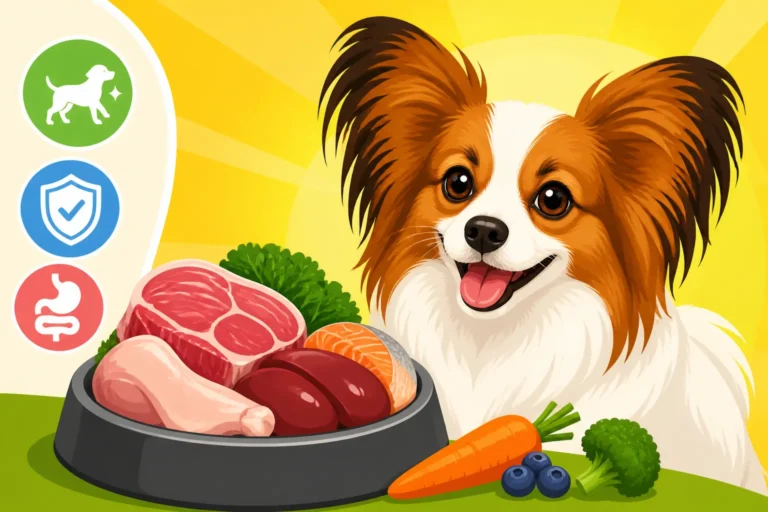
Raw feeding for Papillons provides potential health benefits alongside strict portion and safety challenges for small dogs.

Wet food sticking to a Papillon fringe occurs because fine ear hair absorbs moisture during enthusiastic mealtime habits.

Papillon dogs swallowing kibble whole due to tiny jaws, survival instincts, or learned behaviors, plus safe eating habits.
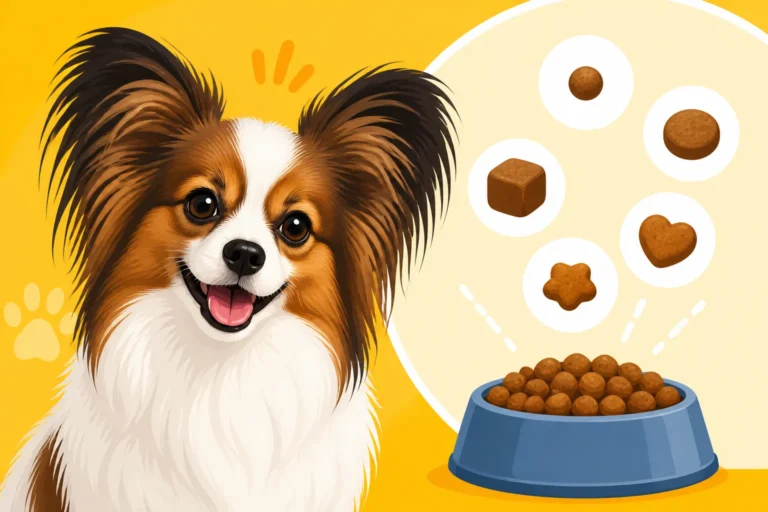
Papillon kibble size and shape selection helps tiny dogs pick up food easily, preventing choking and mealtime frustration.

Hypoglycemia risks in small Papillon puppies explain why missing meals causes dangerously low blood sugar levels.
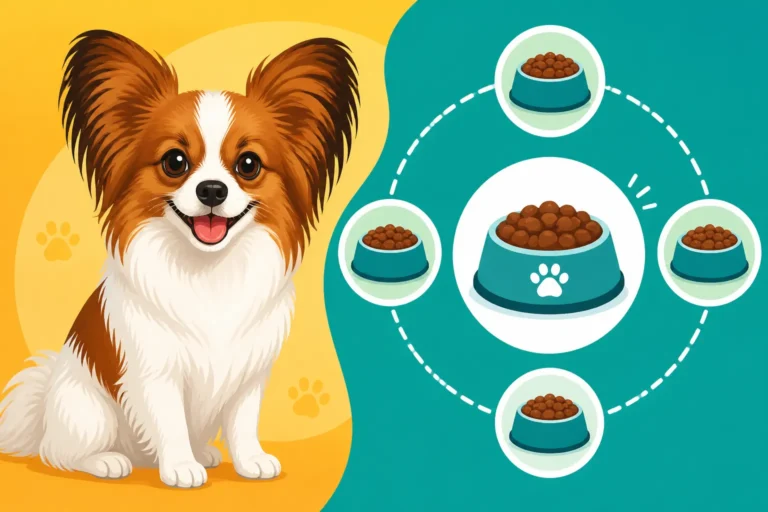
Four daily meals provide a steady energy supply preventing dangerous low blood sugar crashes in tiny Papillon puppies.

Papillon blood sugar stabilization typically occurs between six months and one year of age as puppies mature and regulate glucose.
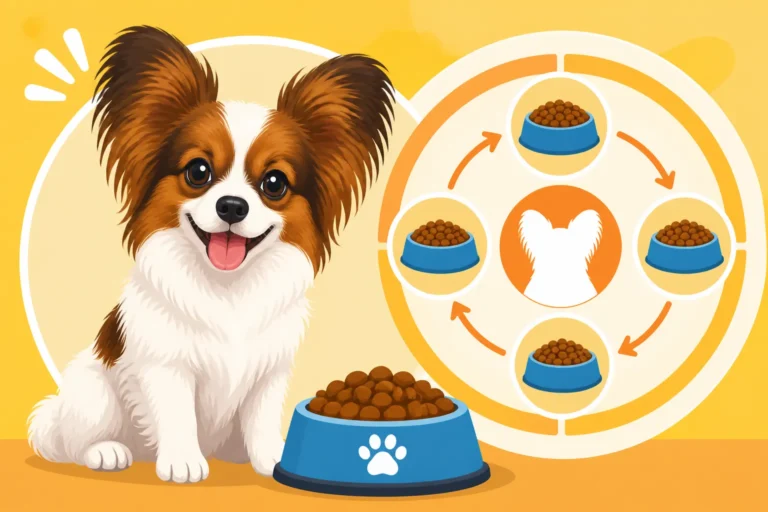
Papillon puppy feeding schedules protect against hypoglycemia by specifying meal frequencies every two to four hours daily.
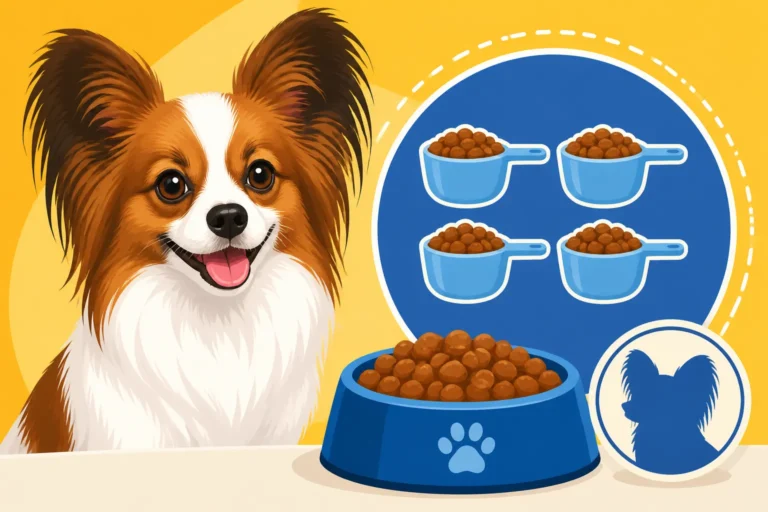
Adult Papillon daily food portions and calorie density calculations help owners prevent weight gain and provide proper nutrition.