What Changes in a Papillon After Eleven
Senior Papillons experience coat thinning, dry skin, hearing loss, vision decline, and worsening dental issues after age eleven.
Know what to watch for.
Breed-specific conditions, screening and DNA tests, what surgery actually costs, and the daily habits that stretch a healthy lifespan.
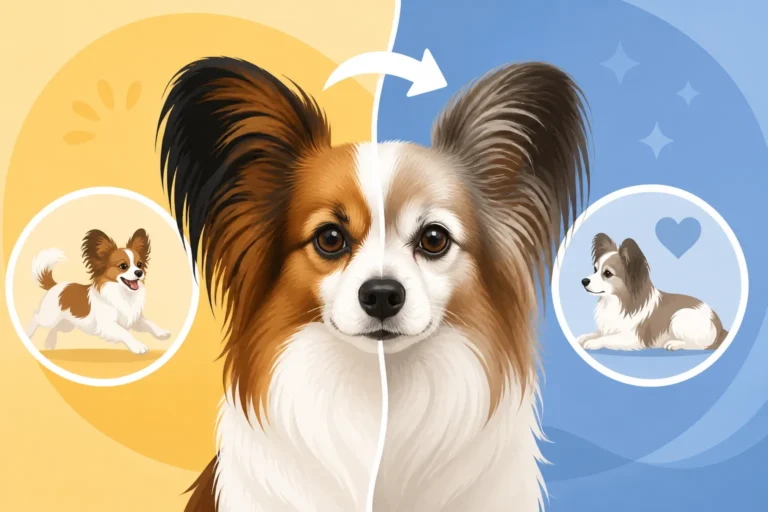
Senior Papillons experience coat thinning, dry skin, hearing loss, vision decline, and worsening dental issues after age eleven.

Papillon lifespan data and historical care factors explain why modern toy dogs often reach thirteen to nineteen years old.

Papillon mix lifespan factors include hybrid vigor and purebred traits, explaining how these small dogs often reach fifteen or seventeen years old.

Papillon and Pomeranian lifespans range from 12 to 18 years, comparing health issues like patellar luxation and dental disease.

The lifespan of undersized Papillons compared to standard five to ten pound dogs reveals critical health vulnerabilities.

Papillon longevity stems from a robust genetic blueprint, small size, and fewer catastrophic health issues than other dog breeds.

Papillon lifespan expectations and factors like a thirteen to fifteen year average explain if reaching seventeen is possible.

Papillon skull development and the open fontanelle explain why soft spots form in toy puppies and how to prevent head trauma.
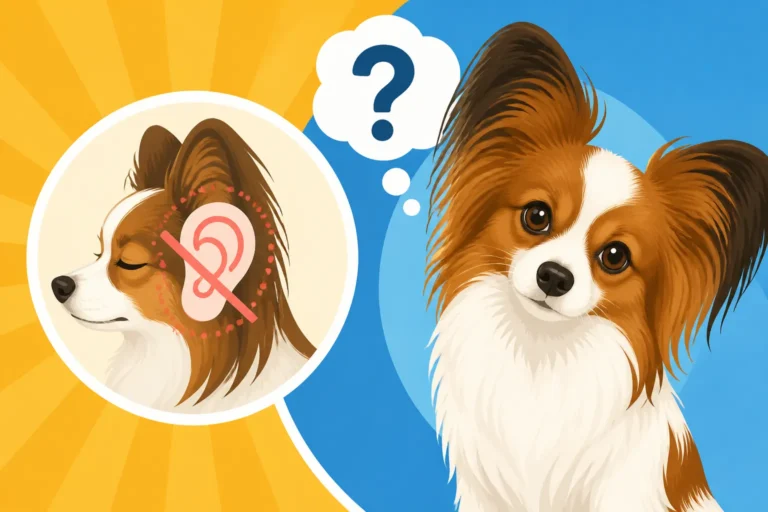
Congenital deafness in Papillon puppies explains whether this permanent hearing loss condition is linked to breed genetics.

Papillon ear infections, otitis externa, and anatomy factors explain how erect ears and silky feathering impact dog health.