Whether a Papillon Gets Skin Allergies
Papillon skin allergies involve environmental triggers, food reactions, and flea sensitivity, causing severe itching, redness, and inflammation.
Know what to watch for.
Breed-specific conditions, screening and DNA tests, what surgery actually costs, and the daily habits that stretch a healthy lifespan.
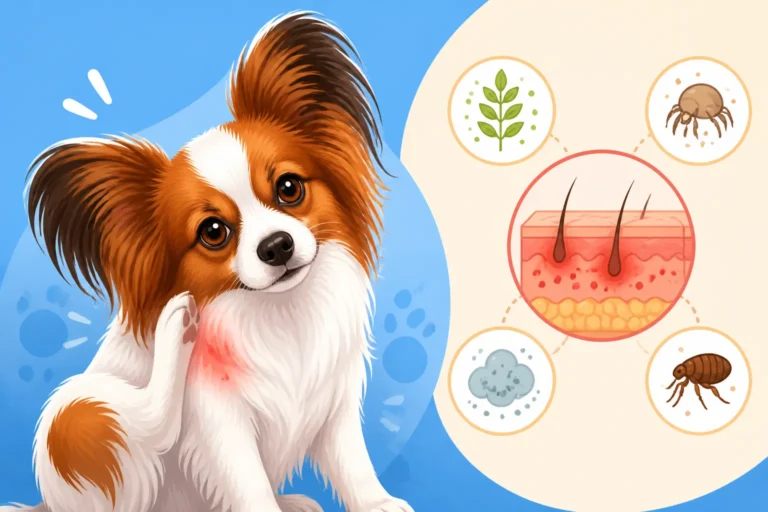
Papillon skin allergies involve environmental triggers, food reactions, and flea sensitivity, causing severe itching, redness, and inflammation.

Papillon cancer risks remain low compared to other breeds, though senior dogs may develop lymphoma or mast cell tumors as they age.

Papillon bladder stones, including struvite and calcium oxalate types, explained with formation causes and prevention tips for owners.

Cushing’s disease in Papillons involves excess cortisol production from pituitary or adrenal tumors, or prolonged steroid medication use.
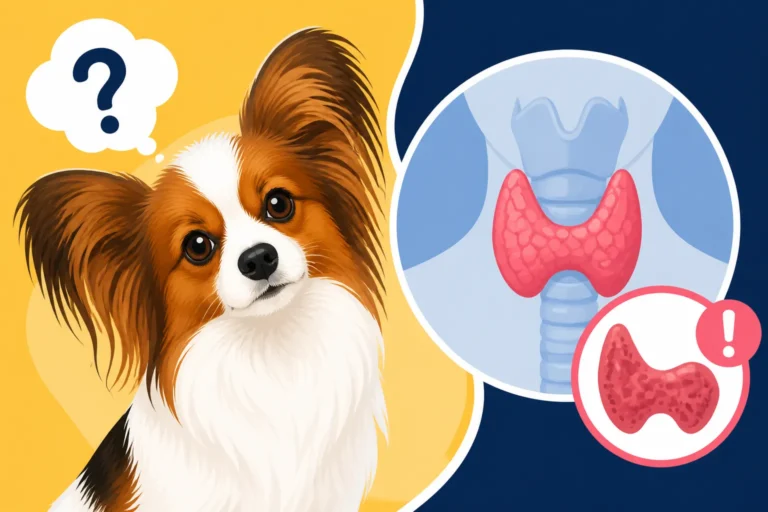
Hypothyroidism in Papillons, including warning signs, common causes like lymphocytic thyroiditis, and management options for the condition.

Papillon seizure symptoms include full-body convulsions, loss of consciousness, and subtle focal behaviors like twitching or staring blankly.

Idiopathic epilepsy in Papillons causes unprovoked seizures, leading to generalized convulsions, though the breed lacks high predisposition.
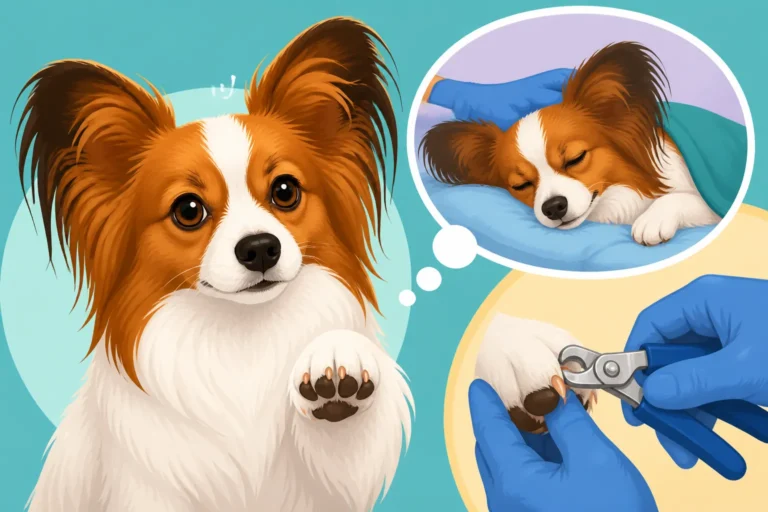
Papillon sedation safety for nail trims, covering small breed risks, quick sensitivity, and alternatives for five-pound dogs.

Pre-anesthetic bloodwork for a Papillon before dental cleaning reveals organ function to minimize anesthesia risks and ensure safety.
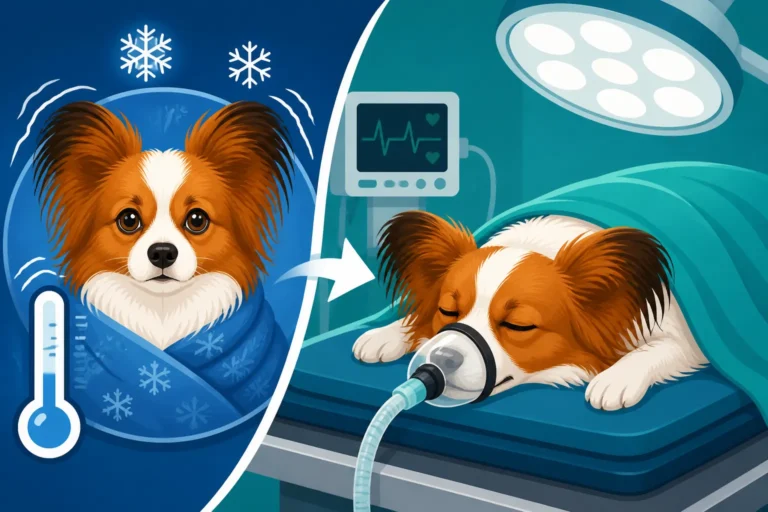
Papillon anesthesia risks and hypothermia causes, weighing five to ten pounds, are explained alongside veterinary warming methods.