Whether a Papillon Suits an Apartment
Papillon apartment living succeeds when owners balance high energy levels and indoor play with proper daily exercise outlets.
Work with the temperament you have.
House-training and crate work, recall, leash manners, separation anxiety, and the behaviors this breed is wired for.
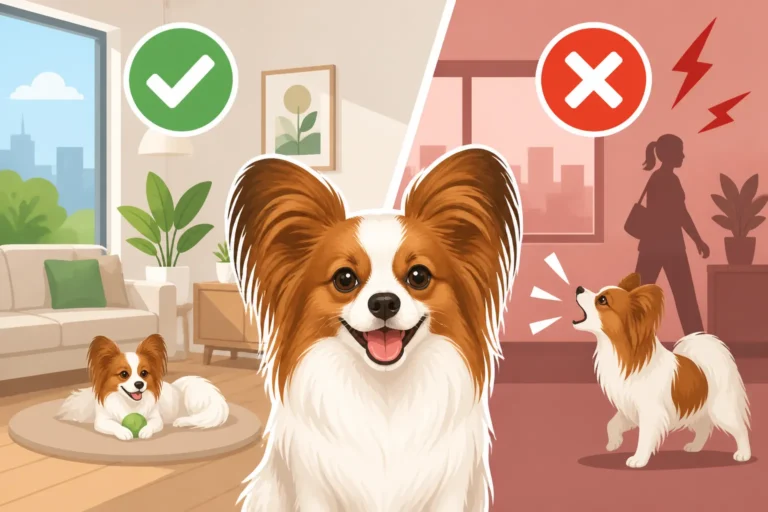
Papillon apartment living succeeds when owners balance high energy levels and indoor play with proper daily exercise outlets.

A Papillon dog brings high intelligence and specific mental stimulation needs that often present unexpected daily training challenges for first-time owners.

Papillon exercise requirements including two to three daily walks of twenty to thirty minutes for physical and mental health.
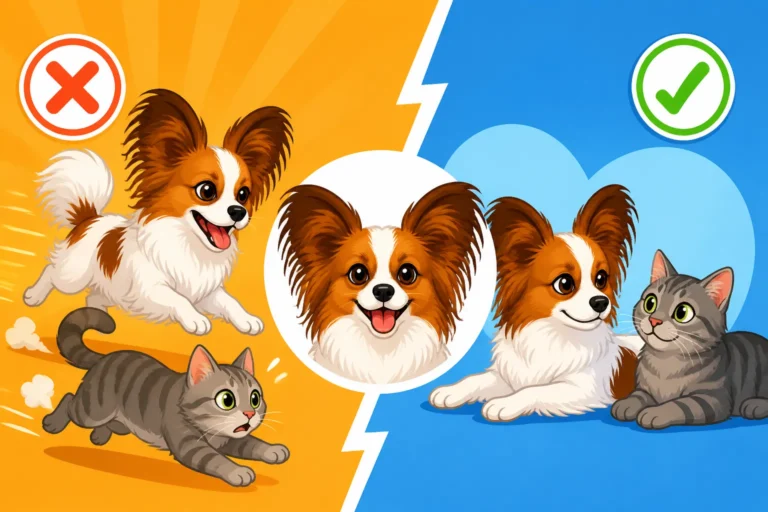
Papillon prey drive, socialization, and personality traits determine whether these intelligent dogs chase resident cats at home.
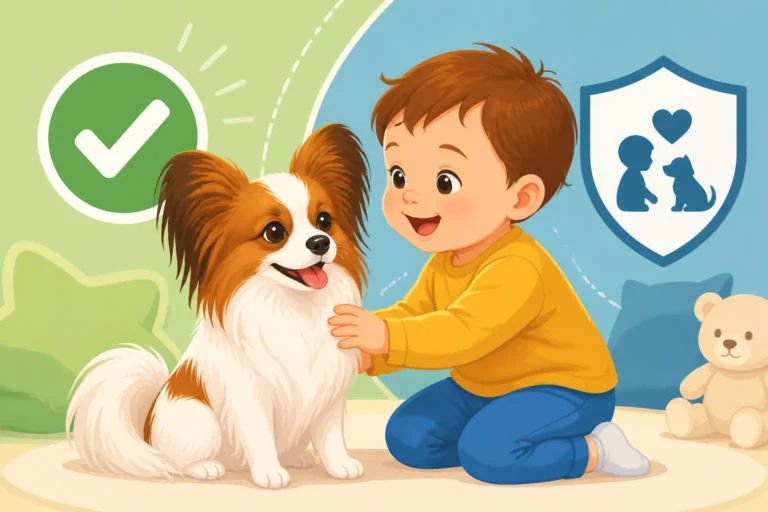
Papillon safety with toddlers involves protecting five to ten pound bodies from injuries caused by energetic play and sudden movements.
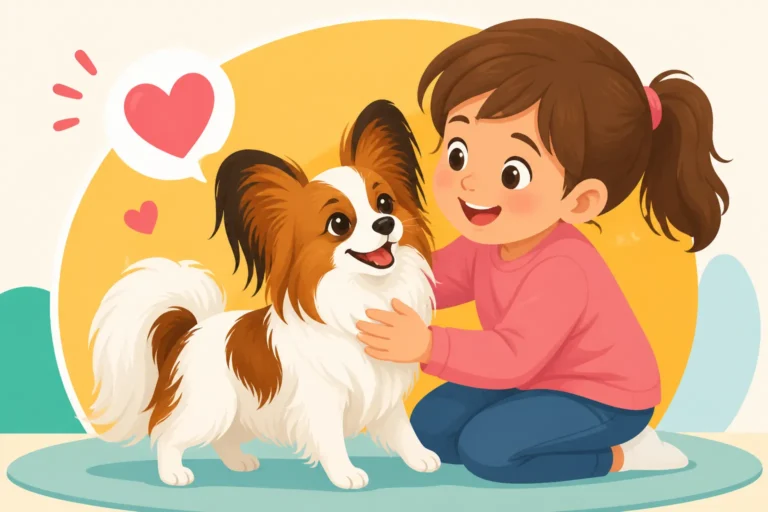
Papillon behavior with children includes playful energy and high intelligence, requiring gentle and consistent interactions for safety.
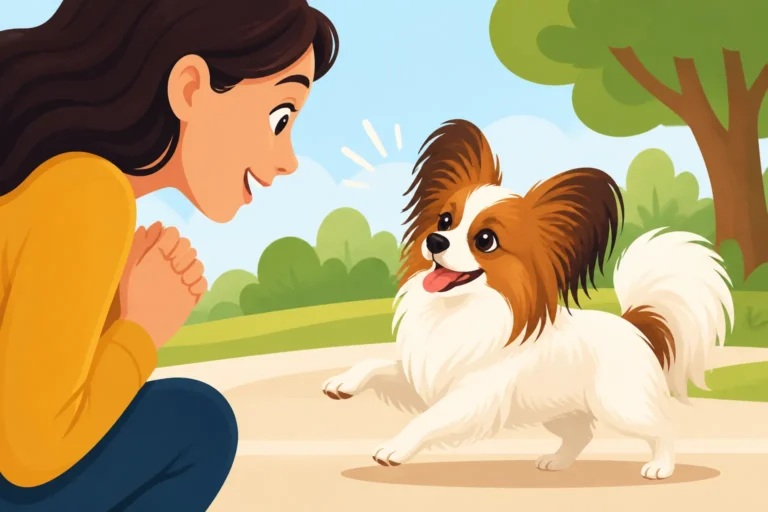
Papillon greeting behavior and stranger reactions involve intelligence, history, and individual personality traits that shape every interaction.
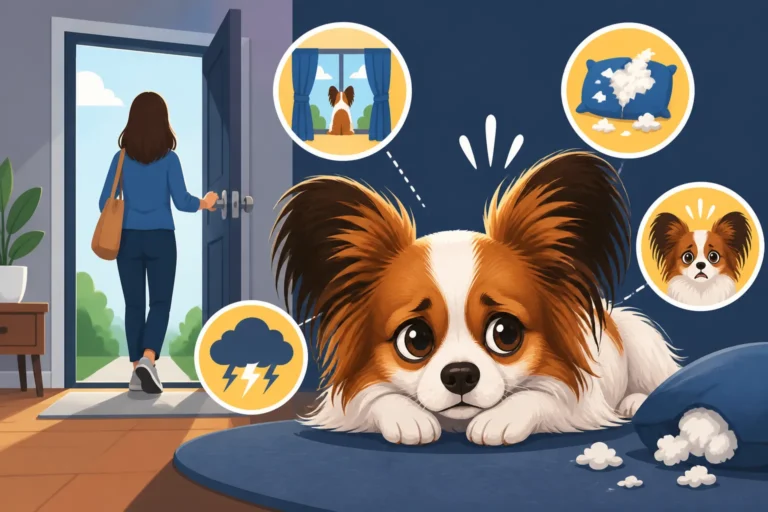
Papillon separation anxiety signs include panic, destructive behavior, and distress when left alone without human companionship.
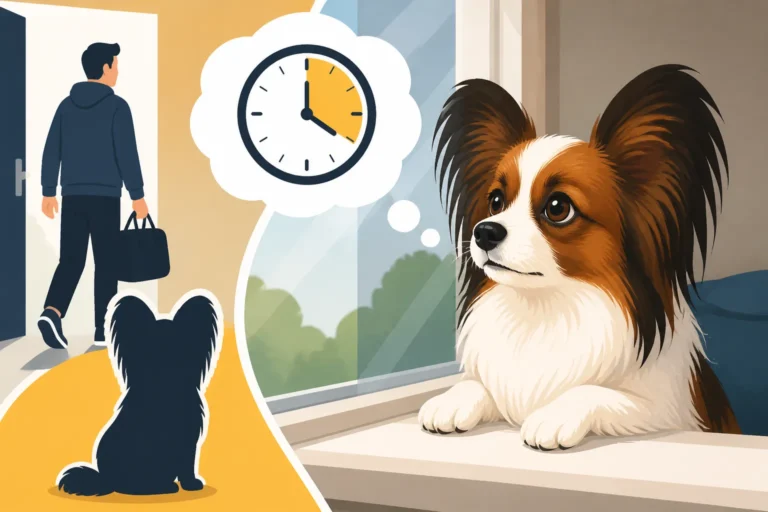
Papillon alone time limits depend on social nature, intelligence, and exercise needs, with strategies for managing separation anxiety.
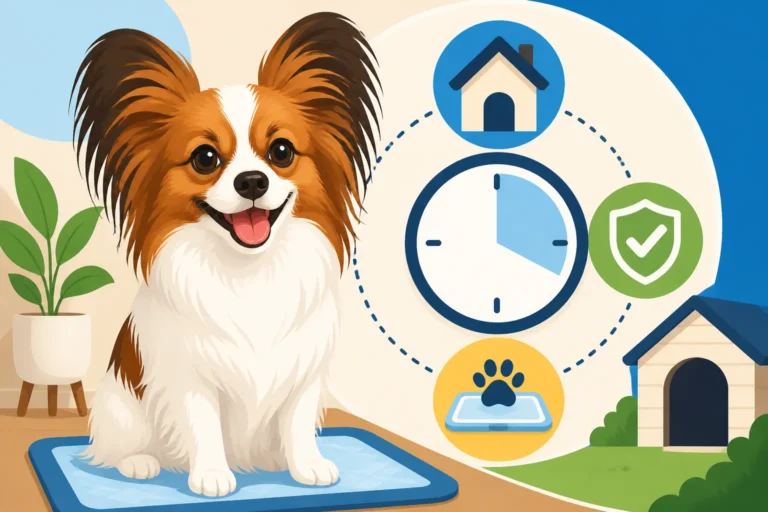
Papillon house training requires taking tiny puppies outside every thirty to sixty minutes because miniature bladders fill very fast.