Whether a Papillon Mix Keeps the Ears
A Papillon mix may inherit upright butterfly ears, soft drop ears, or an in-between shape—and puppy ears can change as they grow. If you are hoping to predict what your dog’s ears will look like, the honest answer is that ancestry offers clues, not a guarantee. This guide explains what influences ear shape, when it may settle, and how to care for either type.
What Papillon Mix Ears Can Look Like
A Papillon mix may have upright, drop, or partly lifted ears
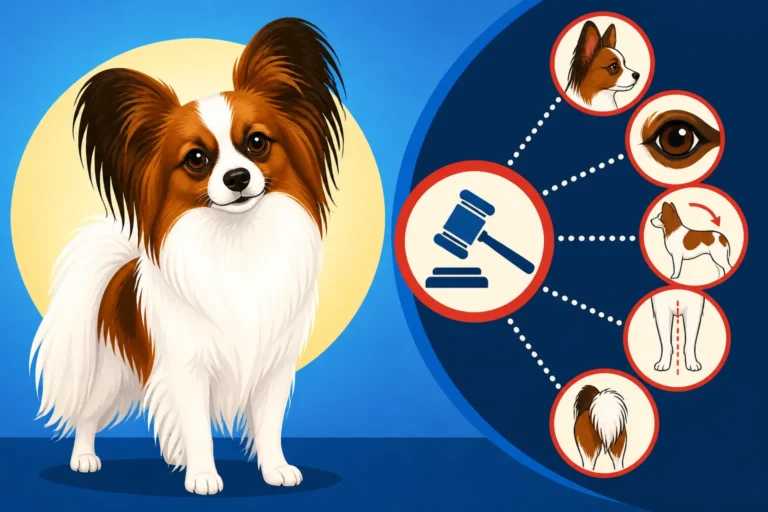
Papillons are known for large, upright ears with long, silky fringe. But a mixed-breed puppy does not automatically inherit that signature look. The other parent’s traits matter, and even puppies from the same litter can grow into noticeably different ear shapes.
A Papillon mix might have ears that stand up, fold over at the tips, sit halfway upright, or hang down. The ears may also be mismatched, with one more upright than the other. That can look unexpected if you pictured a tiny dog with two perfect butterfly wings, but it is a normal possibility in a mixed-breed dog.
The Papillon’s drop-eared counterpart is called the Phalene. The two are varieties of the same breed rather than separate breeds, and their ear carriage is the main visible difference. Learning Papillon Means Butterfly and Phalene Means Moth helps explain why people sometimes see an apparently “Papillon-like” dog with hanging ears.
The other parent’s ear shape is an important clue
A mix with a parent that has naturally erect ears may be more likely to have upright or partly lifted ears than a mix whose other parent has long, floppy ears. Still, appearance alone cannot reliably predict which traits a puppy will inherit. Ear carriage involves inherited traits, cartilage development, and growth, so it is not as simple as looking at one parent and expecting a miniature copy.
For example, a Papillon crossed with a small dog known for prick ears could produce puppies with erect ears, but it could also produce some with folded tips or a softer, semi-erect carriage. A Papillon crossed with a floppy-eared breed may have a greater chance of drop ears, but the puppies may not all match one another.
If you know both parents, their ears can give you a reasonable visual clue—not a promise. If the puppy’s background is unknown, as is often the case with a rescue, its adult ear shape may be even harder to predict. Its current ear position is useful information, but it is only one part of the picture.
A mix is not necessarily a Papillon or a Phalene in appearance
People sometimes use “Papillon mix” as if it describes a consistent look. In practice, the label can cover dogs with different sizes, coats, faces, and ear shapes. One mix may look strongly Papillon-like, while another may take after the other breed in nearly every visible way.
Even within purebred Papillon litters, ears do not always look identical in every puppy, especially while the puppies are developing. A mixed-breed dog adds more variation. If you are choosing a dog because you love the upright ears, consider that a hoped-for feature rather than a dependable outcome.
For more on the two ear types, What the Name Phalene Refers To and Whether a Phalene Is a Separate Breed explain how the drop-eared variety relates to the Papillon. Those distinctions can help you describe what you see, but they still cannot tell you exactly how a particular mix’s ears will develop.
Why a Papillon Mix’s Ears May Change as It Grows
Puppy ears can look different from adult ears
A puppy’s ears may stand up, soften, tilt, or fold as the dog grows. Cartilage and surrounding tissues continue developing, and the head changes shape as the puppy matures. So a pair of ears that looks fully upright one week may not stay in exactly that position.
This can be especially noticeable during teething. Owners sometimes observe changes in ear carriage around this stage, but a temporary change does not necessarily mean the ears will settle in one particular position. Some puppies’ ears rise more firmly with time; others keep a fold or settle into a dropped shape.
It is helpful to take occasional photos rather than trying to judge the final result day by day. A photo from a few weeks earlier can make gradual changes easier to notice. For background on the purebred Papillon’s development, When a Papillon Puppy's Ears Go Up discusses the timing owners often wonder about, though a mix may not follow the same pattern.
Genetics do not work like a simple ear-shape switch
It is tempting to assume that upright ears are one inherited trait and floppy ears are another, with one always “winning.” Real inheritance is more complicated. A puppy receives a mix of traits from both parents, and visible ear carriage can be influenced by more than one factor.
That means even a breeder or veterinarian generally cannot promise the adult ear shape based only on a young puppy’s appearance. Knowing the parents can help set expectations, but siblings may still turn out differently. A puppy with one upright ear and one folded ear is not necessarily showing a problem; it may simply be at a stage where the ears are developing unevenly.
Ear carriage also has no reliable connection to whether a dog is healthier, smarter, or more Papillon-like in temperament. It is an appearance trait. A dog with drop ears can still have plenty of the alert, lively personality people associate with Papillons, and a dog with upright ears is not automatically more closely bonded to the breed.
Look for changes, but do not try to force a particular shape
If your puppy’s ears are changing, keep an eye on them without repeatedly bending or manipulating them. Avoid taping, gluing, or otherwise trying to make the ears stand unless a veterinarian has advised you to do something for a specific medical reason. Cosmetic attempts can irritate delicate skin or cause discomfort, and they cannot guarantee a particular adult shape.
If an ear suddenly becomes swollen, painful, hot, or markedly different from the other, that is a separate concern from normal changes in carriage. Likewise, persistent scratching, head shaking, discharge, or an unpleasant smell may point to an ear problem that deserves veterinary attention. Those signs should not be dismissed as part of “puppy ears.”
The basic distinction between the Papillon’s upright ears and the Phalene’s hanging ears is covered in Whether a Phalene Can Be Shown Against a Papillon. For a mixed dog, however, the most useful approach is to accept the ear shape that develops and focus on comfort and health.
How to Care for Either Ear Shape
Check the ears gently during ordinary handling
Whether your Papillon mix has upright or drop ears, make a quick, gentle ear check part of routine handling. Look for redness, debris, a strong odor, unusual moisture, or sensitivity when you touch near the ear. You do not need to poke deep into the ear canal; simply lifting or looking at the visible part is enough for a basic check.
A calm routine can make future grooming and veterinary examinations less stressful. Pair a brief touch with praise or a small treat, then stop before the puppy becomes restless. If the dog pulls away, growls, or seems painful, do not force the examination. A veterinarian can help determine what is going on and show you safe handling techniques.
Ear shape alone does not mean that a dog will get an infection. Drop ears can feel warmer or retain moisture more readily in some situations, but upright ears still need attention. The relevant signs are changes in the ear’s condition and your dog’s comfort, not whether the ears stand.
Clean only when needed and use dog-appropriate products
Routine deep cleaning is not necessary for every dog. If your veterinarian recommends an ear cleaner, follow the product directions and the clinic’s instructions. Do not put cotton swabs deep into the canal, and do not use household products or leftover medication without veterinary guidance.
For a dog with long ear fringe, brush the hair gently and check that it is not tangled or pulling at the skin. Avoid tugging on the fringe, especially if the puppy is still getting used to grooming. A soft brush or comb and a dog-safe detangling product can help with the outer hair when appropriate; keep products out of the ear canal and away from the eyes.
If you need basic grooming supplies, you can compare dog brushes, combs, and ear-care products at retailers such as Chewy, then confirm with your veterinarian which items are suitable for your dog. The goal is comfortable routine care, not changing the ear’s shape. For more on coat maintenance, How Often a Papillon Needs Brushing covers the kind of regular grooming that can help keep feathering manageable.
Ask a veterinarian about symptoms, not appearance preferences
A veterinarian can tell you whether an ear looks healthy and whether a symptom needs treatment. They generally cannot guarantee whether a young mixed-breed puppy’s ears will stand permanently, because that is a developmental and inherited trait rather than a condition that can be predicted with certainty.
Book an examination if your dog has repeated head shaking, persistent scratching, pain, swelling, discharge, bleeding, or a strong odor. These signs can have different causes, so using a cleaner or medication at random may delay the right treatment. If symptoms are severe or your dog seems unwell, contact a veterinary clinic promptly.
If you are adopting a Papillon mix, ask what is known about the dog’s parents and medical history, but do not let ear shape become a measure of the dog’s value. The ears may be upright, folded, or somewhere in between. What matters most is that they are comfortable and healthy—and that you like the individual dog you are bringing home.
What to Expect From a Papillon Mix’s Ears
| What you observe | What it may mean | What to do |
|---|---|---|
| Both ears stand upright | The dog may have inherited more erect ear carriage | Enjoy the look and check the ears as part of normal care |
| Ears fold at the tips | The dog may have a partly lifted or changing ear shape | Monitor development without trying to force the ears upright |
| Both ears hang down | The dog may have inherited drop-ear traits | Keep the ears clean and dry as advised by your veterinarian |
| One ear stands and one folds | The ears may be developing at different rates or may remain uneven | Watch for comfort and health changes rather than appearance alone |
| Redness, odor, discharge, pain, or repeated head shaking | There may be an ear-health problem | Contact a veterinarian for assessment |
A Papillon mix can keep upright ears, but there is no dependable way to guarantee that outcome from the breed label alone. The other parent’s traits, inherited variation, and the puppy’s development all matter. If the ears change as your dog grows, that does not make the dog less lovable or less lively. Keep them comfortable, notice symptoms, and let your veterinarian guide care when something seems wrong.
Disclaimer
This article is for general informational purposes only and does not constitute professional advice. Laws, prices and regulations vary by location and change over time. Consult a qualified professional for guidance on your specific situation.