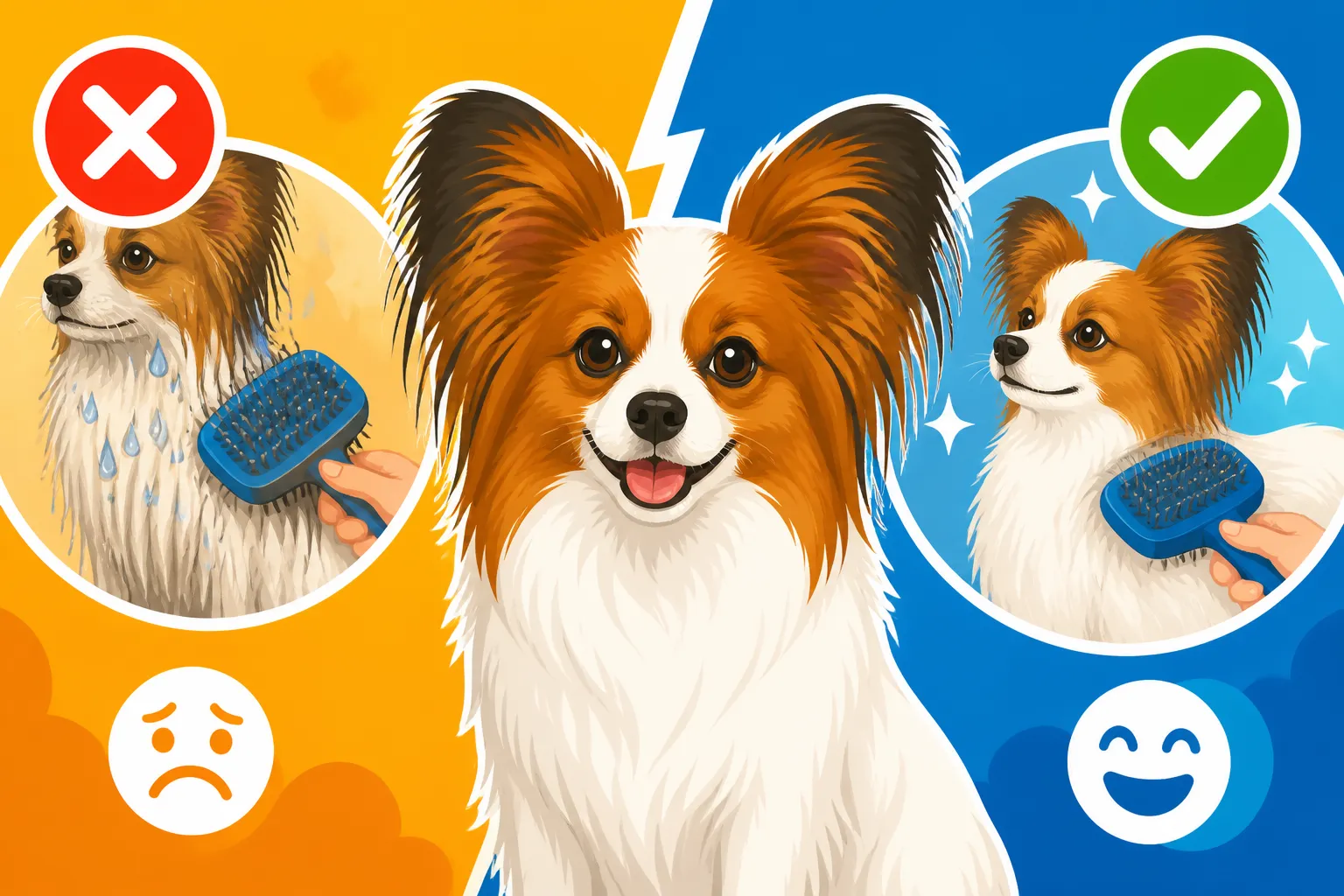
Whether a Papillon Should Be Brushed Damp
One of the most common grooming frustrations for Papillon owners is battling those insidious mats and persistent static electricity, especially when the air is dry. You start brushing, and it feels like you're creating more problems than you're solving, with fine hairs floating everywhere and tangles seemingly multiplying right before your eyes. This guide is here to walk you through the often-debated topic of damp brushing for Papillons, detailing when and how this technique can be your secret weapon against coat woes, and when it's best to keep things dry.
Understanding Your Papillon's Unique Coat
Before we dive into the nitty-gritty of damp brushing, it’s really important to understand what makes your Papillon's coat so special. It's not just "long hair"; it has specific characteristics that dictate how we should best care for it. Misunderstanding these can lead to frustration and even damage.
The Silky, Single Layer Secret
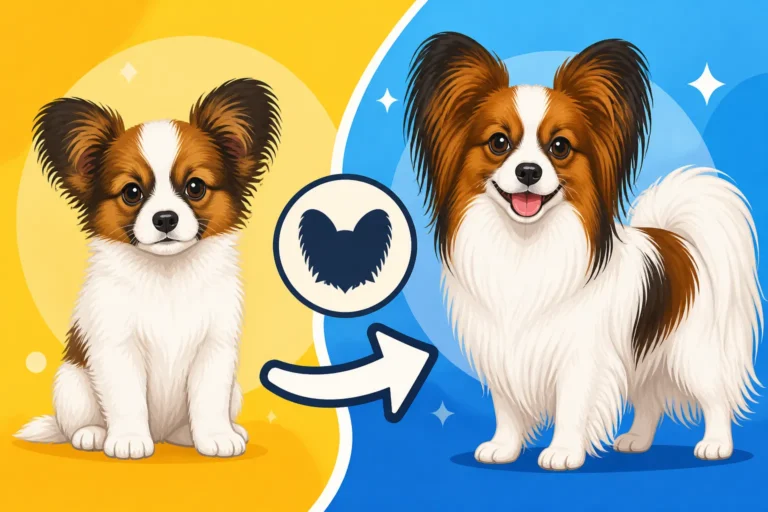
Unlike many long-haired breeds that come with a thick, dense double coat, your Papillon boasts a single-layer coat. This means there's no woolly undercoat to contend with, which is often a blessing when it comes to shedding and overall grooming effort. The Papillon's coat is typically described as fine and silky, falling elegantly over their body, with those characteristic fringes on their ears, chest, and tail. It’s this delicate, flowing quality that gives them their distinctive look and, ironically, also makes them prone to certain grooming challenges. You might want to check out A Papillon's Coat Is All Fringe and No Undercoat for more on this unique characteristic.
This lack of an undercoat contributes to why Papillons are often considered a more manageable long-haired breed. While they still shed, it’s usually less dramatic than breeds with a heavy undercoat "blowing" twice a year. However, don't let the simplicity fool you; this fine, silky texture requires its own specific approach to prevent breakage and maintain its lustrous sheen. It's a coat designed for elegance, not for rough-and-tumble neglect.
Why the Papillon Coat Mats
Despite the lack of an undercoat, Papillons are certainly not immune to matting. Their fine, silky hairs love to tangle together, especially in areas of high friction. Think about the spots where their leg meets their body, behind their ears where they scratch, or underneath a harness. These are prime locations for mats to develop, turning those beautiful flowing locks into stubborn, felted knots. Even a quick roll on the carpet can sometimes initiate a small tangle that, if left unattended, can quickly escalate.
Static electricity is another huge culprit, especially in dry environments or during colder months. When the air lacks humidity, the friction from movement or even brushing can create static charges that make individual hairs repel each other, leading to a tangled mess. This static also makes the hair more prone to breakage, as it becomes brittle and snaps rather than sliding past other strands. Understanding Where a Papillon Mats can help you focus your grooming efforts on these problem areas.
Regular grooming is your best defense. Mats don't just look unsightly; they can be painful for your Papillon, pulling on their skin. Severe mats can even hide skin infections or parasites, so preventing them is crucial for their comfort and health. It truly is a case where an ounce of prevention is worth a pound of cure, or in this case, hours of painstaking dematting.
The Dry Brushing Dilemma
So, you grab your brush and dive in, tackling that dry coat head-on. What often happens? A cloud of floating hair, static sparks, and perhaps even some snapping hairs. Brushing a completely dry Papillon coat, especially one that's already a bit tangled or static-prone, can be surprisingly counterproductive. The dry bristles can snag on the delicate strands, causing them to break or pull, which is not only uncomfortable for your dog but also damages the coat over time, leading to frizz and split ends.
Moreover, dry brushing can exacerbate static electricity. As the brush moves through the dry hair, it generates friction, creating static charges that make the hair fly around and become even more unruly. This "flyaway" hair then tangles more easily, perpetuating a frustrating cycle. It can feel like you're chasing your tail, trying to smooth out one section only for another to become tangled or static-filled.
This dilemma often leaves owners wondering if they're doing something wrong, or if their Papillon simply has a "bad" coat. The truth is, it's often less about the coat itself and more about the technique. If you've ever felt like you're fighting an uphill battle with your Papillon's coat using a dry brush, you're not alone, and it's a perfectly valid frustration.
The Case for Damp Brushing: Pros and Cons
This is where the concept of damp brushing comes into play. It's a technique that many long-haired dog owners swear by, and for good reason. However, like any grooming method, it has its advantages and potential pitfalls.
Benefits of Brushing Damp
The primary benefit of damp brushing is a significant reduction in static electricity. Introducing a little moisture to the coat helps to dissipate static charges, allowing your brush to glide more smoothly through the hair. This means fewer flyaways, less breakage, and a much more pleasant experience for both you and your Papillon. It makes the hair more pliable, preventing those painful snags and pulls that can deter a sensitive dog from future grooming sessions.
Secondly, damp brushing is incredibly effective at preventing and working out minor tangles and mats. The moisture helps to loosen the knots, making them easier to detangle with a comb or brush without resorting to harsh pulling. Think of it like trying to comb dry, tangled human hair versus combing it when it's slightly damp with a detangler – the latter is always far more efficient and gentle. This gentleness is crucial for maintaining the integrity and health of your Papillon's delicate coat.
Furthermore, damp brushing can help distribute natural oils throughout the coat, promoting a healthier sheen. It also helps to settle loose hair, ensuring that more of it ends up in the brush rather than scattered around your home. For a detailed guide on routine care, check out Why a Papillon's Long Coat Takes Twenty Minutes a Week. Using a good quality detangler in conjunction with damp brushing also helps seal the hair shaft, making it smoother and less prone to future tangles.
Potential Drawbacks to Consider
While damp brushing offers many advantages, it's not without its potential downsides, primarily if done incorrectly. The biggest mistake is brushing a coat that is too wet. If your Papillon’s hair is soaking wet, it's much more fragile and prone to stretching and breaking. Imagine trying to brush wet human hair – it's more elastic and can snap easily. The same applies to your Papillon's delicate strands. A very wet coat can also take a long time to dry, which can be uncomfortable for your dog and, if not thoroughly dried, could lead to skin irritation or even mildew in severe cases, especially if your dog tends to burrow into damp bedding.
Another potential issue is simply making tangles worse if you don't use the right tools or technique. If you're just using a regular slicker brush on a wet, tangled coat without first gently working through the knots with a wide-toothed comb, you might push the tangles deeper, making them tighter and harder to remove. This is why the how of damp brushing is just as important as the why.
Lastly, if you're using products that aren't suitable for your Papillon's coat, or using too much product, you could end up with a greasy or sticky residue that attracts dirt and defeats the purpose of grooming. It’s a delicate balance, and finding the right moisture level and product is key.
"Damp" vs. "Wet": Clarify the Difference
This distinction is absolutely critical to the success of damp brushing. When we say "damp," we mean just barely moist, like a fine mist has settled on the coat. Think of it like a very light morning dew, not a recent rain shower. Your Papillon's coat should not be dripping, nor should it feel heavy with water. It should feel cool and slightly pliable to the touch, but not saturated.
A "wet" coat, on the other hand, is when the hair is visibly wet, clinging together, and feels heavy with water. This is the state where hair is most vulnerable to damage and breakage. If you can squeeze water out of your Papillon's coat, it's too wet for brushing. The goal of dampness is simply to add enough hydration to neutralize static and increase flexibility, allowing the brush to move through with minimal resistance and friction. Over-wetting completely defeats this purpose and introduces the risks mentioned above. It’s all about a light touch.
How to Properly Damp Brush Your Papillon
Now that we understand the benefits and pitfalls, let's get into the practical steps of how to damp brush your Papillon effectively and safely. Getting the technique right will make all the difference.
Gathering Your Grooming Arsenal
Before you even think about spraying your Papillon, make sure you have the right tools at hand. This is not a job for just any old brush. You'll need:
- A fine mist spray bottle: This is non-negotiable. You need to control the amount of moisture precisely.
- A good quality detangling spray or conditioning spray: Something lightweight that won't leave a greasy residue. Many excellent options are available from retailers like Chewy or Amazon. Look for sprays specifically designed for long-coated dogs. These sprays not only add moisture but also contain conditioning agents that help smooth the hair cuticle.
- A pin brush: A brush with long, rounded pins that can reach through the coat without scratching the skin. The pins should be smooth, not topped with little plastic balls that can pull hair. This is your primary brushing tool. Check out Which Brush a Papillon Needs for more insights on selecting brushes.
- A metal Greyhound comb (or similar fine/coarse comb): This is essential for tackling those smaller tangles and for ensuring you've completely brushed out all mats. The teeth should be wide enough not to pull but close enough to catch small knots.
- A slicker brush (optional): Some owners like to follow up with a very soft slicker brush for added smoothness and to remove any remaining loose hairs, but be gentle as a harsh slicker can damage fine Papillon coats.
Having everything within arm's reach before you start means you won't have to interrupt the process, which can make your Papillon restless. Consistency and comfort are key to a positive grooming experience.
Step-by-Step Damp Brushing Technique
Alright, let's get this done! Here's the routine I recommend:
- Prep the Area and Your Pup: Find a comfortable, well-lit spot where your Papillon feels secure. A grooming table with a non-slip mat is ideal, but a stable counter or even your lap works if they're small enough. Give your dog some praise and perhaps a small treat to make it a positive experience.
- Lightly Mist Section by Section: Take your fine mist spray bottle, perhaps with a touch of detangling spray in it (or use a dedicated detangling spray). Lightly mist a small section of your Papillon's coat, starting from the bottom layers (e.g., a leg or part of the chest). You want the hair to be barely damp, not wet. Focus on one small section at a time. Do not spray the entire dog at once, as the moisture will evaporate before you get to it, and you'll risk over-wetting.
- Brush Through with a Pin Brush: Immediately after misting a section, gently brush through it with your pin brush. Start from the ends of the hair and work your way up to the skin, using smooth, downward strokes. If you encounter a tangle, don't yank! Hold the hair above the tangle close to the skin to minimize pulling, and gently pick at the knot with the tips of your pin brush or the coarse side of your metal comb.
- Comb for Thoroughness: Once you've brushed a section with the pin brush, follow up with your metal comb. Start with the coarser teeth to ensure all tangles are out, then finish with the finer teeth if needed. You should be able to comb through the section from root to tip without meeting any resistance. If the comb snags, go back to step 3. Pay extra attention to problem areas like the ear fringes, culottes, and tail plume. Remember to refer to The Plume, the Culottes and a Papillon's Chest Frill for those specific areas.
- Repeat and Move On: Continue this process, misting, brushing, and combing, section by section, until you've gone over your entire Papillon's coat. Don't forget the chest frill and the hair on their belly. Patience is a virtue here; rushing can lead to missed mats or discomfort for your dog.
- Final Buff (Optional): Once the entire coat is tangle-free and damp-brushed, you can allow it to air dry, or, for extra fluff and shine, you can gently blow-dry on a cool setting while continuing to brush. This helps ensure no moisture is left lingering, particularly if your dog has very dense fringe. For tips on drying, consider Whether a Papillon Must Be Blow Dried.
| Step | Tool(s) Used | Key Action | Purpose |
|---|---|---|---|
| Preparation | Treats, Grooming Surface | Secure your Papillon | Ensure comfort and stability. |
| Mist & Section | Fine Mist Spray Bottle, Detangling Spray (e.g., found on Chewy) | Lightly mist small coat sections | Dampen hair to reduce static and increase pliability. |
| Brush First | Pin Brush | Brush from ends to roots in small strokes | Gently remove initial tangles and separate hairs. |
| Comb Thoroughly | Metal Greyhound Comb | Comb through brushed sections (coarse then fine) | Ensure all knots are removed; identify missed tangles. |
| Repeat | All of the above | Move to next section, mist, brush, comb | Cover the entire coat methodically. |
| Finish | (Optional) Soft Slicker Brush, Cool Blow Dryer | Final smoothing, ensure dryness | Enhance shine, remove loose hairs, prevent lingering dampness. |
After the Brush: Ensuring a Healthy Finish
Once you've meticulously damp-brushed your Papillon, the job isn't quite over. It's important to ensure their coat is fully dry to prevent any skin issues. If you've only used a very light mist and detangler, the coat may air dry quickly. However, if you've used a bit more moisture or live in a humid environment, consider a cool blow-dry to speed things up. Always use a low heat setting to avoid drying out the skin or damaging the delicate hair.
Give your Papillon a final once-over, running your hands through their coat to feel for any overlooked damp spots or emerging tangles. Offer a high-value treat and lots of praise; you want them to associate grooming with positive rewards. This reinforces good behavior for future sessions. Consistent, positive reinforcement is key to making grooming a relaxed routine, not a battle. This consistent care also helps keep their beautiful The Ear Fringe That Gives the Papillon Its Name looking its best.
Remember, a healthy coat also comes from within. Good nutrition plays a role in coat health, as does regular bathing with appropriate Which Shampoo Suits a Papillon's Coat. If you find your Papillon is still prone to excessive matting or static despite regular damp brushing, it might be worth discussing with your vet or a professional groomer.
When to Opt for Dry Brushing (and When to Avoid It)
While damp brushing is fantastic for many situations, it's not the only way to groom your Papillon. Knowing when to use which technique is a sign of a truly experienced Papillon owner.
Daily Maintenance vs. Deep Detangling
For routine, daily tidying, especially if your Papillon hasn't been out rolling in leaves or hasn't developed any noticeable tangles, a quick dry brush might be perfectly acceptable. If the coat is clean, free of static, and already smooth, a gentle pass with a pin brush to remove loose hairs and distribute oils can be done dry. Think of this as a quick "fluff and buff." This kind of light daily brushing helps prevent small issues from becoming big ones, making your more thorough damp brushing sessions less arduous. Many owners find that just a few minutes of How Often a Papillon Needs Brushing each day can save a lot of work down the line.
However, if you feel even the slightest resistance from your brush, or if you spot a budding tangle, it's time to switch to the damp brushing technique. Dry brushing through even small tangles can cause breakage, discomfort, and can make the mat worse by tightening it. The key is to be proactive; catch those little knots before they become stubborn, felted patches.
Specific Scenarios for Dry Brushing
There are definitely times when dry brushing is the ideal choice. For instance, if you're doing a very quick touch-up right before a photo op or a show, and the coat is already pristine, a light dry brush can add a final polished look. Similarly, if your Papillon is freshly bathed and completely blow-dried, a gentle dry brush can help fluff the coat without re-introducing moisture.
Another scenario is when you're simply trying to remove superficial debris like leaves, grass seeds, or light dust after a short walk. In these cases, a quick brush-through with a dry pin brush or even just your hands might be sufficient without needing any dampening spray. The less moisture you introduce unnecessarily, the less drying time is needed, which can be convenient for very busy days.
When Dry Brushing Can Cause Harm
The biggest no-no for dry brushing is attempting to tackle significant mats. If you've got a Papillon with a serious tangle, trying to yank through it with a dry brush will only result in pain for your dog, damage to their coat, and likely a broken brush. The dry hair strands will simply lock tighter, and you'll end up tearing healthy hair rather than loosening the mat. This can also create a negative association with grooming, making future sessions more difficult.
Also, avoid dry brushing if your Papillon’s coat is particularly prone to static electricity. If you live in a dry climate or it's winter, brushing a dry coat can instantly turn it into a frizzy, flyaway mess that tangles immediately after you've brushed it. In these conditions, the slight moisture from a damp brushing session is invaluable for maintaining control and smoothness. When considering Whether Detangler Helps a Papillon, remember it's most effective when paired with dampness to properly coat and smooth the hair.
Ultimately, pay attention to your Papillon's coat. If it feels dry, brittle, or resistant to the brush, damp brushing is almost certainly the better, gentler, and more effective approach. Your Papillon will thank you for the extra care!
Disclaimer
This article is for general informational purposes only and does not constitute professional advice. Laws, prices and regulations vary by location and change over time. Consult a qualified professional for guidance on your specific situation.