Which Shampoo Suits a Papillon’s Coat
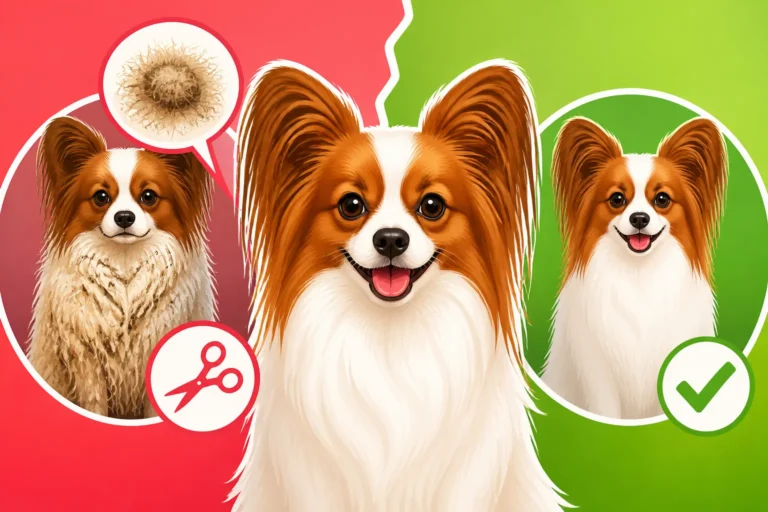
One of the most common frustrations for Papillon parents is trying to keep that glorious, flowing coat looking its best without causing skin irritation or dryness. With their unique single coat, Papillons have specific grooming needs that can make choosing the right shampoo feel like a bewildering task. This guide is here to demystify the world of dog shampoos and help you select the perfect one to keep your Papillon's delicate skin healthy and their beautiful coat shining.
Understanding the Unique Papillon Coat
Before we dive into specific products, it’s truly helpful to understand what makes a Papillon's coat so special. Unlike many double-coated breeds, our butterfly-eared companions boast a luxurious single coat, meaning they lack that dense, insulating underlayer. This distinctive characteristic influences everything from how often you bathe them to what kind of shampoo you should reach for. Their hair is fine, silky, and surprisingly resilient, but it can also be prone to static and tangles if not cared for properly.
This single-layer structure means their skin is more exposed and can be more sensitive to harsh chemicals or drying ingredients. You might think a long coat needs super-strong cleansers, but it's quite the opposite. We're looking for gentle yet effective formulations that protect that delicate balance. A Papillon's Coat Is All Fringe and No Undercoat delves deeper into what makes their fur so unique.
Why the Papillon Coat is Different
The Papillon's coat is truly a work of art, famously described as being "silky" to the touch. It's designed to flow, creating those iconic ear fringes, tail plume, and culottes that give them such an elegant appearance. This isn't a coarse, weather-resistant coat like a terrier's, nor is it a dense, fluffy double coat meant for extreme cold. It's a coat built for beauty and light protection. The very nature of this fine, flowing hair means it can become easily weighed down by heavy, waxy shampoos or stripped of its natural oils by overly harsh ones. The goal is to enhance its natural shine and softness, not to alter its texture or cause unnecessary dryness.
Because there's no thick undercoat, individual strands of hair are less protected. This means that environmental factors, or even just the wrong grooming products, can have a more direct impact on the skin underneath. It’s why you might notice your Papillon gets static electricity more easily than other breeds, especially in dry weather. We're looking for shampoos that respect this inherent delicacy and work with their coat type, not against it.
The Impact of pH on Papillon Skin
Just like humans, dogs have a specific skin pH that's important for maintaining a healthy skin barrier. While human skin is typically acidic (around 5.5-6.5), a dog's skin is generally more alkaline, ranging from 6.2 to 7.4. Using a shampoo formulated for humans, or one with an incorrect pH balance for dogs, can strip your Papillon's skin of its natural protective oils, leading to dryness, itching, and irritation. It can disrupt the natural microflora on their skin, potentially opening the door to bacterial or fungal issues.
This is a critical, often overlooked detail when choosing a shampoo. You want a product specifically designed for dogs, with a pH balanced for canine skin. Manufacturers understand this, and most reputable dog shampoos will clearly state they are pH balanced. Don't fall for the trap of thinking your fancy human shampoo is good enough; it's almost certainly not. Maintaining the correct pH helps preserve the skin's natural defenses and keeps that silky coat healthy from root to tip.
Common Skin and Coat Concerns for Papillons
Even with their generally robust health, Papillons can encounter certain skin and coat challenges that influence shampoo choice. Recognizing these issues is the first step in finding a shampoo that truly helps, rather than exacerbates, the problem. Whether it's dry, flaky skin or an occasional itch, the right product can make a world of difference in your dog's comfort and coat appearance.
Many of these issues are subtle at first, perhaps just a little extra scratching or a slightly duller coat. But if left unaddressed, they can escalate into more significant problems. Our little companions rely on us to be their advocates, especially when they can't tell us what's bothering them. Paying close attention to how their skin and coat feel and look is paramount.
Dealing with Dry or Flaky Skin
Dry skin is a fairly common complaint for many small breeds, and Papillons are no exception. You might notice little white flakes in their beautiful dark fur, or perhaps they're scratching more than usual, even without visible fleas. This can be caused by a variety of factors: dry air in winter, a diet lacking essential fatty acids, or, pertinent to our discussion, using a shampoo that's too harsh or too frequently. Whether a Papillon Gets Dry Skin explores this issue in more detail.
When dealing with dry skin, the key is moisture. Look for shampoos that are specifically formulated to hydrate and soothe. Ingredients like oatmeal, aloe vera, and various natural oils (like coconut or argan oil) can be incredibly beneficial. Avoid anything with strong detergents, artificial fragrances, or sulfates, as these can strip the skin of its natural oils, making the problem worse. The goal is to replenish moisture and calm irritation, creating a healthier environment for the skin and coat to thrive. After a bath, ensuring your Papillon is thoroughly but gently dried can also help prevent further dryness.
Managing Seasonal Allergies and Irritation
Papillons, like many dogs, can experience seasonal allergies or general environmental sensitivities that manifest as skin irritation. This might look like redness, excessive licking or chewing at paws, or general itchiness. While shampoo alone won't cure allergies, the right one can provide immense relief by washing away allergens from the coat and soothing inflamed skin. This is especially important for outdoor-loving Papillons who might roll in pollen or other irritants.
For these situations, a hypoallergenic or sensitive skin shampoo is often the best choice. These products are typically free of dyes, perfumes, and common irritants. Many contain soothing ingredients like oatmeal, which has natural anti-inflammatory properties, or ceramides to help rebuild the skin's barrier. It's about minimizing exposure to potential triggers during bathing and providing a gentle, calming cleanse. Always perform a patch test if you're introducing a new shampoo to an allergy-prone Papillon, just to be safe. Whether a Papillon Gets Skin Allergies offers more insight into managing these sensitivities.
Combatting Dull Coat and Matting
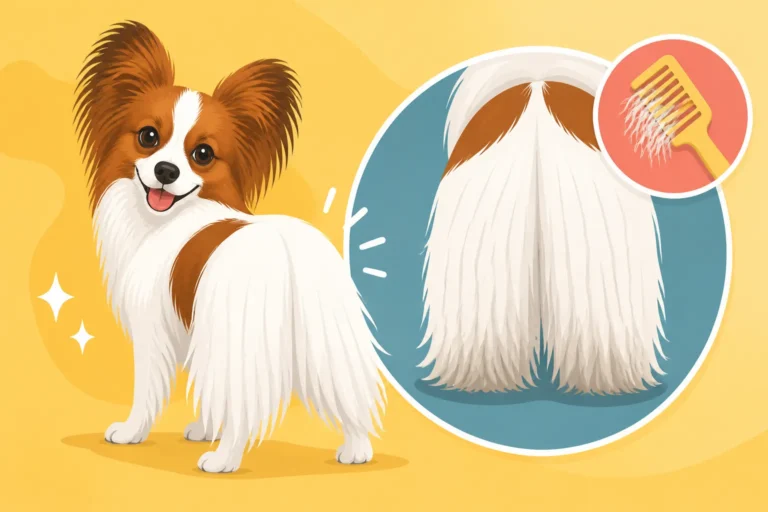
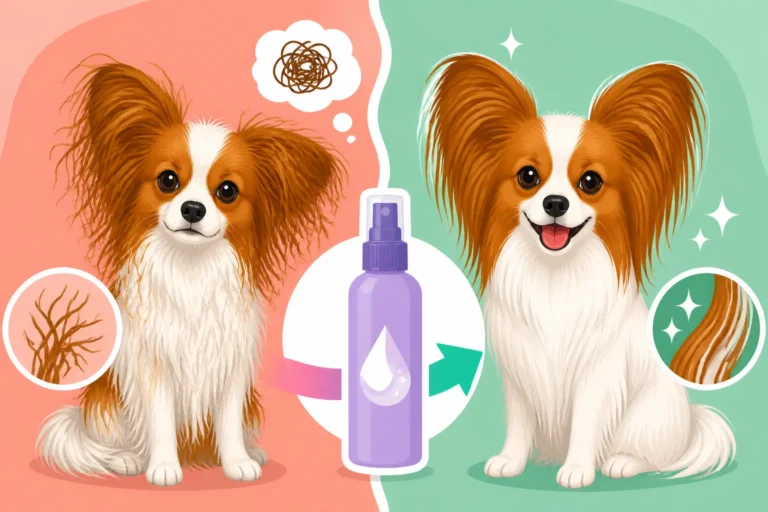
While Papillons are generally low-shedding and their single coat doesn't mat as easily as some breeds with dense undercoats, occasional tangles can still occur, especially in those long fringes and culottes. A dull coat, on the other hand, can be a sign that the coat is either dry, not getting enough nutrients, or that the wrong shampoo is leaving residue or stripping its natural luster. The magnificent Why a Papillon's Coat Is Called Silky deserves to be well-maintained.
For dullness, seek out shampoos designed to enhance shine and condition, often containing ingredients like silk proteins, vitamins, or omega fatty acids. These can help nourish the hair shaft and reflect light for a brilliant sheen. To prevent matting, a good quality conditioning shampoo, followed by a separate conditioner, can make the coat more manageable and easier to brush through. Regular brushing is still your best defense against tangles, but a shampoo that helps smooth the cuticle can certainly aid the process. Remember, Whether a Papillon Should Be Brushed Before Bathing is crucial for preventing mats from setting in further once wet.
Decoding Shampoo Types: A Guide for Papillon Parents
The sheer variety of dog shampoos on the market can be overwhelming, but understanding the categories makes the choice much simpler for your Papillon. Each type of shampoo is designed with a specific purpose in mind, and knowing what those purposes are will guide you to the perfect product for your dog's individual needs. From gentle everyday washes to targeted treatments, there's a shampoo out there for every Papillon.
Don't feel like you have to stick to just one kind forever! Your Papillon's needs might change with the seasons, their age, or if a new skin issue crops up. Having a couple of go-to options for different scenarios can be a smart strategy. The important thing is to read labels carefully and understand what you're putting on your beloved companion's skin and coat.
Gentle and Hypoallergenic Shampoos
For most Papillons, especially those with no particular skin issues, a gentle or hypoallergenic shampoo is the gold standard for regular bathing. These are formulated to be mild, non-irritating, and free from common allergens like harsh dyes, strong artificial fragrances, and sulfates. Think of them as the equivalent of baby shampoo for humans – designed for delicate skin and hair.
Ingredients to look for in these types of shampoos include colloidal oatmeal, aloe vera, chamomile, and gentle cleansers derived from coconut. These ingredients help to soothe the skin, reduce itching, and maintain the natural moisture balance without stripping essential oils. Brands like Earthbath, TropiClean, and Burt's Bees often offer excellent gentle options that you can find easily on Chewy or Amazon. These are perfect for routine cleanings, ensuring your Papillon stays fresh without any adverse reactions.
Moisturizing and Conditioning Shampoos
If your Papillon tends towards dry, flaky skin, or if you live in a dry climate, a moisturizing or conditioning shampoo will be your best friend. These shampoos are packed with emollients and humectants that draw moisture to the skin and coat, helping to rehydrate and replenish. They are designed to leave the coat soft, supple, and less prone to static.
Key ingredients in moisturizing shampoos often include lanolin, various natural oils (like argan, coconut, or jojoba), shea butter, and vitamin E. These work to condition the hair shaft, making it smoother and more manageable, and to nourish the skin. Some are "2-in-1" shampoo and conditioner formulas, but for the best results, many Papillon owners find that using a separate conditioner after shampooing provides superior hydration and detangling benefits. Whether a Papillon Needs Conditioner is definitely a topic worth exploring if you struggle with dryness or tangles.
Deodorizing and Whitening Shampoos
Sometimes, despite regular grooming, a Papillon can develop a bit of a "doggy odor," perhaps from rolling in something interesting outside or just due to their individual skin chemistry. For these instances, a deodorizing shampoo can be really helpful. These aren't just masking scents; they often contain ingredients that neutralize odors at their source.
Whitening shampoos, on the other hand, are specifically formulated for light-colored coats, helping to brighten whites and reduce yellowing or staining. They typically don't contain bleach; rather, they use optical brighteners or gentle stain-removing ingredients to enhance the natural color. For your Papillon's patches of white, a whitening shampoo can make them pop. Be cautious, however, with any whitening product, ensuring it's gentle and doesn't dry out the skin. Always check the ingredients and avoid harsh chemicals. Why a Papillon Smells offers more insight into dealing with unwanted odors.
Medicated and Flea Shampoos (Use with Caution)
Medicated shampoos are a specialized category and should generally only be used under the guidance of your veterinarian. These are formulated to treat specific skin conditions like fungal infections, bacterial dermatitis, or severe allergies. They often contain active ingredients such as chlorhexidine, ketoconazole, or salicylic acid. While highly effective for their intended purpose, they can be drying or irritating if used inappropriately or on a dog that doesn't need them.
Similarly, flea and tick shampoos are designed to kill parasites on contact. While they can be effective in an emergency, they are often not the primary method for long-term parasite control and can contain strong insecticides. For a small breed like a Papillon, always ensure any medicated or flea shampoo is explicitly approved for their size and age. Follow the instructions precisely, paying close attention to contact time and rinsing thoroughly. When in doubt, always consult your vet before using these more potent formulas.
Making the Best Choice: Selecting a Shampoo for Your Papillon
Choosing the right shampoo for your Papillon isn't a one-and-done decision; it's an ongoing process of observation and adjustment based on their individual needs. With so many options available, it can feel like a quest, but by focusing on a few key factors, you can confidently select products that keep your butterfly dog looking and feeling fantastic. Remember, consistency in gentle care is far more important than any single "miracle" product.
Think of it as building a small grooming toolkit. You might have one shampoo for general maintenance and another for specific seasonal issues, like extra dryness in winter. Always have a good, gentle conditioner on hand too, as it’s an indispensable partner to any shampoo for a Papillon's long coat.
What to Look for in Ingredients
When you're staring at a wall of shampoos, the ingredient list is your best friend. For a Papillon, prioritize natural, gentle ingredients and steer clear of harsh chemicals. Here's a quick guide:
- Look For:
- Oatmeal/Colloidal Oatmeal: Soothing, anti-inflammatory, great for sensitive or itchy skin.
- Aloe Vera: Hydrating and calming.
- Natural Oils (Coconut, Argan, Jojoba): Moisturizing and add shine.
- Vitamins (E, B5): Nourish skin and coat.
- Gentle Surfactants: Look for plant-derived cleansers rather than harsh detergents.
- Glycerin: A humectant that attracts moisture.
- Avoid (if possible, especially for sensitive skin):
- Sulfates (SLS, SLES): Can be very drying and stripping.
- Parabens: Preservatives that some owners prefer to avoid.
- Phthalates: Often found in artificial fragrances, can be irritants.
- Artificial Dyes and Fragrances: Common irritants for sensitive skin.
- Alcohol: Can be very drying.
Many natural and organic brands specifically cater to these preferences, and you can often find them with good reviews on platforms like Chewy or Amazon. Reading customer reviews, especially those from owners of small, long-haired breeds, can also provide valuable insight.
The Importance of a Good Rinse
No matter which shampoo you choose, the rinsing process is absolutely paramount for a Papillon. Their long, fine hair can easily trap shampoo residue, which can lead to dullness, skin irritation, and even accelerate matting. This isn't just about rinsing until the bubbles are gone; it's about rinsing until the water runs clear and the coat feels squeaky clean, not slick.
Spend extra time, even when you think you're done, to thoroughly flush out every last bit of product. Start from the neck and work your way down the body, paying special attention to the chest, armpits, culottes, and behind the ears – those areas where product tends to cling. A detachable shower head can be a game-changer here, allowing you to direct the water precisely. Inadequate rinsing is a far more common cause of post-bath skin issues than the shampoo itself, so don't rush this crucial step.
Considering Frequency of Bathing
How often you bathe your Papillon also plays a significant role in coat and skin health. While it might be tempting to bath them frequently to keep them pristine, over-bathing, especially with a harsh shampoo, can strip the natural oils and lead to dry, irritated skin. For most Papillons, bathing every 2-4 weeks is a good general guideline, but this can vary. How Often a Papillon Should Be Bathed goes into more detail on this topic.
Factors like your dog's lifestyle (do they roll in mud daily?), skin sensitivities, and the climate you live in will influence the ideal frequency. If your Papillon has particularly sensitive skin or is prone to dryness, you might stretch baths to once a month or even longer, relying more on regular brushing and spot cleaning. If they're an active agility dog, they might need more frequent cleaning, in which case a very gentle, moisturizing shampoo and conditioner are essential. The key is to find a balance that keeps them clean without compromising their skin's natural barrier.
Comparing Shampoo Types for Papillons
To help you visualize the best choices for your Papillon, here's a table summarizing the different shampoo types and when they might be most suitable, or when to approach with caution.
| Shampoo Type | Primary Benefit | Best For Your Papillon If… | Considerations / When to Avoid |
|---|---|---|---|
| Gentle/Hypoallergenic | Everyday cleansing, soothing | No specific issues, sensitive skin, regular maintenance | May not tackle extreme odors or specific medicated needs |
| Moisturizing/Conditioning | Hydration, softness, shine | Dry skin, dull coat, static electricity, longer coat lengths | Can feel heavy if overused or not rinsed thoroughly |
| Deodorizing | Eliminates odors | Your Papillon has a persistent "doggy" smell | Ensure it's gentle and not just masking odors with strong perfumes |
| Whitening/Brightening | Enhances white patches | You want to brighten your Papillon's white markings | Ensure it's non-drying; some formulas can be harsh if not natural |
| Puppy Shampoo | Extra mild, tear-free | For young Papillon puppies (under 6 months) | Typically not strong enough for adult coat needs |
| Medicated | Treats specific skin conditions | Recommended by vet for fungal/bacterial issues, severe itch | Only use under vet guidance; can be drying if misused. |
| Flea & Tick | Kills parasites on contact | Emergency flea removal, if vet-approved | Use cautiously; often strong chemicals. Not for routine use. |
Disclaimer
This article is for general informational purposes only and does not constitute professional advice. Laws, prices and regulations vary by location and change over time. Consult a qualified professional for guidance on your specific situation.