How Many Cups a Day an Adult Papillon Eats
It can be surprisingly tricky to figure out exactly how much food your adorable, seemingly bottomless-pit Papillon actually needs each day. They're tiny, yet often brimming with energy, and their metabolism is completely different from a larger dog. You might worry about overfeeding and leading to weight gain, or underfeeding and leaving them hungry, especially when every food bag seems to give a wildly wide range for "small dogs." This guide is here to walk you through the nuances of feeding your adult Papillon, so you can confidently give them the right amount of sustenance to thrive.
Understanding Your Papillon's Unique Nutritional Needs
When you look at a Papillon, you see a small, elegant dog, but don't let their delicate appearance fool you. They are robust, energetic, and require a diet that supports their high metabolism and active lifestyle, all within a compact frame. It’s not just about filling a bowl; it’s about providing precise nutrition.
The Papillon's Speedy Metabolism
Tiny dogs like Papillons often have a higher metabolic rate per pound of body weight compared to their larger canine counterparts. This means they burn through calories more quickly. It's why they can eat what seems like a surprising amount for their size, or why a missed meal can sometimes cause more concern than with a larger dog. Their small stature also means they have less body fat reserves, so they rely on a steady, consistent intake of nutrient-dense food to maintain their energy levels and body temperature. This isn't a dog that can just graze on a massive bowl of food all day; they need quality, well-portioned meals.
Energy Levels and Nutrient Density
A Papillon, despite its toy breed classification, is not typically a sedentary lap dog. Many are keen participants in dog sports like agility, or enjoy long, brisk walks with their owners. This active lifestyle demands appropriate fuel. The food you choose for your Papillon needs to be nutrient-dense, packed with the right balance of proteins, fats, and carbohydrates, along with essential vitamins and minerals, without excessive fillers. For instance, a highly active Papillon who competes in agility several times a week will naturally burn more calories than a Papillon whose main activity is snuggling on the sofa. Ignoring these differences can quickly lead to an undernourished or overweight pup. Getting the balance right is crucial for their long-term health and vitality.
Calculating the Right Amount of Food for Your Adult Papillon
Figuring out the exact "cups per day" isn't as simple as just grabbing a measuring cup. There's a bit of detective work involved, blending manufacturer guidelines with your dog's individual needs.
Deciphering Food Labels and Calorie Density
Every dog food bag, whether it's dry kibble, wet food, or even fresh-prepared meals from companies like Ollie, will have a feeding guide. This guide is your starting point, but it's crucial to understand what it means. These guidelines are usually based on a dog's weight and sometimes their activity level, recommending a certain number of cups or cans per day.
However, a "cup" of one brand's kibble might have a vastly different calorie count than a "cup" of another brand's kibble. This is where calorie density comes in. Many high-quality dog foods will list the caloric content per cup or per kilogram on their packaging, often expressed as kcal/cup or ME (Metabolizable Energy) kcal/kg. This number is your most important tool. For example, if your Papillon needs roughly 300 calories a day and their kibble contains 375 kcal/cup, they’d need a bit less than one cup. If another kibble has 250 kcal/cup, they’d need more. Always check this figure, rather than just assuming all "cups" are equal. Many owners get frustrated because they follow the bag, but their dog still gains weight; this calorie density difference is often the culprit.
Adjusting for Activity and Ideal Weight
Once you have the calorie density figured out, you'll need to fine-tune the portion based on your Papillon's actual activity level and whether they are at their ideal weight. An adult Papillon typically weighs between 5 and 10 pounds and stands about 8 to 11 inches tall. If your Papillon is a lively dog that enjoys long walks or training sessions, they'll likely need to be fed at the higher end of the recommended range, or even slightly more, within reason. Conversely, a more sedate Papillon that spends most of its day indoors will need less.
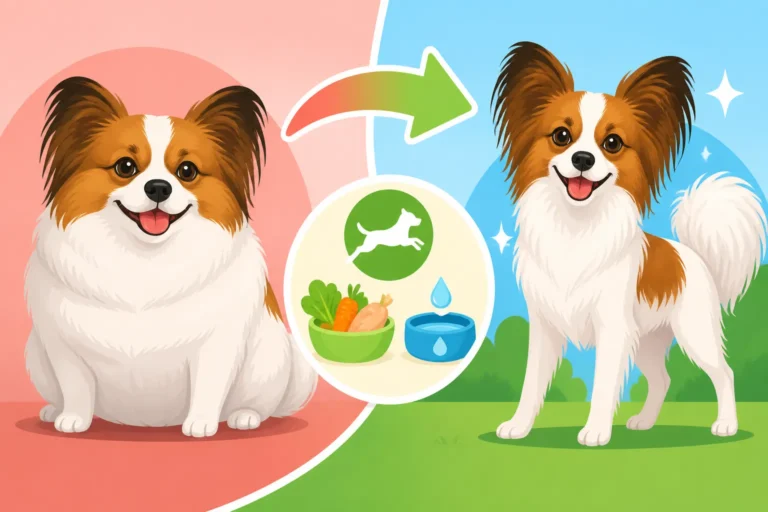
It’s a balancing act. You should be able to easily feel your Papillon's ribs without seeing them protruding, and they should have a discernible waist when viewed from above. If they're looking a bit round, it's time to slightly reduce their portions. If they're looking too lean, increase them. Small adjustments, like adding or subtracting a tablespoon of kibble, can make a significant difference for a dog of their size. It’s important to monitor their weight regularly. Even How Two Extra Ounces Show on a Papillon can impact their overall health, particularly their delicate joints.
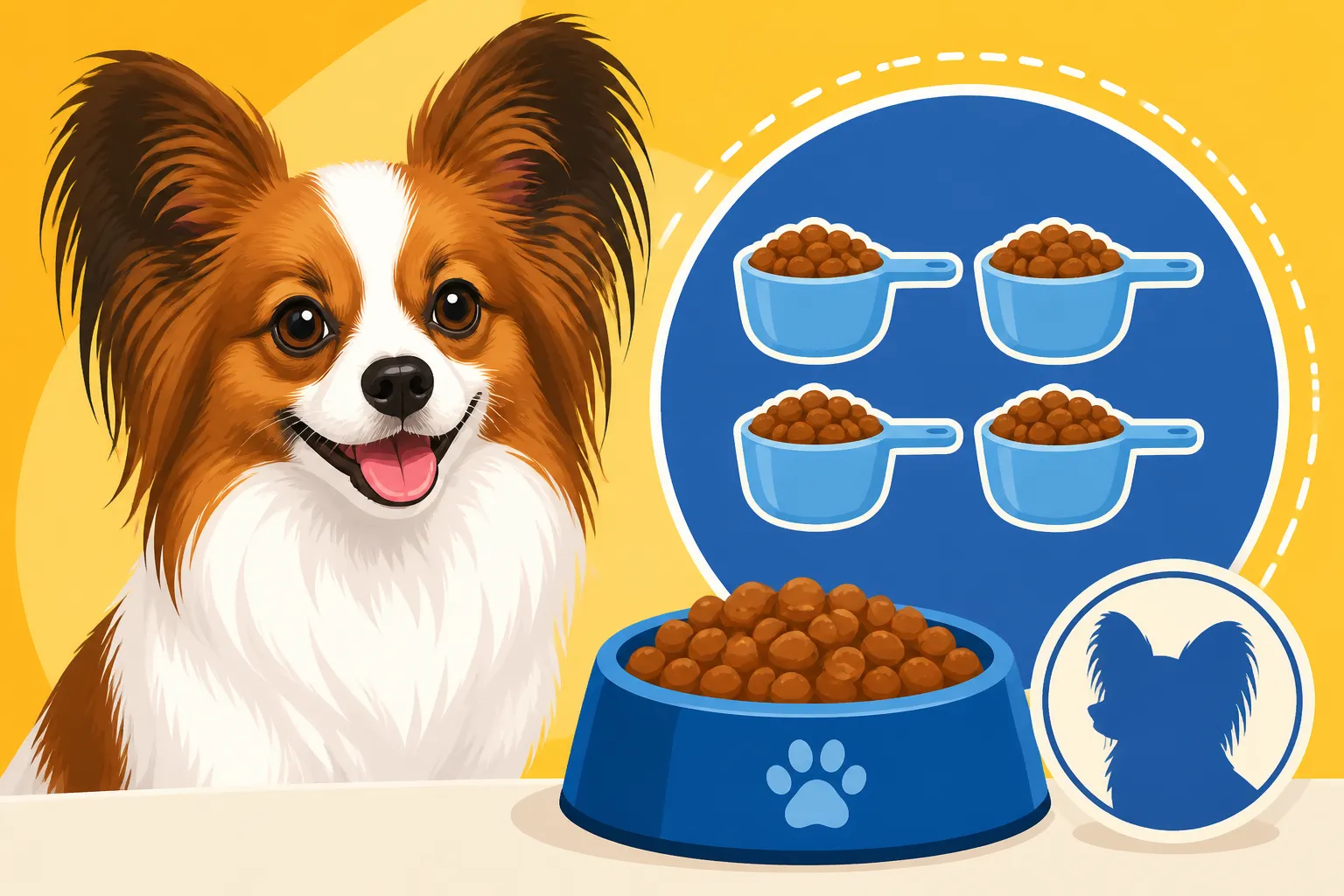
Here’s a general guideline for adult Papillon feeding, but always refer to your specific food's label for accurate calorie information:
| Papillon Weight (lbs) | Activity Level | Approximate Daily Food (cups of standard kibble*) |
|---|---|---|
| 5-7 lbs | Low | 1/4 – 1/2 cup |
| 5-7 lbs | Moderate | 1/2 – 3/4 cup |
| 5-7 lbs | High | 3/4 – 1 cup |
| 8-10 lbs | Low | 1/2 – 3/4 cup |
| 8-10 lbs | Moderate | 3/4 – 1 cup |
| 8-10 lbs | High | 1 – 1 1/4 cups |
*This table assumes a standard kibble of approximately 350-400 kcal per cup. Always check your specific dog food's caloric content and feeding guide.
Factors That Influence Your Papillon's Daily Food Intake
While calorie count and activity are primary considerations, several other factors can and should influence how much food your Papillon receives daily. Ignoring these can lead to unintended weight fluctuations or nutritional deficiencies.
Age and Life Stage
A Papillon's dietary needs change throughout their life. A growing puppy, for instance, requires more calories per pound of body weight to support rapid development. As they transition into adulthood, their growth plateaus, and their caloric needs stabilize. However, once your Papillon reaches its senior years, typically around The Age a Papillon Is Considered Senior, their metabolism may slow down, and their activity levels might decrease. This often means they need fewer calories to maintain a healthy weight. Continuing to feed an older, less active Papillon the same amount they ate in their prime can quickly lead to excess weight, which in turn can exacerbate joint issues and other age-related health problems. Always adapt portions as your dog ages.
Treats and Supplementary Foods
We all love to spoil our Papillons with treats – they’re so good at charming us for them! However, treats, chews, and even tiny scraps from your plate add up, especially for a small dog. For a 7-pound Papillon, even a seemingly small treat can represent a significant percentage of their daily caloric intake. If you're giving a lot of treats for training or just because you love them, you absolutely must reduce their main meal portions accordingly.
Think of it this way: if your Papillon needs 300 calories a day and gets 100 calories from treats, they only need 200 calories from their meals. Many owners overlook this, and then wonder Why a Papillon's Coat Hides Weight Loss until it's too late. When training, opt for very small, low-calorie training treats, or even use a portion of their daily kibble allowance. Remember, treats should never make up more than 10% of their daily calories.
Health Conditions and Climate
Certain health conditions can affect your Papillon's appetite and nutritional requirements. For example, if your Papillon is recovering from surgery or illness, they might need a temporarily increased caloric intake to support healing. Conversely, some conditions or medications might suppress their appetite. Always consult your veterinarian if you notice a significant change in your Papillon's eating habits or weight, as this can be an early sign of an underlying health issue.
Environmental factors like climate can also play a small role. While Papillons are primarily indoor dogs, if you live in a colder climate and your Papillon spends more time outdoors (supervised, of course), they might burn slightly more calories trying to stay warm. Conversely, in very hot weather, their activity might decrease, leading to a slight reduction in caloric need. These are typically minor adjustments, but worth keeping in mind, especially for working or active dogs.
Choosing the Best Food for Your Papillon
Beyond quantity, the quality and type of food you offer your Papillon are paramount. Their small mouths and delicate systems need thoughtful consideration when making mealtime choices.
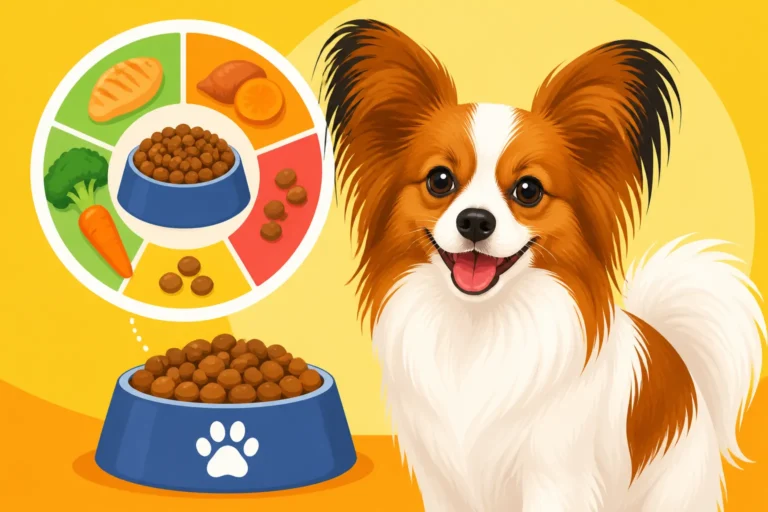
Dry Kibble Versus Wet Food
The most common choice for Papillon owners is dry kibble. It's convenient, cost-effective, and helps keep their small teeth cleaner. When selecting kibble, look for formulas specifically designed for small breeds. The kibble pieces are typically smaller, making it easier for their tiny jaws to pick up and chew. You can find a vast selection of high-quality small breed kibble on sites like Chewy or Amazon.
Wet food, on the other hand, can be a great option for picky eaters or dogs that need extra hydration. It's often more palatable and can be a good way to disguise medication. However, wet food usually has a much lower calorie density than kibble, meaning your Papillon would need to eat a larger volume to get the same number of calories. This can be tricky with their small stomachs. Many owners opt for a mix, feeding kibble for most meals and adding a spoonful of wet food as a topper to entice their pup. This can be especially helpful if you're dealing with a Papillon that tends to be a bit of a food snob and Why a Papillon Holds Out for Something Better.
Fresh Food and Specialized Diets
The popularity of fresh dog food, like that offered by Ollie, has grown considerably. These diets are typically made with human-grade ingredients, lightly cooked, and delivered right to your door. For some Papillon owners, fresh food offers peace of mind regarding ingredient quality and can be highly appealing to dogs who are finicky eaters. The portions are usually pre-calculated, which takes a lot of the guesswork out of daily feeding.
However, fresh food diets can be more expensive and require refrigeration. If you're considering a fresh food diet, discuss it with your vet to ensure it's nutritionally complete and balanced for your Papillon's specific needs. Similarly, if your Papillon has allergies or specific health issues, your vet might recommend a specialized prescription diet. These diets are formulated to address particular health concerns, and adhering strictly to their feeding guidelines, as prescribed by your vet, is vital for your dog's well-being.
Ultimately, the best food for your Papillon is one that is nutritionally complete, palatable, and allows them to maintain an ideal body weight and energy level. Monitor their coat condition, stool quality, and overall demeanor, as these are excellent indicators of how well their food is agreeing with them. Adjusting their food intake is a continuous, gentle process of observation and care, ensuring your beloved butterfly dog gets exactly what they need, every single day.
Disclaimer
This article is for general informational purposes only and does not constitute professional advice. Laws, prices and regulations vary by location and change over time. Consult a qualified professional for guidance on your specific situation.