The Teeth in a Papillon’s Small Jaw
One of the most common, yet often overlooked, health challenges for Papillon owners is managing the dental health of their tiny companions. Their charming, delicate features come with a trade-off: a surprisingly small jaw that can lead to a host of complex and frustrating tooth problems. This comprehensive guide will dive deep into the unique dental landscape of a Papillon, explaining why their small mouths are prone to issues, how to recognize and prevent common diseases, and what professional care really entails.
The Unique Challenges of a Papillon's Oral Anatomy
When you look at a Papillon's sweet, foxy face, it's hard to imagine the dental complexities lurking beneath. Their compact size and refined skull structure, while beautiful, create a mouth environment significantly different from that of larger breeds. This difference isn't just aesthetic; it profoundly impacts the health and longevity of their teeth.
Anatomy of a Papillon's Mouth
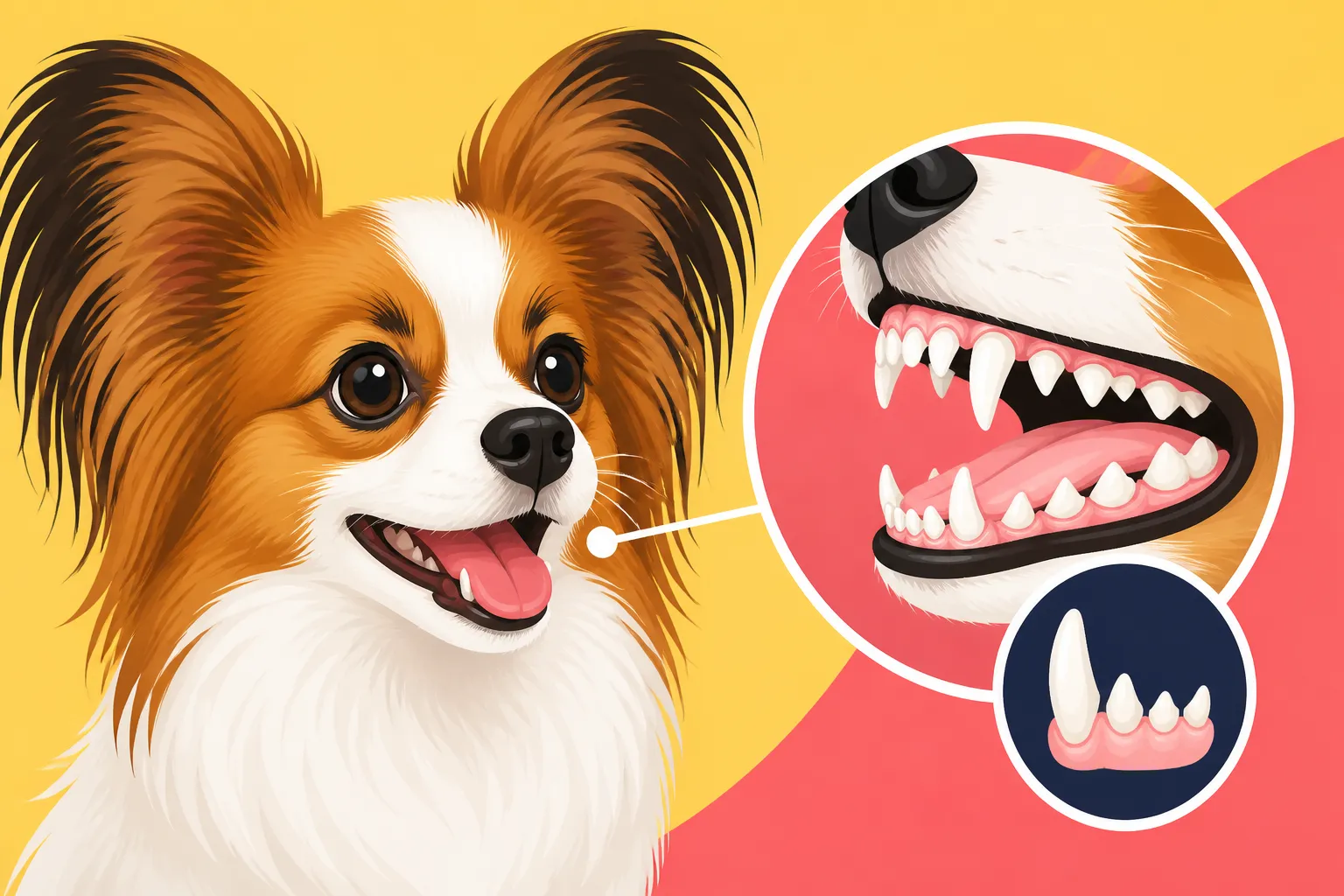
A Papillon's jaw is, simply put, miniature. While the teeth themselves are also scaled down, they are still designed to perform the same functions as those in a much larger dog. This means that a relatively standard number of teeth (usually 42 for an adult dog) are crammed into a space that often isn't quite big enough to accommodate them all perfectly. This anatomical reality is the root cause of many of the dental issues Papillons face. Imagine trying to fit a full set of adult human teeth into a child's mouth; that's somewhat analogous to what's happening. The bones of the jaw are fine and delicate, and the tooth roots, while proportionate, are still anchored in a relatively thin bone structure, which can be vulnerable to disease.
Genetic Predispositions to Dental Issues
Beyond the sheer smallness, genetics play a significant role. Specific breeding practices focusing on smaller and smaller sizes have, perhaps inadvertently, exacerbated these dental challenges. While no gene for "bad teeth" has been isolated in Papillons specifically, the overall genetic blueprint for their head and jaw structure inherently predisposes them to problems like crowding, malocclusion (improper bite), and retained deciduous teeth. These aren't defects in the traditional sense, but rather consequences of selective breeding for a particular aesthetic. It’s not just about the size of the jaw, but often its shape – sometimes a shorter muzzle can mean even less space for teeth to erupt cleanly.
Comparison to Larger Breeds
It's easy to assume all dogs are more or less the same when it comes to teeth, but comparing a Papillon's dental health to that of a Labrador Retriever or a German Shepherd highlights just how unique their situation is. Larger breeds generally have ample space in their mouths for teeth to erupt straight and maintain good spacing. Their jaws are robust, and while they can certainly get dental disease, the type and progression of issues often differ. For a Papillon, a crowded mouth means teeth constantly rub against each other, creating tiny crevices where food particles and bacteria can easily get trapped. This rubbing also prevents the natural self-cleaning action that occurs when larger, well-spaced teeth rub against food during chewing. This means Papillons often develop tartar much faster and more aggressively than their larger counterparts, even with diligent home care.
Common Dental Problems in Papillons
The inherent challenges of a small jaw manifest in a few very common, and very persistent, dental problems for Papillons. These aren't just minor inconveniences; they can lead to significant pain, infection, and even systemic health issues if left unaddressed. Understanding these specific issues is the first step in effective prevention and treatment.
Crowding and Malocclusion
One of the most ubiquitous problems in the Papillon mouth is dental crowding. When there isn't enough space, teeth don't erupt neatly in a row. Instead, they can rotate, overlap, or be pushed into unusual positions. This creates tight, difficult-to-clean spaces between teeth, as well as areas where food and plaque accumulate rapidly. It also means that the dog's bite, or occlusion, is often incorrect. An improper bite can cause certain teeth to wear down abnormally due to constant friction, or even cause teeth to bite into the soft tissues of the gums or palate, leading to chronic irritation, pain, and potential infection.
This crowding also compromises the natural self-cleaning process that some dogs benefit from when chewing kibble or dental chews. Instead of abrasive action cleaning the tooth surface, the crowded teeth simply push debris further into the tight spaces. This is a primary reason why tartar accumulation can seem to happen overnight in a Papillon, despite an owner's best efforts. If you've ever wondered, "Why a Papillon's jaw crowds its teeth?", this lack of jaw real estate is the key.
Retained Deciduous (Baby) Teeth
Another incredibly common issue for Papillon puppies is the retention of their deciduous, or "baby," teeth. In most dog breeds, as the adult teeth erupt, they push out the baby teeth, which then fall out naturally. However, in Papillons, particularly the canines and incisors, the baby teeth often don't fall out when they should. This can happen for a few reasons: the adult tooth might not be erupting in the correct position to push the baby tooth out, or the baby tooth's root might not resorb properly.
When baby teeth are retained, they take up valuable space that the permanent teeth need. This forces the adult teeth to erupt at an angle or in an abnormal position, exacerbating crowding and malocclusion issues. Not only does this lead to poor alignment, but the presence of both baby and adult teeth (a "double row" of teeth) creates a perfect trap for food and plaque between them, accelerating the onset of periodontal disease. It's crucial for Papillon owners to monitor their puppy's mouth carefully and understand "When a Papillon's baby teeth must be pulled" to prevent long-term problems.
Early Onset of Tartar and Plaque
Due to the combination of crowding, retained baby teeth, and the sheer metabolic rate of smaller dogs, Papillons are notorious for developing plaque and tartar at an alarmingly young age. Plaque is a sticky film of bacteria, food particles, and saliva that forms constantly on teeth. If not removed, it hardens into tartar (calculus), a rough, porous substance that provides an ideal surface for more plaque to accumulate and for bacteria to thrive.
In a Papillon, this process often begins much earlier than in larger breeds. It's not uncommon to see significant tartar accumulation on a Papillon's teeth by the age of two or three, sometimes even younger. This rapid progression means that what might be considered "normal" aging dental wear and tear in a larger dog becomes a serious concern much earlier in a Papillon. This early onset of tartar is a direct precursor to periodontal disease and is why proactive, consistent dental care from a young age is absolutely non-negotiable for these little dogs. You might be surprised by "How early tartar appears on a Papillon," making early intervention vital.
Understanding Periodontal Disease
Periodontal disease is the silent epidemic in dogs, particularly in small breeds like Papillons. It's not just about bad breath; it's a progressive, painful, and destructive condition that affects the tissues supporting the teeth. If left untreated, it can lead to tooth loss, chronic pain, and even serious systemic health problems.
Stages of Periodontal Disease
Periodontal disease progresses through several identifiable stages, each more severe than the last.
- Stage 1: Gingivitis. This is the mildest form and is often reversible with proper treatment. You'll notice red, swollen gums, and perhaps a bit of bleeding when brushing. Plaque is present, and tartar may be starting to form. There's no bone loss yet, but it's a clear warning sign.
- Stage 2: Early Periodontitis. At this stage, plaque and tartar are more significant, and the gums are noticeably redder and more swollen. There's usually bad breath (halitosis) and a small amount of bone loss (up to 25%) around the tooth roots. This is when the disease starts to become irreversible, though progression can be halted.
- Stage 3: Moderate Periodontitis. Significant tartar accumulation is visible, and the gums are severely inflamed, often receding. Bone loss is more substantial (25-50%), and pockets may form between the gums and teeth, trapping more bacteria. The dog might show signs of pain, such as difficulty chewing or avoiding hard food.
- Stage 4: Advanced Periodontitis. This is severe. There is extensive tartar, deep periodontal pockets, and more than 50% bone loss. Teeth may be loose, infected, or even missing. Abscesses are common, and the infection can spread into the jawbone or bloodstream, leading to serious systemic health issues affecting organs like the heart, liver, and kidneys. At this point, extractions are almost always necessary.
Understanding these stages helps owners appreciate the importance of early intervention and regular veterinary check-ups to prevent progression.
Impact on Overall Health
The bacteria thriving in a Papillon's diseased mouth don't just stay there. They are constantly swallowed, impacting the digestive system, and can enter the bloodstream through inflamed gum tissues. Once in the bloodstream, these bacteria can travel to major organs, leading to secondary infections or exacerbating existing conditions. Studies have linked chronic periodontal disease to heart disease (endocarditis), kidney disease, and liver problems. A Papillon that suffers from severe dental disease is living with a constant source of infection in its body, putting immense strain on its immune system and vital organs.
Beyond organ damage, chronic pain from dental disease significantly reduces a dog's quality of life. Imagine having a constant toothache. Your Papillon might become lethargic, irritable, lose its appetite, or simply not be its usual happy self. Owners might mistakenly attribute these changes to "old age" when, in fact, they are symptoms of treatable dental pain. Therefore, maintaining good oral hygiene is not just about keeping their teeth in their mouths; it's about safeguarding their entire well-being and contributing to a longer, happier life.
Recognizing the Signs
It's crucial for Papillon owners to be vigilant about recognizing the signs of dental problems. Because Papillons are so small, and their mouths even smaller, it can be easy to miss subtle cues until the disease is quite advanced.
Here are some things to look out for:
- Bad Breath (Halitosis): This is often the first and most obvious sign. While "doggy breath" is common, unusually foul odor is a strong indicator of bacterial overgrowth and infection.
- Red, Swollen, or Bleeding Gums: Healthy gums should be pink and firm. Redness, puffiness, or bleeding (especially when chewing or brushing) indicates inflammation.
- Visible Tartar: A yellowish-brown buildup on the tooth surface, particularly near the gum line, is tartar.
- Difficulty Eating or Chewing: Your Papillon might suddenly prefer softer foods, drop food, chew only on one side of its mouth, or show disinterest in toys it once loved.
- Pawing at the Mouth or Face Rubbing: These can be signs of oral discomfort.
- Receding Gums: The gum line may pull back, exposing more of the tooth root.
- Loose or Missing Teeth: A very late stage sign.
- Drooling: Excessive drooling, sometimes with blood, can indicate pain or infection.
- Behavioral Changes: Any unexplained lethargy, irritability, or withdrawal could stem from chronic pain.
Regularly lifting your Papillon's lips to examine their teeth and gums can help you catch these issues early. Remember, dogs are masters at hiding pain, so by the time symptoms are obvious, the problem may be quite advanced.
Preventative Home Care for Papillons
While the unique anatomy of a Papillon's jaw presents challenges, consistent and diligent home dental care can make a monumental difference in slowing the progression of disease and keeping their mouths healthy. This isn't just about delaying professional cleanings; it's about minimizing the frequency and invasiveness of those procedures.
Daily Brushing Techniques
Brushing your Papillon's teeth daily is the gold standard for home dental care. Yes, daily! Just like human teeth, plaque starts forming within hours. Consistency is key. You'll need a small, soft-bristled toothbrush designed for dogs, or even a finger brush, and dog-specific toothpaste (never human toothpaste, as it contains xylitol which is toxic to dogs).
Start slow and make it a positive experience. Let your Papillon lick the toothpaste off the brush first. Gradually introduce the brush to their teeth, starting with the outside surfaces of the upper canines and molars, which are often the easiest to reach and accumulate the most tartar. Focus on the gum line, where plaque tends to collect. Gently brush in small circular motions. Don't worry if you can't get every tooth perfectly at first. The goal is consistency and making it a routine. "Why a Papillon's teeth need brushing daily" becomes clear when you see how quickly tartar builds up.
When you're dealing with such a small mouth, it can be tricky to reach all the way to the back teeth. Many owners find it easier to approach from the side, gently lifting the cheek. For the inner surfaces, some find a finger brush more manageable, or simply rubbing with a gauze pad after applying toothpaste. Remember to celebrate with praise and a small, healthy treat afterward to reinforce the positive association.
Dental Chews and Diet
While brushing is paramount, certain dental chews and dietary choices can complement your home care routine. Look for Veterinary Oral Health Council (VOHC) approved dental chews, which have been scientifically proven to reduce plaque and tartar. Brands like Greenies, Oravet, and dental care chews from Hill's Science Diet are often recommended. However, always supervise your Papillon when they chew, as some small dogs can break off and swallow large pieces, posing a choking hazard. Also, be mindful of calorie content; these chews can add up quickly in a tiny dog's diet.
As for diet, while some specialized "dental diets" with larger, abrasive kibble are available, their effectiveness can be limited for Papillons due to their small jaw and tendency to swallow kibble whole rather than thoroughly chew. A high-quality, appropriately sized kibble is generally sufficient, but the mechanical action of chewing still isn't a substitute for brushing. Avoid overly soft or sticky foods that can cling to teeth and promote plaque buildup. Consider talking to your vet about "Which kibble a Papillon can actually pick up" and chew effectively.
Regular Oral Inspections
Beyond daily brushing, regular at-home oral inspections are a vital part of preventative care. Get into the habit of gently lifting your Papillon's lips every few days to take a good look at their teeth and gums. This isn't just for checking for tartar; it's also about looking for any redness, swelling, unusual growths, or chipped teeth.
Pay close attention to the gum line and the molars, as these are common areas for issues. If you notice any significant changes, excessive redness, a particularly bad odor, or any signs of pain when you touch their mouth, it's time for a vet visit. Early detection of problems can often mean less invasive and less costly treatment down the line. Becoming familiar with your Papillon's normal mouth allows you to spot abnormalities quickly. This proactive approach helps address issues before they escalate, potentially saving your Papillon from unnecessary discomfort and more extensive interventions.
Professional Dental Care for Papillons
Even with the most meticulous home care, professional dental cleanings are almost an inevitability for Papillons due to their genetic predispositions. These procedures go far beyond what can be achieved at home and are critical for maintaining long-term oral health.
The Importance of Regular Vet Check-ups
Your veterinarian is your most important ally in your Papillon's dental health journey. Regular wellness exams should always include an oral examination. During these check-ups, your vet can assess the overall condition of your Papillon's mouth, identify early signs of periodontal disease, and recommend a professional cleaning schedule. Given how quickly dental disease can progress in Papillons, these regular inspections are vital for catching problems before they become severe.
Your vet can also offer advice tailored to your dog's specific needs, demonstrate proper brushing techniques, and discuss preventative strategies. They can also perform initial screenings to determine if your Papillon has underlying health issues that might complicate anesthesia, such as heart murmurs, especially important if you're considering "Whether a Papillon needs a cardiac exam" before a dental procedure. Don't wait until you see significant problems; proactive vet visits are key.
Professional Cleaning Procedures
A professional dental cleaning for a Papillon is a thorough procedure performed under general anesthesia. This isn't just a "quick scrape"; it's a comprehensive treatment designed to address the full scope of dental disease.
Here's what a typical professional cleaning involves:
- Pre-Anesthetic Bloodwork: This is essential for Papillons, especially given their sensitivity to anesthesia. It checks kidney and liver function and ensures your dog is healthy enough for the procedure. You'll want to ask "Whether a Papillon needs bloodwork before a dental."
- Anesthesia: General anesthesia is necessary to allow for a complete and safe examination and cleaning. Your vet will monitor your Papillon's vital signs closely throughout the procedure. Many owners worry about "Anesthesia and a Five Pound Papillon," but modern veterinary anesthesia is very safe, especially with proper monitoring and pre-screening.
- Full Oral Examination: Once anesthetized, the vet can thoroughly examine every tooth surface, including probing beneath the gum line for pockets and evaluating the extent of bone loss.
- Dental Radiographs (X-rays): These are crucial, especially for small breeds. Often, what you see on the surface is only part of the story. X-rays reveal issues below the gum line, such as abscesses, bone loss, un-erupted teeth, or retained root fragments, which would otherwise go undetected.
- Scaling and Polishing: Specialized ultrasonic scalers are used to remove plaque and tartar from both above and below the gum line. After scaling, the teeth are polished to create a smooth surface, which helps deter plaque from sticking.
- Extractions: If severe periodontal disease, fractures, or persistent retained baby teeth are found, extractions may be necessary. This is often the hardest part for owners to accept, but removing painful, infected teeth is vital for your Papillon's comfort and health. The cost of "What extractions add to a Papillon's dental bill" can be significant, but necessary.
Depending on the severity of the disease, a Papillon might need professional cleanings every year or every other year. Your vet will advise you on the appropriate frequency.
Extractions and Advanced Care
When dental disease is advanced, extractions become a necessary part of treatment. While no one wants their dog to lose teeth, removing painful, infected, or severely diseased teeth is often the kindest and healthiest option. Leaving such teeth in the mouth can lead to chronic pain, spread of infection, and compromise overall health. Modern veterinary dentistry ensures that extractions are performed with the utmost care, including local nerve blocks to minimize pain during and after the procedure.
For more complex cases, such as advanced bone loss, complicated fractures, or oral masses, your veterinarian might recommend a referral to a veterinary dental specialist. These specialists have advanced training and equipment to handle intricate procedures, including root canals, restorative dentistry, and oral surgery, offering the best possible outcome for your Papillon. Understanding "Whether a Papillon needs knee surgery" is common, but don't overlook "Whether a Papillon needs a yearly eye exam" or specialized dental care.
Managing Dental Health Throughout Life
A Papillon's dental needs evolve throughout its lifespan, from the eruption of puppy teeth to the challenges of old age. A proactive approach at each stage ensures that these delicate dogs can maintain healthy, pain-free mouths for as long as possible.
Puppy Dental Care
The dental journey for a Papillon begins even before their adult teeth fully emerge. Puppyhood is a critical time for establishing good habits and addressing potential problems early.
- Early Handling and Brushing Introduction: Start getting your Papillon puppy comfortable with having its mouth touched from a very young age. Gently lift their lips, touch their gums, and allow them to lick dog-specific toothpaste off your finger. This early positive association will make brushing much easier later on. You want to teach "Teaching a Papillon puppy to be handled all over" not just for general grooming but specifically for mouth care.
- Monitoring Deciduous Teeth: Closely monitor your puppy's mouth for retained baby teeth. Papillons are highly prone to this. As mentioned, if the baby teeth (especially the canines and incisors) haven't fallen out by 5-6 months of age when the adult teeth are erupting, they will almost certainly need to be extracted by your vet. Delaying this can cause permanent damage to the adult teeth and exacerbate crowding.
- Appropriate Chew Toys: Provide puppy-safe chew toys that are soft enough not to damage erupting teeth but firm enough to provide some gentle cleaning action. Avoid excessively hard chews like antlers or bones, which can cause fractures.
- Puppy Diet and Feeding Schedule: Ensure your puppy is on a high-quality puppy food. Also, while not directly related to dental structure, remember "How often a Papillon puppy must eat to stay safe" to prevent hypoglycemia.
Adult Papillon Dental Needs
Once your Papillon has all its adult teeth, the focus shifts to preventing plaque and tartar buildup and the progression of periodontal disease. This is where consistent home care and regular professional intervention truly shine.
- Daily Brushing Consistency: Reiterate the importance of daily brushing. This is your primary tool in the fight against plaque. Even if you miss a day, just pick up where you left off. Don't let perfect be the enemy of good.
- Annual Veterinary Dental Exams: Even if your Papillon isn't due for a full cleaning under anesthesia, they should have their teeth thoroughly checked by your vet at their annual wellness exam. This allows your vet to assess the rate of tartar buildup and the health of the gums, and recommend professional cleaning as needed. "How often a Papillon needs a dental cleaning" can vary, but yearly checks are standard.
- Smart Chew Choices: Continue providing appropriate dental chews and toys that encourage chewing without risking tooth fractures. VOHC-approved products are always a good choice.
- Weight Management: Keeping your Papillon at a healthy weight is vital for overall health, and this includes dental health. Obesity can sometimes be linked to increased inflammation, which could exacerbate periodontal disease. Plus, an overweight dog might have less energy for playful chewing and might be less tolerant of daily brushing.
Caring for an Aging Papillon's Teeth
As Papillons enter their senior years, typically around 8-10 years of age (though they can live much longer, often up to 17 years), their dental health requires even closer attention. Dental disease, if not well-managed earlier, will likely be more advanced, and other health considerations come into play.
- Increased Vigilance: Senior Papillons are more susceptible to infections and other systemic issues. Regular at-home checks become even more important, as does noticing subtle changes in eating habits or comfort levels. If you've been caring for a Papillon past eleven, you know how crucial this extra care is.
- Gentle Brushing: Continue daily brushing, but be extra gentle. Gums might be more sensitive, and teeth potentially looser. Use a very soft toothbrush.
- Addressing Pain: If your aging Papillon shows signs of oral pain, don't just assume it's "old age." It could be treatable dental disease. Many older dogs need "What an aging Papillon needs softer food" if they have few teeth or significant pain. Consult your vet to manage any discomfort.
- Pre-Anesthetic Considerations: For senior Papillons, pre-anesthetic bloodwork and potentially other diagnostics (like an ECG) become even more critical before any dental procedure requiring anesthesia. Your vet will carefully assess the risks and benefits. It's often safer to perform a necessary dental cleaning with proper precautions than to allow severe infection to fester.
- Nutritional Support: Ensure their diet supports overall health. If teeth are missing or painful, switch to softer foods, or even blended foods, to ensure they get adequate nutrition.
The Financial Aspects of Papillon Dental Care
It’s no secret that veterinary care, especially specialized procedures like dental work, can be expensive. For Papillon owners, understanding the potential costs involved in maintaining good oral health is crucial for responsible pet ownership. Budgeting for these expenses, or investing in pet insurance, can save a lot of stress down the line.
Cost of Routine Cleanings
A professional dental cleaning for a Papillon, performed under anesthesia, can range significantly in cost depending on your geographic location, the veterinary clinic, and the specific services included (e.g., pre-anesthetic bloodwork, IV fluids, monitoring). Generally, you can expect to pay anywhere from $400 to $1,000 or more for a routine cleaning that includes examination, scaling, polishing, and basic anesthesia.
This might seem like a lot, but remember that it covers not just the cleaning itself, but also the highly trained staff, specialized equipment, anesthetic drugs, and monitoring that ensure your tiny Papillon's safety during the procedure. It's important to ask your vet for a detailed estimate that breaks down all the expected costs so there are no surprises. This is part of "What a Papillon's annual dental costs" that owners should factor in.
Expenses for Extractions and Surgeries
If your Papillon's dental disease has progressed to the point where extractions or other advanced procedures are needed, the costs will naturally increase. Each extraction can add anywhere from $50 to $200+ to the bill, depending on the complexity (e.g., whether it's a simple removal or a surgical extraction requiring sutures). Dental radiographs (X-rays), which are almost always necessary for proper assessment before extractions, also add to the cost, typically in the range of $150-$300.
If your Papillon needs multiple extractions, or if there are complications like jaw fractures (rare but possible in very severe cases), the total bill can quickly climb into the $1,500 to $3,000+ range. This doesn't even include potential post-operative medications or follow-up appointments. This reality is why many Papillon owners find themselves facing a substantial bill for "Dental work over a Papillon's long life."
| Procedure/Service | Estimated Cost Range (USD) | Notes |
|---|---|---|
| Routine Dental Cleaning | $400 – $1,000 | Includes exam, anesthesia, scaling, polishing. |
| Pre-Anesthetic Bloodwork | $100 – $250 | Essential for safety, especially for small dogs. |
| Dental X-rays (Full Mouth) | $150 – $300 | Crucial for detecting issues below the gum line. |
| Simple Extraction (per tooth) | $50 – $150 | For easily removed teeth. |
| Surgical Extraction (per tooth) | $150 – $400+ | For complex or broken teeth, may require sutures. |
| Medications (post-op) | $30 – $100 | Pain relief, antibiotics. |
| Specialist Referral | Variable, often $1,000s | For root canals, severe oral surgery. Consult fee usually $100-250. |
These are general estimates and can vary widely.
The Role of Pet Insurance
Given the high potential costs of dental procedures, especially for a breed prone to these issues like the Papillon, pet insurance can be a literal lifesaver for your budget. Most comprehensive pet insurance policies, such as those offered by Healthy Paws, will cover a significant portion (typically 70-90%) of the costs for unexpected dental treatments, including cleanings (if deemed medically necessary to treat periodontal disease), extractions, and treatment of oral injuries or illnesses.
It's crucial, however, to understand the specifics of your policy. Many plans do not cover routine preventative dental cleanings unless there's an existing dental issue being treated. Also, pre-existing conditions are usually excluded. This means if your Papillon already has documented dental disease before you enroll in a policy, treatments for that specific condition might not be covered. To maximize benefits, it’s best to get pet insurance, like Healthy Paws, when your Papillon is a puppy and before any dental problems arise. Some insurance providers, including Healthy Paws, offer optional "wellness packages" that might cover a portion of routine cleanings. Always read the fine print and compare different policies to find one that best suits your needs and offers robust coverage for dental care, as this will likely be a significant expense over your Papillon's long life. "What insurance covers on a Papillon" should be a key question when choosing a plan.
Disclaimer
This guide provides general information about Papillon dental health and is not a substitute for professional veterinary advice. Always consult with a qualified veterinarian regarding your individual pet's health concerns and treatment options.