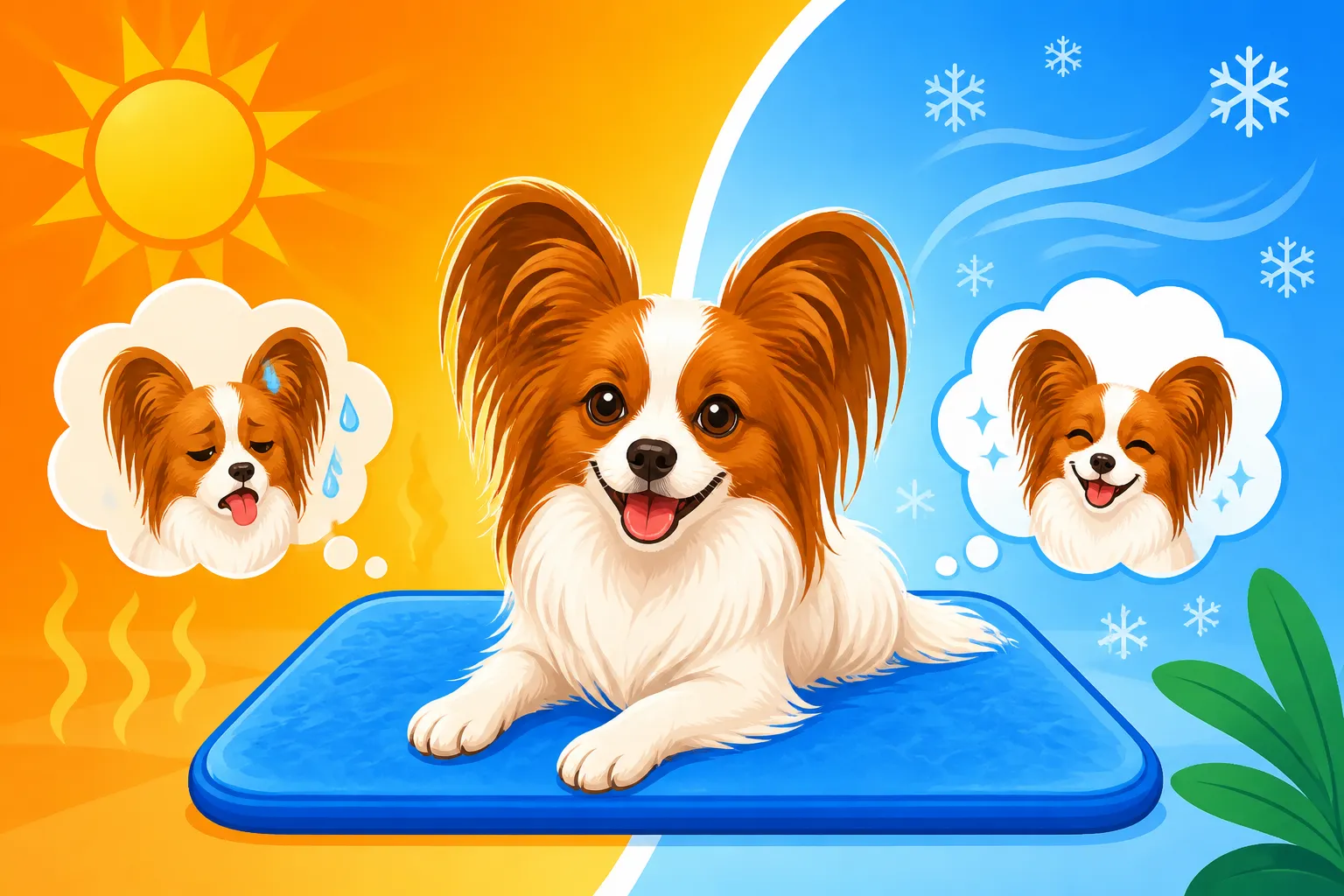
Whether a Papillon Needs a Cooling Mat
When the summer sun beats down or even just a warm afternoon sets in, many Papillon owners find themselves fretting over their little butterfly dogs. These tiny companions, with their delicate builds and flowing coats, often struggle more than larger breeds to keep themselves cool, leading to a lot of worry about overheating. This guide is here to cut through the confusion and help you understand if a cooling mat is truly a necessity for your Papillon, alongside other practical, real-world strategies for keeping them comfortable and safe when temperatures climb.
Why Your Papillon Gets Hot Faster Than You Think
It's easy to look at a Papillon's long, silky coat and assume they must be boiling, but the truth about their thermoregulation is a bit more nuanced. They might not have a thick undercoat like some northern breeds, but their small body size and high energy levels mean they can still get into trouble quickly. Understanding these factors is the first step in ensuring their comfort.
The Single Coat Misconception
Unlike double-coated breeds such as Pomeranians or Huskies, Papillons have a single, flowing coat without a dense undercoat. This means they actually have less insulation against both cold and heat. While it helps them dissipate heat more readily than a dog with a thick woolly layer, it also means they absorb ambient heat faster. They don't have that protective insulating barrier. Imagine wearing a light silk shirt versus a thick wool sweater on a hot day – the silk offers less protection from the sun's direct heat. This can be a concern if your Papillon is lounging in a sunny spot, even indoors, where their body temperature can steadily rise.
Beyond the sun, the sheer length of their hair, particularly the magnificent ear fringes and tail plume, can trap some warm air close to their body, especially if they're not moving much. While a good breeze helps, a still, humid environment makes it tough for them to naturally cool down through panting alone. This is why you often see them seeking out cool tile floors or shadowed spots, intuitively trying to lower their core temperature.
Small Size, Big Heat Challenge
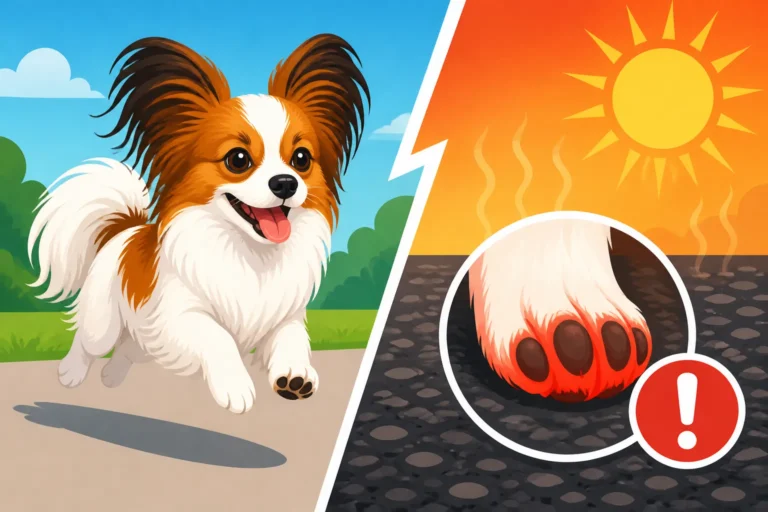
It might seem counterintuitive, but a Papillon's small stature can actually make them more susceptible to overheating. Their bodies are closer to the ground, where surfaces like asphalt, concrete, or even sun-baked patios can reach searing temperatures. While you're walking along, your head is far from that radiating heat, but your Papillon's entire body is absorbing it directly. This means a walk on a seemingly mild day could still be dangerous for their delicate paw pads and quickly elevate their overall body temperature. Whether a Papillon Can Run on Hot Asphalt is a crucial consideration, and the answer is almost always no.
Furthermore, smaller dogs have less body mass to absorb and regulate heat. A larger dog might take longer to heat up and have more surface area relative to its volume for evaporative cooling through panting. For a Papillon, a slight increase in environmental temperature or exertion can have a disproportionately large impact on their core temperature. This rapid onset of heat stress is something every Papillon owner needs to be constantly aware of, especially during their daily How Much Exercise a Papillon Needs.
High Energy Levels in Warm Weather
Papillons are not typically couch potatoes. They are often described as big dogs in small bodies, full of zest and boundless energy. This means they love to play, run, and engage, which can be a real challenge in warmer weather. A quick game of fetch in the yard, or even just an enthusiastic zoomie session indoors, can quickly elevate their body temperature to dangerous levels. What a Papillon Does All Day often involves bursts of activity.
Their enthusiasm often overrides their common sense when it comes to self-preservation from heat. They'll keep going, chasing a ball or playing with another dog, long after their bodies have signaled it's time to stop. As their owner, it's our responsibility to manage their activity, especially when the air is warm or humid. What feels like a pleasant, active afternoon for us can quickly turn into a heat emergency for our spirited little Papillons if we're not vigilant.
Spotting the Signs of Overheating in Your Papillon
Recognizing when your Papillon is getting too hot is absolutely critical. They can't tell you they're feeling unwell, so it's up to us to observe their behavior and physical cues. Early detection can prevent a serious health crisis, so pay close attention to these warning signs.
Subtle Behavioral Changes
The first signs of overheating in a Papillon are often subtle shifts in behavior. They might become unusually lethargic, no longer interested in playing or engaging with you. Instead of their usual vivacious self, they may seem subdued, seeking out cool, quiet corners of the house, perhaps lying on tile or concrete. They might also appear restless, unable to settle, pacing or shifting position frequently, trying to find a more comfortable spot.
You might also notice a change in their thirst. While increased drinking is good, excessive, frantic drinking can be a sign they're trying desperately to cool down. Conversely, some dogs might refuse to drink at all if they are too far gone into heatstroke. Keep an eye on their coordination; they might seem a little wobbly or disoriented, which is a serious red flag. These early behavioral cues are your first line of defense against more severe heat-related issues.
Physical Manifestations of Heat Stress
As a Papillon's body temperature continues to rise, more obvious physical symptoms will start to emerge. Excessive panting is usually the most noticeable. While some panting is normal for cooling, excessive, rapid, and heavy panting, especially if it doesn't slow down even when they're resting, is a sign of trouble. Their gums might appear a brighter red than usual, or in more severe cases, they might even turn pale or bluish if they're struggling to get enough oxygen.
Their skin, particularly on their ears and paw pads, might feel noticeably warmer to the touch. You might also notice thick, stringy saliva, which indicates dehydration. Vomiting and diarrhea can also occur as their internal organs begin to struggle under the stress of rising temperatures. These are serious indicators that your Papillon needs immediate intervention to cool down, as their body is now in distress.
| Symptom Category | Early Signs (Mild Heat Stress) | Advanced Signs (Moderate to Severe) |
|---|---|---|
| Behavioral | Lethargy, seeking cool spots, restlessness | Disorientation, weakness, staggering, collapse |
| Respiratory | Increased panting, faster breathing | Very heavy panting, loud breathing, gasping |
| Oral | Bright red gums, increased drooling | Pale or bluish gums, thick, sticky saliva |
| Gastrointestinal | Reduced appetite | Vomiting, diarrhea (sometimes bloody) |
| Other | Warm skin/paws | Seizures, unconsciousness |
Cooling Mats: Are They Right for Your Papillon?
When it comes to keeping your Papillon cool, cooling mats are a popular option. But are they truly effective for these little dogs, and what types should you consider? Let's dive into the world of cooling mats and their practical use.
How Cooling Mats Work
Cooling mats come in a few main varieties, but their core purpose is the same: to provide a cool surface for your dog to lie on, helping to draw heat away from their body through conduction. The most common type is the gel-filled mat. These mats usually contain a non-toxic gel that reacts to pressure and body heat, activating a cooling sensation. They don't require refrigeration or electricity, making them convenient and portable. When your Papillon lies on it, the gel absorbs their body heat, and the mat feels cool to the touch. After a period, the gel needs a break to "recharge" and cool down again, usually by just being left alone.
Another type is the water-filled mat. These are less common for small dogs but work by holding cool water. Some require you to fill them, while others are sealed. They offer a consistent cool surface, but can be heavier and potentially prone to leaks if punctured, which is a consideration for playful Papillons with sharp nails. There are also elevated cooling beds, which don't cool directly but promote airflow underneath, helping heat to dissipate. These are excellent for air circulation, preventing heat from radiating up from a hot floor, and can be found on sites like Chewy or Amazon with various frame and fabric options.
Benefits and Drawbacks for Papillons
For a Papillon, a cooling mat can be a real lifesaver on warm days. The primary benefit is that it provides an immediate, accessible cool spot for them to self-regulate. They can choose to lie on it when they feel warm, and move off when they've cooled down. This passive cooling is perfect for small dogs who might be resting indoors or in a crate. A gel mat can be particularly useful as it's portable and doesn't require power, making it a great addition to their bed or even their car carrier when traveling. Many Papillon owners find them invaluable in helping to prevent Night Confusion in an Old Papillon who might struggle more with heat.
However, there are some drawbacks. For gel mats, the cooling effect isn't indefinite; it dissipates as it absorbs heat and needs time to reset. Some dogs might also be hesitant to use a new, unfamiliar surface, or they might try to chew on it, which could pose a safety risk if the gel is ingested (though most are non-toxic). Water-filled mats have the aforementioned leak risk. Elevated beds are fantastic for airflow but don't provide the direct, intense cooling of a gel or water mat. It's crucial to choose a mat appropriate for your Papillon's size and temperament. Always supervise initial use to ensure they don't see it as a new toy to destroy.
Beyond the Mat: Holistic Cooling Strategies
While a cooling mat can be a valuable tool, it's just one part of a comprehensive strategy to keep your Papillon cool. A truly effective approach involves managing their environment, activity, hydration, and even their grooming.
Environmental Control and Timing
The easiest way to keep your Papillon cool is to control their environment. This means keeping them in air-conditioned spaces during peak heat hours. If you don't have AC, consider drawing curtains to block direct sunlight and using fans to circulate air, even pointing a fan at their favorite sleeping spot. Creating a safe, cool haven is paramount. For example, if you know the afternoon sun bakes a certain room, make sure your Papillon has access to a cooler part of the house, perhaps a tiled bathroom or a basement.
Timing is also crucial for outdoor activities. Avoid walking your Papillon during the hottest parts of the day, typically between 10 AM and 4 PM. Instead, aim for early morning or late evening strolls when temperatures are lower and pavements have cooled down. This small adjustment can make a huge difference to their safety and comfort. Even a seemingly short walk can become a danger if done at the wrong time of day, as their little paws are so close to the hot ground. A Papillon in Summer and Winter requires different care considerations.
Hydration and Cooling Aids
Keeping your Papillon well-hydrated is non-negotiable in warm weather. Always provide fresh, cool water, and consider having multiple water bowls around the house and outside. You can even add ice cubes to their water to make it more appealing and to help cool them from the inside out. For a truly picky drinker, a pet fountain might encourage more water intake. For an extra boost, you can offer frozen treats, like plain ice cubes, or even dog-safe popsicles made from diluted broth or mashed banana. Some Papillons also enjoy a lick of frozen plain yogurt as a treat on a hot day.
Beyond just drinking, external cooling aids can be very effective. A damp towel draped over their back or belly can provide immediate relief through evaporative cooling. Small cooling vests or bandanas, often pre-soaked in water, can also help regulate their temperature, especially during a short outdoor excursion. You can find these items from pet supply retailers like Chewy or browse a wide selection on Amazon. Just ensure the item isn't too heavy or restrictive for your tiny dog.
Smart Grooming and Diet Adjustments
While you should never shave a Papillon's coat to the skin (it can actually make them more susceptible to sunburn and impair their natural insulation), smart grooming can help. Regular brushing will remove loose hair, improving air circulation through their coat. Keeping their ear fringes and "culottes" (the feathering on their hindquarters) free of mats is important, as mats can trap heat and restrict airflow. Why a Papillon's Long Coat Takes Twenty Minutes a Week is often to ensure optimal coat health, which aids in temperature regulation.
Consider feeding lighter meals, or splitting their daily portion into smaller, more frequent servings, especially if your Papillon is a grazer who might skip meals in the heat. Adding a bit of water or broth to their kibble, whether it's a dry food from Ollie or another brand, can also increase their fluid intake. Some owners even offer their Papillon wet food on particularly scorching days to boost hydration. However, always ensure any dietary changes are introduced gradually to avoid upsetting their stomach.
Ultimately, a cooling mat can be a fantastic addition to your Papillon's summer toolkit, providing a safe, comfortable spot for them to chill out. But remember, it's part of a larger picture of careful management, mindful activity, and constant vigilance to keep your beloved butterfly dog happy and healthy through all seasons.
Disclaimer
This article is for general informational purposes only and does not constitute professional advice. Laws, prices and regulations vary by location and change over time. Consult a qualified professional for guidance on your specific situation.