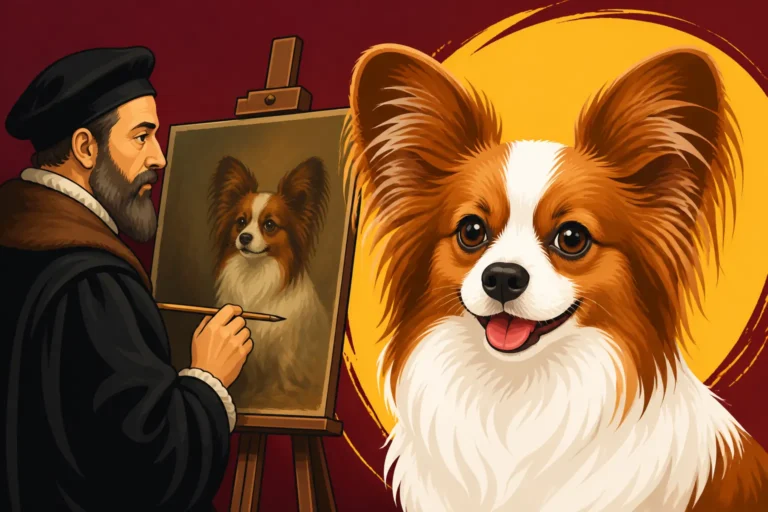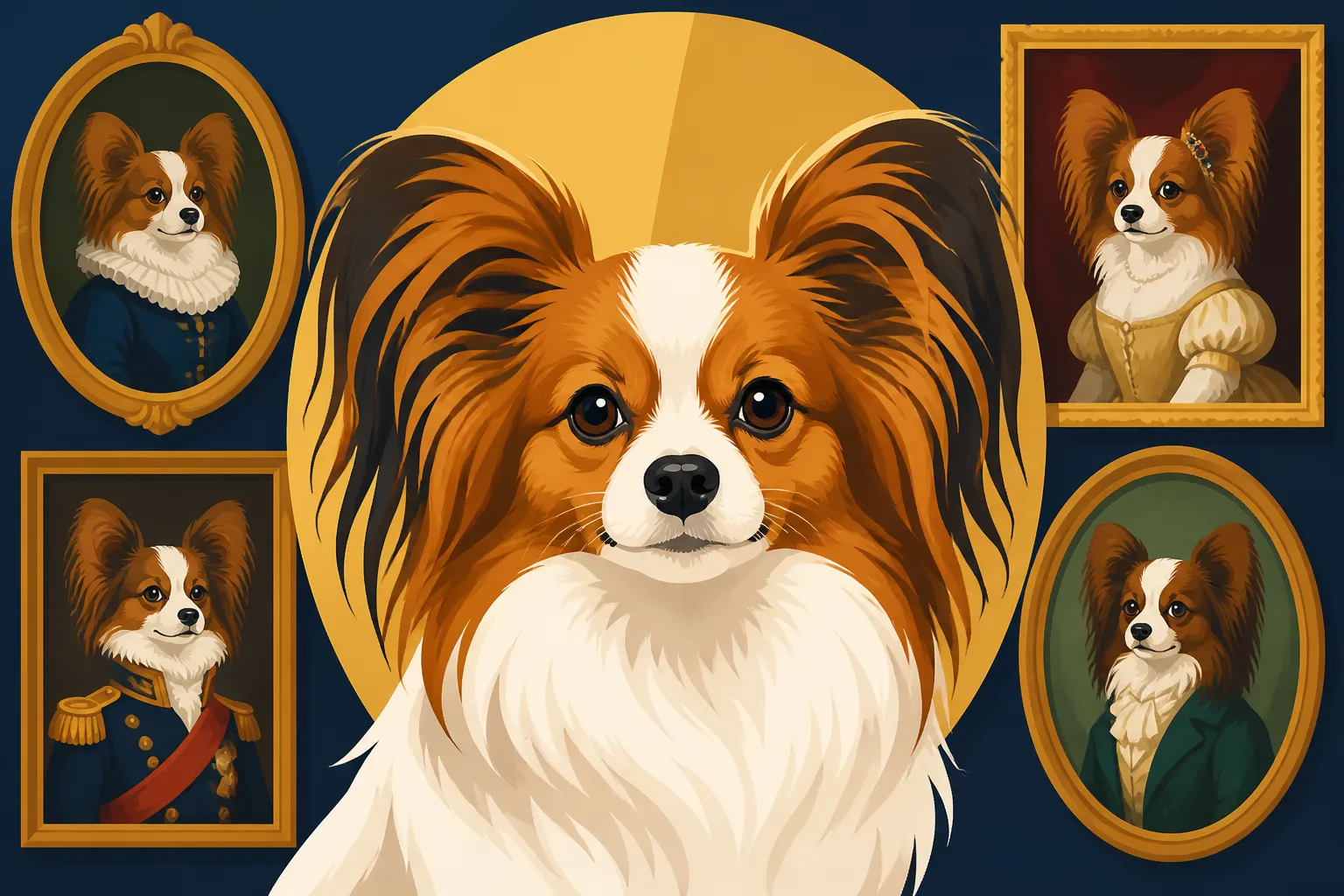
The Papillon Has Seven Hundred Years of Portraits Behind It
For anyone who has ever gazed into the bright, intelligent eyes of a Papillon, it’s easy to feel an instant connection to something ancient and noble. What many don't realize is just how deep that connection runs, stretching back through centuries, captured on canvas and etched into history. This isn't just about owning a charming little dog today; it’s about sharing your home with a living piece of art history, a direct descendant of the tiny companions who graced the laps of royalty and sat patiently for some of the greatest painters the world has ever known. This guide delves into the fascinating visual lineage of the Papillon, exploring its documented journey through seven hundred years of portraits and what those paintings tell us about this beloved breed.
The Dwarf Spaniel's Royal Roots: A Lapdog for the Ages
Long before they were known as "Papillons," these delightful little dogs were cherished companions, often referred to as "Dwarf Spaniels" or "Continental Toy Spaniels." Their story isn't just a historical footnote; it's a vibrant tapestry woven into the fabric of European aristocracy and artistic expression. Imagine a world without television or endless social media scrolls – noblewomen and kings often found their deepest solace and constant company in these small, affectionate creatures.
These dogs weren't just pets; they were living accessories, status symbols, and faithful friends in an era where life could be incredibly isolating, even for those at the top. They offered comfort, warmth, and an undeniable charm that made them indispensable members of royal households. Their presence in portraits wasn't merely decorative; it was a testament to their significance in the lives of their owners, signaling wealth, refinement, and sometimes, even a hint of gentle humanity in figures otherwise depicted with stern formality.
Renaissance Lap Warmers and Status Symbols
During the European Renaissance, roughly from the 14th to the 17th century, the "Dwarf Spaniel" began to truly flourish as a companion animal for the elite. This was an age of burgeoning art, culture, and a rediscovery of classical ideals, and alongside grand tapestries and intricate jewelry, these small dogs found their place. They were, quite literally, lap warmers in chilly castles, their silky coats and small bodies providing a comforting presence. But their role extended far beyond mere physical comfort.
To own such a dog was a clear indicator of status and luxury. These were not working dogs; they required no hunting grounds or herding pastures. Their existence was purely one of companionship, a privilege only afforded by the wealthy who could maintain pets purely for pleasure. Their tiny forms allowed them to be easily carried, taken on travels, and remain ever-present, an intimate part of their owner's personal sphere. Artists of the time meticulously rendered them, ensuring that their soft eyes and delicate features were captured for posterity, often snuggled into the arms of a noblewoman or perched on a velvet cushion. They were silent witnesses to court intrigues and quiet confidantes during lonely hours.
The Italian Influence: Titian and Beyond
It's in the breathtaking art of the Italian Renaissance that we find some of the earliest, most recognizable depictions of the Papillon's ancestors. The Venetian painter Titian, a master of color and portraiture, frequently included these small spaniels in his works, particularly alongside his aristocratic female sitters. His dogs, often with their distinctive drop ears (what we would now call a Phalene), are rendered with a lifelike quality that makes them instantly endearing and historically invaluable.
One can almost trace the continuity of the breed through these paintings. The dogs in Titian's portraits, with their elegant lines and expressive faces, bear a striking resemblance to the Phalene, the drop-eared variant of today's Papillon. These aren't just generic dogs; they possess specific features that suggest a distinct type was already well-established. Beyond Titian, other Italian masters and their apprentices continued this tradition, cementing the image of the small, long-haired companion dog in the visual lexicon of European art. These early artistic records provide us with a tangible link to the past, showing us that the core appeal of this charming breed has remained unchanged for centuries.
From Drop Ears to Butterfly Wings: The Evolution of the Papillon's Iconic Appearance
One of the most defining characteristics of the modern Papillon is, of course, its magnificent butterfly-like ears. But this wasn't always the case. The transformation of the Papillon from its drop-eared ancestor, the Phalene, into the erect-eared butterfly dog we know today is a fascinating chapter in its history, and one that is also well-documented in art. It speaks to the changing tastes and selective breeding efforts over hundreds of years, carefully guided by human preference.
It's a testament to the dedication of breeders and fanciers throughout history that they refined and perfected these features, often without the scientific understanding we have today. This artistic evolution reflects a deliberate choice to enhance a certain look, making the Papillon's ears not just a physical trait, but a cultural statement. The journey from a gentle, drooping ear to the dramatic, winged shape is truly an artistic triumph in itself, showcasing how much human intervention can shape a breed's destiny.
The Phalene, the Moth-Eared Ancestor
Before the "butterfly" took flight, there was the "moth." The Phalene, meaning "moth" in French, is the original form of the Continental Toy Spaniel, characterized by its elegant, long, silky ears that drop softly down the sides of its head, much like the wings of a resting moth. This ear type is what you'll consistently see in the earliest portraits, especially those from the Renaissance and early Baroque periods. These were the dogs cradled by royalty, often depicted with a gentle, somewhat melancholic expression, fitting the more subdued aesthetics of earlier centuries.
The Phalene is not a separate breed; it is simply the drop-eared variant of the Papillon. In fact, Phalene and Papillon puppies can be born in the same litter even today, a wonderful reminder of their shared lineage. These dogs, with their slightly softer, less flamboyant silhouette, embody the historical tradition of the breed. Their ears, while not as dramatic as the Papillon's, are still heavily feathered and contribute to their overall delicate beauty, a beauty that captivated artists and patrons for centuries before the erect-eared mutation became fashionable. Their history is inextricably linked, with the Phalene representing the very bedrock upon which the modern Papillon was built. Why a Papillon and a Phalene Are Born in the Same Litter explains this fascinating genetic connection in more detail.
The Birth of the Butterfly: How the Erect Ear Emerged
The emergence of the erect-eared Papillon is believed to have occurred sometime in the late 17th or early 18th century. It wasn't a sudden, overnight phenomenon, but rather a gradual appearance of a genetic mutation that, once noticed, was actively bred for. The upright ears, fanning out like a butterfly's wings, immediately captivated dog lovers and artists alike. This new look was more vivacious, more alert, and perfectly suited the burgeoning Rococo aesthetic of exuberance and lightheartedness.
Portraits from this era clearly show the transition, with some dogs still displaying the drop ears, while others proudly sport the newly fashionable upright ears. It's truly incredible to see this evolutionary shift documented visually. This transformation from Phalene to Papillon wasn't just about a physical change; it mirrored a broader cultural shift towards more ornate and decorative styles in art, fashion, and even architecture. The "butterfly" Papillon became the epitome of elegance and charm, a living piece of art that could move and interact, drawing admiration wherever it went. This dramatic ear set has become so iconic that many people today aren't even aware of the Phalene variant, which is still cherished by enthusiasts.
Court Favorites and Famous Owners: Papillons in the Laps of Royalty
The history of the Papillon is intimately entwined with the history of European royalty. These little dogs were not just casual companions; they were deeply embedded in the lives of monarchs and nobles, offering solace, entertainment, and sometimes even a sense of stability in a world of political upheaval. Their presence in royal portraits is not just a sign of their favored status but also a window into the personal lives of these powerful figures.
Imagine the grand halls of Versailles or the opulent chambers of the Spanish court. Amidst the silks, velvets, and intricate tapestries, these tiny dogs were often the only constant, loyal presence. They traveled in gilded carriages, slept on silken beds, and were often more pampered than many human courtiers. Their ability to charm and soothe the anxieties of their royal owners made them invaluable, and their enduring popularity across various European courts speaks volumes about their inherent appeal. They represent a softer side to monarchy, a glimpse into the emotional needs of those who held immense power.
Marie Antoinette's Loyal Companion
Perhaps no royal connection is as poignant or enduring as the legend of Marie Antoinette and her Papillon. The story goes that as she was led to the guillotine during the French Revolution, her beloved Papillon was by her side, only separated from her at the last moment. While the exact details of this heartbreaking tale vary and are often debated by historians, the mere existence of such a widespread legend speaks to the deep bond shared between the queen and her dog, and the widespread recognition of the Papillon (or its ancestor, the Phalene) as a favored royal pet.
Even if the story is apocryphal in its most dramatic form, it highlights the perceived importance of these dogs to their aristocratic owners. Marie Antoinette was known for her love of small dogs, and it is highly plausible that a Phalene-type spaniel was indeed one of her cherished companions at the Tuileries Palace. Her tragic fate makes the image of a loyal little dog, bravely accompanying its mistress to the very end, all the more powerful. It transforms the Papillon from a mere pet into a symbol of unwavering devotion, a small beacon of loyalty in a tumultuous era.
Beyond the French Court: Other European Monarchs
The Papillon's appeal was far from limited to France. These charming dogs found homes in royal courts across the European continent, from Spain to Italy, and even further north. Isabella Clara Eugenia, Archduchess of Austria and sovereign of the Spanish Netherlands, was another prominent figure known for her fondness for these small spaniels. She was often depicted in portraits by artists like Rubens, with a small dog, very much resembling a Phalene, nestled in her arms or at her feet.
Philip II of Spain was also known to keep these delicate dogs, as were members of the Tudor and Stuart dynasties in England, albeit perhaps more as "toys" than the fully developed breed type. The consistent appearance of these dogs in the royal circles of different nations points to a widespread admiration for their beauty, intelligence, and affectionate nature. They were truly international celebrities of their time, bridging cultural divides through their universal appeal. This widespread royal patronage undoubtedly contributed to their artistic documentation, ensuring that countless depictions would survive to tell their story.
Artistic Legacy Through the Centuries: Papillons on the Canvas
The Papillon's journey through art isn isn't confined to a single era or style; it’s a living testament to its enduring charm, depicted across various artistic movements and mediums. From the detailed realism of the Renaissance to the ornate flourishes of the Rococo, the small spaniel has remained a consistent, beloved subject. These artistic interpretations offer more than just a visual record of the breed's appearance; they reflect the changing societal views of pets, the evolution of artistic techniques, and the evolving relationship between humans and their canine companions.
Every brushstroke, every sculpted detail, tells a story about how these dogs were perceived and cherished. They show us not only what the dogs looked like but also how they were integrated into the lives of their owners – whether as symbols of wealth, objects of affection, or loyal companions. Understanding this artistic legacy helps us appreciate the depth of the Papillon's history and its unique place in the pantheon of celebrated dog breeds.
Baroque and Rococo Canvases
As Europe transitioned from the Renaissance into the Baroque and then the Rococo periods, the portrayal of the Papillon, or the "Dwarf Spaniel," evolved with the artistic styles. Baroque art, with its dramatic flair, rich colors, and emotional intensity, often depicted these dogs within grander, more dynamic compositions. They might be seen as active participants in family scenes or adding a touch of liveliness to formal portraits, their coats rendered with opulent textures.
The Rococo period, however, truly embraced the Papillon's delicate charm. This style, characterized by its lightness, elegance, and playful asymmetry, was perfectly suited to the newly emerging erect-eared Papillon. Painters like Jean-Honoré Fragonard and François Boucher, known for their idyllic scenes and portraits of aristocratic leisure, frequently featured these butterfly-eared dogs. In these works, the Papillon often appears more animated, perhaps chasing a ball of yarn, playfully nipping at a ribbon, or simply gazing devotedly at its owner, reflecting the era's focus on pleasure, romance, and the pursuit of happiness. The dogs were often depicted in pastel hues, their silky coats shimmering, adding to the overall sense of luxury and refinement that defined Rococo aesthetics. The Papillon Has Seven Hundred Years of Portraits Behind It further explores the details of these early artistic depictions.
Papillons in Miniature and Sculpture
Beyond large-scale oil paintings, the Papillon's image also found its way into other forms of art, demonstrating its pervasive influence. Miniature portraits, popular among the aristocracy for their portability and intimacy, frequently featured these beloved pets. These tiny, exquisitely detailed works, often set in lockets or brooches, allowed owners to carry the image of their cherished companion wherever they went. The precision required for miniature painting meant that every detail of the dog's features, from the curl of its ear fringe to the glint in its eye, was captured with remarkable accuracy.
Sculptors, too, immortalized the Papillon. While less common than painted depictions, small porcelain figurines, bronze statuettes, and even ornamental pieces for furniture sometimes included these elegant dogs. These three-dimensional representations offer a different perspective, showcasing the breed's physical form and graceful posture. Whether carved into wood, cast in metal, or molded in clay, these artistic pieces confirm the Papillon's status as a beloved and recognizable figure in European high society, transcending the flat canvas to become a tangible part of daily life and decorative arts.
The Papillon's Journey to Modernity: From Old Masters to Modern Homes
Tracing the Papillon's lineage through centuries of art isn't just an academic exercise; it connects us directly to the dogs we share our lives with today. The journey from being a symbol of aristocratic leisure to a beloved family pet is a fascinating one, marked by dedicated breeding, evolving standards, and a persistent charm that simply refuses to fade. While the settings have changed from opulent palaces to cozy living rooms, the essence of the Papillon remains remarkably consistent.
Today, these dogs continue to captivate, performing admirably in various dog sports and bringing joy to countless families. This unbroken line of appreciation, from the brushstrokes of Titian to the selfies on Instagram, truly highlights the enduring appeal of this magnificent little breed. They carry their history not just in their genes, but in every graceful movement and every intelligent glance.
Breed Recognition and Kennel Club Standards
As the world moved into the 19th and 20th centuries, dog fancy began to formalize. Breed clubs were established, and kennel clubs started recognizing and setting standards for individual breeds. The "Continental Toy Spaniel," encompassing both the Phalene and Papillon ear types, was no exception. This move towards standardized breeding ensured that the unique characteristics that had been celebrated in art for centuries would be preserved and refined.
The official recognition by organizations like the American Kennel Club (AKC) in the United States marked a pivotal moment. It provided a framework for breeders to work within, focusing on specific physical traits, temperament, and health. This process involved looking back at historical depictions to inform what was considered "correct" for the breed, acknowledging its rich past while guiding its future. The standards, while defining the ideal, still allowed for the beautiful variations we see today, ensuring the breed's genetic diversity and robust health. This systematic approach helped solidify the Papillon's place as a distinct and cherished breed, ensuring its legacy would continue long past the days of royal patronage. You can learn more about its official recognition in When the AKC Recognized the Papillon.
Preserving the Past in the Present
Modern Papillon breeders and enthusiasts shoulder the important responsibility of preserving this incredible historical legacy. They strive to maintain the health, temperament, and distinctive appearance that have made the breed so beloved for centuries. This means carefully selecting breeding pairs, conducting health screenings for common issues like Patellar Luxation Is the Papillon Problem You Will Actually Meet and The Papillon Type of Progressive Retinal Atrophy and the CNGB1 Gene, and adhering to the breed standard.
In a sense, every well-bred Papillon today is a living, breathing connection to those painted ancestors. When you see a Papillon with its elegant head, alert expression, and glorious butterfly ears, you are seeing a direct link to the dogs that sat for Titian, charmed Marie Antoinette, and played across Rococo canvases. Modern care for these dogs often includes high-quality nutrition and engaging toys, easily sourced from reputable retailers like Chewy, which helps them live long, healthy lives. The dedication of today's Papillon community ensures that the artistry and history of the breed are not just remembered, but actively lived and cherished in homes around the world. It’s a powerful connection between the past and present, carried forward by these intelligent and graceful companions.
Decoding Papillon Portraits: What Art Tells Us About the Breed
Looking at historical portraits isn't just about admiring beautiful art; it's like opening a window into the past, offering invaluable insights into the Papillon's development. These artworks serve as a visual archive, allowing us to trace not only the physical evolution of the breed but also its societal role, grooming styles, and even its perceived temperament over the centuries. They reveal trends in popularity, desired traits, and the intimate bond between humans and their canine companions.
By learning to "read" these portraits, we gain a deeper appreciation for the long and storied journey of the Papillon. It’s a chance to connect with dog lovers of centuries past, to see the breed through their eyes, and to understand how much, or how little, has changed. This exercise transforms static images into dynamic historical documents, brimming with information for the discerning observer.
Identifying Breed Characteristics in Old Master Paintings
When examining Old Master paintings featuring Papillon-like dogs, several key characteristics can help us identify their lineage:
- Ear Set: This is perhaps the most obvious clue. Early paintings (Renaissance, early Baroque) predominantly show drop-eared dogs (Phalenes). Later works (late 17th, 18th century onwards) begin to feature the erect, butterfly-like ears of the modern Papillon. Observing this transition in art provides a clear timeline of the breed's evolution. When a Papillon Puppy's Ears Go Up further explains this development in young dogs.
- Coat Type and Feathering: Consistent throughout the centuries is the long, silky coat with abundant feathering, especially on the ears, tail, and legs. While the quality of paint might vary, the depiction of flowing, delicate hair is a hallmark.
- Size and Build: These dogs are always depicted as small, delicate, and fine-boned, fitting their "toy spaniel" designation. They are rarely shown as robust or sturdy working dogs, affirming their role as companions.
- Head Shape and Expression: Even with variations in artistic style, the typical Papillon head, with its distinct muzzle, large, dark, intelligent eyes, and alert expression, can often be discerned. They project an air of gentle intelligence and alertness.
- Coloring: While color accuracy can be tricky due to paint aging and artistic license, many portraits show dogs with white bodies and patches of color (black, red, sable), a common pattern in Papillons then and now. The presence of a white blaze is also frequently depicted.
By paying attention to these details, we can confidently assert that the dogs in these historical paintings are indeed the ancestors of our modern Papillons, offering a direct visual link to their heritage.
Beyond the Brushstroke: Lifestyle and Status
Beyond just physical appearance, these historical portraits offer fascinating glimpses into the lifestyle and social status of the Papillon's ancestors. The context in which the dog is painted speaks volumes:
- Indoor Settings: Almost invariably, these dogs are depicted indoors, often within grand, lavishly decorated rooms, on luxurious fabrics, or in the laps of their owners. This underscores their role as pampered house pets, far removed from outdoor labor.
- Owner's Demeanor: The interaction between the owner and the dog is often one of affection and gentle companionship. The dogs are held, caressed, or gaze up at their owners with devotion, highlighting the emotional bond shared.
- Symbol of Wealth and Leisure: The presence of such a dog often signifies the owner's wealth and status, as maintaining a purely companion animal was a luxury. These dogs were not just pets but living symbols of the owner's refined taste and privileged position.
- Grooming and Care: The immaculate appearance of the dogs in many portraits suggests that they were well-groomed and cared for, mirroring the attention given to their noble owners. This commitment to their well-being has continued, with modern owners often seeking out specific grooming tools for their Papillons, readily available on platforms like Chewy, to keep their silky coats in pristine condition. Why a Papillon's Long Coat Takes Twenty Minutes a Week discusses the manageable grooming needs of the breed.
These historical portrayals, therefore, do more than just show us what a Papillon looked like; they paint a vivid picture of its esteemed place in human society, a testament to its enduring role as a cherished companion for centuries.
| Artistic Period / Century | Ear Type Most Common | Key Characteristics Depicted | Social Context | Noteworthy Artists (Examples) |
|---|---|---|---|---|
| Renaissance (14th-17th) | Phalene (Drop Ears) | Long, silky coat, fine bone, small size, gentle expression. | Lap warmers, status symbols for aristocracy. | Titian, Paolo Veronese |
| Baroque (17th-early 18th) | Phalene (predominant), early Papillon (erect ears emerging) | Richer colors, more dynamic poses, continued fine features. | Valued companions in grand, formal settings. | Rubens, Van Dyck |
| Rococo (18th) | Papillon (Erect Ears) | Delicate, vivacious, butterfly-like ears, playful expressions. | Beloved pets in light, ornate, and leisure-focused scenes. | Fragonard, Boucher |
| 19th-20th Century | Papillon (Erect Ears) and Phalene | Refined features, clear breed distinctions, often in more intimate settings. | Formalized breeding, move towards modern pet ownership. | Various portrait artists, early photographers |
Disclaimer
This article is for general informational purposes only and does not constitute professional advice. Laws, prices and regulations vary by location and change over time. Consult a qualified professional for guidance on your specific situation.