Titian Painted the Dog the Papillon Came From
It's quite a special feeling, isn't it, to look at your sweet Papillon with their glorious butterfly ears and know that dogs just like them have graced human lives for centuries? We often think of specific dog breeds as modern inventions, meticulously crafted in the last hundred years or so. But the truth is, the Papillon's lineage runs deep, stretching back to the opulent courts of Renaissance Europe. If you've ever wondered about the elegant little spaniels immortalized in classic paintings, and how they connect to the joyful companion sleeping on your lap, this guide is for you. We're going to dive deep into the fascinating history of the Papillon, exploring how these charming little dogs captured the hearts of artists and aristocrats, leaving a trail of beautiful portraits that tell their story.
The Enduring Allure of the Dwarf Spaniel in Renaissance Europe
Imagine a time when wealth and status weren't just about grand estates or elaborate gowns, but also about the tiny, cherished companions nestled in a noblewoman's arms. The Renaissance was a period of immense artistic and cultural rebirth in Europe, and amidst the flourishing of art, science, and philosophy, small dogs, often referred to as "Dwarf Spaniels" or "Continental Toy Spaniels," rose to prominence. These weren't just pets; they were living jewels, symbols of luxury, devotion, and sometimes even secret affection.
The Rise of the Lapdog as a Status Symbol
In the bustling, often unsanitary cities and grand, but drafty, castles of Renaissance Europe, a small, clean, and affectionate dog was a true luxury. They offered warmth, companionship, and an undeniable touch of elegance. Think of the elaborate fashions of the time – rich fabrics, intricate embroidery, and soaring collars. A tiny dog, often adorned with its own ribbons and sometimes even tiny bells, completed the picture of aristocratic refinement. It was a clear signal to the world that you were of a class that could afford to keep a creature purely for pleasure, not for hunting or guarding.
These dogs were often pampered, fed choice morsels, and kept indoors, a stark contrast to the working dogs of the common folk. Their very presence in a portrait spoke volumes about the sitter's wealth, taste, and perhaps even their gentle nature. They were the original "accessory dogs," but with a vital role as emotional support in an age where life could be harsh, even for the wealthy. It's a fascinating thought, to consider that the instinct your Papillon has to follow you from room to room or burrow under your blankets is a trait shared with those ancient lapdogs.
Italy's Influence on Early Toy Breeds
Italy, the birthplace of the Renaissance, played a crucial role in the development and popularization of these charming little spaniels. The vibrant city-states, with their powerful merchant families and artistic patronage, created an environment where such delicate creatures could thrive. It was here that artists like Titian, Veronese, and Tintoretto captured these dogs in exquisite detail, preserving their image for centuries to come. The Italian aristocracy, with their love for beauty and refinement, embraced these small dogs wholeheartedly.
The dogs of Italy were often depicted with rich, flowing coats and expressive, intelligent eyes, much like the Papillon's ancestors. They were not just props in paintings; they were clearly beloved members of the household, often shown interacting playfully with their owners or looking adoringly up at them. This artistic documentation gives us invaluable clues about the early appearance and temperament of these dogs, showing us the direct line of descent to our modern The Papillon Has Seven Hundred Years of Portraits Behind It.
Titian and the Canvas of Canine History
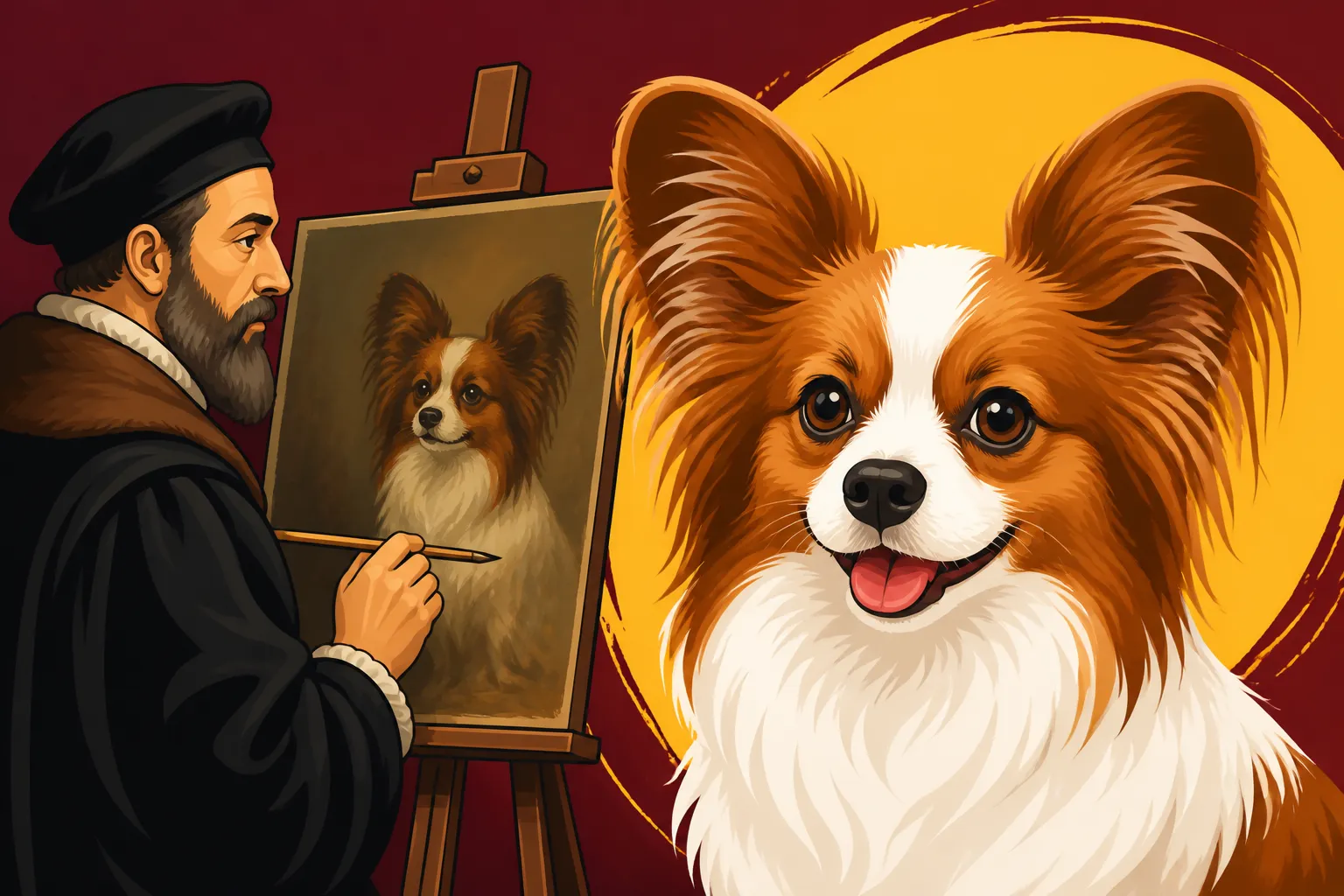
When we talk about the historical backdrop of the Papillon, it’s impossible not to bring up the master painter Titian. He, along with his contemporaries, left an indelible mark on our understanding of these early toy spaniels. His brushstrokes not only captured human emotions and grandeur but also gave us a window into the canine companions of the 16th century.
Capturing the Essence of Early Dwarf Spaniels
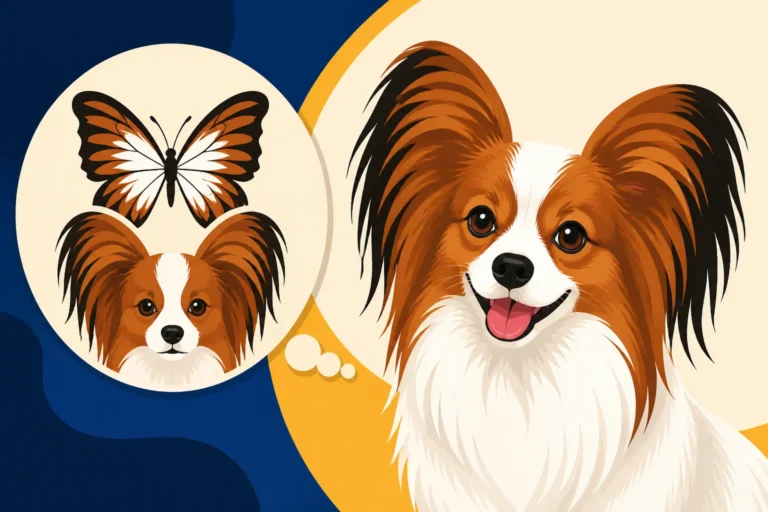
Titian, a giant of the Venetian Renaissance, was renowned for his use of color, light, and texture. When he painted portraits of noble families, he often included their beloved pets. These dogs were usually small, elegant spaniel-types, frequently depicted with luxurious, flowing coats and, crucially for our discussion, dropped ears. These are the "Phalene" ear type, which means "moth" in French, referring to the dropped, butterfly-like ears, rather than the erect "Papillon" or "butterfly" ears we usually associate with the breed today.
His paintings, such as "Venus of Urbino" or portraits of members of the Gonzaga family, often feature these small dogs curled at their owner’s feet or peeking out from behind a voluminous skirt. They weren't just filler; they were part of the narrative, adding a touch of domesticity, loyalty, or even symbolic meaning to the composition. The careful rendering of their fur, their bright eyes, and their alert postures tells us that these were indeed cherished animals. You can almost feel the softness of their coats, a testament to the artist's keen observation and skill.
Iconic Depictions and Their Legacy
One of the most famous examples, often cited in the Papillon's history, is the dog in Titian's "Venus of Urbino" (though some scholars debate if it's Titian or a follower). Regardless, the image of a small, white and tan dog, a classic color combination for the breed, curled at the foot of the bed, is unmistakable. This isn't just a generic dog; it's a specific type, clearly reflecting the ancestors of our modern Papillons. These dogs, with their delicate features and often tri-color markings, are distinctly recognizable as forerunners to the breed we adore today.
The impact of these paintings is immense. They offer concrete visual evidence of the breed's existence and appearance centuries before formal kennel clubs and breed standards were established. Without these artistic records, much of the Papillon's early history would be purely speculative. They allow us to witness the evolution of the breed, from the drop-eared "Titian Spaniel" to the eventual emergence of the erect-eared "butterfly" Papillon. These artistic documents highlight how deeply intertwined these dogs were with human culture, long before we started thinking about How Long a Papillon Lives.
The Journey from Royal Courts to Modern Homes
The influence of these early Dwarf Spaniels wasn't confined to Italy. As trade routes and royal marriages connected European courts, these cherished companions traveled across the continent, finding favor with French, Spanish, and English nobility. The story of the Papillon is truly a continental one, rich with aristocratic patrons and evolving preferences.
French and Spanish Royal Patronage
France, in particular, became a significant center for the development of the Papillon. During the 17th and 18th centuries, these little spaniels were the darlings of the French court. Their delicate beauty and playful intelligence made them perfect companions for queens and courtesans alike. It's often said that Marie Antoinette, the last Queen of France, owned a Papillon. While the popular tale of her carrying one to the guillotine might be apocryphal, it speaks volumes about the breed's association with royalty and historical drama.
The French breeders were instrumental in refining the breed, likely contributing to the development of the erect 'butterfly' ear type that gives the Papillon its name. Meanwhile, across the Pyrenees, Spanish painters like Goya also immortalized these charming dogs, showing their continued popularity among European elites. These international connections underscore the universal appeal of these dogs and how they were deeply woven into the social fabric of the European upper classes.
The Emergence of the Butterfly Ears
The most distinguishing feature of the modern Papillon, its large, erect, fringed ears resembling a butterfly, emerged much later than the drop-eared variety. For centuries, the drop-eared 'Phalene' (French for 'moth') was the norm. It's believed that sometime in the 17th or 18th century, breeders, perhaps seeking a more striking appearance or simply due to a natural mutation that was then selectively bred, began to favor the erect ear. The transition wasn't immediate; for a time, both ear types existed and were even born in the same litters, much like they are today.
This evolution is fascinating because it shows how human preference can shape a breed's appearance over time. The erect ears became incredibly popular, giving the dog its iconic 'Papillon' name. However, the Phalene never truly disappeared; it's still recognized as the same breed, just with a different ear set, and can be born alongside its butterfly-eared siblings. If you're considering a Papillon puppy, you might be curious about When a Papillon Puppy's Ears Go Up – it's a topic full of delightful anticipation for new owners!
Why Artists Chose These Canine Muses
It wasn't by accident that the Papillon's ancestors appeared so frequently in the masterpieces of the Renaissance and beyond. These dogs possessed qualities that made them ideal subjects for portraiture and symbolic representation, qualities that still resonate with Papillon owners today.
Symbolism and Significance in Art
Beyond their aesthetic appeal, these small spaniels often carried symbolic weight in paintings. They could represent fidelity, loyalty, and companionship, attributes highly valued in human relationships, especially in aristocratic marriages. A dog at a woman's feet might symbolize her devotion to her husband or her purity. Sometimes, they were included to show the sitter's gentle nature or their love for animals, softening an otherwise stern or formal portrait.
The inclusion of a dog also added a touch of realism and life to a painting. It humanized the subjects, making them more relatable and less static. The lively gaze of a small dog, often painted with such care, could draw the viewer's eye and add a dynamic element to the composition. Artists understood the power of these animals to convey subtle messages and enrich the visual narrative, which is why they were such frequent and cherished subjects.
The Practicalities of Painting a Small, Calm Dog
From a purely practical perspective, painting a small, relatively calm dog was far easier than trying to capture a larger, more boisterous canine. These lapdogs were accustomed to being handled, sitting still for long periods (often while nestled in their owner's lap), and generally being well-behaved indoor companions. Their manageable size meant they could fit easily into a composition without dominating the human subjects unless intended.
Their often-luxurious coats also provided an opportunity for artists to demonstrate their skill in rendering texture and light, adding another layer of visual interest to the painting. The way light caught the silky fringes of their ears or tail plume would have been a delightful challenge for a master like Titian. The quiet presence of these dogs would have made them ideal models during long portrait sittings, contributing to their enduring presence in so many historical artworks.
Understanding the Papillon's Ancestors Through Art
Looking back at these historical paintings isn't just a stroll through an art gallery; it's a genuine historical lesson that can inform our understanding of the Papillon breed today. The way these dogs were depicted offers insight into their physical characteristics, their temperament, and their cherished place in society.
Physical Traits Revealed in Ancient Portraits
When you examine paintings featuring these early Dwarf Spaniels, several key physical traits consistently emerge. They were universally small, fine-boned dogs, often with delicate muzzles and large, dark, expressive eyes – characteristics that define the modern Papillon. Their coats were typically long and silky, with noticeable feathering on their ears, tails, and hind legs, even if the ears were dropped. Common colors seen in these paintings include white with patches of black, tan, or sable, mirroring the vibrant coat patterns we see in Papillons today.
What's particularly striking is the consistency of these features across different artists and regions. This suggests a well-established type of dog, even before formal breed standards existed. The artists, being keen observers of reality, faithfully recorded these details, providing us with a visual blueprint of the Papillon's ancestors. This historical record is a wonderful way to appreciate the consistent beauty of the breed over centuries and to understand What a Titian Spaniel Looked Like.
Temperament and Role in the Household
The way these dogs are positioned in paintings also offers clues about their temperament and role. They are rarely shown as aggressive or aloof. Instead, they often appear alert, affectionate, and deeply bonded to their owners. They might be nestled in a lap, looking up with adoration, or playfully tugging at a skirt hem. This suggests that these dogs were valued not just for their appearance but for their charming and engaging personalities.
They were clearly companions, providing comfort and entertainment within the home. This strong companion drive is a hallmark of the modern Papillon, often leading them to follow their owners from room to room, seeking to be involved in every activity. So, when your Papillon demands to be near you, remember that this endearing trait is deeply rooted in their aristocratic past, where their primary role was indeed to be a cherished and constant companion.
The Modern Papillon: A Living Link to History
The delightful Papillon you share your life with carries a rich history within its genes, a direct connection to those pampered pets of European royalty and the artistic muses of the Renaissance. Today's Papillon is a vibrant, intelligent, and active breed, embodying the best traits of its ancestors while adapting to modern life.
Beyond the Canvas: A Companion for Today
While Titian's dogs likely spent their days lounging on velvet cushions and occasionally posing for a masterpiece, today's Papillon is a much more versatile and athletic little dog. They still excel as devoted companions, but their intelligence and boundless energy make them superstars in dog sports like agility, obedience, and rally. Their keen minds mean they learn new tricks faster than many larger breeds, a testament to The Papillon Is the Smartest Toy Breed There Is.
However, the core essence of their being remains: they thrive on human companionship and form incredibly strong bonds with their families. They are happiest when they are involved in your daily life, whether it's snuggling on the sofa, going for a brisk walk, or learning a new game. Many Papillon owners find that providing mental stimulation with puzzle toys or training sessions, perhaps with some tasty treats purchased from Chewy, keeps their intelligent little dogs truly content.
Preserving the Legacy: Health and Responsible Breeding
For all their historical grandeur, modern Papillons do face some health considerations, like any purebred dog. Responsible breeders today prioritize health testing to ensure the longevity and well-being of the breed, a stark contrast to how dogs were bred in Titian's time. Conditions like Patellar Luxation Is the Papillon Problem You Will Actually Meet and Progressive Retinal Atrophy (PRA) are carefully screened for. This commitment to health ensures that these living pieces of history can continue to thrive for future generations.
If you're looking to welcome a Papillon into your home, seeking out a breeder who prioritizes health and openly discusses their dogs' lineage and test results is paramount. They should be able to tell you about the health history of their lines, ensuring you're getting a puppy that has the best chance at a long, healthy life, just as much as their beauty. The careful stewardship of these breeders helps preserve the elegant and intelligent qualities that first captivated artists centuries ago.
Caring for Your Historical Treasure
Bringing a Papillon into your life means welcoming a tiny piece of living history. These dogs, while small, have big personalities and specific needs to keep them healthy and happy. Understanding these needs is key to ensuring they live a long, full life.
Grooming the Papillon's Silky Coat
The long, flowing coat of a Papillon is one of its most striking features, a direct descendant of the luxurious fur seen in Renaissance portraits. Despite its elegant appearance, it's surprisingly easy to care for compared to some other long-haired breeds. The Papillon has no undercoat, which means less matting and a relatively light shed. Regular brushing, perhaps 2-3 times a week with a good quality pin brush, is usually sufficient to keep it looking its best.
Pay particular attention to the long ear fringes, tail plume, and "culottes" (the long hair on their hind legs) where tangles can sometimes form. A good detangling spray can work wonders, and if you need specific grooming supplies, online retailers like Chewy offer a wide selection of brushes and combs suited for delicate coats. Occasional bathing, followed by careful drying to prevent tangles, will keep their coat silky and gleaming, worthy of any portrait. For more specific advice, you might want to read How Often a Papillon Needs Brushing.
Protecting Those Delicate Knees
One of the most common health concerns for Papillons and other small breeds is patellar luxation, where the kneecap slips out of place. While not always severe, it's something to be mindful of. Protecting your Papillon's joints from unnecessary strain is crucial, much more so than the Renaissance aristocrats likely worried about their dogs' biomechanics! This means encouraging them to use ramps or steps to get on and off furniture, rather than jumping.
Even small jumps can put stress on their delicate knee joints over time. Ensuring they maintain a healthy weight is also vital, as extra pounds place additional strain on their knees. Regular, moderate exercise is good, but intense, high-impact activities should be approached with caution and under veterinary guidance, especially if your dog shows any signs of discomfort. Your vet can recommend appropriate joint supplements or discuss preventative care, and resources like Chewy can help you find ramps and steps to make your home safer for your little companion. Whether a Papillon Should Be Stopped From Jumping Off Furniture is a very common question, and the answer is usually yes!
Dental Health in a Small Mouth
Just like their human counterparts in the past, Papillons are prone to dental issues. Their small jaws can lead to crowded teeth, which are more susceptible to plaque and tartar buildup. This is why regular dental care is absolutely essential for a Papillon. Brushing your Papillon's teeth daily, or at least several times a week, can make a huge difference in preventing dental disease. Special dental brushes and dog-specific toothpaste are available.
Beyond home care, regular professional dental cleanings at your veterinarian's office are often necessary to remove built-up tartar and check for any developing problems. Poor dental hygiene can lead to painful infections and even impact their overall health, including heart issues. Imagine the discomfort those early lapdogs must have endured without modern veterinary care! Thankfully, we have the knowledge and tools today to ensure our Papillons enjoy healthy mouths throughout their long lives. It's a key part of ensuring The Teeth in a Papillon's Small Jaw stay healthy.
| Trait / Feature | Renaissance Dwarf Spaniel (Titian Era) | Modern Papillon |
|---|---|---|
| Size | Small, elegant, fine-boned | Small (5-10 lbs), fine-boned |
| Ears | Typically dropped (Phalene type) | Predominantly erect (Papillon type), but Phalene also recognized |
| Coat | Long, silky, feathered | Long, single-coated, silky, feathered ears/tail |
| Colors | White with patches (black, tan, sable) | All colors, usually parti-color with white blaze |
| Temperament | Affectionate, companionable, alert | Intelligent, active, loyal, deeply bonded to owner |
| Role | Status symbol, lapdog, companion | Family companion, agility/obedience competitor |
| Health Focus | Not documented, likely no specific breeding for health | Focus on screening for patellar luxation, PRA, dental issues |
| Diet | Table scraps from noble owners | Specially formulated kibble/wet food, treats |
The Lasting Legacy of the Papillon
From the canvases of Titian to the agility rings of today, the Papillon's journey is a testament to its enduring charm, intelligence, and adaptability. This is a breed that has not only survived centuries of changing human tastes but has thrived, always remaining a beloved companion.
A Breed That Endures
The sheer longevity of the Papillon's presence in human history is remarkable. They have transitioned from being exclusive pets of royalty to becoming cherished members of families worldwide. This enduring popularity speaks volumes about their captivating qualities: their joyful disposition, their keen intelligence, and their unwavering devotion. They are truly more than just pretty faces; they are dogs with substance, wit, and heart.
Their ability to bond deeply with their owners and adapt to various lifestyles, from quiet apartment living to active competition, ensures their continued place in our homes and hearts. When you look at your Papillon, you're not just seeing a dog; you're seeing a living, breathing connection to art, history, and the timeless bond between humans and their canine companions. It's a connection that many Papillon owners find so fulfilling, it makes them wonder Why Papillon Owners End Up With Two!
Continuing the Story
As Papillon owners, we are now part of this incredible story. By providing excellent care, training, and love, we contribute to the breed's legacy. We ensure that the intelligence that allowed them to thrive in complex court environments is challenged and celebrated today. We protect the health that allows them to live long, vibrant lives, perhaps even reaching How Long a Papillon Lives.
Whether your Papillon is a quiet lap warmer, a budding agility star, or simply your best friend, remember the rich tapestry of history they carry. Each flutter of their butterfly ears, each joyful bounce, is a whisper from centuries past, a reminder of the artistic masterpieces and royal courts they once graced. It's a profound thought, isn't it? To know that your little shadow is a direct descendent of the dogs that inspired Titian himself.
Disclaimer
This article is for general informational purposes only and does not constitute professional advice. Laws, prices and regulations vary by location and change over time. Consult a qualified professional for guidance on your specific situation.