Why the Papillon Is in the Toy Group
It's quite common for new Papillon owners, or even seasoned dog enthusiasts, to scratch their heads a bit when they consider the "Toy Group" classification for these vibrant, intelligent little dogs. After all, when you see a Papillon flying over agility jumps or outsmarting its handler in a trick session, the idea of them being merely a "toy" can feel a little… restrictive, even misleading. This guide is here to unravel the historical context and specific characteristics that firmly place the Papillon in the Toy Group, explaining why this designation, while sometimes misunderstood, truly fits its lineage and design.
Understanding the "Toy Group" Classification
The term "Toy Group" can conjure up images of tiny, fragile creatures bred solely for decoration. But really, this group is a diverse collection of dogs, all sharing the primary characteristic of small stature. It's not just about size, though; it's also deeply rooted in their historical purpose and how humans have interacted with these breeds for centuries.
Historical Roots of Toy Breeds
Historically, toy breeds were developed primarily for companionship. Imagine the royal courts of Europe, where ladies and gentlemen sought small, affectionate dogs to sit on their laps, warm their beds, or simply provide comfort and amusement. These dogs were not bred for hunting, guarding, or herding large flocks of sheep; their job was to be beloved pets, often serving as status symbols among the aristocracy. The lineage of many toy breeds, including the Papillon, traces back to these very roles. The Papillon's ancestors, the dwarf spaniels, were treasured companions for centuries, gracing the laps of nobility, as evidenced by their presence in numerous classical paintings. The Papillon Has Seven Hundred Years of Portraits Behind It attests to this long, celebrated history as a companion animal.
The selection process for these breeds favored dogs that were portable, good-natured, and responsive to human attention. Over generations, this specific type of breeding solidified the traits we now associate with the Toy Group. It wasn't about minimizing their working ability, but rather maximizing their companionable qualities within a small, manageable size. They were living, breathing comfort objects long before that phrase even existed, and their small scale meant they were easy to house and travel with, even in an era without modern pet carriers or designated pet spaces.
Common Traits Defining the Group
Beyond just small size, toy breeds typically share several common characteristics that define their group placement. They often have an affectionate and adaptable nature, thriving on close human interaction. While some are more boisterous than others, a general expectation for a toy breed is that they can comfortably exist indoors, often in smaller living spaces, and require less intense physical exercise than, say, a retriever or a border collie.
Many toy breeds also exhibit a strong bond with their primary caregivers, often becoming shadows to their beloved humans. This attachment is a hallmark of their companion role. They are designed, in essence, to be our delightful, devoted sidekicks. This isn't to say they don't have personalities or quirks—far from it! But their core purpose, as reflected in the Toy Group classification, is to be a wonderful, engaging, and often entertaining part of the family, providing comfort and joy on a daily basis.
The Papillon's Physical Attributes and the Toy Standard
When you look at a Papillon, its physical characteristics immediately signal its place within the Toy Group. They are, quite simply, small dogs, and this diminutive stature is a key factor in their classification.
Size and Weight Requirements
The American Kennel Club (AKC) standard, like many others globally, sets specific size and weight guidelines for the Papillon that align perfectly with the Toy Group. A typical Papillon usually stands between 8 to 11 inches at the shoulder and weighs anywhere from 5 to 10 pounds. This falls squarely within the range for toy breeds. What a Papillon Weighs and How Tall It Stands is a good read if you want to dive deeper into these specifics.
For an organization like the AKC, these measurements aren't arbitrary. They're designed to maintain the integrity of the breed, ensuring that Papillons remain true to their historical type and continue to possess the physical attributes that define their group. A dog that is too large or too small for the standard might face disqualification in the show ring, emphasizing how crucial these physical characteristics are to their identity as a toy breed. It's a precise balance, ensuring they are small enough to be portable lap companions without being so tiny as to be overly delicate or prone to health issues.
Delicate Structure, Not Frailty
It's easy to mistake a small, fine-boned dog for one that is fragile, but this is a common misconception with the Papillon. While they are indeed delicate in appearance, with their refined bone structure and elegant gait, they are far from frail. A well-bred Papillon is surprisingly sturdy and robust for its size. Their agility, quickness, and boundless energy are testaments to their solid build, despite their toy classification. Why a Papillon Should Look Fine Boned but Not Frail explores this balance further.
This distinction is important because the "toy" label can sometimes lead people to believe these dogs can't handle much activity or are prone to injury from normal play. While common sense and appropriate handling are always necessary for any small dog, a Papillon is capable of much more than just sitting on a pillow. They possess a surprising amount of athleticism and resilience. Their fine bones are strong, and their bodies are compact and well-muscled, allowing them to participate enthusiastically in dog sports and outdoor adventures, proving that "delicate" doesn't equate to "fragile."
Temperament, Purpose, and Historical Role
Beyond their physical size, the Papillon's temperament and its historical purpose as a companion animal are huge factors in its Toy Group placement. These dogs were bred for a specific kind of interaction with humans, and those traits persist today.
Companionship as a Primary Function
The core reason the Papillon was developed, going back centuries to its dwarf spaniel ancestors, was to be a cherished companion. They were never tasked with herding cattle across sprawling fields, protecting estates from intruders, or pulling heavy loads. Their job was to offer unwavering affection, intelligent interaction, and charming presence to their human counterparts. This primary function of companionship is the very essence of the Toy Group.
This deep-seated need for human connection is still evident in Papillons today. They thrive on being involved in family life, often following their owners from room to room, eager to be a part of whatever is happening. They are known for their devotion and their desire to be near their people. When you curl up on the sofa, a Papillon will almost certainly be right there, ready for a snuggle or a quiet moment. This isn't a sign of weakness; it's the fulfillment of their breed's historical purpose. This deep bond makes them incredibly rewarding pets, always ready to offer comfort and love.
Intelligence and Activity Beyond the "Lapdog" Label
Despite the "lapdog" stereotype sometimes associated with the Toy Group, the Papillon shatters this image with its remarkable intelligence and high energy levels. They are often cited as one of the smartest of all dog breeds, capable of learning an astounding number of commands and tricks with ease and speed. The Papillon Is the Smartest Toy Breed There Is is a testament to their incredible minds. This mental acuity, combined with their zest for life, means they require more than just a soft cushion and occasional petting.
A Papillon needs mental stimulation and regular exercise to truly thrive. They adore games, puzzle toys, and training sessions. A simple walk around the block isn't enough; they need opportunities to explore, sniff, and engage their agile minds and bodies. Don't be fooled by their small size into thinking they're content to be sedentary. They can be tireless little athletes, always ready for the next adventure, whether it's a brisk walk through the park or a complex agility course. Owners often find themselves buying a variety of toys and enrichment items, perhaps even from a reputable pet supply store like Chewy, to keep their clever Paps entertained. This combination of companionship with an active, intelligent spirit makes them a truly unique and fulfilling breed, defying simple "toy" expectations.
Kennel Club Standards and Papillon's Place
Every major kennel club around the world has its own system for classifying dog breeds, and the Papillon consistently finds its home among the "Toy" or "Companion" groups. These classifications aren't just for show ring purposes; they define the breed's fundamental characteristics and expected roles.
The American Kennel Club's Perspective
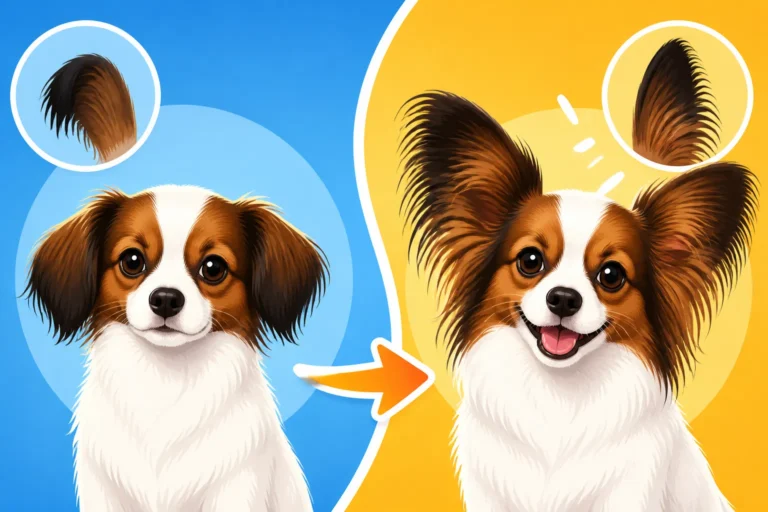
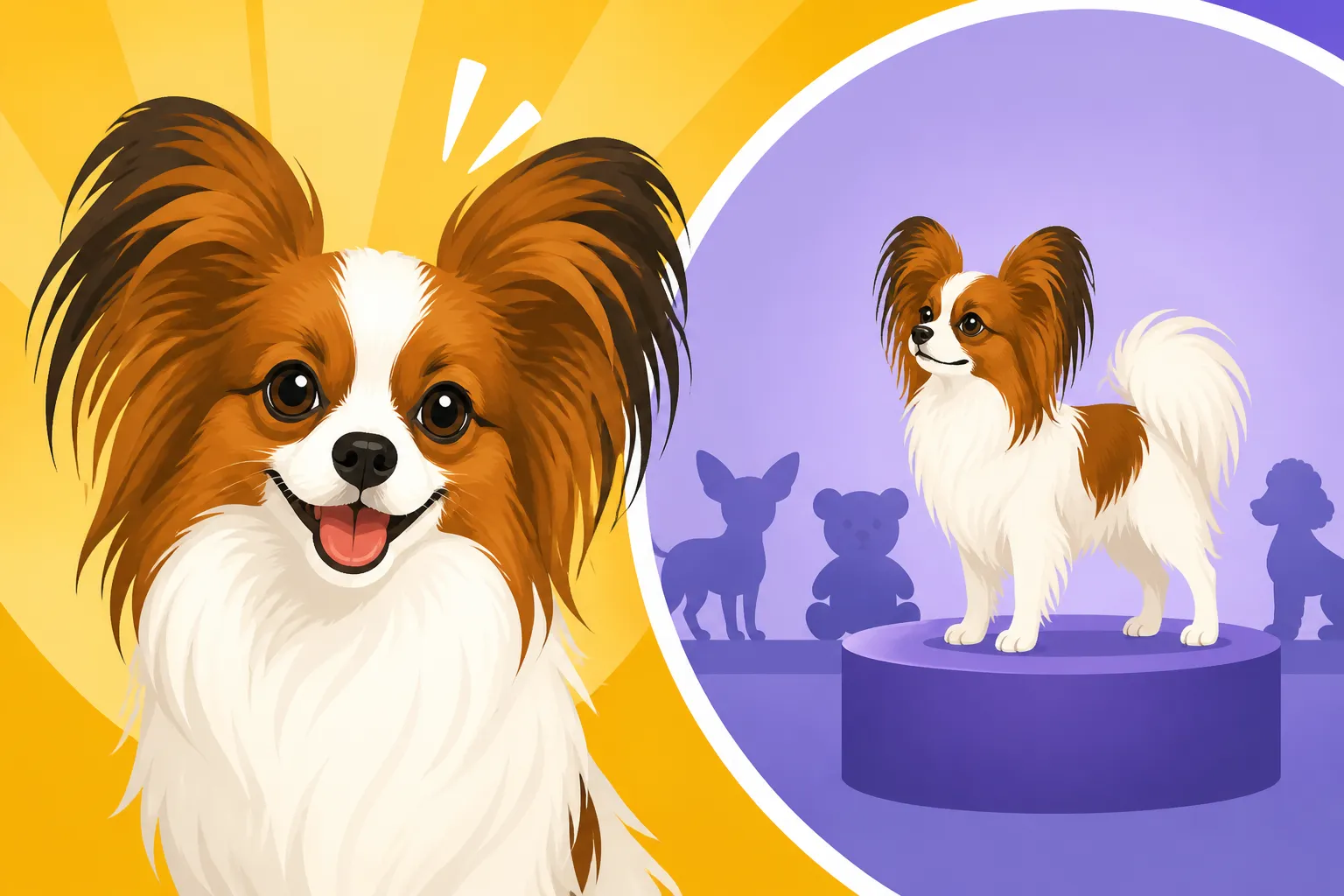
The American Kennel Club (AKC) places the Papillon in its "Toy Group," a category specifically designed for small breeds primarily developed for companionship. The AKC's standard for the Papillon details everything from its ideal height and weight to its ear set and tail carriage, all contributing to its identity as a toy breed. The "butterfly" ears, from which the breed gets its name (Papillon is French for butterfly), are a defining characteristic, but equally important are its compact body and fine bone structure.
The AKC's guidelines ensure that breeders maintain the specific traits that define the Papillon. While they celebrate the dog's intelligence and athleticism, the foundational characteristic that keeps it in the Toy Group is its small, elegant stature, which historically made it a perfect indoor companion. This careful classification helps to preserve the breed's distinct qualities and ensures that prospective owners know what to expect in terms of size and general disposition. Understanding these standards is key to appreciating why these dogs fit so perfectly into their designated group.
Global Recognitions and Similar Standards
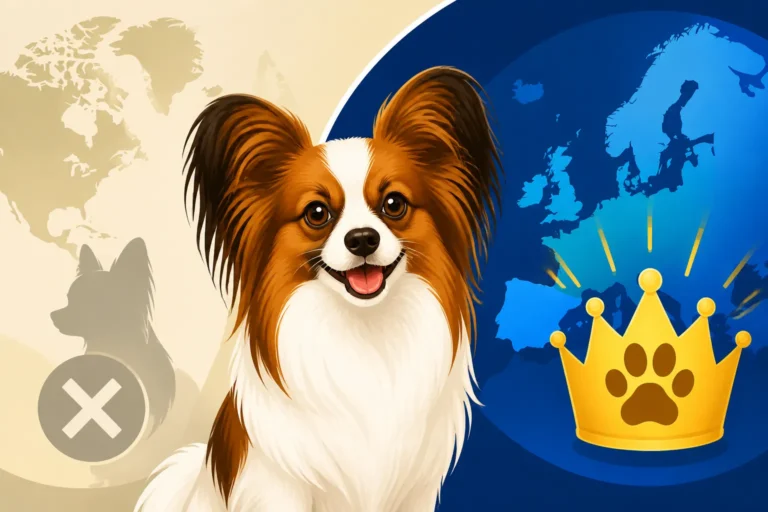
Across the globe, other major kennel clubs echo the AKC's classification. The Fédération Cynologique Internationale (FCI), which represents many European countries, places the Papillon (and its drop-eared counterpart, the Phalène) in Group 9, which is dedicated to "Companion and Toy Dogs." Similarly, The Kennel Club (UK) lists the Papillon in its "Toy Group." This widespread consistency across different national and international organizations highlights a universal understanding of the Papillon's core attributes.
While there might be slight variations in specific measurements or points of emphasis in each standard, the overarching theme remains the same: the Papillon is fundamentally a small, elegant companion dog. This consensus reinforces that its placement isn't an anomaly, but a widely accepted recognition of its historical development and intrinsic characteristics. Whether you're in Paris, London, or New York, a Papillon is recognized for its unique blend of grace, intelligence, and manageable size, making it a beloved member of the Toy Group. Where the Papillon Comes From gives more insight into its European origins.
Here's a quick look at how the Papillon stacks up against general Toy Group expectations:
| Characteristic | General Toy Group Expectation | Papillon Reality |
|---|---|---|
| Size/Weight | Small, portable, typically under 20 lbs | 8-11 inches, 5-10 lbs (fits perfectly) |
| Primary Purpose | Companionship, lapdogs, indoor pets | Bred for companionship, thrives on human interaction |
| Temperament | Affectionate, adaptable, often eager to please | Highly intelligent, outgoing, affectionate |
| Exercise Needs | Generally moderate, suitable for indoor living | Moderate to high; enjoys walks, play, and sports |
| Vocalization | Can be prone to barking (alerting) | Can be vocal, especially as a watchdog |
| Sturdiness | Can be delicate, some are fragile | Fine-boned but surprisingly robust and athletic |
| Trainability | Varies, but often intelligent and responsive | Highly intelligent, easily trained, excels in sports |
Beyond the "Toy" Label: The Papillon's True Character
While the "Toy Group" classification is accurate based on historical development and physical size, it often fails to capture the full scope of the Papillon's personality and capabilities. They are so much more than just pretty lapdogs.
Athleticism and Working Drive
One of the most surprising aspects for those unfamiliar with the breed is the Papillon's incredible athleticism and strong working drive. These aren't dogs content to merely look cute; they thrive on activity and excel in various dog sports. Agility, for instance, is a domain where Papillons frequently shine, often outperforming much larger breeds with their speed, precision, and enthusiasm. Why a Papillon Beats Bigger Dogs at Its Own Size is not an exaggeration – they truly are exceptional. Their light build, quick feet, and keen intelligence make them natural competitors.
Many Papillon owners find that their "toy" dog demands more exercise and mental engagement than they initially expected. They excel in obedience, rally, and even scent work. This drive to work and learn is a huge part of their charm and why so many people fall in love with the breed. They love having a job to do, even if that job is just learning a new trick or navigating an obstacle course in the backyard with equipment you might have ordered from a place like Chewy. Their small size just makes them incredibly efficient and agile athletes, defying any static "toy" stereotype.
The Misconception of Fragility
The "toy" label often comes with the baggage of perceived fragility, leading some to think Papillons are delicate creatures that need constant coddling. This simply isn't true for a healthy, well-bred Papillon. While their small stature means they require responsible handling—you wouldn't want a small child to roughly handle any small dog—they are far from breakable. They are sturdy, resilient, and have a remarkable tenacity.
They are known for their bold, confident personalities, often completely unaware of their small size when interacting with larger dogs or new environments. A Papillon Has No Idea It Is Small perfectly encapsulates this spirit. They possess a big dog attitude in a small dog package, approaching life with enthusiasm and courage. This robustness, both physically and mentally, is what makes them such versatile companions, equally at home on a hiking trail (carried when needed, of course) as they are curled up on your lap for an evening snuggle. It’s their confidence and eagerness to engage with the world that truly defines them, making them exceptional members of the canine world, regardless of their "toy" designation.
Disclaimer
This article is for general informational purposes only and does not constitute professional advice. Laws, prices and regulations vary by location and change over time. Consult a qualified professional for guidance on your specific situation.