How Much a Papillon Weighs
It can be incredibly frustrating trying to figure out if your tiny Papillon is at the "right" weight. They're such delicate little creatures, and what looks chunky on a four-pound dog might be perfectly healthy on an eight-pound one. This guide will walk you through everything you need to know about your Papillon's weight, from breed standards to daily maintenance, helping you feel confident that you're keeping your butterfly-eared companion in tip-top shape.
Understanding the Papillon's Ideal Weight Range
When you first bring a Papillon into your life, whether as a puppy or an adult, one of the immediate questions that pops up is often, "How much should they weigh?" It's not always a straightforward answer, as there's a range rather than a single magic number, and various factors play a role. However, understanding the breed standard provides an excellent starting point for what's considered typical and healthy.
The AKC Standard and What It Means for Papillon Weight
The American Kennel Club (AKC) breed standard for Papillons offers a pretty clear guideline, but it's important to remember that this is a standard for showing and overall breed type, not a strict medical mandate for every single pet Papillon. The standard indicates that a Papillon should weigh between 5 and 10 pounds. Anything below 5 pounds or over 10 pounds is usually considered a deviation from the ideal for conformation showing.
Now, what does this mean for your beloved pet Papillon who might not be destined for the show ring? It means that within this 5 to 10-pound range, you're generally looking at a healthy, well-proportioned dog. A Papillon at the lower end of this scale might be a petite little thing, while one at the higher end will be more robust. Both can be perfectly healthy, provided their weight is appropriate for their individual bone structure and height. The key is balance – you don't want a tiny dog carrying too much weight, nor do you want a larger-boned Papillon looking too gaunt. It's about finding that sweet spot for your dog.
Why "Ideal Weight" Isn't Just One Number
The reason we can't just slap a single number on a Papillon and call it their "ideal weight" is because, just like people, dogs come in all shapes and sizes, even within the same breed. You might have two Papillons from the same litter, one maturing at 6 pounds and the other at 9 pounds, and both could be perfectly healthy. Their bone structure, height, and overall build play a significant role.
A Papillon with finer bones and a more delicate frame will naturally carry less weight than a Papillon with a sturdier build. Think of it like comparing a marathon runner to a powerlifter – both are healthy, but their ideal weights differ greatly based on their physical characteristics. It’s less about hitting an exact number on the scale and more about how that weight distributes on your dog’s frame. This is where learning to assess your dog's body condition comes in, which we'll dive into later. Understanding What a Papillon Should Weigh involves more than just reading a scale; it's an art of observation.
The Difference Between Papillon and Phalene Weight
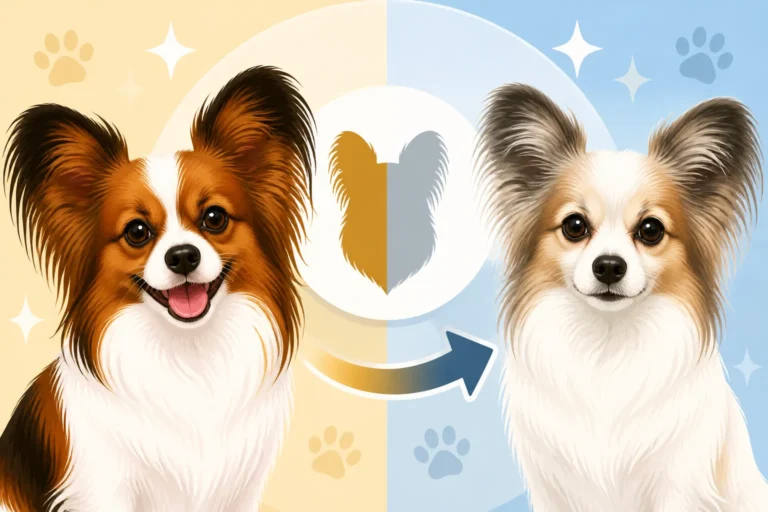
It's a common misconception that Papillons and Phalenes are entirely separate breeds, but they're actually variations within the same breed, distinguished solely by their ear set. The "Papillon" has erect, butterfly-like ears, while the "Phalene" has dropped, moth-like ears. Interestingly, puppies with both ear types can be born in the same litter!
Because they are essentially the same breed, the ideal weight range for a Phalene is identical to that of a Papillon: 5 to 10 pounds. You won't find a separate weight standard for Phalenes because their ear type doesn't influence their skeletal structure or overall body mass. So, if you have a beautiful Phalene, all the weight guidelines discussed here apply just as equally to them. Regardless of ear set, the goal remains the same: a healthy, active companion who isn't struggling with being too heavy or too light.
Factors That Influence a Papillon's Weight
While the breed standard provides a general range, your individual Papillon's weight can be swayed by several personal characteristics. These aren't just minor details; they can genuinely impact where your dog falls within that healthy 5-10 pound spectrum, and understanding them helps you better assess your own dog's needs.
Age and Growth Stages in Papillons
A Papillon puppy, especially one still tiny at eight weeks, will naturally weigh very little. We're talking ounces, then a few pounds, as they grow. They're growing rapidly during their first year, and their weight will steadily increase until they reach their adult size. Generally, Papillons mature fairly quickly compared to larger breeds. Most Papillons reach their adult height and much of their adult weight by around 8 to 10 months of age, though some may continue to "fill out" a bit more until they're about a year or a year and a half old. The Age a Papillon Stops Growing is usually earlier than many people expect.
For example, a robust 8-week-old Papillon puppy might weigh around 2 pounds, while a smaller one could be closer to 1 pound. By 6 months, they might be 5-7 pounds, heading towards their adult weight. As they transition into their senior years, their metabolism might slow down, or they might become less active, which can lead to weight gain if their diet isn't adjusted. Conversely, some older Papillons, particularly those dealing with health issues, might lose weight. It's a journey, not a static state.
Sex Differences in Papillon Weight
Just like with many dog breeds, there can be slight differences in weight between male and female Papillons. Typically, male Papillons tend to be a little larger and heavier than their female counterparts, even within the same litter or bloodline. This isn't a hard and fast rule, of course; you can certainly find a larger female and a smaller male. However, on average, a fully mature male Papillon might lean towards the higher end of the 5-10 pound range, perhaps 7-10 pounds, while a female might more often fall into the 5-8 pound range.
These differences are usually subtle, not drastic, and are simply part of natural canine biology. It’s not something to be concerned about as long as both sexes are within the healthy body condition for their individual frames. Your female Papillon might carry herself with just as much confidence and vigor at 6 pounds as a male Papillon does at 9 pounds.
Genetic Predisposition and Lineage
The genetic lottery plays a huge part in your Papillon's size and weight. A puppy inherits its potential size from its parents and their lineage. If both parents are on the smaller side of the spectrum, it's highly likely their offspring will also be smaller. Similarly, if you have a pup from two larger, more robust Papillons, that puppy is more likely to mature into a dog on the higher end of the weight range.
This is why, when you're looking for a Papillon puppy, a reputable breeder will often be able to give you a good estimate of a puppy's likely adult weight based on their pedigree. They know their lines, and they understand the size and build that tends to come from specific pairings. A Papillon's genetic blueprint determines not just its potential size, but also its bone density, muscle mass, and overall build, all of which contribute to its final weight. It's a fascinating combination of nature and nurture, where genetics sets the stage, and proper care helps your dog achieve their healthiest potential.
The Dangers of Underweight and Overweight Papillons
It's tempting to think of weight as just a number, but for a small breed like the Papillon, being outside that healthy range can have significant consequences. Both being too thin and too heavy carry distinct health risks that can seriously impact their quality of life and even their lifespan.
Health Risks of an Underweight Papillon
An underweight Papillon isn't just a matter of aesthetics; it can be a red flag for underlying health issues or inadequate nutrition. If your Papillon is too thin, you might easily see their ribs, hip bones, and vertebrae protruding, and there won't be much fat covering. Their energy levels might be low, and their coat could appear dull.
Some common causes for a Papillon being underweight include:
- Parasites: Intestinal worms can steal nutrients, preventing your dog from gaining weight even if they're eating well. Regular deworming is crucial.
- Dental Issues: Painful teeth can make eating difficult. Papillons are especially prone to dental problems due to their small jaws crowding their teeth. If eating causes pain, they'll avoid it. The Teeth in a Papillon's Small Jaw are a common source of trouble.
- Gastrointestinal Problems: Conditions like inflammatory bowel disease or malabsorption issues can prevent the body from properly processing and absorbing nutrients.
- Metabolic Diseases: Conditions like hyperthyroidism (though rarer in Papillons) or even certain cancers can cause rapid weight loss despite a good appetite.
- Stress or Anxiety: A dog under chronic stress might eat less.
- Picky Eating: Some Papillons can be notoriously picky eaters, holding out for treats or "better" food. While this might not always lead to severe underweight, it can contribute if not managed. Getting a Picky Papillon to Eat can be a real challenge for many owners.
If you suspect your Papillon is underweight, it's really important to consult your veterinarian. They can help diagnose any underlying medical conditions and guide you on a safe and effective plan to help your dog regain a healthy weight. Simply increasing food without addressing the root cause might not work or could even mask a more serious problem.
The Serious Problems of an Overweight Papillon
While being underweight is concerning, perhaps an even more common problem for companion Papillons is being overweight. It's easy to overfeed these tiny dogs, especially when they give you those adorable pleading looks. A few extra kibbles or treats here and there might seem insignificant, but How Two Extra Ounces Show on a Papillon is startlingly visible and can quickly add up for such a small frame.
Being overweight places undue strain on almost every system in a Papillon's body, leading to a cascade of potential health issues:
- Joint Problems: This is perhaps one of the most significant concerns for Papillons. They are predisposed to Patellar Luxation Is the Papillon Problem You Will Actually Meet, where the kneecap slips out of place. Excess weight drastically exacerbates this condition, increasing pain, accelerating cartilage wear, and making surgery more likely or recovery harder. Why an Overweight Papillon Strains Its Knees cannot be overstated.
- Diabetes: Obesity is a major risk factor for developing canine diabetes.
- Heart Disease: Extra weight puts a strain on the heart, leading to or worsening conditions like congestive heart failure, which Papillons can be susceptible to in older age.
- Respiratory Issues: Overweight dogs can struggle more with breathing, especially in hot weather or during exercise. They might be more prone to conditions like collapsing trachea.
- Reduced Mobility and Quality of Life: An overweight Papillon will be less energetic, less playful, and generally less comfortable. Their ability to run, jump, and enjoy their lives is diminished. They might also struggle with grooming themselves.
- Decreased Lifespan: Studies consistently show that maintaining an ideal weight can add years to a dog's life.
Recognizing Signs a Papillon Is Overweight is the first step. Look for a less defined waist, a lack of palpable ribs without pressing hard, and fat pads over the hips and base of the tail. Regular check-ups and open communication with your vet are essential for managing this.
How Weight Impacts a Papillon's Joints (Especially Knees)
This is such a critical point for Papillon owners that it deserves its own focus. Papillons, like many small breeds, are genetically predisposed to patellar luxation, a condition where the kneecap (patella) dislocates or slips out of its normal groove. It can range from a mild, occasional slip (Grade 1) to a severe, constant dislocation (Grade 4).
Even a small amount of extra weight on a Papillon's delicate knee joints can significantly worsen this condition. Imagine carrying a backpack that's just a little too heavy all day, every day – that's what extra pounds feel like to your Papillon's knees. It increases the pressure on the joint, accelerates the wear and tear on the cartilage, and makes the kneecap more likely to slip. For a Papillon with a pre-existing mild luxation, being overweight can turn it into a painful, debilitating problem that requires surgery. For those without obvious luxation, excess weight still puts unnecessary stress on the joint, potentially leading to arthritis down the line.
Ensuring your Papillon maintains an ideal, lean weight is one of the most effective preventative measures you can take to protect their knees and minimize the risk or severity of patellar luxation. This also ties into how you set up your home; Setting Up a House That Protects a Papillon's Knees includes ensuring they don't have to jump off high furniture repeatedly, and a healthy weight makes these impacts less damaging. Always consult your vet about your Papillon's joint health and Whether Weight Affects a Papillon's Knees in their specific case.
How to Accurately Monitor Your Papillon's Weight
Knowing the risks is one thing, but consistently monitoring your Papillon's weight and body condition is how you actively protect their health. It's not about obsessive daily weigh-ins, but rather a regular, informed approach that helps you spot changes early.
Home Weighing Techniques for Small Dogs
Weighing a tiny Papillon can feel like a delicate operation, but it's actually quite simple to do at home. You don't necessarily need a fancy veterinary scale.
- Use a Kitchen Scale: For very small puppies or even adult Papillons on the lighter side (under 10 lbs), a sturdy kitchen scale can work wonders. Just make sure it has a flat, stable surface. You can put a small, non-slip mat or a towel on it for comfort and to prevent slipping.
- Use Your Bathroom Scale (and a little math!): This is the most common method for adult small dogs.
- First, weigh yourself alone and record the number.
- Then, pick up your Papillon and weigh yourself while holding them.
- Subtract your weight from the combined weight. The difference is your Papillon's weight.
- Repeat this a couple of times for accuracy.
Aim to weigh your Papillon once every two to four weeks, or at least monthly, especially if you're trying to manage their weight. Keep a record of their weight, so you can track trends. You might notice slight fluctuations, which are normal, but significant drops or gains should prompt further investigation. Consistency is key – try to weigh them at the same time of day (e.g., before their first meal) for the most accurate comparison.
The Importance of Body Condition Scoring
While the number on the scale is helpful, it doesn't tell the whole story. Body Condition Scoring (BCS) is arguably more important because it assesses your dog's actual physical condition, not just their mass. It’s a hands-on method to check their fat reserves and muscle mass. Most vets use a 5-point or 9-point scale, where a score of 3/5 or 4-5/9 is considered ideal.
Here’s how you can perform a basic BCS check at home:
- Feel the Ribs: Gently run your hands along your Papillon's sides, over their rib cage. You should be able to feel their ribs easily, like feeling the knuckles on the back of your hand, with a thin layer of fat over them. If you can see their ribs without touching, they're too thin. If you have to press hard to feel them, they're likely overweight.
- Check the Waist: Look at your Papillon from above. They should have a clearly defined waistline, an "hourglass" shape, behind their ribs. If they look like a straight line or are wider in the middle, they might be carrying too much weight.
- Assess the Tummy Tuck: Look at your Papillon from the side. Their abdomen should tuck up slightly from their chest to their hind legs, not hang low or be straight.
It takes a little practice to get a good feel for it, but once you do, you'll be able to tell at a glance (and a touch!) if your Papillon is at an ideal body condition. This is a much better indicator of health than just the numbers on the scale alone.
When to Consult Your Vet About Weight Concerns
You're their primary caregiver, but your veterinarian is your best partner in your Papillon's health journey. Don't hesitate to reach out to them if you have any weight concerns.
Here are some scenarios where a vet visit is definitely warranted:
- Sudden Weight Loss or Gain: Any unexplained, rapid change in weight that isn't due to a change in diet or activity level needs a vet's attention. This could indicate an underlying health issue that needs diagnosing and treating.
- Difficulty Feeling Ribs or Prominent Bones: If you can't easily feel your Papillon's ribs, or conversely, if their ribs, hips, or spine are visibly protruding, it's time for a professional assessment.
- Changes in Appetite or Energy: If your Papillon suddenly loses interest in food, or becomes excessively hungry, or if their energy levels drop significantly, these are often linked to weight changes and health.
- Mobility Issues: If your Papillon is struggling to jump, run, or get around, especially if combined with weight changes, their joints might be affected. This is particularly crucial for a breed prone to patellar luxation.
- Persistent Picky Eating: If your Papillon is consistently refusing meals or eating very little, and you're worried about them being underweight, your vet can rule out dental problems or other health issues.
Your vet can provide tailored advice on diet, exercise, and screening for conditions that might be impacting your Papillon's weight. They can also provide guidance on Getting Weight Off a Papillon safely and effectively, or how to help an underweight dog gain appropriately.
Maintaining a Healthy Weight for Your Papillon
Achieving and maintaining a healthy weight for your Papillon is an ongoing commitment, but it's one of the most impactful things you can do for their long-term health and happiness. It boils down to a balanced approach of diet, exercise, and mindful treat-giving.
Tailoring Diet and Nutrition to Your Papillon's Needs
Feeding a Papillon isn't just about pouring kibble into a bowl; it's about providing the right nutrition in the right amounts for their individual metabolism and activity level. Feeding a Papillon That Weighs Seven Pounds will look different from feeding a five-pounder, even within the same breed.
Here are some key considerations:
- High-Quality Food: Always opt for a high-quality dog food. Look for foods with real meat as the first ingredient and without excessive fillers or artificial additives. Your vet can recommend brands that are appropriate for small breeds. Companies like Chewy offer a wide selection of premium small-breed specific foods that are easier for little mouths to chew and digest.
- Portion Control is Paramount: Papillons don't need a lot of food. Check the feeding guidelines on your dog food bag, but remember these are often just starting points. It's often easier to measure out their daily allowance with a measuring cup to avoid overfeeding. For example, How Many Cups a Day an Adult Papillon Eats might be surprisingly small, often only a quarter to half a cup, divided into two meals.
- Consistent Meal Times: Feeding two consistent meals a day helps regulate their metabolism and prevents them from getting overly hungry and then eating too fast.
- Age-Appropriate Formulas: Puppies need puppy food, adults need adult food, and seniors might benefit from senior formulas that are often lower in calories and higher in joint-supporting nutrients.
Remember, a Papillon is quite small, and their calorie needs are lower than you might think. Being mindful of what and how much you feed is your first line of defense against weight issues.
Exercise Routines for Papillons of All Ages
Don't let their dainty appearance fool you; Papillons are active, energetic little dogs! They were bred to be companions but also incredibly agile and intelligent. Regular exercise is crucial not just for burning calories, but also for their mental stimulation and overall well-being. What a Papillon Needs Every Day definitely includes activity.
- Daily Walks: Even a small Papillon benefits from at least one, if not two, brisk walks daily. These don't need to be marathons, but a good 15-30 minute walk at a steady pace helps keep their muscles toned and their cardiovascular system healthy.
- Playtime: Papillons love to play! Fetch in the living room, chasing toys in a secure yard, or even just engaging in interactive play sessions with you provides excellent exercise. They have bursts of energy and thrive on engagement.
- Mental Stimulation: These intelligent dogs need more than just physical exercise. Puzzle toys, training sessions, and learning new tricks can be just as tiring as a physical workout. A mentally stimulated dog is often a happier and healthier one.
- Consider Dog Sports: Many Papillons excel in dog sports like agility, rally, or obedience. This provides both physical and mental exercise and can be a fantastic way to bond with your dog. While you need to be mindful of Whether a Papillon's Knees Limit Agility, many participate successfully at appropriate heights. How Much Exercise a Papillon Needs is more than just a short potter in the garden!
Adjust exercise levels for age and health. Puppies have bursts of energy but tire quickly, while senior Papillons might need shorter, gentler walks. Always consult your vet before starting any new strenuous exercise routine, especially for older dogs or those with known joint issues.
Smart Treat Choices and Portion Control
Treats are often the biggest culprit when it comes to accidental weight gain in small dogs. Those tiny morsels add up incredibly fast for a dog whose entire daily calorie intake is small. It’s easy to get carried away with how much they work for or how adorable they look.
- Treats as a Tool, Not a Food Source: View treats as training aids or occasional rewards, not as part of their main diet. When you're training, break larger treats into tiny, pea-sized pieces. Your Papillon doesn't know the difference between a big treat and a small one; they just know they got one!
- Low-Calorie Options: Opt for low-calorie dog treats. Many brands, available through retailers like Chewy, offer "mini" or "training" treats specifically designed for small dogs and frequent rewards. You can also use small pieces of cooked chicken, carrots, green beans, or blueberries (in moderation) as healthy alternatives.
- Factor Treats into Daily Calories: If you're giving treats, you should be slightly reducing their regular meal portions to compensate for the extra calories. This is the hardest part for many owners, but it's crucial for weight management.
- Interactive Toys: Instead of always offering food treats, engage your Papillon with their favorite toy or a quick play session as a reward. This keeps them active and avoids extra calories.
By being mindful of treat choices and portions, you can still enjoy spoiling your Papillon without risking their health. Consistency in diet and exercise, combined with regular weight monitoring and vet check-ups, will ensure your beloved butterfly dog lives a long, healthy, and happy life at their ideal weight.
Disclaimer
This article is for general informational purposes only and does not constitute professional advice. Laws, prices and regulations vary by location and change over time. Consult a qualified professional for guidance on your specific situation.